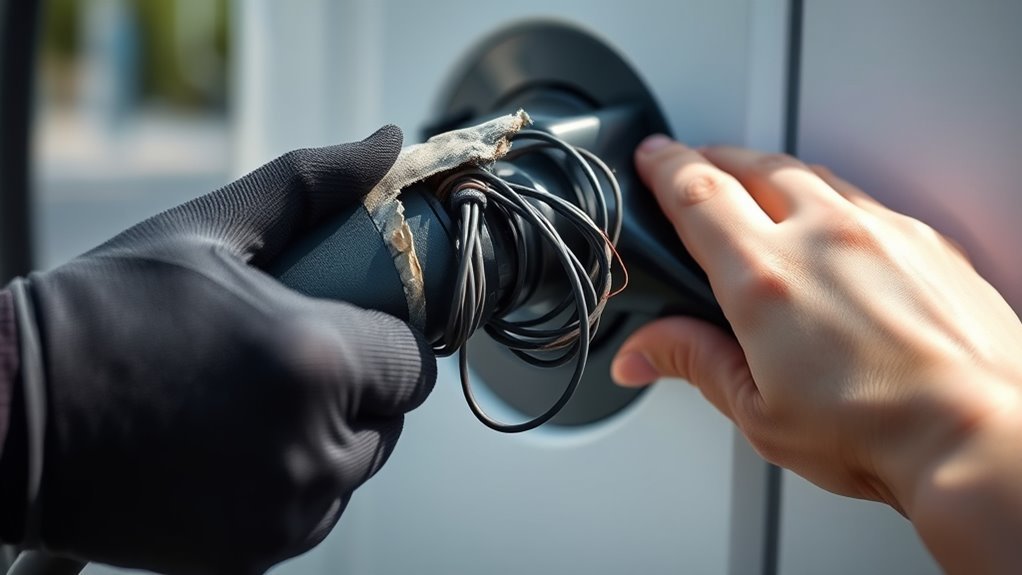
Yes, EV charging cables can often be repaired, but it depends on the type and extent of damage. Minor issues like fraying can sometimes be fixed with insulation tape. However, significant damage, like burn marks or compromised insulation, means it’s safer to replace the cable. Regular inspections can help you catch problems early. If you’re unsure when to repair or replace, there’s more to discover about maintaining your cable for longevity and safety.
How to Assess Whether an EV Charging Cable Can Be Repaired or Needs Replacement?
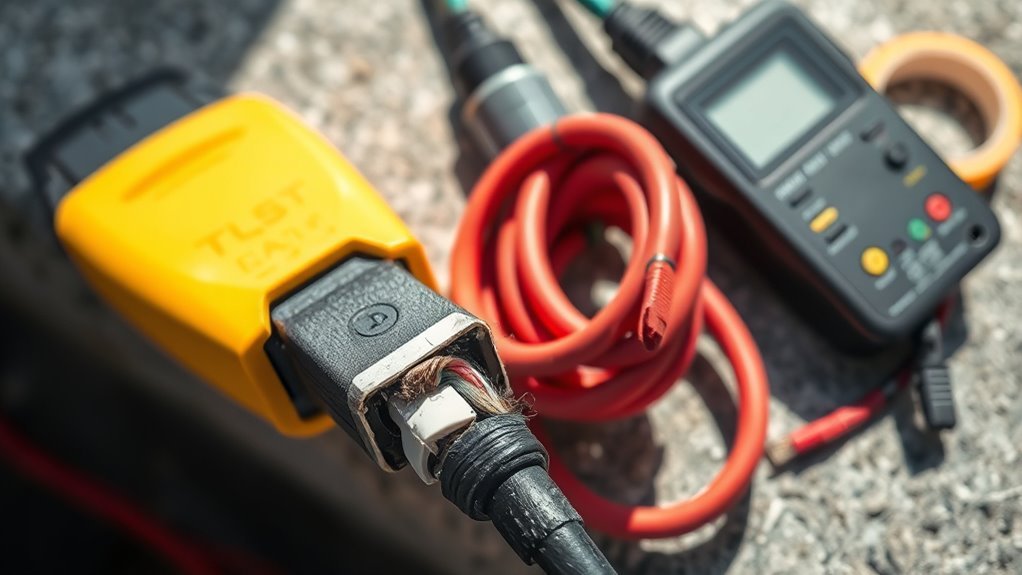
How can you determine if your EV charging cable needs a repair or a complete replacement? Start by inspecting the cable for visible signs of damage.
Look for fraying, cracks, or exposed wires—these often indicate you need a replacement. Minor cosmetic issues like surface scratches might be fixable with insulating tape, but if you notice burn marks or melted insulation, it’s likely overheated and requires replacement.
Severe cuts that compromise cable insulation are particularly dangerous, leading to potential electrical hazards. You can use a multimeter to test for continuity; if the cable doesn’t show proper connectivity, it’s time for a new one.
Understanding Common Types of Damage in EV Charging Cables
While EV charging cables are built to withstand regular use, they’re not immune to various types of damage that can compromise their safety and functionality.
Common damage includes fraying, cuts, and signs of overheating like burn marks, which can indicate severe issues. If you notice corrosion at the connectors due to moisture exposure, it’s vital to act quickly.
Common issues like fraying, cuts, and overheating signs indicate serious problems—act quickly if you find corrosion at connectors.
Minor cosmetic damages, such as surface scratches, might be repairable, but once internal wires are exposed or insulation is compromised, replacement is often necessary.
Remember, damaged insulation poses serious electrical shock hazards. Additionally, if you experience intermittent charging or hear unusual noises, these may signal internal damage that requires professional evaluation.
Regular inspections can help you identify these issues early, allowing you to employ effective repair techniques or decide when it’s time for a replacement.
Stay proactive to keep your EV charging experience safe and efficient.
Must-Have Tools for Safe EV Charging Cable Repairs
If you’ve identified damage to your EV charging cable, knowing the right tools can make all the difference in a successful repair.
Start with insulated wire cutters to remove any damaged sections and wire strippers to prepare the wire ends for reconnection. Safety considerations are paramount, so don’t skip on high voltage-rated electrical insulation tape for sealing repaired areas and preventing exposure.
For added protection, heat-shrink tubing or self-fusing silicone tape creates a waterproof seal that enhances durability.
After your repair techniques are complete, use a multimeter or cable continuity tester to verify electrical connections, ensuring the cable functions correctly before use.
Finally, always wear safety gloves and eye protection to shield against potential electrical hazards.
With these essential tools, you can tackle repairs confidently, extending the life of your EV charging cable while prioritizing safety.
Step-by-Step Guide to Repairing Your EV Charging Cable
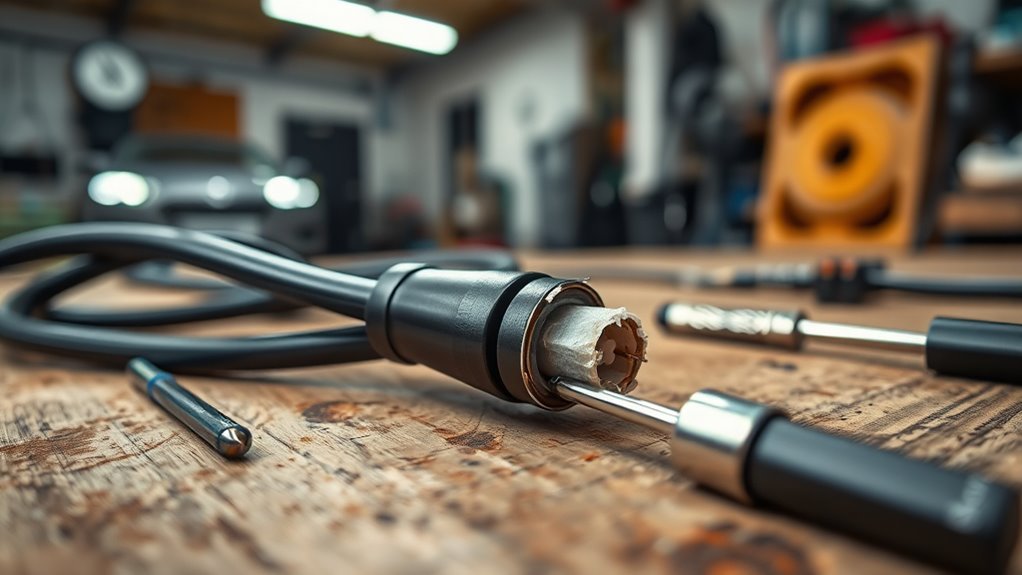
Before diving into repairs, it’s crucial to guarantee the power is completely shut off and the circuit breaker is locked or tagged out to avoid electrical hazards.
Begin by inspecting your EV charging cable for any signs of damage like cracks, fraying, or exposed wires. This assessment will help you decide if you can use some repair techniques or if replacement is necessary.
Inspect your EV charging cable for damage such as cracks or fraying to determine if repair or replacement is needed.
For minor cosmetic damage, apply high voltage-rated electrical insulation tape or heat-shrink tubing. If you encounter serious issues, like exposed internal wires, complete cable replacement is the safest option.
Use insulated wire cutters and strippers to remove damaged sections. When repairing, secure connections with proper insulation methods to uphold cable safety.
Finally, test the cable’s continuity with a multimeter before restoring power. This guarantees your repairs are effective and safe for continued use, empowering you to maintain your EV charging cable confidently.
Signs You Should Seek Professional Help With Your Charging Cable
When you notice any visible damage on your EV charging cable, such as frayed wires or cracks in the insulation, it’s vital to seek professional help immediately. Ignoring these signs can lead to serious charging cable issues and potential hazards.
If you’re experiencing persistent problems—like the inability to charge or intermittent power loss—consulting an expert is imperative. These might indicate underlying electrical faults that need addressing.
Additionally, be alert for overheating signs, such as unusual smells or excessive warmth during charging. These red flags signal a serious fault that should be investigated to prevent fire risks.
If you hear any unusual noises while using your charging cable, don’t hesitate to contact a technician; it may indicate internal damage that compromises functionality.
Always prioritize safety precautions and, when in doubt, reach out to a professional to guarantee your EV charging infrastructure remains reliable and secure.
How to Maintain Your EV Charging Cable for Longevity
To keep your EV charging cable in top shape, it’s crucial to adopt a few key maintenance practices.
Regular visual inspections can help catch issues early, while proper storage techniques prevent unnecessary wear.
Don’t forget to clean the connectors often—this simple step can greatly enhance your charging efficiency and extend your cable’s lifespan.
Regular Visual Inspections
Regular visual inspections of your EV charging cable are essential for ensuring its longevity and safety. Aim to conduct these inspections before each use, focusing on damage identification like fraying, cracks, or exposed wires.
This inspection frequency helps you catch potential issues early, preventing electrical hazards that could compromise your charging experience.
Don’t forget to check both the cable and connectors for corrosion, dirt, or debris, as these can obstruct charging and impact performance.
Document any findings to track the cable’s condition over time, aiding in deciding whether repair or replacement is necessary.
Proper Storage Techniques
Maintaining your EV charging cable goes beyond regular inspections; proper storage techniques play an essential role in ensuring its longevity.
By implementing effective cable organization and storage solutions, you can prevent damage and prolong its life. Consider these tips:
- Coil your cable neatly when not in use to avoid kinks and tangles.
- Store in a dry, temperature-controlled environment to prevent material degradation from extreme heat or moisture.
- Use protective covers on connectors after each use to shield against scratches and dirt.
- Install a wall-mounted cable holder near your charging station for organized storage, reducing tripping hazards.
Cleaning and Maintenance Practices
Your EV charging cable is an essential component of your electric vehicle experience, and keeping it in top shape is important for best performance.
Regularly inspect it for visible damage like cuts or frays; addressing these issues early can save you from bigger problems. Clean the connectors with a soft, dry cloth to remove dust that could obstruct charging.
When practicing proper cable organization, coil the cable neatly and use protective covers on connectors to shield them from damage. Avoid exposing your cable to extreme temperatures and moisture, as these can degrade insulation.
Finally, use a slightly damp cloth for cleaning the cable surface, ensuring it’s dry before reconnecting to prevent electronic failures. Prioritize charging etiquette for a longer-lasting cable!
Checking Your Warranty for Damaged Charging Cables
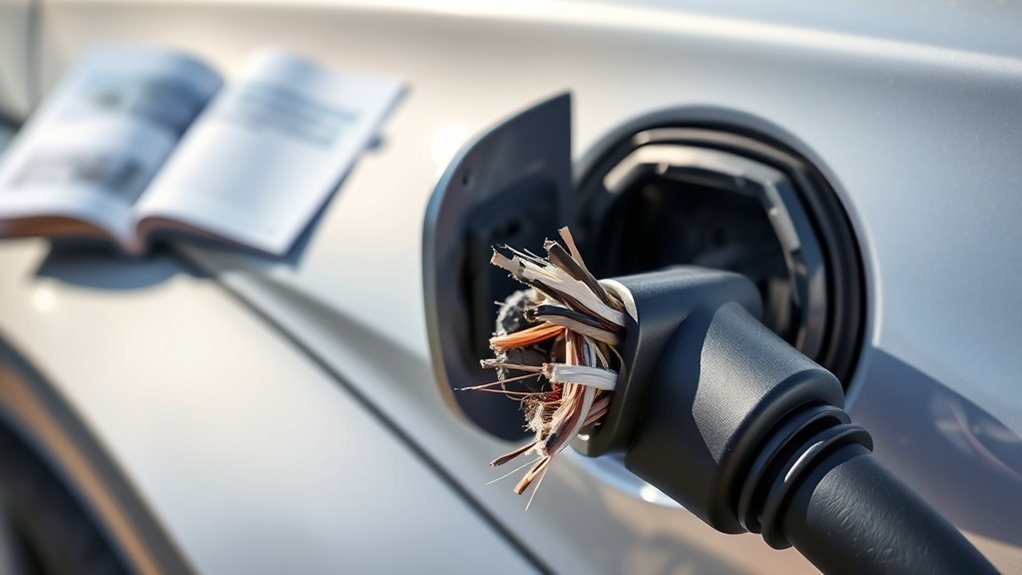
When your EV charging cable gets damaged, the first step is checking the warranty details provided by the manufacturer.
Many warranties cover defects but may not include wear and tear, so it’s essential to understand your rights.
Don’t forget to document any damage and reach out to manufacturer support for guidance on how to proceed with a claim.
Warranty Coverage Details
As you navigate the world of electric vehicle ownership, understanding the warranty coverage for your charging cables can save you time and money in the long run. Here are some key points to contemplate:
- Warranty Duration: Most manufacturers offer a warranty of 1 to 3 years covering defects in materials and workmanship.
- Warranty Limitations: Be aware that damages from misuse or environmental factors may not be covered.
- Claim Process: You’ll likely need proof of purchase and might’ve to return the damaged cable for inspection.
- Extended Warranty: Some manufacturers provide extended warranty options for added peace of mind.
Always check specific terms with your manufacturer before attempting repairs, as unauthorized fixes can void your warranty.
Contacting Manufacturer Support
Before diving into repairs, it is crucial to check your warranty status by contacting your manufacturer support. Understanding the warranty process can save time and money. Reach out to your manufacturer to clarify repair eligibility and replacement options. They may require you to return the damaged cable for inspection, so keep documentation of damage and your purchase receipt handy.
Here’s a quick overview of what to expect:
| Manufacturer Communication | What to Expect |
|---|---|
| Warranty Status | Confirm if your cable is covered |
| Repair Guidance | Get advice on repair vs. replace |
| Return Policy | Know if you need to return the cable |
| Documentation Requirements | Keep damage records and receipts |
| Customer Support Resources | Access online help or hotlines |
Alternatives to Repair: When to Replace Your EV Charging Cable?
While repairing an EV charging cable might seem like a cost-effective solution, there are essential scenarios where replacement becomes the only safe option.
Prioritizing cable performance and adhering to safety standards is imperative for your peace of mind. Here are key situations when you should opt for a replacement:
- Severely compromised insulation – If you see exposed wires, it’s time to replace the cable to prevent electrical hazards.
- Burn marks or melting – These are signs of overheating, often requiring a complete replacement.
- Significant wear – Large lumps or cracks can hinder reliable charging performance, signaling a need for a new cable.
- Risky repairs – If repairs involve splicing or junctions, the potential for overheating makes replacement the safer choice.
Real-Life Experiences: Insights From EV Owners on Cable Repairs
How do real-life experiences shape our understanding of EV charging cable repairs? Many EV owners have shared user experiences that highlight both the potential for DIY repairs and the associated risks.
While some successfully use electrical tape for minor damages, caution is vital due to cable safety concerns. Others recommend waterproof splice kits for more significant repairs, emphasizing durability.
Community discussions stress the importance of regular inspections to catch visible damage early, preventing hazardous situations during charging. However, experienced owners advise that if inner wires are compromised, it’s safer to discard the cable entirely rather than risk overheating or fire.
Insights from forums also remind you to adhere to manufacturer guidelines, as repairs might void warranties and compromise safety.
Ultimately, weighing the pros and cons of repair versus replacement is essential to guarantee your EV charging experience remains safe and reliable.
Frequently Asked Questions
Can You Fix a Damaged Charging Cable?
Yes, you can fix a damaged charging cable using repair techniques like electrical tape for minor issues. However, for significant damage, prioritize safety and consider replacement to guarantee proper cable maintenance and avoid risks.
Why Are so Many EV Chargers Broken?
You might be shocked to learn that frequent EV charger failures stem from poor maintenance practices, environmental wear, and substandard manufacturing. These issues create a perfect storm, leaving many chargers broken and unreliable for users like you.
How to Check if EV Charging Cable Is Working?
To check if your EV charging cable’s working, inspect for damage, use testing methods like a multimeter, and look for cable indicators like overheating. Clean connectors, and try a different charging station to diagnose issues.
Do EV Charging Cables Go Bad?
Yes, EV charging cables can go bad, often due to wear and tear. With a limited lifespan, watch for common cable issues like fraying or corrosion to guarantee your charging experience remains smooth and empowering.
Conclusion
In summary, deciding whether to repair or replace your EV charging cable can feel like maneuvering through a maze of options. Always assess the damage and weigh your choices carefully. If the cable’s safety is compromised, don’t hesitate to seek professional help—it’s better to be safe than sorry! Remember, a well-maintained cable can last longer than the Energizer Bunny! Staying proactive with your charging cable will guarantee your EV continues to run smoothly for years to come.







Leave a Reply