
If your car’s charging fault warning light is on, it signals potential issues with the battery or charging system that need immediate attention. Common causes include alternator failure, loose drive belts, or corroded battery terminals. Ignoring this warning can lead to battery depletion and serious electrical damage. Regular checks and maintenance can prevent these problems. Curious about how to identify these issues and the steps to take? There’s more you should know to keep your vehicle running smoothly.
Why Is My Charging Fault Light On? Understanding the Consequences
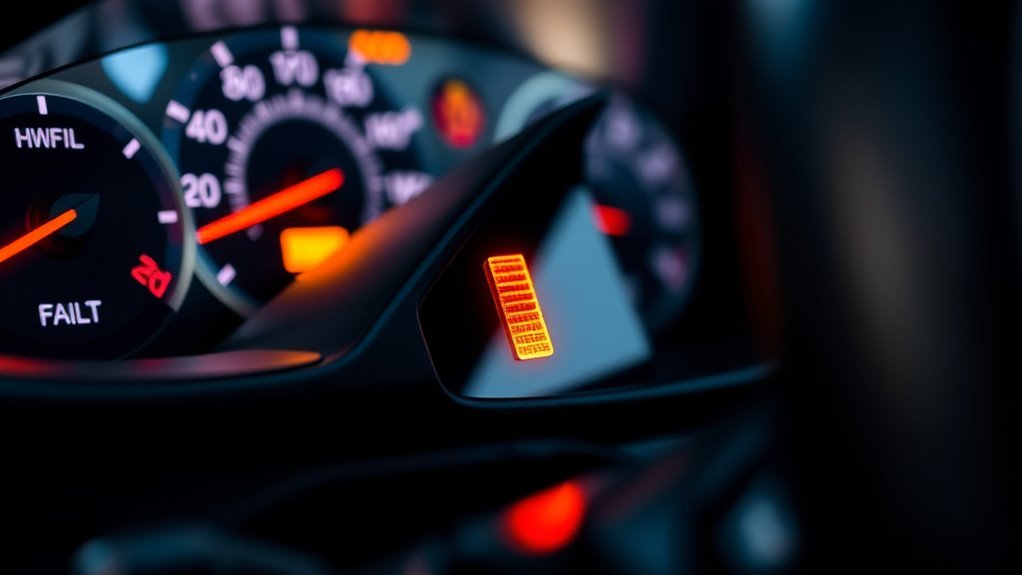
Have you noticed that pesky charging fault light on your dashboard? That warning isn’t just a minor inconvenience; it signals that your vehicle’s battery isn’t receiving enough charge. This can lead to complete battery depletion, leaving you stranded.
The charging fault light on your dashboard is a serious warning—don’t ignore it, or you risk getting stranded.
If you ignore it, your car may run solely on battery power, risking severe electrical system damage. Keeping up with battery maintenance is essential—ensuring connections are tight and corrosion-free can prevent this issue from escalating.
To get to the root of the problem, you’ll need to perform vehicle diagnostics. Inspect the alternator, as it’s the main culprit in about 90% of cases.
Don’t overlook the drive belt and wiring, either. If that light illuminates, prioritize an inspection of these components. By addressing the charging system promptly, you’ll safeguard your vehicle’s performance and enjoy the freedom of worry-free driving.
Common Causes for the Charging Fault Warning Light
When your charging fault warning light comes on, it usually points to specific issues within your vehicle’s charging system. One common culprit is the alternator, which recharges the battery while the engine runs. If it’s worn down—due to faulty brushes or diodes—it can’t perform effectively.
A loose or worn drive belt can also limit the alternator’s output, disrupting your battery’s charge. Additionally, corroded battery terminals or poor connections can impede electrical flow, triggering the warning light.
Faulty wiring or blown fuses may point to deeper electrical failures that need immediate attention. To prevent these issues, regular charging system maintenance is essential.
Keep an eye on your battery health by monitoring these components frequently. By staying proactive, you can guarantee your vehicle remains reliable and avoid the frustration of unexpected warning lights.
How to Identify Alternator Problems
Alternator problems can cause significant disruptions in your vehicle’s performance, so recognizing the signs early is essential. Keep an eye out for a dim or flickering dashboard light, which often indicates inadequate power from the alternator. If the battery warning light activates while driving, it may mean you’re running on battery power alone—another red flag.
To help you identify these issues, here’s a quick reference table:
| Signs of Alternator Issues | What to Do |
|---|---|
| Dimming dashboard lights | Check alternator output voltage |
| Battery warning light on | Inspect battery connections |
| Unusual noises (whining/grinding) | Schedule professional inspection |
Follow these alternator maintenance tips and battery care essentials to keep your vehicle running smoothly. Measuring output voltage with a multimeter should yield 13.8-14.4 volts; anything lower suggests malfunction. Stay vigilant!
Checking the Drive Belt: Signs of Wear and Tear

To guarantee your vehicle’s electrical system operates smoothly, it’s vital to regularly check the drive belt for signs of wear and tear. A thorough drive belt inspection can reveal visible cracks, fraying, or glazing on the belt surface, which indicates it may need replacement. Neglecting these signs can hinder the alternator’s performance, leading to battery charging issues and potential stalling.
Regularly inspecting your drive belt for wear is essential to ensure your vehicle’s electrical system functions properly.
Listen for any squealing noises, especially during acceleration, as this could signal a slipping belt. Maintaining proper tension is important; a loose drive belt can drastically reduce the alternator’s ability to generate power.
Aim to inspect your drive belt every 30,000 to 50,000 miles, or follow your manufacturer’s recommendations. When it’s time for a replacement, make certain you choose a high-quality belt that fits your vehicle.
Following these belt replacement tips will help keep your charging system functioning effectively and your vehicle running smoothly.
How Battery Issues Affect Your Vehicle’s Performance
Although many drivers underestimate the importance of a car battery, it’s vital for starting the engine and powering various electrical components. A weak or failing battery can severely impact your vehicle’s performance, leading to frustrating issues like:
- Insufficient power to start the engine
- Dimming lights and malfunctioning accessories
- Dashboard warning lights signaling faults
- Frequent jump-starts and eventual breakdowns
To maintain electrical efficiency and guarantee your vehicle runs smoothly, regular battery maintenance is essential.
Inspecting the battery and its connections can prevent problems before they escalate. A well-maintained battery not only enhances performance but also prolongs its lifespan, saving you from unexpected inconveniences.
Check Battery Wiring and Connections for Problems
When it comes to ensuring your car’s electrical system functions properly, checking the battery wiring and connections is essential. Loose or corroded connections can restrict the flow of electricity, triggering those pesky warning lights.
Regular connection inspections are vital; inspect battery terminals for corrosion, as excessive buildup can block electrical connectivity. Make sure battery clamps are securely attached—loose connections can hinder charging efficiency.
During your routine battery maintenance, don’t overlook the condition of the cables. Worn or damaged battery cables can lead to significant issues down the line. If you spot corrosion, cleaning it with a simple mixture of water and baking soda can enhance performance and improve your entire charging system’s functionality.
Troubleshooting Your Charging System: Step-by-Step Guide
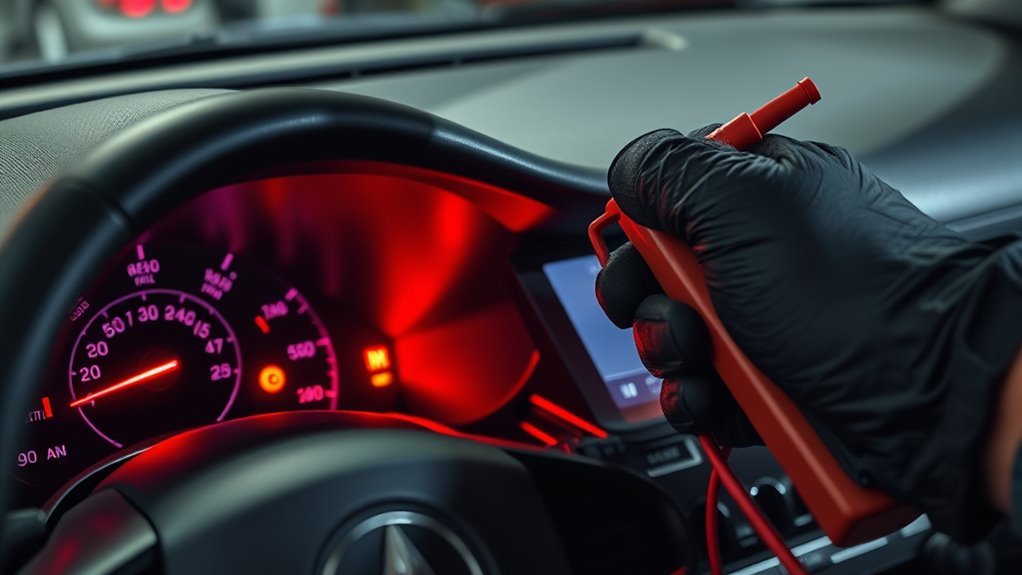
To troubleshoot your charging system effectively, start by inspecting the battery connections for any corrosion and ensuring they’re tightly secured.
Next, test the alternator’s functionality, as a malfunctioning alternator can lead to inadequate power generation for your battery.
Inspect Battery Connections
A thorough inspection of your battery connections is essential for guaranteeing your car’s charging system functions properly. Regular battery maintenance can prevent unexpected breakdowns and keep your vehicle reliable.
Here are some key steps to follow:
- Look for visible signs of corrosion, which can impede electricity flow.
- Confirm battery terminals are tightly attached; loose connections can trigger warning lights.
- Clean any corrosion using a wire brush and water, wearing protective gear for safety.
- Check for worn or frayed battery cables and replace them to restore connection.
Test Alternator Functionality
Testing your alternator’s functionality is essential for maintaining your vehicle’s charging system. Start with a visual inspection for any cracks or worn components that might hinder performance.
Next, check the drive belt’s tension and condition; a loose or worn belt can prevent the alternator from generating power.
For alternator testing, use a multimeter to measure the output voltage while the engine runs. It should fall within the manufacturer-recommended range of 13.5 to 14.5 volts. If the voltage measurement is low, investigate the voltage regulator and battery connections for potential issues.
Remember to turn off the vehicle and disconnect power before inspecting the alternator to avoid electrical hazards. This systematic approach can liberate you from unnecessary car troubles.
When to Call in a Mechanic?
When that warning light flickers on your dashboard, it’s more than just an annoyance; it signals potential issues that need immediate attention.
If you notice unusual noises or frequent electrical problems, don’t hesitate to reach out to a mechanic.
Waiting too long could lead to more significant damage, so act quickly to keep your vehicle running smoothly.
Warning Light Activation
Seeing the “Check Battery Charging System” light on your dashboard can be alarming, as it indicates that your vehicle is running on battery power alone.
This warning signals potential charging system failures that need immediate attention. Don’t ignore it; consult a trusted mechanic right away to avoid being stranded.
Consider these key points:
- Common triggers include alternator failure, drive belt issues, and corroded wiring.
- About 90% of cases stem from alternator problems.
- Ignoring the light can lead to severe electrical system damage.
- Regular charging system maintenance can prevent warning light activation.
Prioritize warning light diagnostics to keep your vehicle reliable and avoid costly repairs.
Taking action now can liberate you from future roadside emergencies.
Unusual Noises Present
Unusual noises coming from your vehicle can be a clear indication that something’s amiss, particularly when it comes to the charging system.
Squealing or grinding sounds may point to a loose or worn alternator belt, hindering proper alternator maintenance. If you hear knocking or rattling, that could signal failing components within the alternator, warranting immediate professional evaluation.
Buzzing noises often relate to electrical issues, like a short circuit, demanding urgent attention.
Persistent clicking sounds when starting your car might suggest a weak battery or poor connection, indicating you should have a mechanic inspect your battery terminals and cables.
Don’t ignore these signs; timely electrical diagnostics can save you from being stranded and prevent further damage.
Frequent Electrical Issues
How often do you find yourself dealing with electrical issues in your car? If you’re experiencing frequent problems, it’s time to call in a mechanic. Ignoring intermittent failures can lead to costly repairs down the road.
Here are key signs that demand professional attention:
- Dashboard warning lights persistently indicate charging system faults.
- You face repeated dead batteries despite having a functional battery.
- Flickering lights or unusual noises from the alternator signal deeper issues.
- A failing drive belt can lead to further electrical diagnostics.
Addressing these symptoms early helps you avoid breakdowns and guarantees your vehicle performs reliably.
Don’t wait until it’s too late; consulting a mechanic can save you from being stranded and protect your investment.
How Ignoring the Warning Light Could Affect Your Car
Ignoring the charging fault warning light can have serious repercussions for your vehicle’s performance and safety. When you dismiss this alert, your car may start relying solely on battery power, increasing the risk of a dead battery and unexpected breakdowns.
Ignoring the charging fault warning light can jeopardize your vehicle’s performance and lead to unexpected breakdowns.
Prolonged neglect can lead to critical failures in components like the alternator and battery, resulting in costly repairs and roadside emergencies. Additionally, failing to address these charging system issues can trigger electrical malfunctions that affect essential functions, such as lights and radio, compromising your overall driving safety.
The strain on the battery intensifies with continued operation while the warning light is illuminated, causing premature aging and a shorter lifespan, which necessitates early replacement.
Ultimately, if the charging system isn’t inspected and repaired promptly, your vehicle may stall while driving, posing serious safety risks to you and others on the road.
Prioritize battery maintenance and electrical safety to maintain your freedom on the road.
Preventative Measures for a Healthy Charging System
To maintain a healthy charging system, it’s crucial to implement a few simple preventative measures that can save you from future headaches.
Focusing on electrical efficiency through preventative maintenance can extend the life of your vehicle’s components.
- Regularly inspect and replace the drive belt to make sure it’s tight and free from wear.
- Routinely check battery terminals for corrosion, cleaning them with water and a wire brush.
- Conduct periodic voltage tests on the alternator with a multimeter while the engine runs, confirming it meets manufacturer specifications.
- Monitor battery health by testing its strength, as weak batteries can lead to charging failures.
Frequently Asked Questions
How to Fix a Charging System Fault?
To fix a charging system fault, start with an electrical inspection of the alternator and battery connections. If needed, consider battery replacement, ensuring all components are secure and functioning within the recommended voltage range for peak performance.
Can I Drive With a Battery Charging Fault?
Driving with a battery charging fault is like tempting fate. You risk draining your battery life completely, compromising your charging safety. It’s best to pull over and address the issue immediately to avoid disaster.
What Does Vehicle Charging Fault Mean?
A vehicle charging fault means your battery isn’t getting enough charge, often due to electrical issues like a faulty alternator or wiring. It’s essential to address this to maintain battery health and avoid breakdowns.
How Much Does It Cost to Fix a Battery Charging System?
Fixing a battery charging system typically costs between $100 and $1,000. This includes battery replacement and diagnostic fees. Getting a detailed estimate from a trusted mechanic guarantees you understand potential expenses before proceeding with repairs.
Conclusion
To sum up, don’t ignore that charging fault warning light—it’s your car’s way of signaling a potential issue that could lead to more serious problems. While it might seem tempting to brush it off, addressing it promptly can save you time and money down the road. By understanding the common causes and taking preventative measures, you can guarantee your vehicle’s charging system remains healthy. Stay proactive, and your car will thank you for it!







Leave a Reply