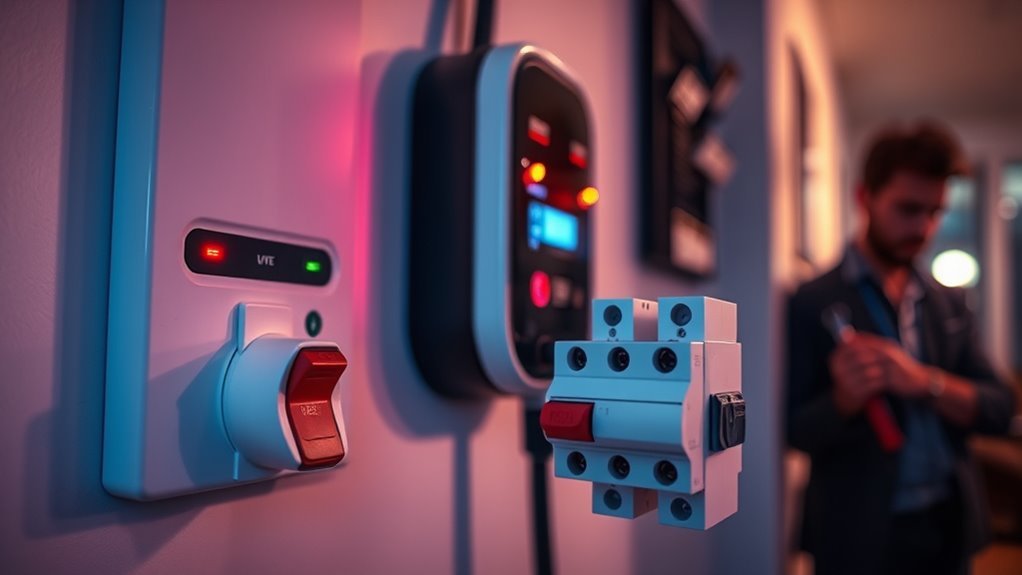
If your EV charger keeps tripping the RCD, check for common issues like water damage, poor installation, or overheating from a high charging load. Inspect all connections for damage or loose wires. Make sure the unit is properly grounded. Upgrading to an RCD with a better thermal rating can help. Keeping a log of when the charger trips may reveal patterns. Finally, hiring a qualified electrician is the best way to find and fix the root cause safely.
Quick Answer
- Water damage: Moisture inside the charger causes electrical shorts.
- Loose wiring: Poor connections create faults that trip the RCD.
- Overheating: Charging at maximum capacity warms up the RCD and lowers its trip threshold.
- Faulty hardware: Certain older charger brands have components known to trip easily.
Common Causes of RCD Trips With EV Chargers
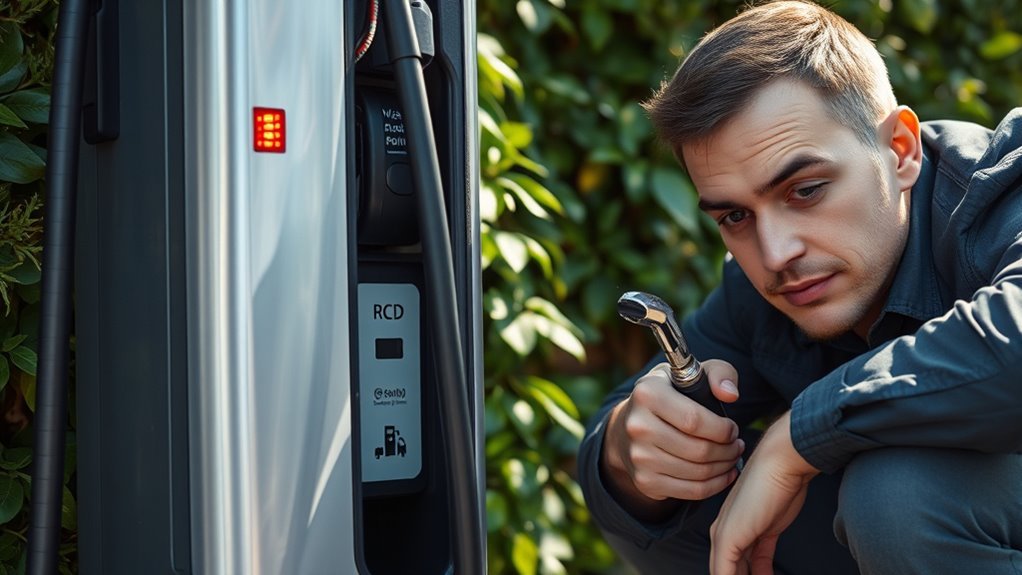
When you charge an electric vehicle, the RCD might trip for a few common reasons. Water getting inside the unit or faulty weather seals often cause electrical shorts during the rain.
Poor installation also leads to frequent trips. You need a professional to ensure the earth and neutral connections are correct. Charging at full capacity (like 7kW) generates heat. When an RCD warms up, its trip current can drop. This causes the power to cut out unexpectedly.
Frequent tripping often points to bad wiring or heat buildup from charging at full capacity. This shows why a professional installation is so important.
Also, some charger brands like Rolec have a history of RCD problems. You might need to look into more reliable models.
Finally, wiring two RCDs in series can make tripping worse. You must use the right RCD types and layouts during setup. Understanding these factors helps you avoid charging disruptions.
How Can You Diagnose Electrical Issues?
To find out what is wrong with your EV charger, check the installation quality. Ensure all circuit connections are tight and free of rust.
Keep track of when the charger trips. A log helps pinpoint issues linked to specific weather or times of day.
This step-by-step method helps you solve RCD trips.
Inspect Charger Installation Quality
Checking how the charger was installed is the first step. Look for loose or damaged wires that cause electrical faults.
Use a multimeter to check the earth and neutral connections. Poor wiring often causes unwanted RCD trips. Look for rust or water damage. Moisture creates short circuits and ruins electrical safety.
Watch how the charger performs in different temperatures and humidity levels to spot patterns.
Always ask a qualified electrician to do a full inspection. They will ensure all parts match and are installed safely.
Check Circuit Connections Thoroughly
Solid circuit connections prevent the RCD from tripping during EV charging.
Inspect the wiring for wear, rust, or loose parts. Test the earth and neutral wires to confirm they are grounded. Bad grounding creates electrical imbalances.
Use a multimeter to look for voltage drops in the circuit. Also, watch other appliances on the same circuit. Heavy loads running at the same time can overload the RCD.
Write down any tripping patterns so an electrician can easily find the problem.
Monitor Tripping Patterns Log
Next, write down exactly when the power trips. Note the time, weather, and charger status.
This log can show if rain causes a short circuit or if peak electricity times are the issue. Record how different chargers handle load limits.
If you change anything in your electrical system, write that down too. Tools like an OBD dongle can show you details about charging speeds and car performance. This helps explain how different variables impact RCD trips.
Tracking this data helps you diagnose electrical issues effectively.
Fixing RCD Trips: Practical Steps
To stop your EV charger from tripping, first check for water damage, rust, or broken seals. Moisture is a major cause of electrical faults.
Next, verify that the earth and neutral connections are tight and installed correctly. This prevents faults that affect the RCD.
Consider upgrading to an RCD that handles heat better. Standard RCDs sometimes trip early when they get warm during a long charge.
Keep a log of every trip to spot patterns with the weather or time of day.
Finally, hire an electrician to check your whole system. They can fix underlying issues and keep your charging setup safe and reliable.
The Role of Charger Quality in Preventing RCD Trips
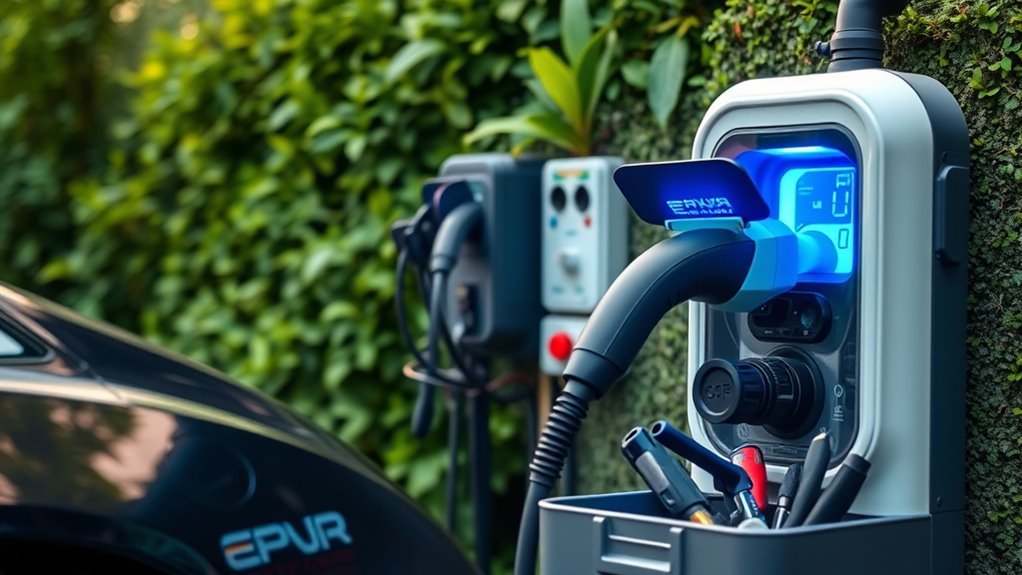
You might not link charger quality to RCD trips, but the unit’s design plays a huge role in safety.
Cheap chargers often use poor components that trigger safety shutoffs. Older models from brands like Rolec are known for this issue.
Buying a high-quality charger like the Zappi improves grounding and safety.
Consider these facts:
- Safety: A good charger lowers the risk of electrical faults.
- Efficiency: Better designs provide steady charging without unexpected stops.
- Reliability: A well-built charger lasts longer and needs fewer repairs.
User Experiences: Lessons Learned From RCD Issues
EV owners share helpful advice about RCD tripping problems. Many people fix these issues by switching charger brands. Some report better results after replacing older Garo or Rolec models.
Users point out that cheaper internal parts often cause frequent trips. Many also notice that trips happen more often in the rain. This proves water leaks are a common problem.
Tracking these details in a log makes it much easier to find the root cause.
Forum discussions show that proper installation and correct wiring stop most RCD trips.
Upgrading Electrical Systems for Safe EV Charging
Upgrading your electrical panel ensures safe and fast EV charging. Consider installing upgraded breakers and a dedicated circuit for the charger. This stops nuisance tripping.
- Ensures your home’s electrical system meets modern safety standards.
- Provides steady charging without unexpected power cuts.
- Protects the circuit from being overloaded by other household appliances.
Good earth connections are critical to stop RCD trips. A dedicated circuit also keeps the charger separate from other heavy loads.
An electrician can maintain your system and make sure it meets safety standards. These upgrades create a secure charging setup for your car.
Frequently Asked Questions
Why Does My EV Charger Keep Tripping the RCD?
It trips due to hardware problems or bad wiring. Check your connections, verify the grounding, and hire an electrician to fix the faults safely.
How to Fix an RCD That Keeps Tripping?
Inspect the wiring and look for moisture in the charger. Keep a log of when it trips to find patterns. Hire an electrician to fix any deep electrical issues.
What Is the Most Common Cause of RCD Tripping?
Ground leaks and electrical faults are the main causes. Regular maintenance prevents these malfunctions and keeps your system working properly.
Why Do EV Chargers Trip GFCI?
EV chargers trip GFCIs mostly because of moisture, loose wires, or an overloaded circuit. Finding these problems early ensures a safer charging experience.
Conclusion
Upgrading outdated wiring and fixing broken chargers stops the RCD from tripping. Finding the root cause keeps your electricity flowing smoothly. A properly working electrical system protects your home and ensures your electric vehicle is always ready for the road.






Leave a Reply