Charging your Tesla at home costs between $10.94 and $18.00 for a full charge, depending on the model and local electricity rates. The Model 3 offers some of the best efficiency, while larger battery packs like the Cybertruck result in higher costs. Overall, home charging remains much cheaper than refueling a gas vehicle, costing about $0.06 per mile. You can optimize these expenses by understanding the variables that impact your utility bill.
Quick Answer
Charging a Tesla at home typically costs between $11 and $18 per full charge, depending on your vehicle’s battery size and your local electricity rate. This process is generally 60% cheaper than fueling a comparable gas-powered vehicle. You can further reduce these costs by scheduling charges during off-peak utility hours.
What Are Tesla Charging Costs at Home?
The cost to charge a Tesla at home ranges from $10.98 to $18.00 based on your specific model. For instance, charging a Model 3 with an 82 kWh battery typically costs about $12.00. The Cybertruck, which features a 123 kWh battery, costs about $18.00 for a full charge.
Home charging averages 4 to 6 cents per mile. This cost stays significantly lower than the 16 cents per mile required for the average gas-powered vehicle. Keep in mind that charging efficiency usually reaches 85% to 90%, so you pay for slightly more energy than the battery actually stores.
You can maximize your savings by using time-of-use plans offered by many utility companies. These plans allow you to charge your vehicle during off-peak hours when electricity rates drop significantly.
What Factors Influence Tesla Charging Costs?
Several variables impact your total spending when you charge your Tesla at home. Local electricity rates differ by region, ranging from 13 cents per kWh in some areas to over 35 cents per kWh in others.
Battery size also dictates your costs. Larger batteries, such as the 100 kWh units in the Model S and Model X, require more electricity for a full charge. Your driving habits also play a role, as aggressive acceleration or heavy use of climate control drains the battery faster.
Efficiency loss remains a factor during every charging session. Because charging is not 100% efficient, you must account for the energy lost as heat during the transfer from your wall outlet to your vehicle battery.
How Do Charging Costs Differ Among Tesla Models?
Costs vary based on the specific battery capacity of your Tesla. A full charge for the Model 3 costs about $10.94, while the Model Y averages $13.20. Premium models like the Model S and Model X cost approximately $17.60 and $17.55 to charge, respectively.
Performance or Long Range versions of the Model 3 reach about $14.39 per charge due to their larger batteries. These figures show that while higher-end models cost more to charge, their overall efficiency keeps the cost per mile competitive, ranging from $0.04 to $0.043 across the lineup.
What Do Tesla Owners Pay for Public Charging?
Public charging costs fluctuate depending on the infrastructure provider and location. Use these estimates for your travel budget:
- Supercharger Stations: Costs average $0.41 per kWh, leading to total charges between $17 and $70 depending on how much energy your battery needs.
- Level 2 Public Charging: These stations average $0.25 per kWh, costing about $18 for a 72 kWh battery.
- DC Fast Charging: Public fast chargers often cost $0.47 per kWh, resulting in roughly $34 for a 72 kWh battery.
Always use the Tesla app to monitor real-time rates at nearby stations. Prices change based on the time of day and regional demand.
Comparing Tesla Ownership Costs to Gas Vehicles
Electric vehicles provide long-term savings despite higher initial purchase prices. You save money through lower fuel costs and reduced maintenance requirements.
| Cost Category | Tesla | Gas Vehicles |
|---|---|---|
| Cost per Mile | $0.06 | $0.16 |
| Annual Fuel Costs | $130 – $216 | $2,448 |
| 5-Year Maintenance | $4,600 | $7,800 |
Drivers typically save over $1,200 annually on fuel alone. Maintenance costs also stay low because EVs lack oil changes, spark plugs, and complex exhaust systems. Always consult a financial advisor if you are making vehicle purchase decisions based on long-term cost projections.
How Does Charging Efficiency Affect Your Tesla Costs?
Charging efficiency represents the amount of power that successfully reaches the battery compared to the amount drawn from the grid. Tesla vehicles typically operate at 85% to 90% efficiency.
This means 10% to 15% of your electricity is lost during the conversion process. If you charge a 100 kWh battery, you might draw 110 kWh from the grid to complete the charge. Temperature and the type of charger also influence this percentage.
Can solar panels Help Reduce Charging Costs?
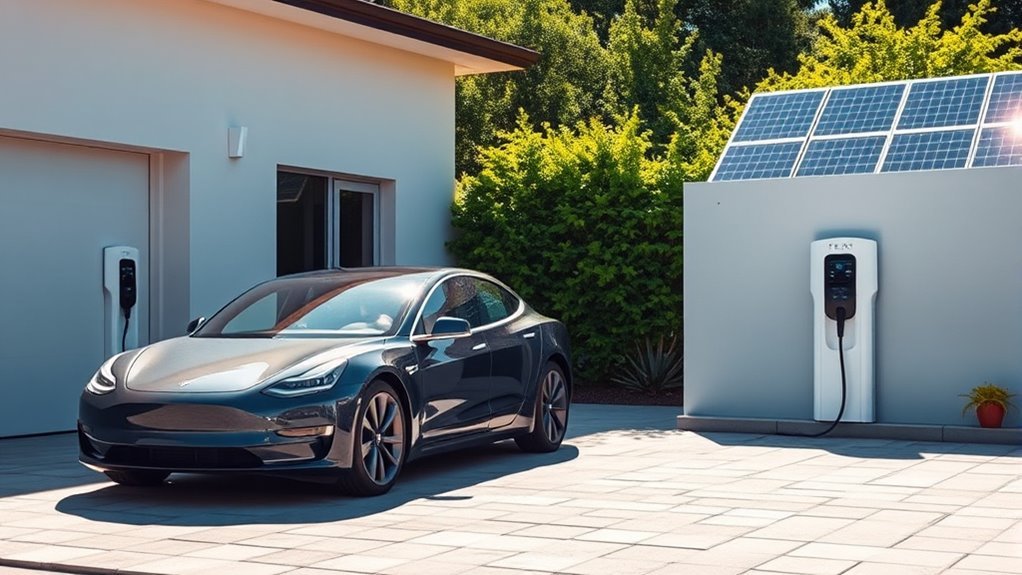
Solar panels can lower your charging costs to roughly $0.06 per kWh. This could drop the cost of a full Model Y charge to about $4.05. A standard 6 kW solar system costs about $19,000, though tax credits often reduce this to $12,000.
Five standard solar panels can generate enough energy to cover the annual driving needs of an average Tesla owner. You can further enhance these savings by upgrading to higher-efficiency solar panels or expanding your current array.
Tesla-Specific Incentives and Rebates to Consider
You can lower the total cost of Tesla ownership through government and utility programs. These options make the transition to electric vehicles more accessible:
- State Incentives: Many regions offer direct rebates between $1,000 and $7,500 to offset the purchase price.
- Utility Rebates: Some power companies provide cash back or discounted rates for customers who install home charging hardware.
- Local Perks: Owners often receive reduced registration fees, carpool lane access, and exemptions from specific emission-related taxes.
How to Manage Charging Costs Over Time
Tracking your energy usage helps you predict and control your monthly utility bills. Most Teslas allow you to view your “Energy Usage” statistics directly on the dashboard screen.
By reviewing these metrics, you can identify if your driving style or climate control settings are increasing your costs. Adjusting your habits based on these internal reports can help you keep your cost per mile as low as possible.
Frequently Asked Questions
How Much Does It Cost to Fully Charge a Tesla at a Charging Station?
Public charging costs vary by location and station type. You should expect to pay between $17 and $70 for a full charge at a Supercharger. Rates depend heavily on the current peak demand of the local grid.
How Much to Fully Charge an Electric Car Tesla?
A full charge for a Tesla costs between $10 and $18 when using home electricity. This price depends on your local utility rates and your specific model’s battery capacity.
How Much Will My Electric Bill Go up if I Charge My Tesla?
Expect your monthly electric bill to increase by $39 to $57 if you charge your Tesla at home regularly. This estimate varies based on your driving distance and local energy costs.
Is Charging a Tesla Actually Cheaper Than Gas?
Yes, charging a Tesla is significantly cheaper than buying gasoline. Electric vehicles operate at a much higher efficiency level than internal combustion engines, which results in lower fuel costs per mile.
Conclusion
Understanding the costs associated with your Tesla helps you manage your budget and maximize your savings. By utilizing off-peak charging times and exploring solar options, you can lower your annual fuel expenses by more than 60%. Review your local utility plans today to find the most affordable way to keep your vehicle charged and ready for the road.







Leave a Reply