
If your Toyota Corolla is losing power, you might notice sluggish acceleration, unusual engine noises, and a drop in fuel efficiency. Common causes include a clogged fuel filter, dirty air filter, and worn ignition components. To fix these issues, check for visible problems, use an OBD-II scanner for diagnostics, and perform regular maintenance like replacing filters and spark plugs. Understanding these signs and fixes can help you keep your Corolla running smoothly. There’s more to uncover about enhancing your vehicle’s performance.
Quick Answer
- The most common reasons a Toyota Corolla loses power are a clogged fuel filter, dirty air filter, worn spark plugs, and carbon buildup in the fuel injectors.
- Key symptoms include sluggish acceleration, rough idling, poor fuel economy, and the check engine light turning on.
- Start troubleshooting with a visual inspection and an OBD-II scan. Check fuel pressure, oxygen sensors, and ignition components.
- Prevent power loss by replacing the air filter every 15,000 to 30,000 miles and the fuel filter every 30,000 miles.
- If the problem persists after basic maintenance, have a professional mechanic run a full diagnostic.
Common Symptoms of Power Loss in Toyota Corollas
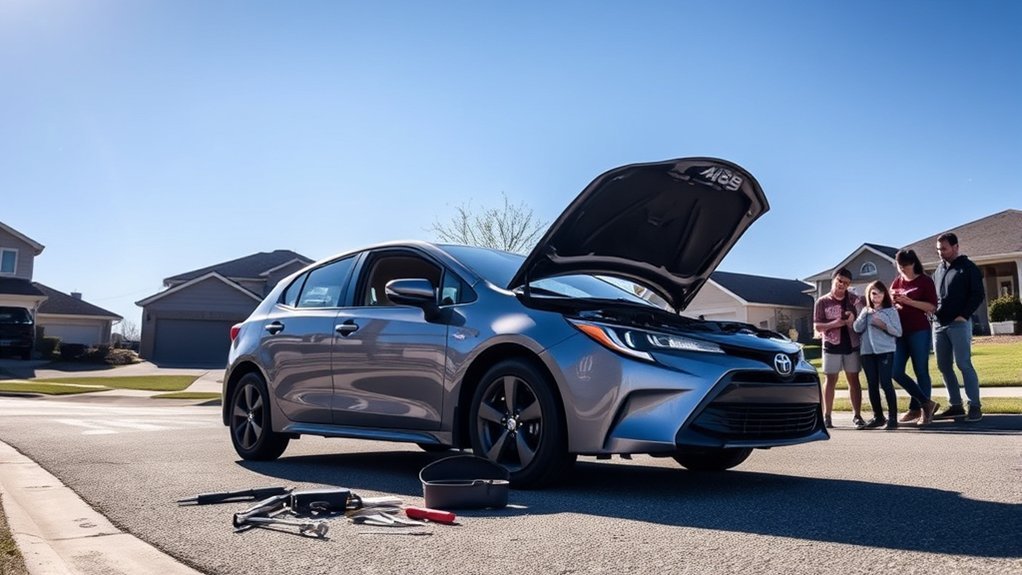
When your Toyota Corolla struggles to accelerate, it’s often one of the first signs of power loss. You’ll likely notice a decrease in acceleration, especially under load, where the engine feels like it’s fighting to keep up. Unusual noises during acceleration, such as rattling or pinging, are another red flag.
If your Toyota Corolla struggles to accelerate, it may signal power loss, especially under load with potential unusual noises.
Check your spark plugs for dry black soot. This usually points to a rich fuel mixture or a misfire, both of which rob the engine of power.
A significant drop in fuel efficiency often goes hand in hand with these symptoms and tells you the engine isn’t running efficiently. If the check engine light comes on, treat it as a prompt to run diagnostics for ignition, fuel delivery, or air intake issues.
Intermittent power loss, where RPMs suddenly drop and acceleration becomes unresponsive, is especially frustrating. Stay alert for these warning signs so you can address them early and keep your Corolla performing well.
What to Do if You Experience Sudden Power Loss
Sudden power loss in your Toyota Corolla can feel alarming, but staying calm and working through a few checks can help you pinpoint the cause.
Start by looking for visible problems like loose battery connections or damaged wiring, since these can disrupt your car’s electrical system. Next, connect an OBD-II scanner (a basic code reader you can pick up at most auto parts stores) to pull any diagnostic trouble codes. These codes can flag faulty components such as the oxygen sensor or ignition parts.
Inspect the fuel system too. A failing fuel pump or clogged filter can restrict fuel flow and cause noticeable power drops. Regular maintenance, including changing air filters and spark plugs on schedule, goes a long way toward keeping the engine healthy.
If you’ve gone through all of these checks and still experience power loss, it’s time to consult a professional mechanic for a more thorough diagnostic. Getting expert help early can prevent small problems from turning into expensive repairs.
Common Causes of Power Loss and How to Fix Them
Power loss in your Toyota Corolla usually traces back to a handful of common issues. Here’s a breakdown of what to look for and how to fix each one:
| Issue | Symptoms | Fix |
|---|---|---|
| Clogged fuel filter | Reduced acceleration, stalling | Replace every 30,000 miles |
| Dirty air filter | Poor fuel economy, rough idling | Replace every 15,000-30,000 miles |
| Carbon buildup in fuel injectors | Hesitation, decreased power | Use quality fuel system cleaners regularly |
Tackling these issues early can restore your Corolla’s power and keep it running smoothly. Don’t overlook the ignition components either. Worn spark plugs or failing coil packs are just as likely to cause power loss. Staying on top of routine maintenance is the best way to avoid bigger problems down the road.
Other Causes of Power Loss to Consider
Beyond the basics, a few less obvious problems can also sap your Corolla’s power.
A failing catalytic converter is one of the more common culprits in higher-mileage Corollas. When the converter becomes clogged or damaged, it restricts exhaust flow and chokes the engine. Symptoms include a sulfur or rotten-egg smell, reduced acceleration, and a glowing check engine light. A mechanic can test exhaust backpressure to confirm if the catalytic converter is the issue.
Transmission problems can also mimic engine power loss. If your Corolla hesitates, slips between gears, or shifts roughly, the transmission may not be transferring power to the wheels efficiently. Low or degraded transmission fluid is often the first thing to check. Toyota recommends inspecting the transmission fluid at the intervals listed in your owner’s manual.
Vacuum leaks are another possibility. Cracked or disconnected vacuum hoses throw off the air-fuel mixture and can cause rough idling, hesitation, and power loss. A visual inspection of the hoses under the hood is a good starting point.
How to Diagnose Power Loss Issues in Your Corolla
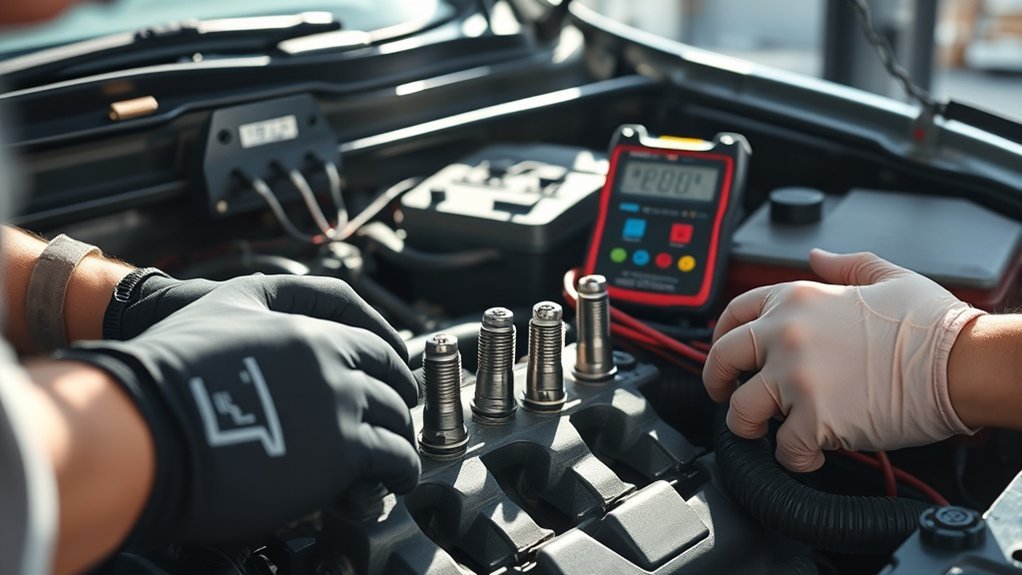
When you’re dealing with power loss in your Toyota Corolla, start by paying attention to the specific symptoms, such as sluggish acceleration or unusual engine noises.
Then move into a structured diagnostic process, beginning with error codes and fuel pressure.
Common Symptoms To Observe
How can you tell if your Toyota Corolla is struggling with power loss? Watch for these common signs.
Reduced acceleration or an engine that bogs down under load is usually the first thing drivers notice. Unusual noises like rattling or pinging during acceleration can also point to ignition or combustion issues.
A noticeable drop in fuel efficiency is another clue. If your spark plugs show dry black soot, that’s a sign of a rich fuel mixture or misfire.
Keep an eye on the dashboard for warning lights. Also watch for intermittent RPM drops during acceleration.
Even if the check engine light hasn’t come on, it’s still worth inspecting the fuel filter, air filter, and ignition system. Many mechanical and electrical issues can reduce power without immediately triggering a dashboard warning.
Essential Diagnostic Steps
Start with a thorough visual inspection of the engine bay. Look for damage, fluid leaks, or loose connections. Then plug in an OBD-II scanner and check for diagnostic trouble codes (DTCs) that might reveal faulty sensors or ignition problems. The National Highway Traffic Safety Administration (NHTSA) provides useful background on the OBD system and how it monitors vehicle performance.
| Diagnostic Step | Purpose |
|---|---|
| Test Fuel Pressure | Confirms the fuel delivery system is working properly |
| Inspect O2 Sensor | Measures air intake and fuel mixture accuracy |
| Conduct Compression Test | Checks engine cylinder health |
Key Maintenance Practices to Prevent Power Loss

Keeping up with routine maintenance is one of the best ways to prevent power loss in your Toyota Corolla.
Replace your air filter every 15,000 to 30,000 miles to keep airflow unrestricted. Schedule fuel filter replacements every 30,000 miles to prevent clogs that starve the engine of fuel.
Regular air and fuel filter replacements are vital for ensuring optimal engine performance and preventing power loss.
Spark plugs deserve regular attention too. Worn plugs hurt ignition timing and combustion efficiency, which directly affects power output. Inspect and replace them on the schedule your owner’s manual recommends.
Clean or replace the mass airflow sensor (MAF sensor) periodically. This sensor measures how much air enters the engine and plays a key role in maintaining the correct fuel-air mixture. A dirty MAF sensor can cause the engine to run rich or lean, both of which reduce performance.
Finally, run regular engine diagnostics to catch developing issues before they become serious. A proactive approach to maintenance keeps your Corolla reliable and responsive.
Signs You Need Professional Help With Your Toyota Corolla
Sometimes basic maintenance isn’t enough. If you’re experiencing sudden power loss or noticeable lag during acceleration, especially paired with strange noises or warning lights, those are signs of a problem that needs professional attention.
If your Corolla has trouble starting or is consuming excessive oil without visible smoke, there may be internal engine issues that will get worse without proper diagnosis.
A check engine light that returns after recent repairs also warrants a mechanic’s inspection. DIY fixes don’t always address the root cause.
Persistent performance problems, even after replacing spark plugs and air filters, often point to deeper mechanical or electrical faults. Failing sensors, wiring issues, or internal engine wear can all hide behind seemingly simple symptoms.
If previous diagnostics haven’t solved the issue and repair bills keep adding up, have a trusted mechanic perform a comprehensive inspection. Catching the real problem early can save you from more expensive repairs later.
Frequently Asked Questions
What Causes a Toyota Corolla to Lose Power?
A Toyota Corolla typically loses power because of fuel system problems, ignition system failures, or restricted airflow. Clogged filters, worn spark plugs, and failing sensors are among the most common culprits. Fixing these issues usually restores normal performance.
Why Is My Toyota Corolla Struggling to Accelerate?
Acceleration issues in a Corolla often come down to poor throttle response or reduced engine performance. Dirty filters, faulty sensors, or ignition problems can all cause sluggish acceleration. Start by checking the air filter and spark plugs, then move on to the fuel system if the issue persists.
What Would Cause My Car to Suddenly Lose Power While Driving?
Sudden power loss while driving is usually caused by an engine misfire, a fuel delivery issue (like a failing fuel pump or clogged filter), or a transmission problem. Any of these can cut power without much warning. Pull over safely if it happens and get the vehicle diagnosed promptly.
What Sensor Causes Loss of Power?
The Throttle Position Sensor, Mass Airflow Sensor, and Oxygen Sensor are the three sensors most likely to cause power loss. Each one affects the air-fuel mixture or throttle response. Regular inspections can catch sensor failures before they cause major performance issues.
Final Thoughts
If you notice your Toyota Corolla losing power, address the issue quickly to avoid further damage. Studies suggest that nearly 30% of drivers deal with some form of power loss at least once a year. Staying aware of the common symptoms and causes, and keeping up with regular maintenance, will help your Corolla run reliably for years to come. If the problem sticks around after your own troubleshooting, get a professional diagnosis sooner rather than later.







Leave a Reply