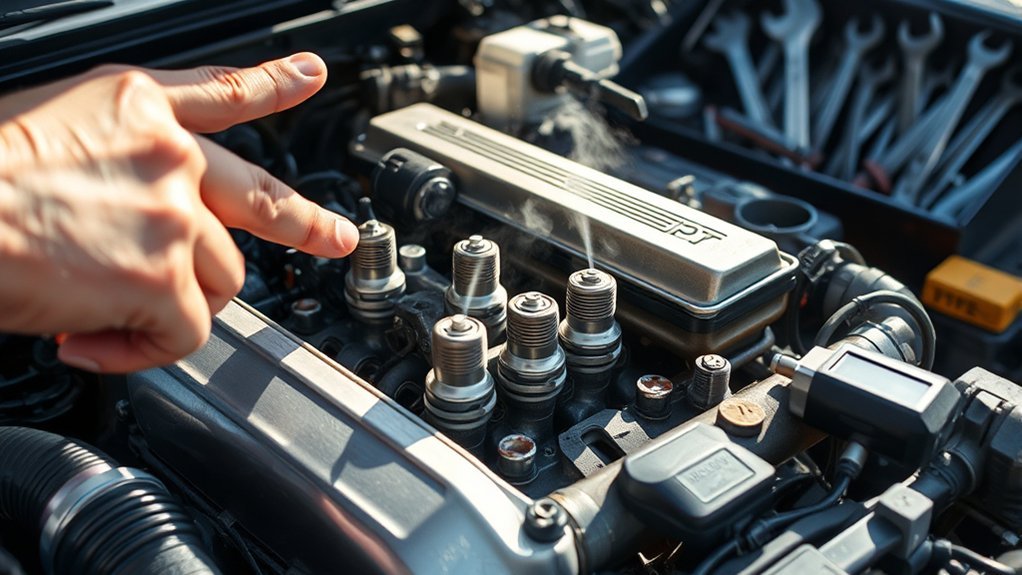
If your Toyota Tazz is losing power, the problem usually comes down to fuel delivery or the ignition system. A clogged fuel filter or a failing fuel pump can easily starve the engine of fuel. Popping sounds from the carburetor point directly to an imbalanced air-fuel mixture. Worn spark plugs or bad ignition coils also ruin performance. Regular maintenance is the best way to prevent these issues. Read on for practical solutions and troubleshooting steps.
Quick Answer
- Clogged fuel filters, weak fuel pumps, worn spark plugs, and faulty ignition coils are the most common culprits for power loss.
- Carburetor popping noises indicate an air-fuel mixture imbalance that requires immediate adjustment.
- Replacing spark plugs will not fix the problem if a deeper fuel system issue exists.
- A compression test helps reveal internal engine wear that basic tune-ups cannot solve.
- Routine inspections of the fuel filter, spark plugs, timing belt, and carburetor prevent sudden power drops.
Identifying the Causes of Power Loss in Your Toyota Tazz
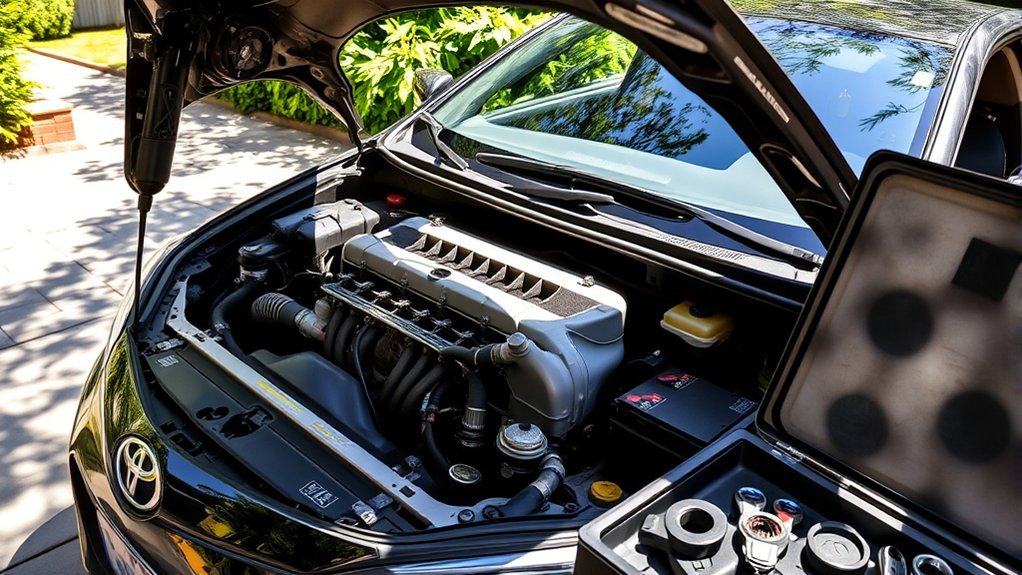
Does your Toyota Tazz struggle to maintain speed on the highway? This power loss almost always traces back to fuel delivery or the ignition system.
Experiencing power loss in your Toyota Tazz? This could point to crucial fuel delivery or ignition system issues.
A popping sound from the carburetor means the air-fuel mixture is incorrect. This imbalance seriously limits engine output. Sometimes the real issue stays hidden even after you replace the spark plugs. This indicates you need a deeper diagnostic check.
A clogged fuel filter or low fuel pressure restricts the amount of gas reaching the engine. This makes the power loss highly noticeable under load. Worn spark plugs or failing ignition coils also reduce how well the fuel ignites in the cylinder.
Talking with experienced mechanics or browsing online Toyota forums can help you pinpoint these problems quickly. Finding the root cause is the first step to getting your Tazz running smoothly again.
Diagnosing Power Loss: What You Need to Know
A step-by-step approach works best for troubleshooting power loss. Several parts could be failing at the same time.
Start with fuel delivery. A heavily clogged fuel filter or a weak fuel pump severely limits fuel flow to the engine.
Next, examine the ignition system. Worn spark plugs or faulty coil packs cause misfires and kill power output. According to Toyota’s maintenance guidelines, spark plugs degrade predictably and require replacement on a set schedule.
Do not ignore carburetor issues. Popping noises typically signal a lean air-fuel mixture.
Proper diagnostics help you isolate the actual broken component. Changing parts randomly wastes money. You must check each system carefully.
Finally, lean on Toyota owner communities for guidance. Other Tazz owners frequently share fixes for common problems.
Effective Solutions for Fuel Delivery and Ignition Issues
Start with the most accessible parts when fixing fuel delivery and ignition problems.
Inspect your fuel filter first. A clogged filter blocks gas from reaching the engine. Check your fuel pump next to ensure it provides adequate pressure. A dying pump starves the engine and destroys performance.
Regular fuel filter inspections and fuel pump evaluations are essential to prevent power loss in your Toyota Tazz.
Worn spark plugs or bad ignition cables cause misfires. As Kelley Blue Book explains, the copper spark plugs commonly used in older vehicles have a shorter lifespan. They need frequent replacement.
Ensure your carburetor is tuned correctly. A bad air-fuel mixture causes sluggish acceleration and popping noises.
Run a compression test if the basic fixes fail. This test checks if the engine cylinders hold enough pressure to generate power.
Air Intake and Exhaust Factors
Engines need constant airflow to function. A dirty air filter restricts oxygen and causes the engine to run rich. This leads directly to sluggish acceleration. Routinely replacing a dirty air filter is a cheap and simple fix.
You should also check for exhaust blockages. A clogged exhaust system or damaged catalytic converter traps exhaust gases inside the engine. This chokes the motor and is one of the most common loss of power symptoms in older cars.
Common Symptoms to Watch For
Catching warning signs early saves you from massive repair bills. Watch for these common symptoms of power loss:
- Hesitation during acceleration usually means the engine is starving for fuel or suffering from weak spark.
- Popping or backfiring points to an air-fuel mixture problem or a severe vacuum leak.
- Rough idling or stalling often results from worn ignition parts or a clogged fuel filter.
- Decreased fuel economy occurs when misfiring spark plugs force the engine to work harder.
Do not ignore these signs. Early diagnosis keeps repairs simple and cheap.
How to Maintain Your Toyota Tazz to Prevent Power Loss

Consistent maintenance prevents sudden power loss and extends the life of your Tazz.
Start by replacing spark plugs and ignition wires every 30,000 to 45,000 miles. This maintains crisp engine performance and prevents power-draining misfires. The standard copper spark plugs in a Tazz wear out much faster than modern iridium plugs.
Swap out the fuel filter every 20,000 to 30,000 miles. A clean filter ensures uninterrupted fuel delivery.
Keep the carburetor clean. A properly adjusted carburetor prevents hesitation and poor fuel economy.
Inspect the timing belt regularly. Replace it according to your owner’s manual. A worn or slipping timing belt ruins engine timing and destroys power output.
Schedule regular maintenance checks for the fuel and ignition systems. Catching wear and tear early stops major breakdowns.
When to Get Professional Help
A sudden drop in power is dangerous in traffic. You must know when to take the car to a mechanic.
Book an appointment if you notice a loss of power while shifting gears or hear loud popping sounds from the engine bay. These symptoms require professional diagnostic tools.
A mechanic can dig deeper when basic tune-ups fail. They can test fuel pressure, check ignition timing, and find hidden vacuum leaks.
Regular check-ups by a professional catch minor issues before they escalate. This proactive approach saves you money and keeps your Tazz reliable.
Frequently Asked Questions
Why Is My Toyota Losing Power?
Your Toyota is likely losing power due to ignition misfires, clogged fuel lines, or an exhaust blockage. Check the spark plugs, test the fuel pump, and look for restricted air intake parts. Routine maintenance restores lost performance and fuel efficiency.
What Causes a Car to Lose Power While Accelerating?
Power loss during acceleration stems from fuel delivery restrictions, dirty air filters, worn ignition parts, or transmission slipping. Replacing clogged filters and failing sensors will quickly improve throttle response.
What Sensor Causes Loss of Power?
A failing throttle position sensor, mass airflow sensor, or oxygen sensor causes immediate power loss. Faulty crankshaft, camshaft, or fuel pressure sensors also severely limit engine performance and vehicle speed.
What Causes a Vehicle to Suddenly Lose Power?
Sudden power loss usually results from a dying fuel pump, sudden ignition failure, or a completely blocked exhaust. Ignoring basic maintenance allows these components to fail without warning.
Conclusion
Fixing power loss in your Toyota Tazz requires proactive maintenance. Fuel delivery issues and worn ignition parts cause the vast majority of performance drops. Keep your fuel filter, spark plugs, and carburetor in excellent condition. Handle regular check-ups on time to ensure your engine runs strong. If basic maintenance does not solve the hesitation, take the car to a professional mechanic immediately.







Leave a Reply