
If your Toyota Hilux is losing power, the cause could be a restricted fuel supply, blocked air filter, turbocharger problem, faulty sensor, or emissions-system fault. A Hilux that struggles uphill, hesitates during acceleration, or suddenly limits engine speed needs a systematic diagnosis. Start with the warning lights and simple visual checks before spending money on expensive parts.
Quick Answer
A Toyota Hilux losing power may have a clogged fuel filter, restricted air intake, boost leak, injector fault, or turbocharger problem. Diesel models may also experience EGR or DPF issues. Start by checking dashboard warnings and diagnostic trouble codes, then inspect the fuel and air systems before replacing components.
Key Takeaways
- A clogged fuel filter, dirty air filter, or leaking turbo hose can reduce engine power.
- Sudden power loss with a warning light may indicate reduced-power or limp-mode operation.
- Diesel Hilux models equipped with a DPF may lose performance when the exhaust system cannot regenerate correctly.
- Injector and turbocharger faults require testing before expensive parts are replaced.
- Service intervals and repair procedures depend on the model year, engine, and market.
At a Glance
| Time Required | About 15–30 minutes for basic visual checks and an initial diagnostic scan. Advanced testing takes longer. |
| Difficulty | Beginner for visual inspection; intermediate to advanced for electrical and mechanical diagnosis. |
| Tools Needed | Compatible diagnostic scanner, flashlight, basic hand tools, and vehicle service information. Advanced work may require a multimeter and specialized fuel or boost testing equipment. |
| Cost | Visual checks may cost nothing. Scanner access, diagnostic labour, and replacement parts vary by location and confirmed fault. |
Warning: If your Hilux suddenly loses power in traffic, move to a safe location without making unnecessary acceleration attempts. Stop driving if you notice an oil-pressure warning, severe overheating, heavy smoke, a fuel leak, or unusual mechanical knocking. Arrange professional assistance when necessary. Never loosen common-rail diesel fuel lines to check injector operation; fuel under extremely high pressure can cause serious injury.
How to Diagnose Power Loss in Your Toyota Hilux
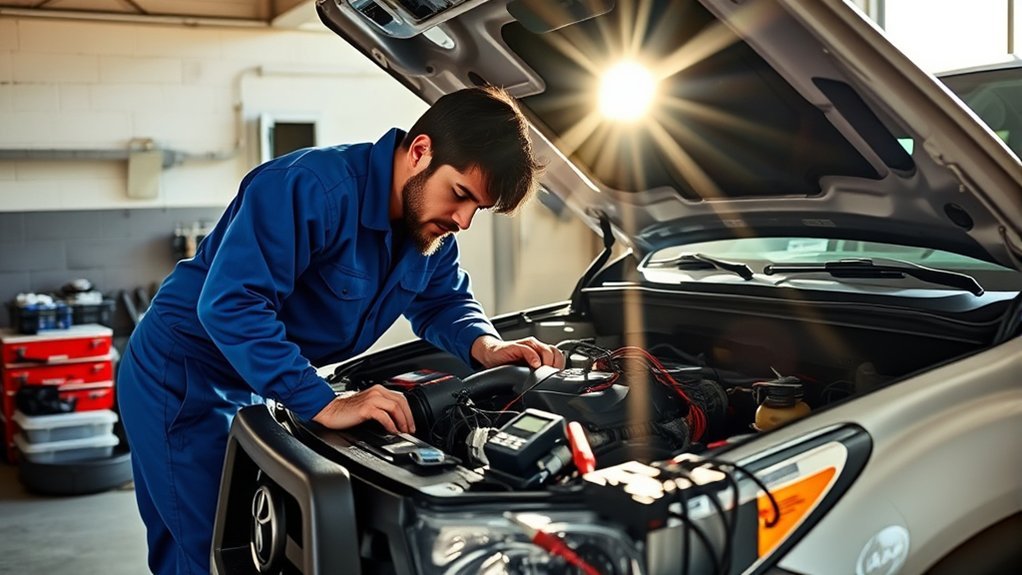
When your Toyota Hilux loses power, identifying exactly when the problem occurs is the first step toward an effective repair.
Does the engine hesitate when accelerating? Does it struggle only when climbing hills or towing? Does the problem disappear after restarting the vehicle?
These details help narrow the possible causes.
Identify the Symptoms First
Use the following table to identify which systems deserve attention. The symptoms suggest possible causes, but they do not confirm a diagnosis.
| Symptom | Possible Cause | First Check |
|---|---|---|
| Weak acceleration | Fuel restriction, boost leak, or air-intake problem | Fuel filter, air filter, and intake hoses |
| Sudden loss of power with warning light | Engine-management fault or reduced-power mode | Stored diagnostic trouble codes |
| Power loss uphill or while towing | Fuel-delivery or boost-control problem under load | Fuel-pressure and boost data |
| Black exhaust smoke | Poor combustion, restricted airflow, or boost problem | Air intake, boost hoses, and injector operation |
| Rough idle and hesitation | Injector, EGR, sensor, or fuel-system fault | Fault codes and engine live data |
| Engine revs rise without matching acceleration | Possible clutch slipping or transmission fault | Drivetrain inspection |
Step-by-Step Diagnostic Process
- Check dashboard warnings. Note the check engine light, fuel-filter warning, DPF message, temperature warning, or other alerts. Follow the instructions in your vehicle’s owner’s manual.
- Scan for diagnostic trouble codes. Use a compatible scanner that can read the relevant Toyota engine-control system. Record active and stored codes before clearing anything.
- Inspect the air filter. Check for excessive dirt, water contamination, or physical damage. Replace it if inspection shows that it is restricted or unserviceable.
- Check the fuel-filter condition. Review its service history and investigate any water or filter warning. Follow the correct replacement and priming procedure for your model.
- Inspect accessible intake hoses. Look for disconnected hoses, splits, loose clamps, and visible damage around the turbocharger and intercooler plumbing.
- Check engine oil and coolant levels. Perform these checks according to the owner’s manual, with the vehicle safely parked and the engine cooled as required.
- Review live diagnostic data. If the initial checks do not reveal the problem, a technician should compare requested and actual boost, fuel pressure, sensor readings, and relevant emissions-system data.
A diagnostic trouble code identifies a system or operating condition that needs investigation. It does not automatically prove that a particular component must be replaced.
Pro Tip: Record the engine temperature, vehicle speed, load, and driving conditions when the fault appears. If the problem is intermittent, these details and the scanner’s freeze-frame data can help a mechanic reproduce it.
Common Causes of Power Loss in Toyota Hilux
Several fuel, air, engine-management, and drivetrain problems can make a Toyota Hilux feel underpowered. The correct diagnosis depends on the vehicle’s engine, age, equipment, and symptoms.
1. Clogged Fuel Filter or Contaminated Diesel
A restricted fuel filter can limit the fuel reaching the engine, especially during acceleration or heavy-load driving.
Water or other contamination in diesel fuel can also damage fuel-system components.
Check the fuel-filter service history and look for dashboard warnings. If a water-in-fuel warning appears, follow the specific instructions in your owner’s manual rather than continuing to drive normally.
Some vehicles require prompt inspection because continuing to operate with water in the fuel system may damage the injection equipment.
Toyota’s Hilux owner’s manual library provides model-specific information, including applicable warning procedures.
2. Restricted Air Intake
A clogged air filter reduces the air available to the engine. This may affect combustion, acceleration, and fuel efficiency.
Inspect the air-filter element and housing for dirt, water, or debris.
Also check that the intake duct is properly connected and has not collapsed or become damaged.
3. Turbocharger or Boost Leak
A turbocharged Hilux needs adequate boost pressure to deliver normal performance under load.
Damaged intake hoses, loose clamps, leaking intercooler connections, or turbocharger-control faults can reduce boost.
A hissing sound during acceleration or a sudden drop in power may justify checking the intake plumbing.
However, not every low-boost condition means the turbocharger itself has failed.
4. Fuel Injector Problems
Diesel injectors must deliver fuel accurately for proper combustion.
Injector faults may cause rough running, unusual combustion noise, smoke, hard starting, or reduced power.
Professional testing can determine whether the injectors, fuel-pressure system, electrical connections, or another component is responsible.
5. EGR Valve Problems
The exhaust gas recirculation system helps manage emissions by controlling the return of exhaust gases to the intake system.
A sticking EGR valve or heavy carbon accumulation may affect airflow and engine operation.
Possible symptoms include hesitation, rough idle, warning lights, and reduced acceleration.
6. Diesel Particulate Filter Problems
Diesel Hilux models equipped with a diesel particulate filter use it to capture soot from the exhaust.
If regeneration cannot complete or a related sensor or system develops a fault, the vehicle may display warnings and experience reduced performance.
Follow the regeneration instructions for your exact vehicle. Do not assume that every diesel Hilux has the same DPF equipment or operating procedure.
7. Sensor or Electrical Problems
The engine-control system relies on information from components such as the mass airflow sensor, manifold pressure sensor, and other engine sensors.
Incorrect readings, wiring damage, or connector faults may affect fuel delivery and boost control.
Inspect obvious connector damage, but use live data and proper test procedures before replacing sensors.
Diagnosing Power Loss: Tools and Techniques
A systematic approach makes troubleshooting more effective and reduces unnecessary repair costs.
Start with visual checks and diagnostic codes. Move to more advanced tests only when the symptoms or test results justify them.
| Tool or Technique | Purpose | Important Notes |
|---|---|---|
| Compatible OBD-II scanner | Read diagnostic trouble codes | Manufacturer-specific codes and live data may require enhanced Toyota-compatible equipment. |
| Fuel-system inspection | Identify filter restriction or contamination | Do not open high-pressure fuel lines. |
| Air-intake inspection | Identify blocked filters and damaged hoses | Check accessible components with the engine off. |
| Multimeter testing | Check selected electrical circuits | Use vehicle-specific wiring diagrams and specified test procedures. |
| Boost and fuel-pressure data | Compare commanded and actual operating conditions | Best performed by a qualified technician with suitable diagnostic equipment. |
What Is Limp Mode on a Toyota Hilux?
Limp mode, also called reduced-power mode, is a protective operating condition that may limit engine output when the control system detects certain faults.
You may notice reduced acceleration, restricted engine speed, a warning light, or a vehicle that struggles under load.
In some cases, the symptom may temporarily disappear after the engine is restarted. That does not mean the underlying fault has been repaired.
Record the diagnostic codes and arrange an inspection. Avoid repeatedly pushing the engine under heavy load to reproduce the fault.
Troubleshooting Diesel Injector Problems
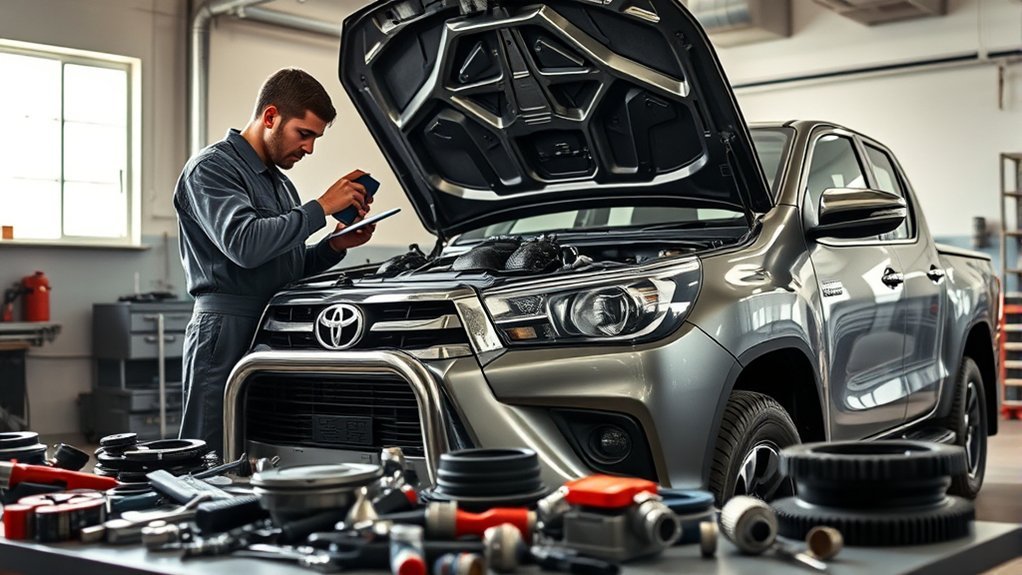
Diesel injectors play a major role in Toyota Hilux engine performance. Problems with fuel delivery or injector operation can reduce output and affect fuel efficiency.
Possible warning signs include:
- Rough idle or uneven engine operation.
- Unusual combustion noise or rattling.
- Hard starting, especially when cold.
- Excessive exhaust smoke.
- Reduced acceleration or increased fuel consumption.
These symptoms can have several causes, so injector replacement should not be the first step.
How to Check Diesel Injectors
- Read stored diagnostic trouble codes.
- Check the fuel-filter condition and service history.
- Review fuel-pressure readings and relevant injector data using suitable diagnostic equipment.
- Inspect for external leakage or obvious damage without disturbing high-pressure connections.
- Have a diesel specialist perform appropriate injector testing if the evidence points to an injector problem.
Professional tests may include injector return-flow measurements or controlled bench testing, depending on the injection system.
Bosch describes specialized common-rail injector testing and repair equipment in its diesel diagnostic equipment information.
Injector Seals and Oil Pick-Up Problems
On some older diesel engines, leaking injector sealing components can allow combustion gases to escape around an injector.
This may contribute to carbon contamination and, in serious cases, deposits that affect the engine’s oil pick-up.
Unusual cold-start rattling, smoke, or suspected oil contamination should be investigated promptly.
If injector seal leakage is suspected, a qualified mechanic should inspect the injector sealing arrangement and assess whether further oil-system inspection is necessary.
Warning: Do not assume that all Hilux injector seals require replacement every 40,000 km or that all injectors must be replaced every 100,000 km. Use the maintenance schedule and repair information for the specific engine. Injector testing, removal, and installation should follow the correct service procedure.
How to Fix Turbocharger Malfunctions
A faulty turbocharger or boost-control system can cause a noticeable drop in power, especially when accelerating or climbing hills.
Other possible symptoms include unusual whistling, increased exhaust smoke, or a check engine light.
Before replacing the turbocharger, inspect the surrounding system.
- Check intake hoses: Look for splits, loose connections, damaged clamps, and disconnected intercooler piping.
- Inspect accessible components: Check for obvious damage or external oil leakage.
- Review diagnostic codes: Use the exact code definition and testing procedure for your engine.
- Compare boost readings: A mechanic can compare requested and actual boost pressure under suitable conditions.
- Test the actuator and control system: Inspect the relevant wiring, control components, and variable-vane mechanism where fitted.
- Check lubrication concerns: Confirm that oil level and condition are correct, and investigate signs of oil-supply or drainage problems.
What Does a Hilux P1251 Fault Code Mean?
P1251 may be associated with a turbocharger boost-control problem on certain Toyota diesel engine configurations.
The exact interpretation and diagnostic procedure depend on the engine and control system.
Possible areas requiring investigation include the variable-vane mechanism, actuator, boost-control system, intake or exhaust restriction, and related sensor readings.
Replacing the stepper motor or turbo actuator without testing can waste money and leave the original fault unresolved.
Pro Tip: If your Hilux loses power only during heavy acceleration, ask the workshop to record requested and actual boost pressure during an appropriate diagnostic test. This may help separate boost-control problems from fuel-delivery faults.
How EGR Valve Issues Affect Power Loss
The EGR valve forms part of the engine’s emissions-control system.
Over time, carbon deposits or a mechanical or electrical fault may prevent the valve from operating correctly.
Possible symptoms include:
- Rough idling.
- Hesitation during acceleration.
- Reduced engine performance.
- Check engine light or relevant fault codes.
- Abnormal airflow readings.
However, these symptoms can overlap with intake, injector, turbocharger, and sensor problems.
How to Check an EGR Problem
Start with diagnostic trouble codes and live engine data.
A technician can check whether the commanded and actual EGR operation is consistent with the manufacturer’s specifications.
If inspection confirms heavy deposits or a sticking mechanism, cleaning or component replacement may be appropriate.
Cleaning should follow the correct service procedure. Electrical actuators and sensors can be damaged by unsuitable chemicals or careless handling.
An oil separator or other intake modification should not be treated as a routine EGR repair. Confirm compatibility, emissions compliance, and manufacturer requirements before considering any modification.
Do not remove or disable the EGR system as a shortcut to resolving a fault.
Can a Blocked DPF Cause Toyota Hilux Power Loss?
Yes. On diesel Hilux models equipped with a diesel particulate filter, excessive soot accumulation or a malfunction in the regeneration system may contribute to reduced performance.
The DPF captures soot from the exhaust and periodically regenerates to reduce accumulated deposits.
Repeated short trips and interrupted regeneration can make normal operation more difficult.
Toyota explains the process in its official DPF regeneration guide.
Signs of a DPF Problem
- DPF warning light or dashboard message.
- Reduced engine performance.
- Repeated or unsuccessful regeneration attempts.
- Unusual exhaust behaviour.
- Related diagnostic trouble codes.
Some changes in idle speed, exhaust temperature, or operating sound can occur during normal regeneration. A warning light or repeated failed regeneration needs further attention.
What to Do When the DPF Warning Appears
- Read the exact dashboard message.
- Check the owner’s manual for the required response.
- If the manual permits driving regeneration, follow its prescribed operating conditions.
- If a manual regeneration switch is fitted, use it only according to the vehicle’s instructions.
- If the warning persists, escalates, or the vehicle enters reduced-power mode, arrange professional diagnosis.
Do not attempt repeated forced regeneration when the vehicle is overheating, displaying other serious warnings, or suffering from an unresolved engine fault.
Regeneration can produce very high exhaust temperatures. Keep the vehicle away from dry grass, combustible materials, and enclosed spaces during any prescribed stationary regeneration.
Are Some Hilux Models Affected by Known DPF Problems?
Some Australian Toyota Hilux, Prado, and Fortuner vehicles with 1GD-FTV or 2GD-FTV diesel engines were involved in proceedings concerning defective DPF systems.
The relevant acquisition period identified in the February 21, 2025 court notice was October 1, 2015, through April 23, 2020.
See the official Toyota Australia DPF notice for the defined vehicle group and further information.
This history does not mean that every Hilux has the same defect. Check the vehicle’s VIN, engine, market, service history, and applicable manufacturer information.
Other Reasons Your Hilux May Feel Underpowered
Not every power-loss complaint comes from the engine’s fuel, intake, or turbocharger system.
Petrol Engine Problems
Petrol-powered Hilux models may develop problems involving spark plugs, ignition coils, fuel delivery, or engine sensors.
Misfires and hesitation should be diagnosed using the correct petrol-engine procedures rather than applying diesel injector or DPF troubleshooting advice.
Clutch and Transmission Problems
If engine speed rises but road speed does not increase as expected, the engine may be producing power that is not reaching the wheels effectively.
A worn clutch on a manual-transmission Hilux may slip under acceleration.
Automatic-transmission faults can also affect acceleration and power delivery.
A qualified technician should inspect the drivetrain if the symptoms point toward power-transfer problems.
Overheating and Brake Drag
Cooling-system problems can lead to engine overheating and may affect normal vehicle operation.
Dragging brakes can also make a vehicle feel unusually slow or require more engine effort.
Investigate temperature warnings, coolant loss, abnormal wheel heat, or unusual braking behaviour instead of assuming the fuel system is responsible.
Why Regular Maintenance Matters for Your Hilux
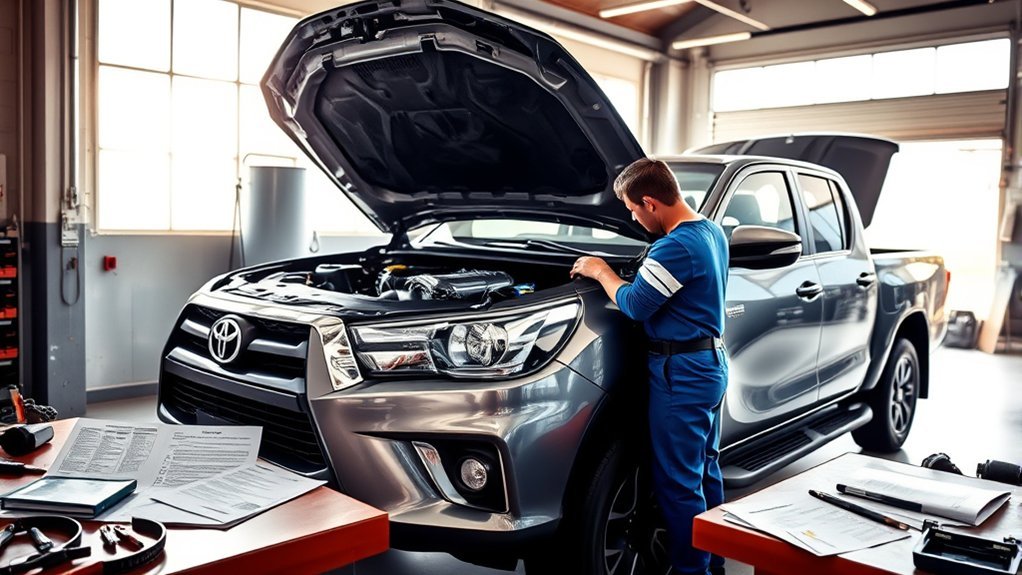
Regular maintenance helps identify developing problems before they result in significant power loss or costly repairs.
Focus on three important areas.
- Preventive care: Inspect the fuel filter, air filter, hoses, and fluid levels according to the vehicle’s maintenance requirements.
- Engine protection: Use the specified engine oil and replace the oil and filter at the required interval.
- System efficiency: Maintain the cooling system, transmission, and relevant emissions components.
Check the applicable service schedule rather than relying on a generic mileage interval.
Toyota’s official servicing information provides access to vehicle-specific service guidance.
Simple Maintenance Checklist
- Inspect the air-filter element and intake housing.
- Replace the fuel filter when required by the service schedule or relevant warning.
- Check engine oil and coolant levels.
- Inspect accessible intake and intercooler hoses.
- Investigate fuel contamination promptly.
- Address warning lights rather than repeatedly clearing fault codes.
- Follow the prescribed DPF operating instructions if the vehicle is equipped with one.
- Have unusual injector noise, smoke, or turbocharger behaviour checked.
Fuel additives are not a substitute for replacing a restricted filter or repairing a damaged component. Use only products appropriate for the engine and consistent with manufacturer guidance.
Community Experiences and Solutions for Power Loss
Toyota Hilux owners often discuss fuel-filter restrictions, injector issues, turbocharger faults, and warning lights when troubleshooting power loss.
These experiences can suggest useful inspection points, but one owner’s repair does not establish the cause of another vehicle’s problem.
Shared Repair Experiences
A reported owner repair involved a fuel-filter replacement after earlier checks did not identify the restriction.
The practical lesson is that a relatively simple fuel-delivery problem can produce symptoms that resemble a more expensive engine fault.
However, a filter replacement will only solve the problem if a restricted or contaminated filter is actually responsible.
When comparing owner experiences, pay attention to the engine type, production year, mileage, warning codes, and operating conditions.
Common Causes Identified
Frequently discussed areas include contaminated fuel, injector faults, boost-control problems, and carbon accumulation in the EGR system.
On equipped diesel models, DPF operation is another important consideration.
Clutch wear and transmission problems may also explain perceived power loss when the engine revs normally but the vehicle does not accelerate as expected.
Effective Fixes Discussed
Three practical approaches are worth considering:
- Check the fuel filter: Replace it when restricted, contaminated, or due under the appropriate service schedule.
- Use additives cautiously: A suitable manufacturer-approved product may form part of routine fuel care, but it cannot repair damaged injectors or other failed components.
- Perform proper diagnostics: Record fault codes and operating data before replacing expensive parts.
A repair should be followed by verification that the original symptoms are gone and that the relevant operating data are normal.
When to Seek Professional Help for Repairs
Basic checks are useful, but some Toyota Hilux power-loss problems require specialized tools and experience.
Arrange professional diagnosis if:
- The engine repeatedly enters reduced-power mode.
- The check engine light returns after a previous repair.
- Power loss continues after basic filter and intake inspections.
- The vehicle produces heavy smoke or unusual mechanical noise.
- A fuel-system or DPF warning remains active.
- A turbocharger, injector, or fuel-pressure fault is suspected.
- The engine overheats or shows an oil-pressure warning.
A qualified mechanic can inspect the relevant systems, review diagnostic data, and perform appropriate fuel-pressure, boost, electrical, and injector tests.
If high-pressure diesel injection components need repair, use a workshop equipped for that work.
Do not continue driving a severely underpowered vehicle simply because it can still move. Reduced acceleration can create a hazard when merging, overtaking, or climbing steep roads.
Frequently Asked Questions
Why Is My Toyota Hilux Losing Power When Accelerating?
Possible causes include a restricted fuel filter, air-intake blockage, leaking turbo hose, faulty injector, or boost-control problem. Start with diagnostic codes and basic fuel and air-system inspections. The correct repair depends on the confirmed fault.
What Is the Most Common Problem With the Toyota Hilux?
There is no single problem that can accurately be called the most common across every Hilux generation and engine. Fuel-system issues, cooling-system faults, turbocharger problems, and emissions-system faults are among the areas that may require attention. The vehicle’s age, engine, maintenance history, and symptoms matter more than a universal ranking.
What Are the Symptoms of Hilux Turbo Failure?
Possible symptoms include reduced acceleration, unusual turbocharger noise, excessive exhaust smoke, warning lights, and abnormal boost readings. A leaking intake hose or faulty boost-control component can produce similar symptoms, so the turbocharger should be tested before replacement.
What Is the Most Common Reason for Reduced Engine Power?
Reduced engine power has several possible causes, including restricted fuel supply, poor airflow, boost-control faults, engine-management problems, and emissions-system restrictions. The most likely cause for a particular vehicle depends on its symptoms and diagnostic results.
Why Does My Hilux Lose Power When Going Uphill?
Climbing hills increases engine load and can expose fuel-delivery restrictions, boost leaks, or turbocharger-control problems. A slipping clutch may also become more noticeable under load. Record any warning lights and have the relevant fuel, boost, and drivetrain systems checked.
Can I Keep Driving My Hilux in Limp Mode?
Move to a safe location and assess the warnings. Do not continue driving if there is overheating, low oil pressure, heavy smoke, a fuel leak, or serious mechanical noise. For other reduced-power faults, follow the owner’s manual and arrange prompt inspection. Avoid heavy acceleration, towing, and unnecessary journeys until the cause is known.
Conclusion
If your Toyota Hilux is losing power, begin with the warning lights, diagnostic codes, fuel-filter condition, and air-intake system. These checks can help identify straightforward problems before you move on to more expensive components.
Diesel injector, turbocharger, EGR, and DPF faults require a more targeted approach. Test the relevant system before replacing parts, and use the correct service information for your Hilux engine and model year.
Regular maintenance helps reduce avoidable problems, while prompt professional diagnosis is important when power loss persists or serious warning signs appear.
Sources
- Toyota — Official Hilux Owner’s Manuals — Model-specific operating information, maintenance instructions, and warning procedures.
- Toyota — Hilux Warning Messages — Guidance concerning fuel-filter water contamination, oil-pressure warnings, and DPF messages in the applicable 2026 Japanese-market model.
- Toyota UK — DPF Regeneration: Your Questions Answered — DPF operation, regeneration, and warning-light guidance.
- Toyota Australia — DPF Class Action Notice — Information about the defined group of affected diesel Hilux, Prado, and Fortuner vehicles.
- Toyota Australia — Genuine Car Servicing — Manufacturer service information and vehicle-specific maintenance resources.
- Bosch Mobility Aftermarket — Diagnostic Test Equipment — Professional common-rail injector and fuel-system testing information.







Leave a Reply