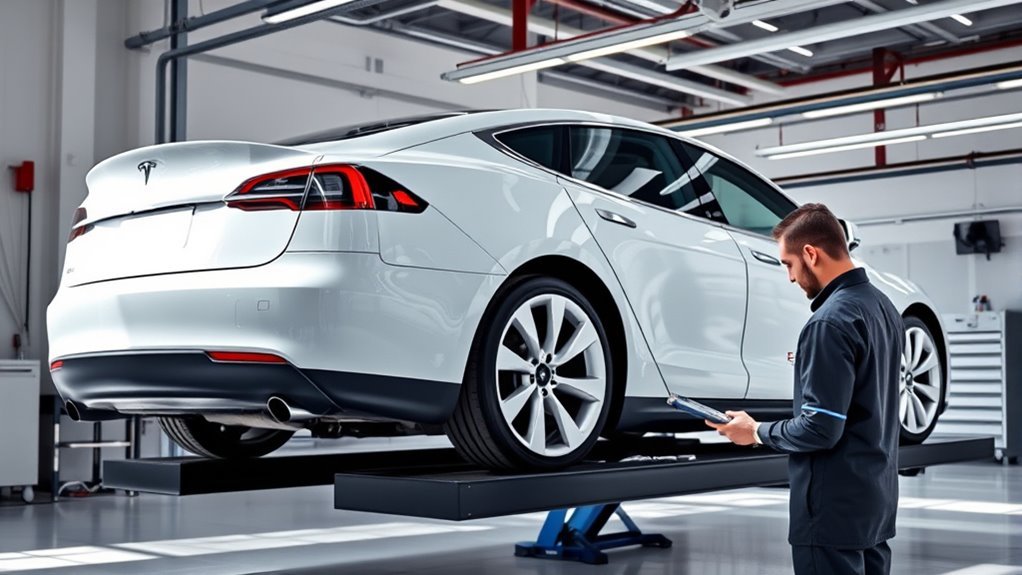
Teslas require less maintenance than traditional gas vehicles because they lack internal combustion engines. You don’t need oil changes, but you must still monitor tire pressure, replace cabin filters, and maintain battery health. These simple proactive steps ensure your vehicle remains safe and efficient for the long term.
Quick Answer
Teslas require periodic maintenance, including tire rotations every 6,250 miles, brake fluid checks every two years, and cabin air filter replacements. Owners should also monitor battery charge levels between 20% and 80% to preserve capacity. While routine service centers aren’t required as often as with gas cars, these manual checks are vital for vehicle longevity.
Key Takeaways
- Teslas eliminate oil changes and many fluid replacements found in gas-powered vehicles.
- Owners should check brake fluid every two years and replace cabin air filters every 2 to 3 years.
- Maintain battery health by keeping charges between 20% and 80% for daily use.
- Rotate tires every 6,250 miles to promote even tread wear and safety.
- Regular software updates and camera cleaning preserve vehicle functionality and safety systems.
Understanding Tesla’s Maintenance Philosophy
Owning a Tesla requires a different mindset than traditional vehicle ownership. Tesla focuses on minimal routine maintenance because the drivetrain contains far fewer moving parts than a gasoline engine.
You don’t need oil changes or timing belt replacements. However, you remain responsible for monitoring critical components like brake fluid, tire condition, and air filters. These small tasks keep your vehicle running smoothly.
Tesla also uses over-the-air software updates to improve vehicle features and fix bugs remotely. This approach keeps your car current without requiring a trip to a service center.
How to Monitor Battery Health
Your battery is the most expensive part of your Tesla. Following proper charging habits protects its capacity and helps it last longer.
Keep your battery charge between 20% and 80% for daily driving. This range reduces stress on the battery cells. You can track battery efficiency through the built-in energy app in your car’s touchscreen.
Regular Charging Practices
Charging habits influence the total lifespan of your battery. Avoid deep discharges, which drain the battery to near zero, as this harms the cells over time.
Limit charges to 100% only when you plan a long road trip. Leaving the battery at maximum capacity for long periods accelerates degradation.
Consult the energy app regularly to view your consumption patterns. Use this data to adjust your driving and charging habits for better efficiency.
Battery Monitoring Apps
Third-party apps provide deeper insights into your battery performance. Apps like Recurrent or Teslab track your usage patterns and charging history.
- Monitor your total charge cycles to estimate remaining capacity.
- Analyze how your daily charging habits impact long-term degradation.
- Receive alerts if your battery behavior deviates from recommended standards.
These tools act as a diagnostic layer to keep you informed. They allow you to catch issues before they turn into expensive repairs.
Optimal Charge Levels
Maintain your charge between 20% and 80% for optimal health. If your vehicle uses an LFP (Lithium Iron Phosphate) battery, check your manual, as Tesla may recommend charging these to 100% at least once a week.
Avoid letting the battery sit empty for long periods. If you plan to store the car, keep the charge level near 50% to prevent cell damage.
Essential Tesla Maintenance Tasks
Even without an engine, your Tesla has parts that wear down. Performing routine checks ensures your car remains safe to drive.
You should track your own service schedule since the car won’t provide automatic service reminders. Keep a log or use a calendar to track your maintenance intervals.
Routine Checks Overview
Create a simple checklist to manage your vehicle maintenance. Follow these intervals to keep your car in top condition:
- Every 2 years: Test brake fluid for contamination and replace the cabin air filter.
- Monthly: Inspect windshield washer fluid levels and check all tires for proper pressure.
- Every 6,250 miles: Rotate tires to ensure even wear across all four wheels.
Key Component Maintenance
Tires often wear faster on electric vehicles due to the high torque of the electric motor. Rotate them regularly to extend their lifespan.
Brake pads last longer because regenerative braking does most of the work. Still, inspect them during tire rotations to ensure they haven’t seized or rusted due to infrequent use.
Replace your cabin air filter every two years to maintain air quality. If you live in an area with high pollution or smoke, you may need to replace it more often.
The Importance of Regular Tire Inspections
Your tires support the weight of the battery pack and handle instant torque. This creates a unique wear pattern compared to traditional cars.
Check your tire pressure every month. Proper inflation improves range and handling. Use a handheld gauge or a portable inflator to keep tires at the recommended psi.
Inspect tread depth periodically. If the tread falls below 4/32 of an inch, replace the tires to maintain traction on wet roads. Always consult a tire professional if you notice uneven wear patterns.
Protecting Your Tesla’s Paint
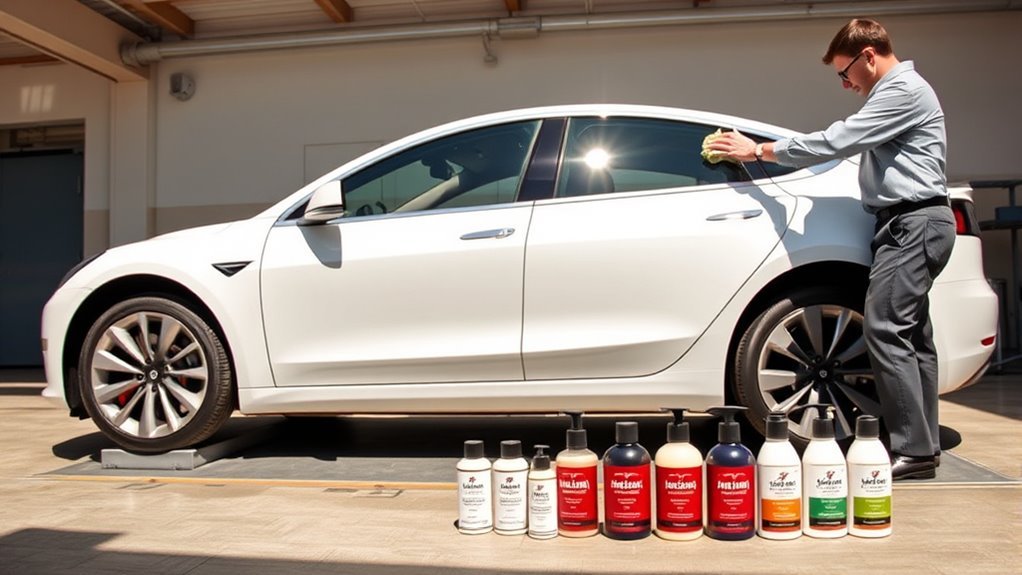
Tesla paint is often thinner than paint on other premium vehicles. This makes it prone to rock chips and scratches.
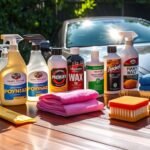
Remove bird droppings and bug splatters immediately. These substances contain acids that can etch the clear coat quickly. Use a quick detailer spray and a microfiber cloth for safe removal.
Consider adding a protective layer like a ceramic coating or paint protection film (PPF). These barriers shield the paint from UV rays and road debris.
Cabin Air and HEPA Filter Maintenance
Your cabin air filter blocks pollen, dust, and other contaminants from entering the interior. A clogged filter restricts airflow and can cause musty odors.
If your model includes a HEPA filter, it offers superior filtration for fine particles. Change this filter every three years for the best air quality.
You can purchase replacement filters online. Many owners choose to install them at home, though you can also request this service at a Tesla service center.
How to Clean Your Tesla’s Cameras and Sensors
Your vehicle relies on cameras and sensors for Autopilot and safety features. Obstructed lenses can cause these systems to disable or underperform.
Clean the cameras on your bumpers, pillars, and rear using a soft cloth and water. Avoid using harsh chemicals or abrasive brushes that could scratch the lenses.
In winter, ensure cameras remain free of ice and snow.
What You Need to Know About Software Updates
Software updates are a cornerstone of the Tesla experience. These updates add new features and fix performance issues over the air.
Connect your car to a reliable Wi-Fi network to download updates quickly. Ensure your car is parked and not in use during the installation process.
If you see a persistent error message after an update, perform a soft reset. Hold down both scroll wheels on the steering wheel until the screen turns black and the Tesla logo appears.
Tips for Extending Your Tesla’s Lifespan
Proactive care adds years to your car’s life. Follow these habits to get the most value from your investment:
- Maintain proper tire pressure to maximize efficiency.
- Keep the interior clean to prevent upholstery degradation.
- Avoid harsh cleaning agents on the vegan leather seats.
- Park in a garage during extreme heat or cold to protect the battery and paint.
Consistency is the secret to low-cost maintenance. Check your car once a month to avoid small issues becoming major problems.
Frequently Asked Questions
How Much Does Tesla Service Cost?
Costs depend on the service needed. Cabin filter kits cost about $50 to $100 depending on the model. Tires are a recurring expense, but you save money by skipping traditional engine service like oil, spark plugs, or transmission fluid changes.
Does a Tesla Car Need to Be Serviced?
Yes, your Tesla requires service. While it doesn’t need engine maintenance, you must rotate tires, check brakes, and replace filters to keep it roadworthy. Always consult a qualified professional if you notice mechanical issues.
Why Are People Getting Rid of Teslas?
Some owners transition away from Teslas due to concerns over long-term battery replacement costs or frustration with specific software bugs. Preferences often shift based on individual needs for range, space, or interior quality.
Do You Need Maintenance on a Tesla?
Yes. Although Teslas have fewer moving parts, you must still maintain tires, fluid levels, and filters. Routine maintenance ensures your car remains reliable and safe for your daily commute.
Conclusion
Maintaining your Tesla requires a focus on tires, battery health, and software. By staying consistent with these small tasks, you protect your vehicle’s value and performance. Set a recurring reminder to check your tires and air filters every few months. Your commitment to basic care will ensure years of reliable, enjoyable driving.



Leave a Reply