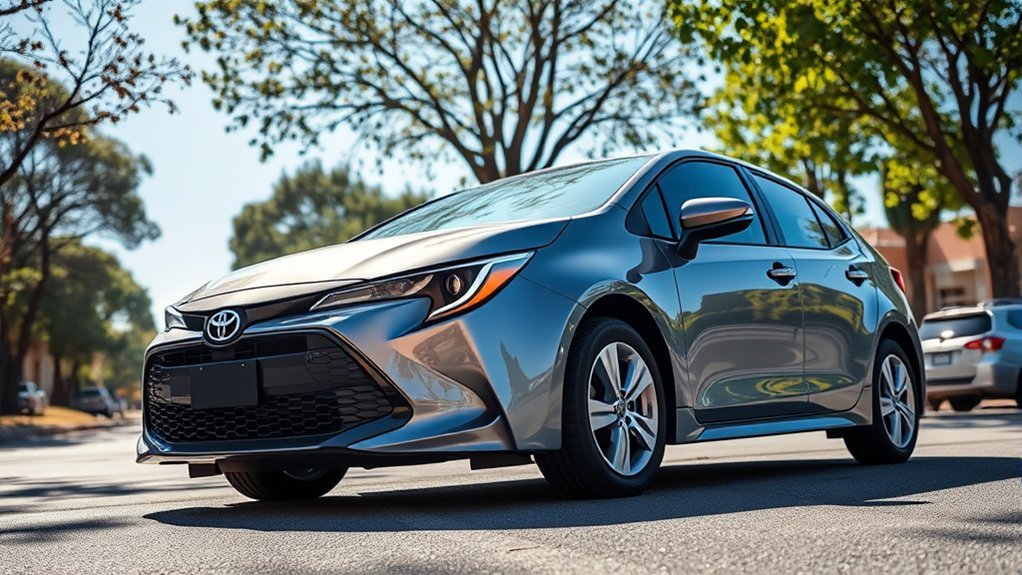
The Toyota Corolla is a compact car known for practical transportation, good fuel economy, and everyday usability. Although most people recognize it as a four-door sedan, the Corolla family also includes a hatchback and hybrid models. Toyota also sells the Corolla Cross, a separate compact SUV. Understanding these differences will help you choose the right vehicle for commuting, family trips, or carrying extra cargo.
Quick Answer
The Toyota Corolla is classified as a compact car. In the United States, the standard Corolla is a four-door sedan, while the Corolla Hatchback offers a rear liftgate and flexible cargo space. Gasoline and hybrid powertrains are available. The Corolla Cross is a separate compact SUV, not a sedan trim or a conventional Corolla hatchback.
Key Takeaways
- The regular Toyota Corolla is a compact sedan with four doors and seating for up to five people.
- The Corolla Hatchback is a compact five-door car with a rear liftgate and a more flexible cargo area.
- The Corolla Cross is a separate compact SUV with a taller body and higher ground clearance.
- The 2026 gasoline Corolla has a 169-hp 2.0-liter engine, while the hybrid uses a 1.8-liter gasoline-electric powertrain.
- Selected 2026 Corolla Hybrid trims achieve an EPA-estimated 50 MPG combined.
- Toyota Safety Sense 3.0 and wireless smartphone integration are standard on the 2026 US Corolla sedan.
What Type of Car Is the Toyota Corolla?
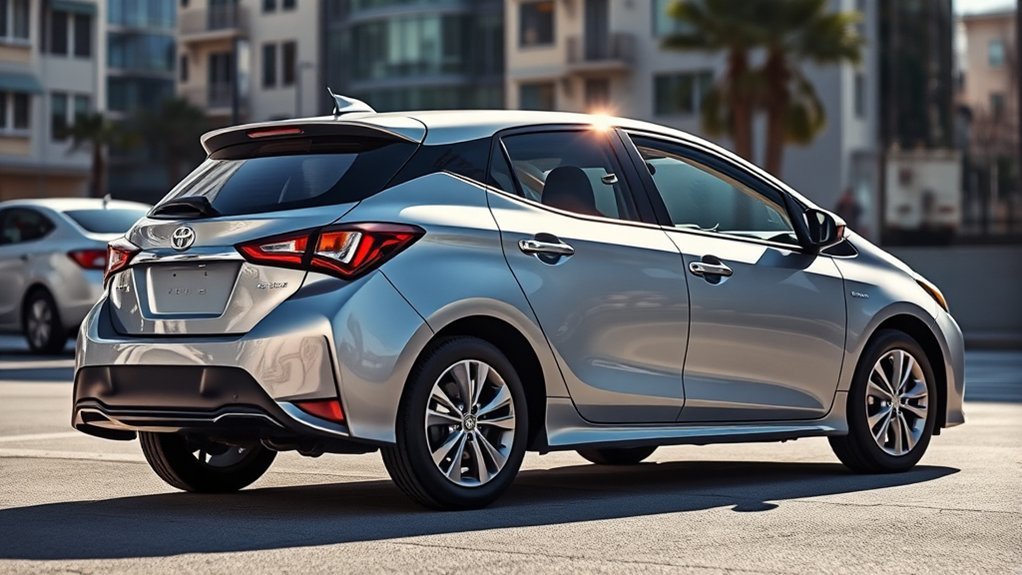
The Toyota Corolla is primarily a compact passenger car. The conventional sedan has four doors, a separate trunk, and seating for up to five people. It is designed for drivers who want an easy-to-manage vehicle without moving into the larger midsize sedan category.
However, the Corolla name covers more than one type of vehicle. Toyota offers several distinct models for different driving needs.
Corolla Sedan
The standard Corolla sedan has a traditional three-box shape, with separate engine, passenger, and trunk compartments. It is a practical choice for commuting, errands, and occasional family travel.
For the 2026 US model, Toyota offers gasoline and hybrid versions. The sedan provides approximately 13.1 cubic feet of trunk space and seating for five.
Corolla Hatchback
The Corolla Hatchback is also a compact passenger car, but its rear door lifts upward to provide access to the cargo area.
Its fold-down rear seats make it useful when carrying luggage, groceries, or longer items that would be awkward to load into a conventional sedan trunk.
The 2026 US Corolla Hatchback offers approximately 17.8 cubic feet of cargo space behind the rear seats, according to Toyota’s published vehicle comparison.
Corolla Cross SUV
The Corolla Cross is a separate compact crossover SUV. It shares the Corolla name but has a taller body, an elevated seating position, and an SUV-style rear cargo area.
According to Toyota’s Corolla Cross information, the vehicle offers 8.1 inches of ground clearance. This figure belongs to the SUV, not the regular Corolla sedan.
The Corolla Cross may appeal to drivers who prefer a higher seating position or want an SUV-style cargo layout.
The Corolla sedan, Corolla Hatchback, and Corolla Cross share a familiar name, but their body styles and cargo arrangements serve different everyday needs.
Toyota Corolla Sedan vs. Hatchback vs. Corolla Cross
The easiest way to understand the Corolla family is to compare the vehicles side by side.
| Feature | Corolla Sedan | Corolla Hatchback | Corolla Cross |
|---|---|---|---|
| Vehicle class | Compact car | Compact car | Compact SUV |
| Body style | Four-door sedan | Five-door hatchback | Crossover SUV |
| Seating | Up to five | Up to five | Up to five |
| Cargo arrangement | Separate trunk | Rear liftgate | SUV-style rear cargo area |
| Primary appeal | Daily commuting | Flexible cargo loading | Higher seating position and SUV versatility |
Note: The figures and equipment discussed below primarily reference US-market 2026 vehicles. Specifications, available engines, and trim names can differ in other countries and model years.
Top Features of the Toyota Corolla for Daily Driving
The Toyota Corolla combines manageable exterior dimensions with features that make commuting easier. Its main strengths include efficient powertrains, straightforward controls, smartphone connectivity, and standard driver-assistance equipment.
Gasoline and Hybrid Engine Options
The 2026 US Corolla sedan offers two main powertrain choices.
Gasoline Corolla: The 2.0-liter four-cylinder engine produces 169 horsepower and 151 lb-ft of torque. It uses Toyota’s Dynamic-Shift continuously variable transmission (CVT) and front-wheel drive.
Corolla Hybrid: The hybrid combines a 1.8-liter gasoline engine with an electric drive system. It produces 138 net combined horsepower and uses an electronically controlled continuously variable transmission (eCVT).
The hybrid is self-charging during normal operation through its gasoline engine and regenerative braking system. You do not need to plug it into an external charger.
Front-wheel drive is standard, while electronic on-demand all-wheel drive is available on selected hybrid grades.
Fuel Economy
Fuel efficiency is one of the Corolla’s main attractions. However, actual MPG depends on the engine, trim, drivetrain, driving conditions, and vehicle maintenance.
For example, the 2026 Corolla LE gasoline sedan has an EPA-estimated 35 MPG combined rating. The Hybrid LE with front-wheel drive achieves an estimated 50 MPG combined.
The Hybrid LE AWD is rated at approximately 48 MPG combined, while the Hybrid SE AWD is rated at 44 MPG combined.
These figures come from Toyota’s 2026 Corolla specifications.
The hybrid can be especially useful for stop-and-go commuting because its electric motor and regenerative braking system help reduce fuel consumption.
Interior Comfort and Technology
The Corolla seats up to five people, with a cabin suited to everyday driving. The front seats provide room for most adults, while rear-seat comfort depends on passenger height and the position of the front seats.
The 2026 US sedan includes a standard 8-inch Toyota Audio Multimedia touchscreen with wireless Apple CarPlay and Android Auto compatibility.
A larger 10.5-inch touchscreen is available on selected higher grades.
Depending on the trim, buyers can also find features such as:
- Automatic climate control.
- A digital instrument cluster.
- USB-C charging ports.
- Available heated front seats.
- Available wireless phone charging.
- Available premium audio equipment.
Check the equipment list for the specific trim rather than assuming every feature is included on every Corolla.
Toyota Safety Sense 3.0
The 2026 Corolla sedan comes standard with Toyota Safety Sense 3.0, a collection of driver-assistance technologies.
Its functions include:
- Pre-Collision System with Pedestrian Detection: Can warn the driver and provide automatic emergency braking under specified conditions.
- Full-Speed Range Dynamic Radar Cruise Control: Helps maintain a selected distance from the vehicle ahead.
- Lane Departure Alert with Steering Assist: Provides alerts and limited steering assistance when an unintended lane departure is detected.
- Lane Tracing Assist: Helps keep the vehicle centered within detected lane markings while compatible cruise-control functions are active.
- Automatic High Beams: Switches between high and low beams when system conditions are met.
- Road Sign Assist: Displays certain recognized road-sign information.
Blind Spot Monitor with Rear Cross-Traffic Alert also became standard across the 2026 US Corolla sedan lineup.
For detailed operating conditions, consult Toyota’s official Safety Sense information.
Warning: Driver-assistance systems cannot prevent every collision. Road markings, weather, lighting, sensor visibility, and other conditions can affect performance. Keep your attention on the road, maintain control of the vehicle, and follow the owner’s manual.
Corolla Size and Dimensions
Compact yet practical, the Corolla sedan is designed to fit into everyday parking spaces while providing useful passenger and trunk room.
The 2026 US Corolla sedan measures approximately:
- Length: 182.5 inches.
- Width: 70.1 inches, excluding mirrors.
- Height: 56.5 inches.
- Wheelbase: 106.3 inches.
- Trunk capacity: 13.1 cubic feet.
- Rear legroom: Approximately 34.8 inches.
These measurements make the Corolla manageable for city streets and parking lots, although its rear-seat legroom may feel limited for taller adults on long journeys.
Corolla Sedan vs. Hatchback Cargo Space
The sedan offers a separate trunk that works well for groceries, backpacks, luggage, and everyday equipment.
The hatchback provides a larger opening and a more flexible loading arrangement. The 2026 hatchback’s approximately 17.8 cubic feet of cargo space is measured behind the rear seats.
Folding the rear seats allows you to carry longer or bulkier items, but doing so reduces available passenger seating.
The hatchback is also shorter overall than the sedan. Toyota lists the 2026 hatchback at approximately 172 inches long, compared with the sedan’s approximately 182.5 inches.
This difference can be useful if you frequently park in tight spaces.
What About Corolla Cross Ground Clearance?
The Corolla Cross offers approximately 8.1 inches of ground clearance. Its taller SUV body also provides a higher seating position than the conventional Corolla sedan.
However, higher ground clearance does not make the Corolla Cross a dedicated off-road vehicle. Its capabilities still depend on the drivetrain, tires, terrain, and operating conditions.
Pro Tip: If you regularly carry a stroller, sports equipment, or bulky luggage, compare the actual cargo opening and rear-seat folding arrangement before choosing between the sedan, hatchback, and Corolla Cross. Cargo volume alone does not tell you whether a particular item will fit.
How Does the Toyota Corolla Compare to Other Compact Cars?
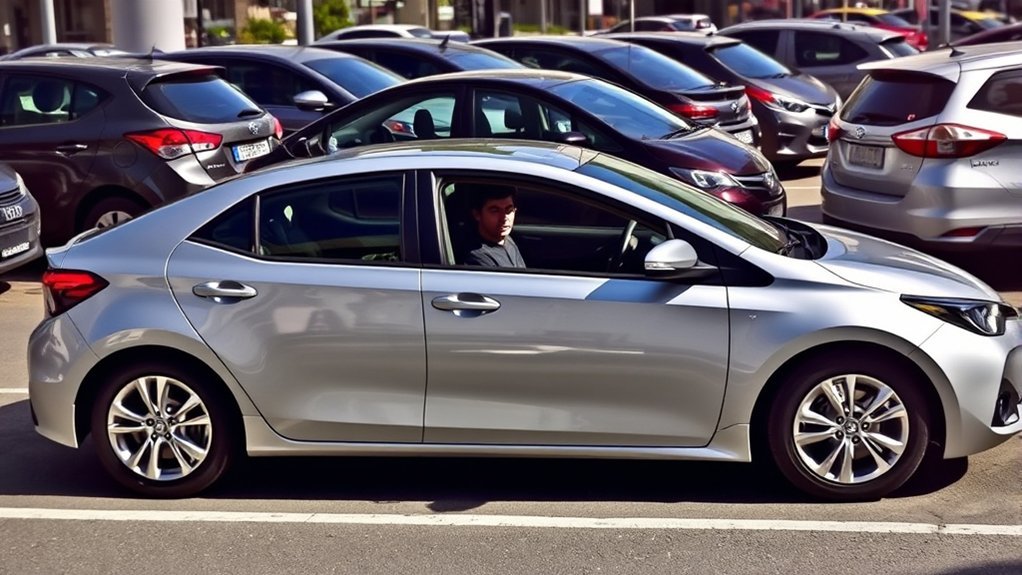
The Corolla competes with compact vehicles such as the Honda Civic, Hyundai Elantra, and Mazda3.
These vehicles share a similar role: providing manageable size, passenger seating, modern technology, and fuel-efficient transportation.
The Corolla’s strengths include its available hybrid powertrain, straightforward sedan layout, and standard Toyota Safety Sense 3.0 equipment.
However, some competitors offer more rear-seat room or a larger trunk.
For example, Toyota’s 2026 Corolla versus Honda Civic comparison lists 13.1 cubic feet of trunk space for the Corolla LE and 14.8 cubic feet for the Civic LX.
The same comparison lists approximately 34.8 inches of rear legroom for the Corolla LE and 37.4 inches for the Civic LX.
These differences are worth considering if you frequently carry adult passengers or need extra luggage space.
Fuel economy, purchase price, trim equipment, warranty coverage, and driving feel also deserve attention when comparing vehicles.
A test drive can help you judge seat comfort, visibility, cabin noise, and how the transmission responds during acceleration.
Why Choose the Toyota Corolla for Daily Commuting?
Choosing the Toyota Corolla for daily travel means getting a compact car designed around predictable handling, manageable dimensions, and efficient transportation.
Several features make it useful for common commuting needs:
- Fuel efficiency: The gasoline sedan delivers competitive fuel economy, while the hybrid can reduce fuel consumption further.
- Easy parking: Its compact dimensions make it practical for urban streets and many residential parking spaces.
- Passenger capacity: Seating for five allows occasional carpooling and family trips.
- Smartphone connectivity: Wireless Apple CarPlay and Android Auto help drivers access navigation, calls, and compatible apps.
- Driver assistance: Standard Toyota Safety Sense 3.0 provides additional support during compatible driving conditions.
- Available AWD: Selected hybrid trims provide additional traction assistance, although suitable tires remain essential for winter driving.
The best Corolla configuration depends on how and where you drive.
If you spend most of your time in stop-and-go traffic, the hybrid’s fuel economy may be particularly useful. If you prioritize straightforward transportation and a lower initial purchase price, a gasoline sedan may fit your needs.
The hatchback offers a different advantage: easier access to the cargo area.
Toyota Corolla Ownership and Maintenance
Reliability is a major part of the Corolla’s reputation, but every vehicle still requires regular maintenance.
Actual operating costs depend on the model year, mileage, driving habits, service history, location, and repair needs.
Basic Maintenance Considerations
Owners should follow the maintenance schedule for their exact vehicle and pay attention to:
- Engine oil and filter service.
- Tire pressure, rotation, and tread condition.
- Brake inspections and brake-fluid condition.
- Engine coolant and other required fluids.
- Battery condition.
- Cabin and engine air filters.
- Dashboard warning lights and unusual vehicle behavior.
Maintenance intervals differ between generations and operating conditions. Use the applicable Toyota Warranty and Maintenance Guide rather than relying on one schedule for every Corolla.
Warranty Coverage
For the 2026 US Corolla, Toyota provides a basic new-vehicle limited warranty of 36 months or 36,000 miles and powertrain coverage of 60 months or 60,000 miles, whichever comes first.
The 2026 Corolla Hybrid’s high-voltage battery has limited warranty coverage of 10 years or 150,000 miles, whichever comes first, subject to the applicable warranty terms.
Coverage may differ for older vehicles, other markets, and specific warranty components.
Check Safety Recalls Before Buying Used
If you are shopping for a used Corolla, review its maintenance records and arrange an independent inspection when appropriate.
Also check the vehicle identification number (VIN) for unrepaired safety recalls through the official NHTSA recall lookup.
The VIN is typically visible near the lower driver’s-side corner of the windshield and on vehicle registration documents.
A model-wide recall listing does not necessarily mean every vehicle from that model year is affected. VIN-specific information is more useful when checking an individual car.
What Is New for the 2027 Toyota Corolla?
Toyota announced the 2027 US Corolla on August 18, 2026, including a limited-production 60th Anniversary Special Edition.
The anniversary model is based on the SE Hybrid grade and includes distinctive wheels, badging, and other design details. Toyota stated that production would be limited to 2,500 units for the US market.
The conventional gasoline and hybrid configurations remain part of the Corolla lineup.
The 2027 Corolla Hybrid continues to use a 1.8-liter gasoline-electric powertrain producing 138 net combined horsepower, with available electronic on-demand all-wheel drive.
Toyota’s announced specifications include an estimated 50 MPG combined for selected front-wheel-drive hybrid grades.
For more information, see Toyota’s official 2027 Corolla announcement.
Because equipment and pricing can change between model years, compare the specifications for the exact year and trim you intend to purchase.
Frequently Asked Questions
Is a Toyota Corolla a Sedan or SUV?
The standard Toyota Corolla is a compact sedan. Toyota also offers a separate Corolla Hatchback. The Corolla Cross is the SUV model in the broader Corolla family, with a taller body and SUV-style cargo area.
What Category Is a Toyota Corolla?
The Toyota Corolla belongs to the compact passenger-car category. It is smaller than a typical midsize sedan and is designed for commuting, everyday transportation, and occasional family use.
What Is a Corolla Classified As?
The conventional Toyota Corolla is classified as a compact car. Its standard body style is a four-door sedan, while the Corolla Hatchback is a compact five-door passenger car.
What Is the Most Common Problem in Corolla?
There is no single verified problem that applies to every Corolla generation and model year. Reported issues vary with age, mileage, maintenance, and specific components. Before buying a used Corolla, check its service history, inspect its condition, and search its VIN for open safety recalls through NHTSA.
Is the Corolla Hatchback the Same as the Corolla Cross?
No. The Corolla Hatchback is a compact passenger car with a rear liftgate. The Corolla Cross is a separate compact SUV with a taller body, higher seating position, and different cargo arrangement.
Does the Toyota Corolla Hybrid Need to Be Plugged In?
No. The conventional Corolla Hybrid is not a plug-in hybrid. Its battery receives energy through the gasoline-electric powertrain and regenerative braking during normal driving.
Does the Toyota Corolla Come With All-Wheel Drive?
Selected Corolla Hybrid sedan grades offer electronic on-demand all-wheel drive. The conventional 2026 gasoline Corolla sedan uses front-wheel drive. Check the specific model-year and trim specifications for availability.
Is the Toyota Corolla a Good Family Car?
The Corolla can suit a small family’s daily transportation needs, with five seating positions and a practical trunk. However, rear-seat space is limited compared with some larger vehicles. Families using bulky child seats or carrying several passengers should test the actual fit before buying.
Conclusion
The Toyota Corolla is a compact car designed for practical daily transportation. The standard sedan combines manageable dimensions, seating for five, and useful trunk space, while the hatchback provides greater cargo flexibility.
Drivers seeking better fuel economy can consider the Corolla Hybrid, while those who prefer a taller vehicle and an SUV-style cargo area can explore the separate Corolla Cross.
Before choosing a Corolla, compare the exact model year, powertrain, drivetrain, passenger space, safety equipment, and cargo arrangement. These details matter more than the shared Corolla name when deciding which vehicle fits your daily routine.
Sources
- Toyota — 2026 Corolla — Official gasoline and hybrid lineup, fuel economy, technology, and equipment information.
- Toyota USA Newsroom — 2027 Corolla Announcement — August 18, 2026 announcement covering the newer model year and anniversary edition.
- Toyota — Corolla Hatchback Comparison — Hatchback dimensions, cargo capacity, and vehicle specifications.
- Toyota — Corolla Cross — Official SUV classification, ground clearance, and versatility information.
- Toyota — Corolla vs. Honda Civic — Comparative sedan dimensions, passenger measurements, and trunk capacity.
- National Highway Traffic Safety Administration — Recall Lookup — Official VIN-based vehicle safety recall information.





Leave a Reply