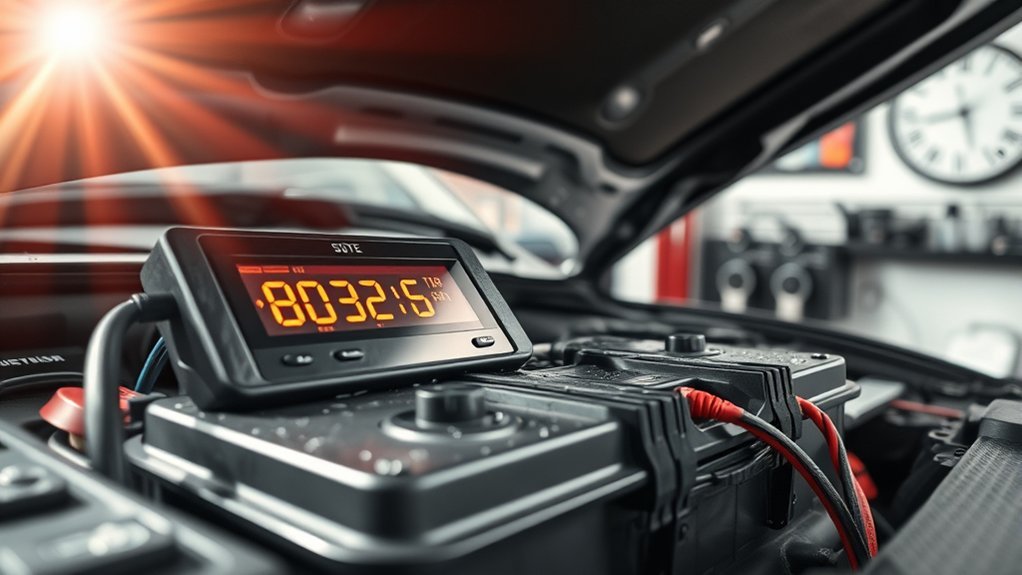
Charging a car battery typically takes between two and 48 hours. The exact time depends on the battery capacity, the current state of charge, and the amperage of your charger.
Quick Answer
A standard 10-amp charger usually restores a dead battery in four to eight hours. Trickle chargers take up to two days, while fast chargers can finish the job in as little as two hours. Always monitor your battery voltage to avoid overcharging.
Key Takeaways
- Trickle chargers (2 amps) take 24 to 48 hours for a full charge.
- Standard chargers (10 amps) restore a battery in four to eight hours.
- Fast chargers (20 amps or more) complete the process in two to four hours.
- Driving at highway speeds for 30 minutes restores about 75% of a battery charge.
- A fully charged lead-acid battery measures between 12.6 and 12.8 volts.
Factors That Influence Charging Speed
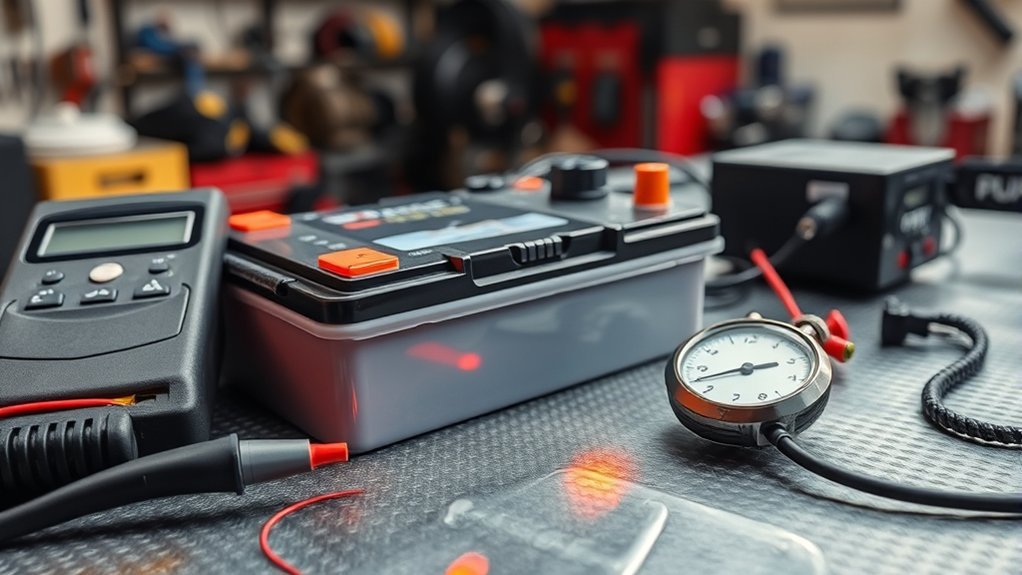
Several variables determine how long your battery needs to reach full capacity. Understanding these helps you manage expectations and avoid potential damage.
Battery chemistry plays a major role. Lead-acid batteries require different charging profiles than modern lithium-ion versions. Total capacity also matters, as a larger battery requires more energy input to reach a full state of charge.
Your charger amperage acts as the primary driver of speed. High-amperage chargers force energy into the cells faster, but they require careful monitoring to prevent overheating. Environmental temperature also affects efficiency, as extreme cold slows chemical reactions within the battery.
Charging a Dead Car Battery
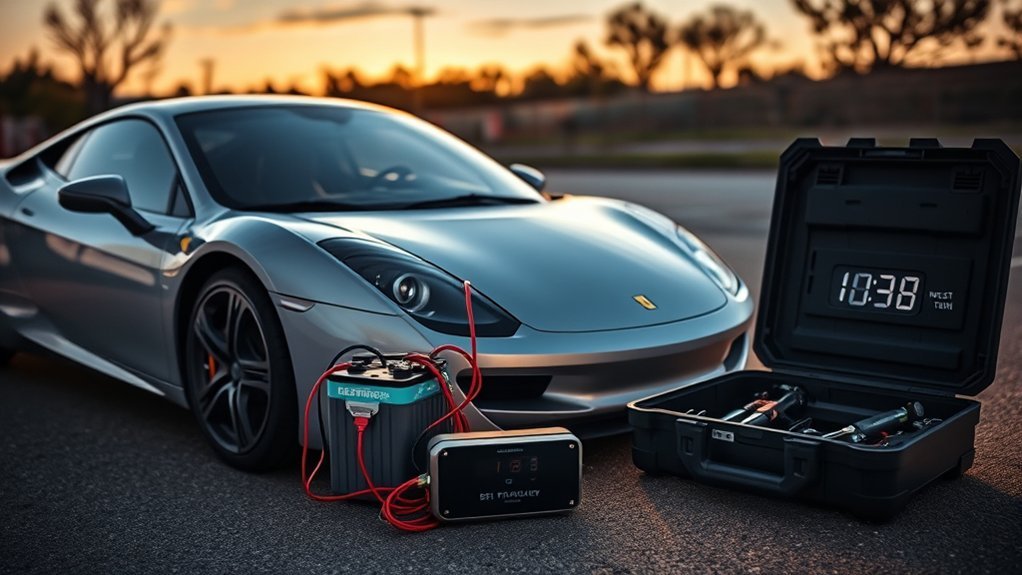
Restoring a dead battery requires patience and the right equipment. Using a low-amperage trickle charger is the safest method for long-term health, while faster chargers provide convenience when you need the car quickly.
Monitor your voltage throughout the process. A healthy, fully charged battery shows 12.6 to 12.8 volts. If your charger lacks an automatic shut-off feature, disconnect it once the battery reaches this range to prevent overheating.
If you jump-start your vehicle, remember that the alternator only provides a partial charge. You must drive for at least 30 minutes to replenish the battery significantly. Always consult your vehicle manual before using high-amperage equipment.
How Driving Recharges Your Battery

Your vehicle alternator acts as a generator while the engine runs. It converts mechanical energy into electricity to keep the battery topped off during operation.
Driving at highway speeds allows the alternator to operate at peak efficiency. Higher engine RPMs generate more consistent power compared to the stop-and-go pattern of city driving. Minimize your electrical load during this time by turning off accessories like air conditioning or heated seats to ensure all available power goes to the battery.
Impact of Driving Duration
Short trips often fail to replenish the power used during the initial engine start. You need at least 30 minutes of continuous driving to see meaningful progress in battery state of charge.
City driving requires much longer periods because frequent idling limits the alternator output. If you only take short drives, your battery may eventually fail to hold a charge. Consistent, longer trips are better for long-term battery health.
Optimizing Alternator Charging
The alternator performs best when engine speeds remain above 1,000 RPM. You can maximize this efficiency by following these simple steps:
- Drive at steady highway speeds for at least 30 minutes.
- Turn off non-essential electrical systems to reduce power demand.
- Avoid excessive idling, which provides almost no charge to the system.
- Check your serpentine belt occasionally, as a loose belt reduces alternator output.
Signs of a Fully Charged Battery
You can determine if your battery is ready by checking voltage levels and observing vehicle performance. A healthy battery provides reliable power to all electrical components without hesitation.
Using a Multimeter
A digital multimeter provides the most accurate reading of your battery status. Connect the red lead to the positive terminal and the black lead to the negative terminal while the engine is off.
A reading between 12.6 and 12.8 volts indicates a full charge. If the display shows less than 12.4 volts, the battery needs more time on the charger. If the reading drops below 12.0 volts, the battery might be damaged or nearing the end of its life.
Indicators and Performance
Many modern smart chargers feature indicator lights that turn green when the charging cycle finishes. If you do not have a smart charger, look for physical signs of a healthy battery.
Bright headlights, a strong horn, and a quick engine crank speed all suggest a healthy charge. If the car starts slowly or lights seem dim, the battery likely lacks enough power for reliable operation.
Safe Charging Practices
Protecting your investment starts with using the correct charging equipment. Smart chargers automatically adjust the current to match the needs of your battery, which prevents common issues like overcharging or thermal runaway.
Always charge your battery in a well-ventilated area to dissipate any gases produced during the chemical process. Keep the battery away from open flames or sparks. If the battery case feels hot to the touch, disconnect the charger immediately and let the unit cool down.
Frequently Asked Questions
Can extreme temperatures change charge times?
Yes. Cold weather increases internal resistance, which slows down the chemical process of charging. High temperatures can cause the electrolyte to evaporate or damage the battery plates. Ideally, charge your battery in a temperature-controlled environment.
Is it safe to charge overnight?
You can safely charge a battery overnight if you use a modern smart charger. These devices monitor the voltage and enter a maintenance mode once the battery reaches full capacity. Avoid leaving standard or manual chargers connected for long periods without supervision.
How often should I charge my battery?
If you drive your car daily, the alternator keeps the battery charged. If the vehicle sits for more than a week, connect a trickle charger periodically to prevent discharge. This practice significantly extends the total lifespan of the battery.
What happens if I overcharge the battery?
Overcharging causes excessive heat, which leads to fluid loss, internal plate damage, or case swelling. This reduces the capacity and can lead to sudden battery failure. Always use a charger with an automatic voltage cutoff to prevent this risk.
Should I jump-start while the charger is connected?
Never attempt to jump-start your vehicle while the charger is still connected to the terminals. This can cause a dangerous voltage spike that may damage both the charger and the car electrical system. Disconnect the charger fully before starting the engine.
Final Thoughts
Maintaining your car battery ensures your vehicle starts reliably whenever you need it. By choosing the right charger and monitoring voltage levels, you protect your battery from premature failure. Follow these guidelines to keep your electrical system in peak condition for years to come.







Leave a Reply