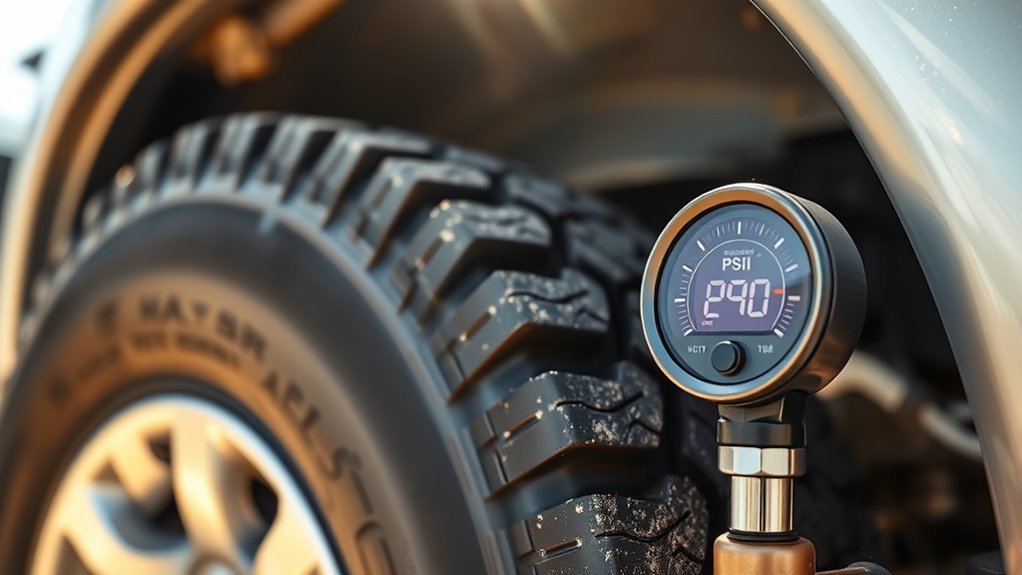
Driving a Toyota Hilux with the wrong tyre pressure ruins your fuel economy and puts your safety at risk. Many drivers fail to realize how quickly underinflated tyres wear out or how they compromise grip on wet roads. Check your tyre pressure today to protect your wallet and improve your daily drive.
Quick Answer
The standard recommended tyre pressure for an empty Toyota Hilux is 32 PSI (220 kPa). If you are carrying a full load or towing heavy equipment, increase your rear tyre pressure to between 36 and 40 PSI to maintain stability and prevent tyre damage.
Why Toyota Hilux Tyre Pressure Matters
Maintaining the correct tyre pressure ensures your Toyota Hilux handles properly and uses less fuel. The factory recommends 32 PSI for normal driving conditions. This baseline pressure gives you the best mix of ride comfort, traction, and tyre lifespan.
Proper inflation prevents uneven tread wear and saves you money on early replacements. Underinflated tyres create more rolling resistance on the road. This resistance forces your engine to work harder and burn more fuel.
Check your tyre pressure every two weeks or at least once a month. You will find the exact tyre pressure information in your owner’s manual. Toyota also places a handy sticker inside the driver door frame for quick reference.
How to Check Your Hilux Tyre Pressure
Accurate readings require the right timing and the right tools. Always use a reliable digital or analogue pressure gauge. Measure your tyres before you drive anywhere for the day. Driving heats up the rubber and expands the air inside, which gives you a false high reading.
Locate the valve stem on your wheel and remove the plastic cap. Press the gauge firmly against the valve stem to get a clear reading. Compare this number to the 32 PSI recommended on your tyre placard.
If the gauge reads below 32 PSI, add air until you reach the target. If the reading is too high, press the small pin inside the valve to release excess air. Check all four tyres and your spare tyre to ensure complete readiness.
How Tyre Pressure Impacts Safety and Fuel Economy
Maintaining the correct tyre pressure directly improves your safety on the road. Properly inflated tyres maximize the surface area touching the pavement. This optimal grip helps your Hilux stop quickly during emergency braking situations.
Underinflated tyres waste your money at the fuel pump. According to the US Department of Energy, you lose about 0.2% of your fuel efficiency for every 1 PSI drop in pressure across your four tyres. This small loss adds up quickly over thousands of miles.
Proper pressure also prevents sidewall flexing. Excessive flexing generates dangerous heat inside the tyre. This heat buildup drastically increases your risk of a sudden blowout on the highway.
Adjusting Tyre Pressure for Heavy Loads
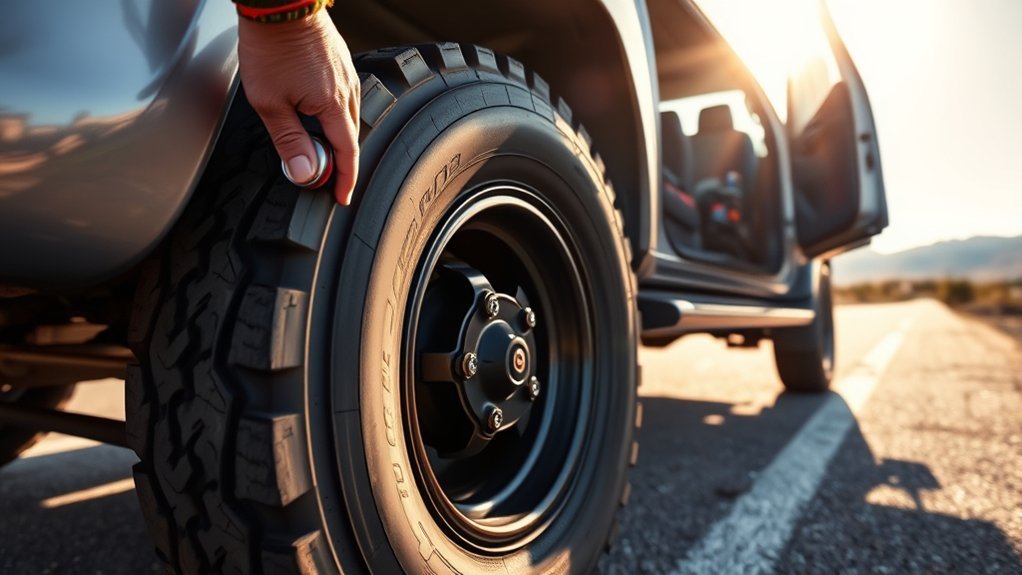
The Toyota Hilux is a workhorse built for hauling heavy loads. You must adjust your tyre pressure to safely support extra weight in the tray or when towing a trailer. Extra weight compresses the rear tyres and changes how the vehicle steers.
Follow these standard pressure guidelines based on your cargo:
- Drive with an empty load: Keep all tyres between 30 and 32 PSI for daily commuting.
- Carry a full load: Increase rear tyre pressure to 36 to 40 PSI to support heavy tools or cargo.
- Check after unloading: Always reduce the pressure back to 32 PSI after you remove the heavy load to restore ride comfort.
Best Tyre Pressures for Off-Roading
Taking your Hilux off-road requires a completely different approach to tyre pressure. Lowering your tyre pressure increases the tyre footprint and greatly improves traction on loose surfaces. This technique also softens the ride over rocky terrain.
For rough dirt and gravel roads, lowering your pressure to 25 PSI reduces the risk of sharp rocks puncturing the tread. If you drive on soft sand or deep mud, you can drop the pressure down to 16 to 20 PSI to stay on top of the surface.
Always carry a portable air compressor when driving off-road. You must inflate your tyres back to 32 PSI before returning to paved roads at highway speeds. Always consult a qualified off-road instructor before attempting extreme trails.
Signs Your Hilux Needs New Tyres
Even with perfect air pressure, your tyres will eventually wear out. Inspect your tyre tread every time you check your air pressure. The legal minimum tread depth is 1.6mm, but most experts recommend replacing tyres when they reach 3mm for optimal wet weather grip.
Look closely at the wear patterns on the rubber. Heavy wear on both outside edges indicates chronic underinflation. Wear strictly down the centre means you have been driving with overinflated tyres.
Inspect the sidewalls for deep cuts, cracks, or bulging rubber. A bulge means the internal structure of the tyre has failed. You must replace a bulging tyre immediately to avoid a dangerous blowout.
Common Tyre Pressure Mistakes to Avoid
Many drivers make simple mistakes that ruin their tyres and compromise vehicle handling. Avoid these common errors to protect your Hilux and extend the life of your rubber.
- Measure tyres after driving: Never measure pressure after driving long distances. Heat inflates the reading and causes you to let too much air out.
- Ignore the load capacity: Never haul a full tray of gravel or tow a boat on standard 32 PSI. Always inflate the rear tyres to match the heavy load.
- Guess the correct pressure: Never assume the pressure written on the tyre sidewall is the correct target. That number is the maximum safe pressure, not the recommended driving pressure.
When to Monitor Your Tyre Pressure
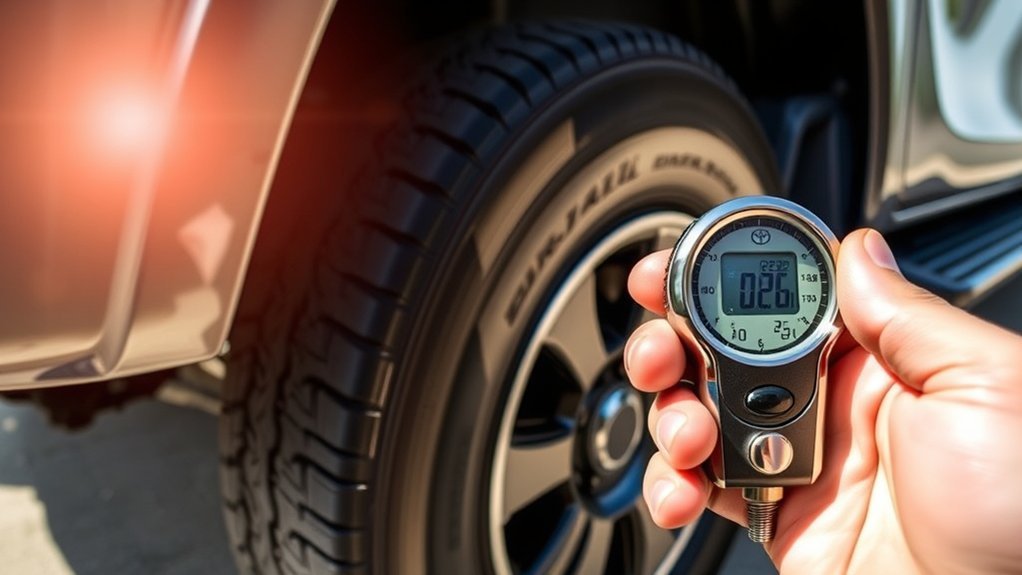
Make checking your tyre pressure a regular part of your vehicle maintenance routine. Inspect your tyres every two weeks and always before a long road trip. Changes in outdoor temperature will naturally drop or raise your tyre pressure.
Modern Hilux models feature a built-in Tyre Pressure Monitoring System (TPMS). This system triggers a dashboard light if any tyre drops significantly below the recommended limit. Do not rely solely on this light, as it usually only warns you when the tyre is already dangerously low.
Keep a high-quality pressure gauge in your glovebox for manual checks. Catching a slow leak early saves you from changing a flat tyre on the side of a busy highway.
Frequently Asked Questions
What Is the Best Tyre Pressure for a Toyota Hilux?
The best tyre pressure for an empty Toyota Hilux is 32 PSI (220 kPa). You should increase this to 36 to 40 PSI when carrying heavy loads or towing. Always check your door placard for specific recommendations based on your exact tyre size.
Is 40 PSI Good Tyre Pressure for a Toyota?
Using 40 PSI is excellent when you carry heavy loads in the tray or tow a trailer. For normal daily driving with an empty vehicle, 40 PSI is too high. Overinflation causes a harsh ride and excessive wear on the centre of the tyre tread.
Is 40 PSI Too High for 4WD Off-Roading?
Yes, 40 PSI is too high for off-road driving. High pressure reduces traction on loose dirt and increases the chance of sharp rocks puncturing the tyre. Drop your pressure to 25 PSI for gravel and 16 to 20 PSI for soft sand.
What PSI Can You Safely Drive On?
You can safely drive your Hilux on paved roads at 32 PSI. This standard pressure provides optimal grip, safe braking distances, and excellent fuel economy. Driving on paved roads with pressure below 28 PSI increases blowout risks.
Conclusion
Maintaining the right tyre pressure for your Toyota Hilux guarantees better fuel economy and a safer driving experience. Check your tyres every two weeks with a reliable gauge to catch slow leaks and prevent uneven wear. Always adjust your pressure to handle heavy loads or off-road trails. Take five minutes this weekend to verify your tyre pressure and protect your vehicle.







Leave a Reply