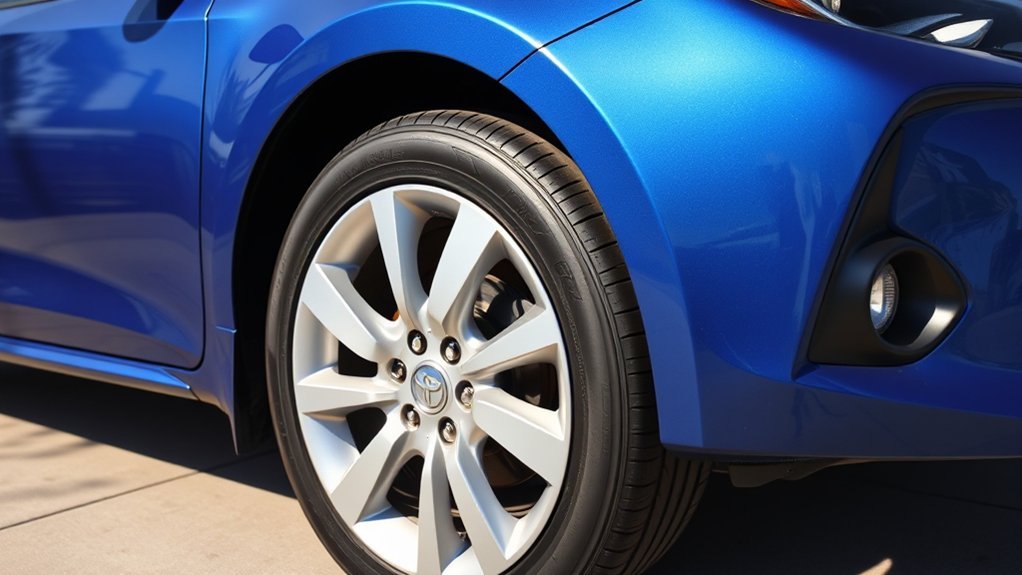
Ignoring a low tire pressure warning can cost you money at the gas pump and wear out your tires fast. The Toyota Corolla Hybrid relies on exact tire pressure to hit its peak fuel economy. Read on to find the exact tire pressure specifications for your vehicle and learn how to check them properly.
Quick Answer
The recommended tire pressure for a Toyota Corolla Hybrid ranges from 33 to 38 PSI for the front tires and 30 to 36 PSI for the rear tires. The exact number depends on your trim level and wheel size. Always check the sticker inside your driver’s side door jamb for the accurate specifications for your specific vehicle.
Why Proper Tire Pressure Matters
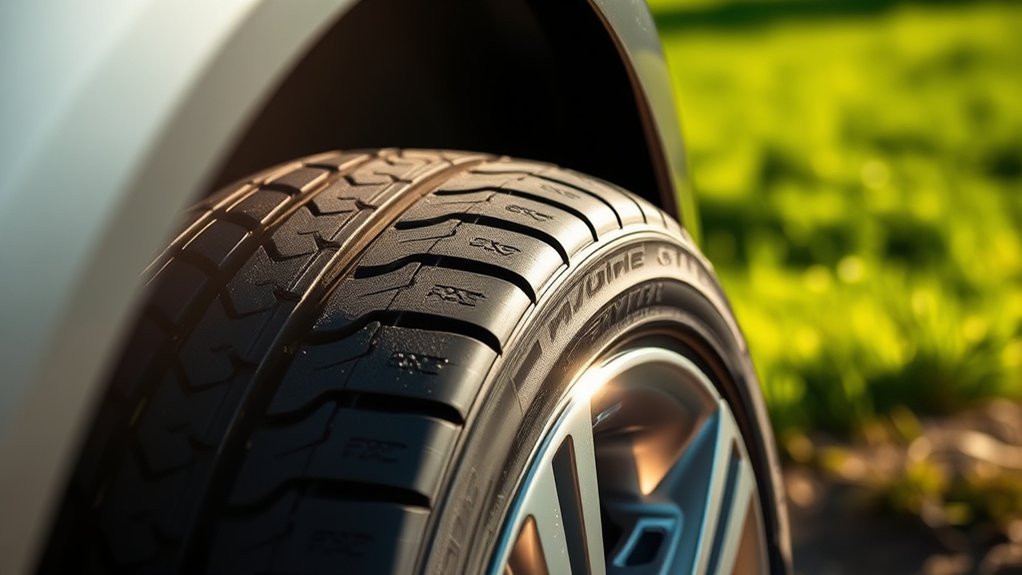
Proper tire pressure directly affects the safety and fuel economy of your vehicle. Keeping your tires inflated to the correct level reduces rolling resistance. This helps your hybrid battery and gas engine work less to move the car forward.
Under-inflated tires cause poor handling and increase the risk of a blowout. Over-inflated tires create a harsh ride and cause the center of the tire tread to wear out quickly.
You must adjust your tire pressure to get the best handling and the longest life out of your tires.
Correct Tire Pressure for the 2023 Toyota Corolla Hybrid
You need exact tire pressure to get peak performance from your 2023 Toyota Corolla Hybrid. The recommended pressure depends on your specific wheel size and trim level.
Some models require 38 PSI in the front and 36 PSI in the rear. Other trims with different wheel sizes recommend 33 PSI in the front and 30 PSI in the rear.
You can find the exact specifications for your car on the tire information sticker. Look for this sticker inside the driver’s side door jamb. Check these numbers before adding air to your tires.
How to Check Your Tire Pressure
You need a reliable tire pressure gauge to check your tires accurately. You should check the pressure before you drive the car. Tires get hot while driving, which changes the pressure reading.
Use a Reliable Tire Gauge
Buy a high-quality digital or analog tire gauge that measures pounds per square inch (PSI). Start by removing the valve cap from your wheel. Press the gauge firmly onto the valve stem until the hissing sound stops.
Read the number on the gauge and compare it to your door sticker. Add air if the number falls below the recommended level. Let air out if the number sits too high.
Check your tires every month to catch slow leaks early.
Check When Tires Are Cold
Driving creates friction, and friction heats up the air inside your tires. Hot air expands and artificially inflates the pressure reading.
Measure your tire pressure early in the morning or after the car sits for at least three hours. Cold tires give you the most accurate reading possible.
Different gauges can show slightly different numbers. Buy a high-quality gauge and keep it in your glove box for consistent checks.
Common Tire Pressure Problems and Fixes
Drivers often ignore tire pressure until a warning light flashes on the dashboard. Temperature changes cause major fluctuations in tire pressure. Cold winter weather drops your tire pressure, while hot summer days increase it.
Under-inflated tires force your engine to work harder and waste gas. Over-inflated tires reduce the amount of rubber touching the road. Dealerships sometimes over-inflate tires during shipping to prevent flat spots.
Verify the pressure yourself after buying a new car to ensure a comfortable ride. According to the National Highway Traffic Safety Administration (NHTSA), under-inflated tires cause thousands of accidents every year. Always consult a certified mechanic if you notice rapid pressure loss.
What Causes Tire Pressure to Change?
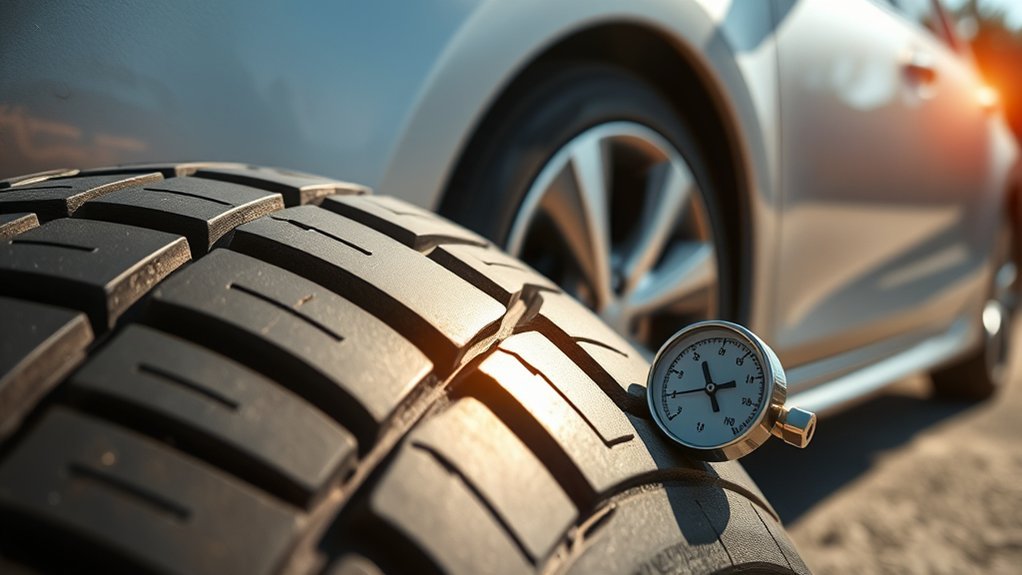
Several factors change the air pressure inside your wheels. Ambient air temperature plays the biggest role in these daily fluctuations.
- Weather changes: For every 10 degrees the outside temperature drops, your tires lose about one PSI of pressure.
- Driving friction: Tires heat up during highway driving, which temporarily raises the internal pressure.
- Slow leaks: Small punctures or damaged valve stems let air escape slowly over time.
- Wheel damage: Bent rims stop the tire from sealing properly and cause steady air loss.
Check your tires more often during the changing seasons. Catching a slow leak early prevents you from buying a costly replacement tire.
How to Reset the Tire Pressure Warning Light
The Tire Pressure Monitoring System (TPMS) light turns on when a tire drops below safe levels. You must manually reset this system on some Toyota models after adding air.
First, park the car safely and inflate all four tires to the correct pressure. Turn the engine on without starting the gas motor. Press and hold the TPMS reset button under the steering wheel until the dashboard light blinks three times.
Drive the car for a few minutes to let the sensors recalibrate.
When and How to Adjust Tire Pressure
Check your tires at least once a month and before any long road trips. Always add or remove air when the tires sit cold. Use an air compressor at a gas station or a portable pump at home.
- Remove the valve stem cap and keep it in a safe place.
- Attach the air hose firmly to the valve stem.
- Add air in short bursts and check the gauge frequently.
- Press the small pin inside the valve to release air if you overfill the tire.
Increase the rear tire pressure slightly if you carry heavy cargo in the trunk. Check your owner’s manual for specific heavy load recommendations.
Benefits of Maintaining the Right Tire Pressure
Proper tire pressure keeps you safe and saves you money. Fully inflated tires grip the road properly during sudden stops and sharp turns. The correct pressure also prevents the vehicle from hydroplaning on wet roads.
You will save money on gas and replacement parts. According to the Department of Energy, under-inflated tires lower gas mileage by about 0.2 percent for every single PSI drop.
Keeping the pressure balanced stops uneven tread wear. This helps your tires last thousands of miles longer before you need to buy a new set.
Frequently Asked Questions
What is the correct PSI for a Toyota Corolla Hybrid?
The correct pressure ranges from 33 to 38 PSI in the front and 30 to 36 PSI in the rear. The exact number depends on your trim level and wheel size. Look at the sticker on the driver’s side door jamb to find the precise specification for your vehicle.
Do hybrid tires need higher pressure?
Many hybrid cars use low rolling resistance tires to maximize fuel economy. Car manufacturers often recommend slightly higher pressures, such as 36 or 38 PSI, to help the vehicle glide easier. Always follow the specific numbers listed on your car’s door sticker.
Can I inflate my tires to 40 PSI?
You should never inflate your tires past the maximum pressure listed on the tire sidewall. Pushing the pressure to 40 PSI creates a very bumpy ride and causes the center tread to wear out fast. Stick to the manufacturer’s suggested rating for the best balance of comfort and fuel economy.
Conclusion
Checking the tire pressure on your Toyota Corolla Hybrid takes only a few minutes each month but provides massive safety and financial benefits. Your next step is to buy a reliable tire gauge, check your driver’s door sticker, and test your tires tomorrow morning while they sit cold. Keeping your tires properly inflated protects your wallet and guarantees a smooth, safe ride for thousands of miles to come.







Leave a Reply