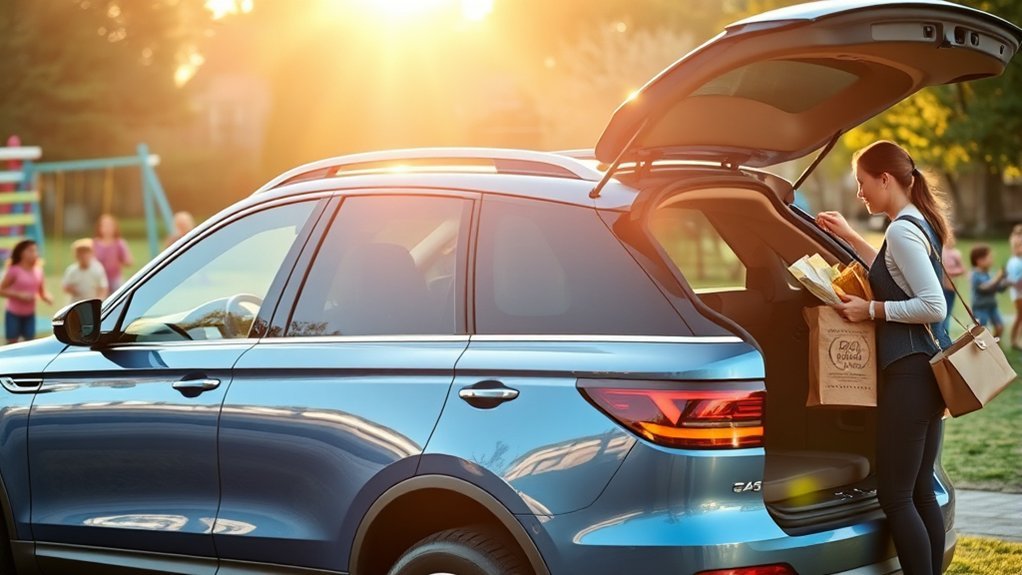
If you’re looking for the best cars for mums in the UK in 2026, start with what makes family life easier: a safe cabin, enough room for child seats, a practical boot, manageable running costs, and doors that make getting children in and out less stressful. Style matters too, but a car that works with your daily routine is the real goal. This guide covers family-friendly vehicle choices, buying advice, and optional car signs and stickers for parents.
Quick Answer
The best family car for a UK mum depends on the number of children, child-seat requirements, budget, and daily journeys. Estates offer generous boot space, SUVs provide a raised driving position, and seven-seat vehicles accommodate larger families. Check independent safety ratings, test your actual child seats, and compare total ownership costs before buying.
Key Takeaways
- Prioritise independent crash-test results, compatible child restraints, and practical rear-seat space.
- Test your pushchair in the boot and check whether every required child seat fits correctly.
- Compare petrol, hybrid, and electric cars using real ownership costs rather than purchase price alone.
- Seven seats do not automatically mean seven practical seats for a family using child restraints.
- Baby-on-board signs are optional accessories, not protective safety equipment.
Family Cars to Consider in the UK in 2026
Different types of cars suit different family needs. A compact hatchback may work for one child, while an estate or larger SUV may be more practical for a family carrying a double pushchair. Families needing six or seven seats should consider vehicles designed around passenger flexibility.
The following vehicles are useful examples to investigate rather than a ranked list of individually tested recommendations. Specifications, equipment, and prices vary by version.
| Family need | Vehicle example | What to consider |
|---|---|---|
| Everyday family driving | Toyota Corolla Touring Sports | A five-seat hybrid estate with a manufacturer-listed 596-litre boot. Check rear-seat space with your child seats installed. |
| Large boot and family luggage | Skoda Octavia Estate | A five-seat estate with a manufacturer-listed 640-litre boot. Useful to investigate when pushchair and luggage capacity are priorities. |
| Larger families | Dacia Jogger | Seven seats and a flexible seating arrangement. Check third-row access, child-seat compatibility, and boot space with every seat occupied. |
| Frequent child-seat access | Volkswagen Multivan | Sliding side doors and flexible seating for up to seven. Consider its size, price, and your usual parking arrangements. |
| Electric family driving | Kia EV3 | A five-seat electric SUV with a manufacturer-listed 460-litre boot. Compare charging access, range, and the specific version’s equipment. |
These examples cover different approaches to family transport. Compare the specific model year and trim rather than assuming every vehicle bearing the same model name has identical equipment.
Which Type of Family Car Suits You?
- Hatchback: Worth considering for smaller families, urban driving, and easier parking. Check whether a rear-facing child seat leaves enough front-passenger legroom.
- Estate: Offers a practical luggage area without necessarily needing the height or bulk of a large SUV.
- SUV: Often provides a raised seating position and convenient cabin access. However, exterior size does not guarantee generous rear-seat space.
- Seven-seater: Useful for larger households and occasional extra passengers. Check how much boot space remains when all seats are occupied.
- People carrier: Can offer flexible seating, useful door openings, and passenger-focused storage.
Pro Tip: Bring your actual child seats and folded pushchair to the showroom. Published dimensions cannot tell you everything about seat compatibility, boot shape, or daily convenience.
Optional Family Car Signs and Stickers
Alongside choosing a suitable family vehicle, some parents like displaying a baby-on-board, twins-on-board, or pregnancy-related sign. These accessories communicate a message to other road users and may add a personal touch to your car.
They do not improve crash protection, guarantee that other drivers will behave differently, or replace correctly fitted child restraints.
Affiliate disclosure: This article contains Amazon affiliate links. We may earn a commission from qualifying purchases at no additional cost to you.
The following product specifications are based on the information supplied in the original listings. Product availability, listing details, and seller claims may change.
| Child On Board Car Safety Stickers (2 Pack) |  |
Adhesive Design | Type: Vinyl sticker | Dimensions: 150mm x 150mm | Material: Vinyl | VIEW LATEST PRICE | Read Our Analysis |
| Mum and Baby On Board Car Sign |  |
Quick Attachment | Type: Suction cup sign | Dimensions: 14cm x 14cm | Material: UV-resistant material | VIEW LATEST PRICE | Read Our Analysis |
| Bump On Board Car Sign for Pregnant Ladies |  |
Bright Design | Type: Suction cup sign | Dimensions: 14cm x 14cm | Material: Plastic | VIEW LATEST PRICE | Read Our Analysis |
| Twins On Board Car Window Sign |  |
Family Focused | Type: Suction cup sign | Dimensions: 14cm x 14cm | Material: Plastic | VIEW LATEST PRICE | Read Our Analysis |
| iwantthatsign.com Mum and Dad to be Car Sign Baby on Board Sign | 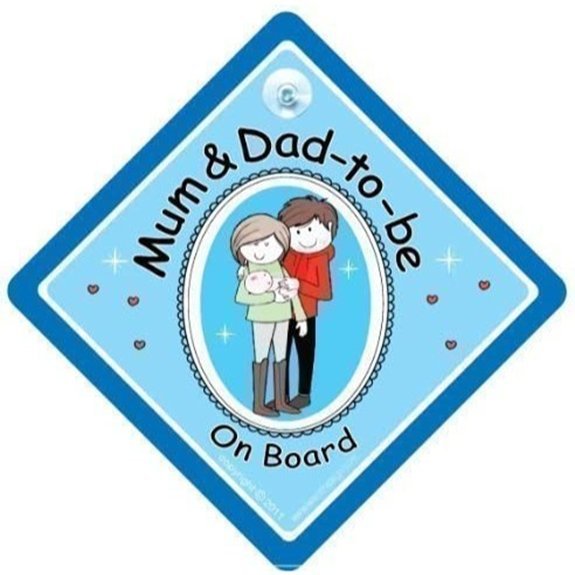 |
Reusable Attachment | Type: Suction cup sign | Dimensions: 14cm x 14cm | Material: Premium materials | VIEW LATEST PRICE | Read Our Analysis |
| Mum’s Taxi Car Sign & Baby on Board Decal |  |
Novelty Appeal | Type: Suction cup sign | Dimensions: 14cm x 14cm | Material: Premium materials | VIEW LATEST PRICE | Read Our Analysis |
| World’s Best Mum On Board Car Sign |  |
Bright Design | Type: Suction cup sign | Dimensions: 14cm x 14cm | Material: Premium materials | VIEW LATEST PRICE | Read Our Analysis |
More Details on Our Top Picks
-
Child On Board Car Safety Stickers (2 Pack)
These Child On Board Car Safety Stickers offer a simple way to display a family-related notice on your vehicle. The supplied description lists two self-adhesive vinyl stickers, each measuring 150mm by 150mm.
The stickers are described as waterproof, weatherproof, and made in the UK using external-grade vinyl. Their bright yellow design makes the message easy to notice when the sticker is positioned correctly.
Apply each sticker to a suitable clean, dry exterior surface according to the product instructions. Check local visibility requirements and avoid covering lights, registration plates, or areas that could obstruct the driver’s view.
Best for: Parents who prefer an adhesive notice rather than a removable window sign.
Important: These stickers do not provide crash protection or guarantee a change in other drivers’ behaviour.
- Type:Vinyl sticker
- Dimensions:150mm x 150mm
- Material:Vinyl
- Attachment Method:Adhesive
- Usage:External vehicle application
- Origin:Described as made in the UK
- Additional Feature:Weatherproof design
- Additional Feature:Self-adhesive vinyl
- Additional Feature:Pack of two stickers
-
Mum and Baby On Board Car Sign
The Mum and Baby On Board Car Sign is a reusable window accessory for parents who want a family-themed notice without using permanent adhesive.
The supplied specifications describe a 14cm square sign made from UV-resistant material, with a reusable rubber suction cup for attachment to a suitable smooth surface.
Its removable design may be convenient when moving the sign between vehicles. Clean the chosen surface before fitting it, and check that the suction cup is secure.
The sign is described as suitable for cars, vans, and caravans, but you should confirm the available mounting space in your own vehicle.
Best for: Parents looking for a reusable mum-and-baby window notice.
Limitation: It is a novelty accessory and offers no physical passenger protection.
- Type:Suction cup sign
- Dimensions:14cm x 14cm
- Material:UV-resistant material
- Attachment Method:Suction cup
- Usage:Window or suitable smooth surface
- Origin:Described as made in the UK
- Additional Feature:Reusable attachment
- Additional Feature:UV-resistant design
- Additional Feature:Removable window sign
-
Bump On Board Car Sign for Pregnant Ladies
The Bump On Board Car Sign offers an optional way to display a pregnancy-related message while travelling.
The supplied description lists a 14cm by 14cm plastic sign with a bright, UV-resistant design and reusable suction cup. It is intended for a suitable smooth surface.
Its lightweight format makes it easy to remove or reposition when needed. However, the sign does not protect an expectant mother or baby during a collision.
For actual passenger protection, correctly wearing the vehicle’s three-point seat belt is essential. The NHS recommends placing the diagonal strap between the breasts and the lap strap across the pelvis, underneath the bump.
Best for: Expectant parents who want a removable pregnancy-themed window sign.
- Type:Suction cup sign
- Dimensions:14cm x 14cm
- Material:Plastic
- Attachment Method:Suction cup
- Usage:Window or suitable smooth surface
- Origin:Described as made in the UK
- Additional Feature:Non-fade design
- Additional Feature:Pregnancy-themed message
- Additional Feature:Portrait orientation
-
Twins On Board Car Window Sign
For parents of twins, this window sign provides a family-specific alternative to a standard baby-on-board notice.
The supplied details describe a 14cm square plastic sign with a reusable rubber suction cup. Its listed weight is 19g, making it a lightweight accessory.
The removable attachment is convenient for parents who occasionally change vehicles. Before driving, check that the sign is secure and does not interfere with rearward visibility.
Remember that transporting twins safely depends on fitting two suitable child restraints correctly, not on displaying a sign.
Best for: Families who want a twins-specific car window notice.
- Type:Suction cup sign
- Dimensions:14cm x 14cm
- Material:Plastic
- Attachment Method:Suction cup
- Usage:Window or suitable smooth surface
- Origin:Described as made in the UK
- Additional Feature:Family-themed design
- Additional Feature:Reusable suction cup
- Additional Feature:Listed weight of 19g
-
iwantthatsign.com Mum and Dad to be Car Sign Baby on Board Sign
The iwantthatsign.com Mum and Dad to be Car Sign offers a cheerful message for expectant parents.
According to the supplied description, it is designed and manufactured in the UK, uses vivid colours, and includes a reusable 20mm suction cup.
The listed dimensions are 14cm by 14cm. Its removable attachment makes it suitable for consideration in cars, vans, and caravans with an appropriate mounting surface.
Position it where it remains visible without obstructing your own view. Check the suction cup regularly, particularly after changes in temperature.
Best for: Expectant parents who prefer a mum-and-dad-themed notice.
- Type:Suction cup sign
- Dimensions:14cm x 14cm
- Material:Premium materials, as described
- Attachment Method:Suction cup
- Usage:Window or suitable smooth surface
- Origin:Described as made in the UK
- Additional Feature:Vivid colours
- Additional Feature:Reusable 20mm suction cup
- Additional Feature:Novelty family message
-
Mum’s Taxi Car Sign & Baby on Board Decal
The Mum’s Taxi Car Sign and Baby on Board Decal adds a playful message to a family vehicle.
The supplied product details list a 14cm square design, gloss laminate finish, and reusable non-marking suction cup.
The removable attachment may appeal to parents who do not want a permanent exterior sticker. The sign is described as suitable for several vehicle types, provided a suitable smooth mounting area is available.
Clean the surface before fitting it and check that the sign stays secure. Avoid placing it where it could distract the driver or obstruct visibility.
Best for: Parents who enjoy a light-hearted family-car accessory.
It is a novelty product and should not be relied on as safety equipment.
- Type:Suction cup sign
- Dimensions:14cm x 14cm
- Material:Premium materials, as described
- Attachment Method:Suction cup
- Usage:Window or suitable smooth surface
- Origin:Described as made in the UK
- Additional Feature:Gloss laminate finish
- Additional Feature:Non-marking suction cup
- Additional Feature:Quick removable installation
-
World’s Best Mum On Board Car Sign
The World’s Best Mum On Board Car Sign is a novelty accessory for parents who want to add a personal message to their vehicle.
The supplied description lists a colourful 14cm square sign with bright inks and a reusable, non-marking suction cup.
It is described as suitable for cars, vans, trucks, and caravans, subject to having an appropriate smooth mounting surface.
Position it carefully and check that it remains secure. Although it may be noticeable to other drivers, it does not provide physical protection or replace safe driving practices.
Best for: Parents looking for a cheerful, removable car sign.
- Type:Suction cup sign
- Dimensions:14cm x 14cm
- Material:Premium materials, as described
- Attachment Method:Suction cup
- Usage:Window or suitable smooth surface
- Origin:Described as made in the UK
- Additional Feature:Bright inks
- Additional Feature:Reusable non-marking suction cup
- Additional Feature:Mum-themed novelty message
Where Should You Place a Baby-on-Board Sign?
Choose a suitable position on a rear or side window that does not obstruct your view of the road, mirrors, other vehicles, or pedestrians.
Follow the product’s instructions and check that the mounting surface is appropriate. A suction cup may lose its grip if the surface is dirty or the attachment is worn.
Warning: Do not place stickers or signs where they obstruct the driver’s vision. DVSA guidance requires drivers to maintain a clear view through vehicle windows. A family notice is optional and cannot replace a suitable child seat, correctly worn seat belt, or attentive driving.
Factors to Consider When Choosing Cars for Mums UK
Choosing a family car means balancing safety, space, comfort, practicality, and affordability. The right vehicle should make daily journeys easier without creating unnecessary running costs.
Safety Features Essential
Start with independent crash-test performance rather than relying only on a manufacturer’s description of its safety technology.
Euro NCAP evaluates vehicle protection and safety systems, including how vehicles protect child occupants and accommodate child restraints.
Its testing framework changed in 2026, so compare results with attention to the test year rather than treating every historic five-star rating as directly equivalent.
Useful features to investigate include:
- Front, side, and curtain airbags.
- Anti-lock braking systems and electronic stability control.
- Automatic emergency braking.
- Lane departure warnings and lane-keeping assistance.
- Blind-spot monitoring.
- Rear-view cameras and parking sensors.
- Child safety locks.
- ISOFIX and compatible child-restraint mounting positions.
- Rear-seat occupant reminders, where fitted.
Side-impact protection and crumple-zone design also matter, but individual crash-test results provide more useful evidence than a generic feature list.
Check which equipment is standard on the exact version you intend to buy. Driver-assistance systems support the driver; they do not remove the need to remain attentive.
Space for Car Seats
Rear-seat space is especially important if your family uses multiple child restraints.
For families with twins or three young children, check the usable width of the rear bench rather than assuming a wide-looking car will accommodate every seat combination.
ISOFIX mounting points simplify installation for compatible restraints, but they do not guarantee that every child seat fits every vehicle.
Before buying:
- Check the child-seat manufacturer’s vehicle compatibility information.
- Confirm the approved seating positions in the vehicle handbook.
- Install each child seat according to its instructions.
- Check whether rear-facing seats leave sufficient front-seat legroom.
- Make sure the doors open far enough for comfortable lifting and buckling.
- Confirm that every restraint can be installed independently without interfering with another seat.
UK law normally requires children to use an appropriate child restraint until they reach 135cm in height or their 12th birthday, whichever comes first.
Height-based R129 seats must remain rear-facing until the child is over 15 months old. Always follow the relevant seat’s approval limits and instructions.
GOV.UK provides the full child car-seat rules.
Warning: Never place a rear-facing child restraint in a front passenger seat with an active frontal airbag. The airbag must be deactivated before that seating position is used for a compatible rear-facing restraint.
Fuel Efficiency Considerations
Fuel costs can make a noticeable difference to a family’s monthly budget, particularly when school runs, commuting, and shopping trips add up.
Compare the actual fuel consumption figures for the specific model and version. Official WLTP figures provide a standardised comparison, but real-world results depend on driving conditions, temperature, speed, and load.
Different powertrains suit different driving patterns:
- Petrol: Straightforward to refuel and worth comparing for households covering relatively low annual mileage.
- Full hybrid: Combines a petrol engine with electric assistance without requiring external charging.
- Plug-in hybrid: Can complete some journeys using external charging, but its cost benefits depend heavily on charging habits and journey length.
- Battery-electric: Offers zero tailpipe emissions and can be convenient with reliable charging access. Purchase price, electricity tariffs, insurance, and public charging costs still matter.
Do not assume electric cars are exempt from vehicle tax. Under DVLA’s published 2026–27 rules, qualifying electric cars registered from 1 April 2025 pay £10 in their first year and the standard £200 annual rate thereafter. Other rates and supplements may apply depending on the vehicle.
For eligible new electric cars, the Electric Car Grant can provide a purchase discount. Eligibility is model-specific, so confirm the approved vehicle and applicable band rather than assuming every EV qualifies.
Easy Access Design
Wide-opening doors and a comfortable step-in height can make a big difference when you’re lifting a child into a car seat.
Consider whether the rear doors leave enough space to reach the buckle and harness without awkward stretching.
Sliding doors may be especially convenient in narrow parking spaces because they do not swing out like conventional doors.
Look at the vehicle’s overall height too. A taller car may make loading a child easier for some parents but more difficult for others.
Do not overlook the boot opening. A wide opening, manageable loading height, and practical boot floor can make lifting a pushchair easier.
Technology Integration Options
Modern vehicle technology can help with navigation, parking, and everyday convenience.
Useful equipment includes smartphone connectivity, hands-free calling, voice controls, USB charging, reversing cameras, and parking sensors.
Some cars offer built-in Wi-Fi, adaptive cruise control, or powered tailgates, although availability varies by trim and subscription.
Before paying extra for technology, check whether you find the controls easy to use. Essential functions should remain accessible without excessive attention to a touchscreen.
If your children regularly use tablets on longer journeys, check rear charging-port availability and how safely devices can be secured.
Storage Capacity Needs
Boot capacity is important, but the published litre figure does not tell the whole story.
A vehicle with a large quoted boot may still have an awkward opening or insufficient length for your particular pushchair.
Think about the items you regularly carry:
- Pushchair or double buggy.
- Changing bag and baby supplies.
- Shopping bags.
- School bags and sports equipment.
- Travel cot or holiday luggage.
- Emergency supplies and charging cables.
A boot around 400 litres or larger can be a useful starting point for comparing family cars, but it is not a universal minimum. Your actual equipment and vehicle layout matter more.
Look for split-folding rear seats, useful door pockets, underfloor compartments, and a boot floor that suits your needs.
Remember that folding a rear seat is not an option while it is occupied by a child.
Pro Tip: Test the boot with the rear seats in their normal travelling positions. A large maximum cargo figure with the seats folded may have little value when your children need those seats.
Budget-Friendly Choices
Start by setting a realistic monthly and annual budget rather than focusing only on the advertised purchase price.
Your total cost of ownership may include:
- Purchase price or monthly finance payments.
- Insurance.
- Fuel or electricity.
- Vehicle Excise Duty.
- Servicing and repairs.
- Tyres and other consumables.
- MOT testing when applicable.
- Parking and charging expenses.
- Depreciation.
Smaller petrol cars and some hybrids may have manageable running costs, but insurance and repair costs should be checked for the exact vehicle.
When comparing finance agreements, consider the deposit, interest rate, total amount payable, mileage restrictions, and any final payment.
Electric-car incentives can improve affordability for eligible models, but they do not automatically make every electric car cheaper to own.
Maintenance and Reliability
A reliable family car helps reduce disruption to school runs, appointments, and daily journeys.
Rather than assuming a vehicle is dependable because of its badge or crash-test rating, research the specific model, engine or drivetrain, model year, and service requirements.
Before purchasing a used vehicle, inspect its service history and check for evidence of regular maintenance.
The official MOT history service can show previous test results, recorded mileage, and defects.
You should also check for outstanding safety recalls through the government recall service.
Consider warranty coverage, local servicing availability, replacement tyre costs, and the price of common repairs.
Maintenance costs vary widely. Obtain model-specific servicing information rather than relying on a single national average.
How to Check a Family Car Before Buying
A family-focused test drive should cover more than acceleration and handling. Spend time checking whether the car works with your children, equipment, and daily routine.
At a Glance
| Time Required | Allow a useful viewing and test-drive session, including equipment checks. |
| Difficulty | Beginner-friendly; an independent inspection is advisable for a used car. |
| Tools Needed | Your actual child seats, folded pushchair, driving licence, and a checklist. |
| Cost | A viewing or dealer test drive is generally arranged without a separate test-drive charge; independent inspections and history checks may cost extra. |
Family Car Test-Drive Checklist
- Fit the child seats: Confirm compatibility, secure installation, and enough room for every passenger.
- Check rear-seat access: Open the doors fully and practise reaching the child-seat buckles.
- Load the boot: Put your folded pushchair and typical family bags inside.
- Check the driving position: Adjust the seat and steering wheel, then assess visibility and comfort.
- Test parking: Try a normal parking manoeuvre and check the camera, sensors, and exterior dimensions.
- Assess the ride: Drive on roads similar to those you use regularly.
- Check cabin usability: Try heating, ventilation, smartphone connection, charging ports, and storage.
- Review the paperwork: For used vehicles, check the service records, MOT history, recalls, and identification details.
For a used vehicle, follow the official GOV.UK used-car buying checks and consider an independent mechanical inspection before committing.
Frequently Asked Questions
What are the best car brands for family-friendly vehicles in 2026?
Toyota, Honda, Volkswagen, Ford, Skoda, Kia, and several other manufacturers offer family-oriented vehicles. Rather than choosing by brand alone, compare specific models for child-seat compatibility, independent safety results, passenger space, running costs, and reliability information.
How do I choose a car that fits my family’s needs?
Start with the number of passengers and child seats you need to carry. Set a realistic budget, compare suitable vehicle types, and check boot space using your actual pushchair. Review safety ratings and running costs, then test drive the shortlisted cars before deciding.
What features should I prioritise for safety in family cars?
Look at independent crash-test results, child-restraint compatibility, electronic stability control, airbags, automatic emergency braking, and child safety locks. Rear-view cameras and parking sensors can also help with low-speed manoeuvres. Always confirm the equipment fitted to the exact version you are buying.
Are electric cars suitable for families in 2026?
Yes, many electric cars are suitable for family use. Compare passenger space, boot capacity, charging access, range, insurance, and purchase price. Home charging can be convenient, but households relying on public chargers should consider local availability and charging costs. Check whether the specific model qualifies for the current Electric Car Grant.
What’s the average cost of family cars in the UK for 2026?
There is no single useful average for every family-car category. Prices vary greatly between used hatchbacks, new estates, seven-seat vehicles, and electric SUVs. Compare current prices for vehicles that meet your needs, then calculate insurance, fuel or electricity, servicing, tax, and finance costs.
Can three child seats fit across the back of a family car?
Some vehicles can accommodate three suitable child restraints, but compatibility depends on the vehicle, seating positions, and individual child-seat models. Three ISOFIX positions are not standard in every family car. Check the vehicle handbook and child-seat instructions, and test the full arrangement before buying.
Do baby-on-board signs make a car safer?
A baby-on-board sign is a notice, not a safety device. It does not provide crash protection or guarantee that another driver will change their behaviour. Correctly fitted child restraints, seat belts, vehicle safety systems, and attentive driving are much more important. Any sign must be positioned without obstructing the driver’s view.
Conclusion
Choosing the right car for a UK family in 2026 comes down to finding a practical balance between safety, comfort, space, style, and affordability.
Start with your family’s actual needs, compare suitable vehicle types, and inspect the specific models that fit your budget. Independent crash-test information, child-seat compatibility, and a realistic ownership-cost calculation will help you make a more informed decision.
Most importantly, test the car with the equipment you use every day. A comfortable driving position, accessible rear seats, and a boot that fits your pushchair may matter far more than an impressive specification sheet.
Optional family signs can add a personal touch, but safe transport depends on the vehicle, correctly fitted restraints, and responsible driving.
Sources
- GOV.UK — Child Car Seats: The Law — UK child-restraint requirements, approved seats, and installation rules.
- Euro NCAP — How Cars Are Tested for Safety — independent vehicle safety and child-occupant assessment.
- DVSA — Stickers or Other Items on Vehicle Windscreens — vehicle-window visibility requirements.
- GOV.UK — Zero Emission Vehicle Grants — eligible electric vehicles and available purchase discounts.
- GOV.UK — Check a Used Vehicle You’re Buying — vehicle history, registration, and safety checks.
- NHS — Travelling in Pregnancy — seat-belt positioning and car-travel advice during pregnancy.







Leave a Reply