
The average lifespan of your car battery can vary quite a bit. Lead-acid batteries typically last around 3-5 years, while AGM and EFB batteries can stretch that to 4-7 years. Your driving habits play a key role; frequent short trips can prevent full charging and lead to early failure. On the other hand, regular maintenance and ideal weather conditions can extend battery life. Stick around to discover more about optimizing your battery’s performance!
Key Takeaways
- Lead-acid batteries typically last between 3 to 5 years, while AGM and EFB batteries can extend to 4 to 7 years.
- Driving habits significantly affect battery lifespan, with frequent short trips leading to undercharging and potential sulfation.
- High temperatures can reduce battery lifespan to around 3 years, while cooler climates may extend it beyond 5 years.
- Signs of a failing battery include slow engine cranking, frequent jump-starts, dim headlights, and corrosion on terminals.
- Regular maintenance, including terminal inspections and driving habits, can help maximize battery performance and longevity.
Understanding Your Car Battery’s Lifespan

When it comes to understanding your car battery’s lifespan, it’s essential to recognize that several factors play an important role in determining how long it will last.
The average lifespan of standard lead-acid car batteries ranges from three to five years, while AGM and EFB batteries can stretch this to four to seven years. Your driving habits greatly impact your battery’s charge capacity; regular driving helps maintain its health, while frequent short trips can drain it.
Car battery lifespan varies: lead-acid lasts 3-5 years, while AGM and EFB can reach 4-7 years, influenced by your driving habits.
Climate conditions also matter—extreme temperatures can hinder performance, with scorching heat causing fluid evaporation and cold weather making starting challenging.
To make sure you don’t get caught off guard, keep an eye out for signs of weakness, like slow engine cranking or corroded terminals. Staying proactive with maintenance can help you identify the right time for replacement, making certain your driving experience remains smooth and liberating.
Key Factors Influencing Your Car Battery’s Lifespan
Several key factors directly influence how long your car battery will last. The average car battery has a lifespan of three to five years, but frequent short trips can hinder its ability to fully charge, leading to undercharging and sulfation.
High temperatures are another culprit; they can cause fluid evaporation and internal damage, often reducing lifespan to about three years in hot climates. Conversely, cold weather can reduce battery strength by up to 35%, making it harder to start your vehicle.
To maximize your battery’s operational lifespan, regular maintenance is essential. Checking for corrosion and ensuring clean connections can greatly enhance performance.
How Climate Impacts Your Car Battery Performance
Climate plays a crucial role in determining your car battery’s performance and longevity. High temperatures accelerate battery corrosion and cause fluid evaporation, cutting the lifespan of car batteries to about three years in hot climates. Conversely, cold weather can reduce a battery’s starting power by up to 35%, making it tough to start your vehicle in extreme conditions.
| Climate Type | Lifespan of Car Batteries | Key Issues |
|---|---|---|
| Hot Climates | ~3 years | Battery corrosion, fluid evaporation |
| Cold Weather | ~3-5 years | Reduced starting power |
| Cooler Climates | 5+ years | Minimal temperature fluctuations |
Regularly driving in moderate conditions helps maintain ideal battery performance. Insulating your battery in extreme climates can shield it from temperature-related damage, extending its overall lifespan. Understanding how climate impacts your battery can empower you to take better care of your vehicle.
Signs It’s Time to Replace Your Car Battery?
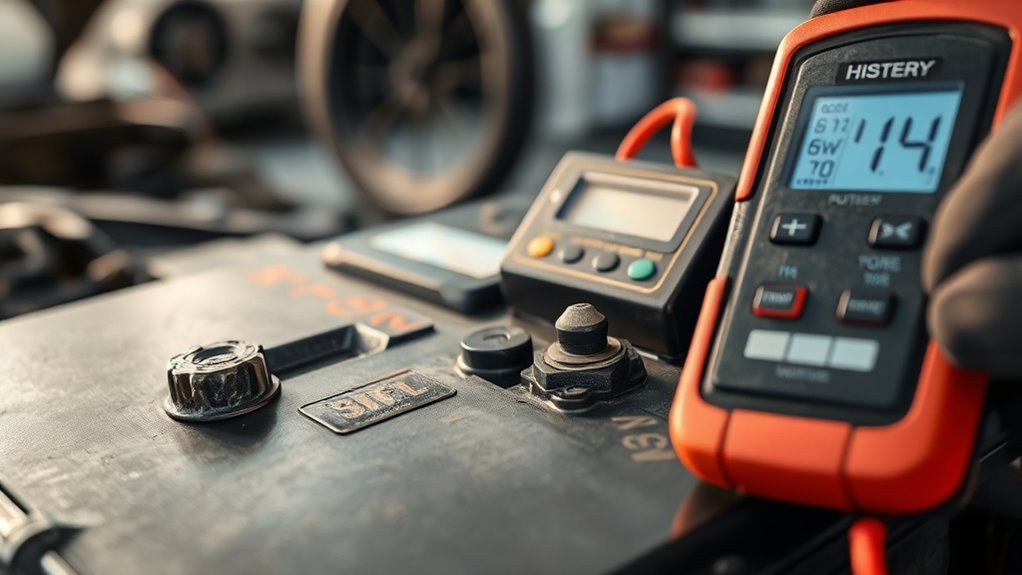
Understanding how climate affects your car battery is just the beginning; recognizing the signs that it’s time for a replacement is equally important.
Recognizing when to replace your car battery is crucial for maintaining vehicle reliability.
If you notice any of the following, it’s time to contemplate a new battery:
- Weak starting: A slow engine crank can indicate a weakening battery.
- Frequent jump-starts: Needing them often suggests significant battery degradation.
- Flickering lights: Dim headlights or flickering lights, especially while idling, may signal a failing battery.
Additionally, keep an eye out for corrosion on battery terminals, as significant buildup can impact performance.
If you detect a sulfur or rotten egg smell near the battery, this often points to leaks or internal damage, demanding immediate replacement.
Staying vigilant about these signs guarantees effective car battery maintenance and helps you avoid unexpected breakdowns.
Recognizing these indicators allows you to take action and get a replacement when necessary, preserving your vehicle’s reliability.
Tips for Extending Your Battery Life Through Maintenance
To keep your car battery in top shape, it’s essential to perform regular terminal inspections to prevent corrosion and guarantee solid connections.
You should also make a habit of driving your vehicle frequently and for longer periods, as this helps maintain a full charge.
Finally, be mindful of your accessory usage; turning off lights and radios when the engine’s off can save your battery from unnecessary strain.
Regular Terminal Inspections
While it might seem minor, regularly inspecting your battery terminals can greatly extend your battery’s lifespan.
Corrosion can impede electrical connections and reduce battery performance, so keep an eye on those terminals. Here are some essential tips for effective inspections:
- Use a baking soda and water mixture to clean terminals, ensuring ideal conductivity.
- Secure connections to prevent vibrations, which can cause damage and premature wear.
- Schedule periodic battery health checks during routine maintenance to monitor charge levels and overall condition.
Drive Frequently and Long
Driving your vehicle frequently and for longer durations isn’t just a matter of convenience; it’s vital for maintaining battery health. Regularly hitting the road for 30-40 minutes each week keeps your car battery charged and helps prevent complete discharge.
Frequent short trips, on the other hand, don’t allow for full recharging, leading to sulfate buildup that can shorten your battery’s longevity. By driving frequently, you’ll guarantee proper cycling of the battery, extending its lifespan beyond the average 3-5 years for standard lead-acid batteries.
Consistent driving habits, especially longer trips, enhance your battery’s overall health, minimizing the chance you’ll need to replace it sooner than expected and securing peak performance for your vehicle.
Proper Accessory Usage
Effective accessory usage can greatly impact your car battery’s lifespan. By being mindful of how you use your vehicle’s features, you can help avoid unnecessary battery drain and extend battery life.
Here are some tips for efficient usage:
- Always turn off lights and accessories when the engine isn’t running to prevent unnecessary battery drain.
- Limit accessory use during short trips, as they don’t allow for adequate recharge.
- Regularly check accessories to verify they’re functioning properly and not causing excessive power draw.
Educate yourself on your battery’s capacity and the power requirements of your accessories.
This knowledge will empower you to use them efficiently, ultimately supporting your car battery life and enhancing your driving experience.
What to Do When Your Battery Fails?
When your battery fails, it’s essential to act quickly to prevent further complications. Start by checking for visible signs of damage, like corrosion or leaks, which may indicate you need to replace it when necessary.
If you’re experiencing slow engine cranking or relying on frequent jump starts, it’s wise to have your battery tested at a service center. For batteries under three years old showing signs of failure, check with the retailer about extended full-replacement warranties—this could save you money.
If your battery’s dead, make sure you follow proper jump-starting procedures to avoid damaging your car’s electrical system.
Frequently Asked Questions
What Is the Normal Lifespan of a Car Battery?
A car battery typically lasts three to five years. Factors like charging cycles, extreme weather, and maintenance influence longevity. Watch for signs of deterioration to guarantee timely replacement, especially with lead-acid versus maintenance-free battery types.
Is $300 Too Much for a Car Battery?
$300 isn’t too much if you consider battery quality factors, warranty options, and brand reputation. Just analyze replacement costs, installation fees, and battery type variations to guarantee you’re making a savvy investment for performance expectations!
How Do You Tell if You Need a New Car Battery?
You’ll know it’s time for a new battery if you notice slow ignition, battery symptoms, terminal corrosion, warning lights, or frequent electrical issues. Regular battery testing and load testing can reveal essential replacement indicators, especially in extreme weather.
Is a 5 Year Old Car Battery Still Good?
A five-year-old battery might still be good if well-maintained, but watch for replacement signs like slow cranking. Cold or hot weather can impact performance, so consider battery testing and brand reliability before deciding.
Conclusion
To sum up, understanding your car battery’s lifespan can save you time and money. Did you know that, on average, a car battery lasts about 3 to 5 years? By keeping an eye on key factors like climate and maintenance, you can extend that lifespan considerably. Remember, regular checks and proper care make all the difference. When you spot the signs of a failing battery, don’t wait—address it promptly to keep your vehicle running smoothly.







Leave a Reply