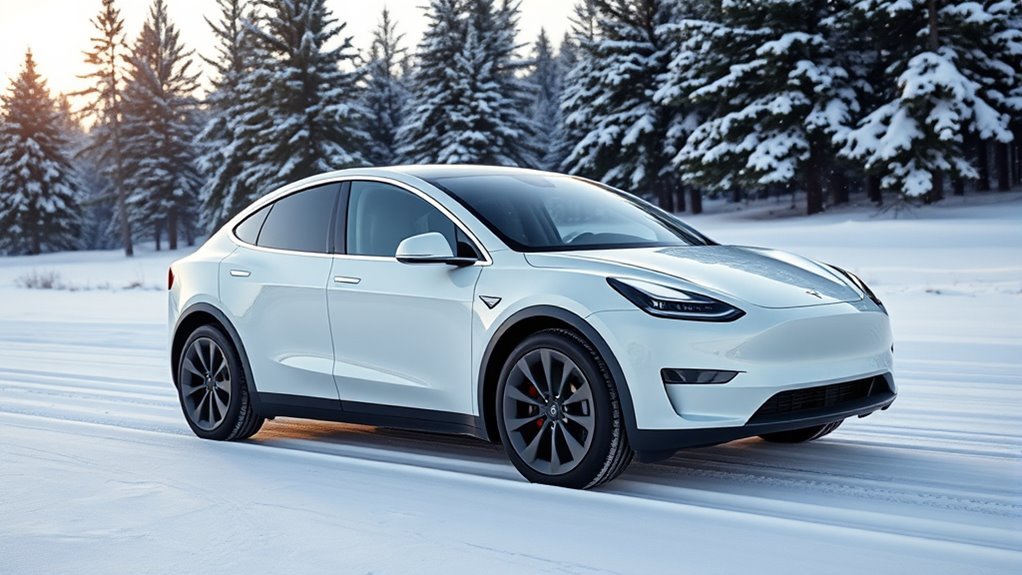
Choosing a Tesla for snowy conditions in 2026 means looking beyond all-wheel drive. Winter tires, ground clearance, traction control, and cold-weather range all affect how well your vehicle handles winter roads. The Model 3 and Model Y offer different advantages, while accessories such as snow socks, protective covers, and all-weather floor mats can make winter ownership easier. Here is what to consider before your next snowy drive.
Quick Answer
The Tesla Model Y with all-wheel drive and four suitable winter tires is a practical choice for frequent snow driving, especially when extra cargo space and ground clearance matter. The Model 3 AWD is another capable option for plowed roads. Whichever Tesla you choose, winter tires, careful driving, and battery preconditioning matter more than accessories alone.
Key Takeaways
- An AWD Tesla can improve acceleration and traction in snow, but it cannot overcome poor tire grip or shorten every stopping distance.
- A complete set of winter tires is one of the most useful upgrades for regular snow and ice.
- Model Y offers more ground clearance than Model 3 in many configurations, although neither is designed for unrestricted deep-snow driving.
- Cold temperatures can reduce driving range, charging speed, acceleration, and regenerative braking.
- Snow socks and car covers must match your exact tire size, vehicle dimensions, and manufacturer instructions.
Affiliate disclosure: This article contains affiliate links. We may earn a commission from qualifying purchases at no additional cost to you. Product inclusion does not mean that every accessory fits every Tesla configuration.
Which Tesla Models Are Suitable for Snow?
Tesla vehicles use responsive electric motors, electronic traction control, and a low-mounted battery pack. These features can help with winter handling, but the right configuration depends on your roads, weather, and driving needs.
For a closer look at vehicle operation, see Tesla’s official winter driving guidance.
| Tesla Model | Winter Driving Considerations | Suitable Use |
|---|---|---|
| Model Y AWD | Dual-motor traction, practical cargo space, and more ground clearance than Model 3 in many configurations. | Regular winter commuting and family trips. |
| Model 3 AWD | Dual-motor traction and a low center of gravity, with less clearance for accumulated snow. | Plowed highways and city roads. |
| Model 3 or Model Y RWD | Electronic traction control helps manage wheelspin, but only the rear wheels provide driving power. | Mostly cleared roads with appropriate winter tires. |
| Model S and Model X | Available AWD configurations, with wheel, tire, suspension, and clearance specifications that vary by model and year. | Drivers who need their particular vehicle’s additional space, equipment, or performance. |
These are practical use cases, not controlled snow-performance rankings. The tires installed on a vehicle can change the outcome significantly.
Model Y vs. Model 3 in Snow
The Model Y has an advantage when extra clearance and cargo space are useful. Tesla lists approximately 6.4–6.6 inches of unladen ground clearance for several current Model Y configurations, although loaded clearance is lower. Performance versions may also sit lower.
The Model 3 is lower. Tesla lists approximately 5.4 inches for standard configurations and approximately 5.0 inches for the Performance version.
Check the relevant Model Y dimensions and Model 3 dimensions before comparing a specific vehicle.
The important point is that neither vehicle should be treated like a dedicated off-road SUV. Deep snow can contact the underbody, increase resistance, and leave the vehicle stuck even when its tires have traction.
Is AWD Necessary for a Tesla in Snow?
AWD can help a Tesla pull away on a slippery road or climb a snowy hill by distributing driving power between the axles. That makes it useful for frequent winter travel.
However, AWD does not create extra tire grip when braking. A rear-wheel-drive Tesla with suitable winter tires may perform better in some conditions than an AWD vehicle using inappropriate summer tires.
For regular snow and ice, prioritize:
- Four matching winter tires with the correct vehicle specifications.
- Adequate tread depth and properly maintained tire pressure.
- Smooth steering, acceleration, and braking.
- Additional stopping distance.
- AWD when your route regularly includes slippery hills or poorly cleared roads.
Warning: AWD, traction control, and stability systems cannot overcome the physical limits of tire grip. Slow down on snow and ice, allow extra stopping distance, and avoid driving when conditions exceed your vehicle’s capabilities.
Winter Accessories for Tesla Snow Driving
Once you have the right tires and vehicle setup, accessories can help protect your Tesla and prepare it for winter weather. The following five products address exterior protection, interior cleanliness, or temporary traction.
Always check the current product listing and the manufacturer’s fitment instructions. A product sold for one Model 3 or Model Y year may not fit another configuration.
| Half Car Cover for Tesla Model 3 | 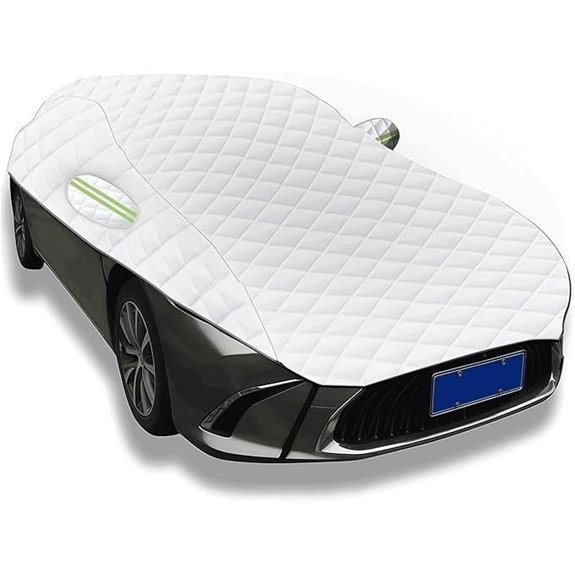 |
All-Weather Protection | Protection Type: Partial exterior coverage | Material: Multi-layer fabric | Compatibility: Model 3; verify model year | VIEW LATEST PRICE | Read Our Analysis |
| 3D MAXpider All-Weather Floor Mats for Tesla Model 3 | 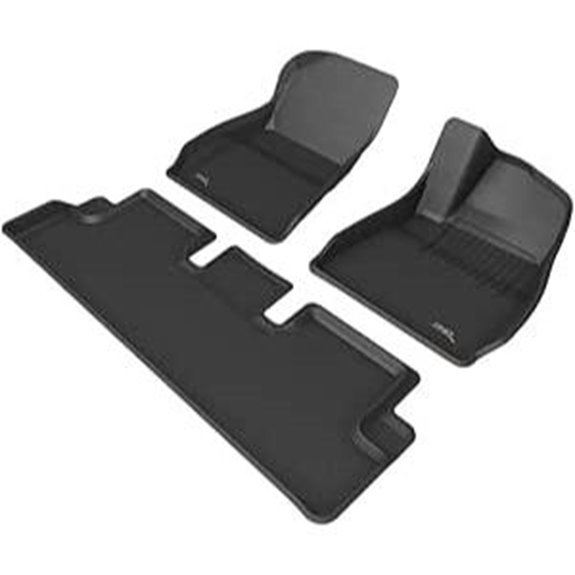 |
Custom-Fit Interior Protection | Protection Type: All-weather floor mats | Material: Multi-layer synthetic material | Compatibility: Check exact Model 3 generation | VIEW LATEST PRICE | Read Our Analysis |
| Tecoom Waterproof Car Cover for Sedans (191-200″) | 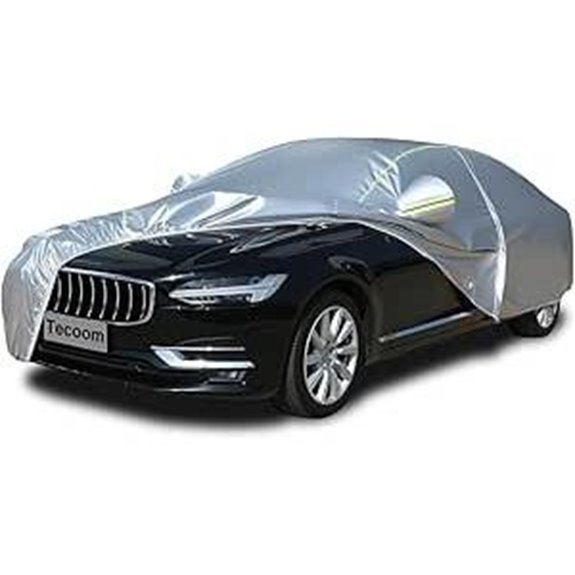 |
Universal Sedan Cover | Protection Type: Full exterior cover | Material: Polyester fabric | Compatibility: Nominal 191–200-inch sedan size; verify fit | VIEW LATEST PRICE | Read Our Analysis |
| AUTOSOCK HP 645 Snow Sock | 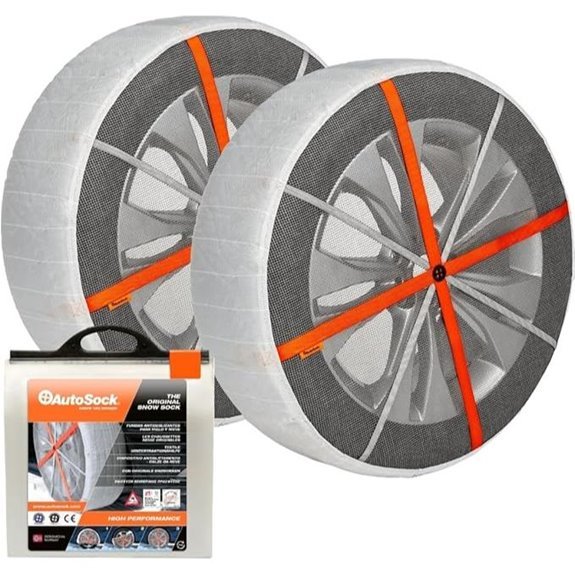 |
Temporary Snow Traction | Protection Type: Textile traction device | Material: Specialized fabric | Compatibility: Specific tire sizes only | VIEW LATEST PRICE | Read Our Analysis |
| Car Cover for Tesla Model Y – Waterproof & All Weather | 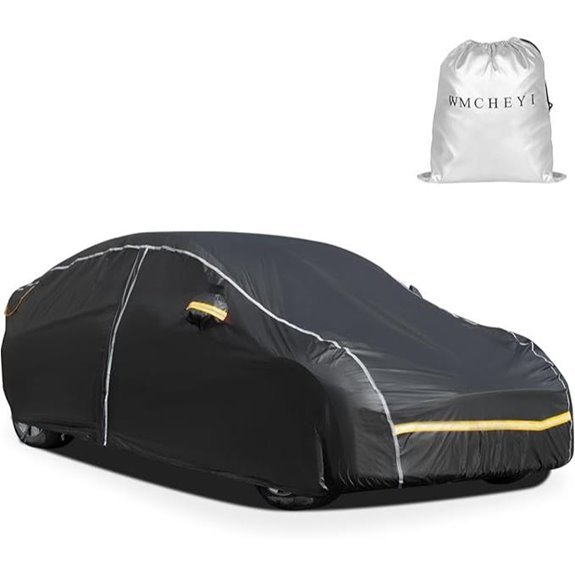 |
Full Vehicle Coverage | Protection Type: All-weather car cover | Material: Multi-layer fabric | Compatibility: Model Y; verify vehicle generation | VIEW LATEST PRICE | Read Our Analysis |
More Details on Our Top Picks
-
Half Car Cover for Tesla Model 3
If you’re a Tesla Model 3 owner looking for protection while parked, this Half Car Cover is worth considering. Its partial-coverage design is intended to shield the upper vehicle from snow, rain, dust, and sunlight.
The advertised multi-layer construction includes a durable outer fabric and a softer inner lining. Windproof buckles and an elastic belt help secure the cover, while reflective strips make the covered vehicle easier to see in low light.
What to check: Confirm that the cover fits your Model 3 year and body dimensions. Remove loose dirt before installation, secure every strap, and avoid allowing the fabric to flap against the paint. A half cover does not protect the entire vehicle or replace proper snow removal before driving.
- Protection Type:Partial all-weather exterior coverage
- Material:Advertised four-layer construction
- Compatibility:Tesla Model 3; exact year must be checked
- Installation Ease:Elastic belt and fastening straps
- Visibility Features:Reflective strips
- Weather Resistance:Designed for rain, snow, and UV exposure
- Additional Feature:Four-season use
- Additional Feature:Dust and sand protection
- Additional Feature:Partial coverage for easier handling
-
3D MAXpider All-Weather Floor Mats for TESLA Model 3
The 3D MAXpider All-Weather Floor Mats help protect your Model 3 interior from snow, mud, salt, rain, and everyday dirt.
The custom-fit design uses raised edges to contain moisture and debris. Its multi-layer construction includes a waterproof upper surface and a cushioning layer intended to improve comfort and reduce vibration.
These mats are useful when passengers regularly bring snow and road salt into the cabin. Remove them for cleaning, then let them dry before reinstalling.
Fitment matters: The original product description lists 2020–2024 Model 3 compatibility. Because Model 3 interior designs changed during that period, confirm the exact generation and floor layout before purchasing.
Never stack floor mats. Make sure the driver’s mat sits flat, remains secure, and cannot interfere with the accelerator or brake pedal.
- Protection Type:All-weather floor mats
- Material:Multi-layer thermoplastic construction
- Compatibility:Model 3; verify exact year and generation
- Installation Ease:Custom-fit design
- Visibility Features:Raised edges for debris containment
- Weather Resistance:Water-resistant and stain-resistant surfaces
- Additional Feature:Edge-to-edge floor coverage
- Additional Feature:Cushioning and vibration absorption layer
- Additional Feature:Removable for cleaning
-
Tecoom Waterproof Car Cover for Sedans (191-200″)
The Tecoom Waterproof Car Cover is intended for sedans within its advertised size range. Its high-density polyester construction is designed to protect a parked vehicle from rain, snow, dust, and sunlight.
The advertised features include mirror pockets, adjustable straps, a rear-center buckle, reflective details, a driver-side access zipper, and a portable storage bag.
Important Model 3 fitment warning: This particular size is advertised for sedans measuring 191–200 inches long. Tesla lists the standard Model 3 at approximately 185.8 inches. Therefore, this size should not automatically be treated as a correct Model 3 fit.
Check Tecoom’s vehicle-specific fitment information and the exact product variation before ordering. An oversized cover can move in the wind, rub against paint, or fit poorly around mirrors and body panels.
Clean the vehicle before fitting the cover, secure its straps, and remove it before driving.
- Protection Type:Full exterior cover
- Material:High-density polyester
- Compatibility:Advertised 191–200-inch sedans; Model 3 fit not established
- Installation Ease:Adjustable fastening system
- Visibility Features:Reflective details
- Weather Resistance:Designed for rain and snow protection
- Additional Feature:Mirror pockets
- Additional Feature:Durable fabric construction
- Additional Feature:Driver-side access zipper
-
AUTOSOCK HP 645 Snow Sock
For Tesla owners planning to navigate snowy conditions, the AUTOSOCK HP 645 is a lightweight textile traction device designed for compatible tire sizes.
AutoSock describes the product as self-centering, reusable, machine washable, and compatible with electronic safety systems such as ABS and stability control. Each package contains two snow socks.
According to the manufacturer, the maximum operating speed is 50 km/h, approximately 30 mph. That is a maximum limit, not a recommended speed for every snowy road.
Critical compatibility note: HP 645 does not fit every Tesla tire. AutoSock’s published application chart lists HP 685 for common Model 3 sizes such as 235/45R18 and 235/40R19. Check your actual tire sidewall against the manufacturer’s tire-size chart before buying.
Also consult your Tesla owner’s manual for permitted traction devices, mounting positions, and clearance requirements. Local laws determine whether textile devices satisfy chain-control requirements.
Remove snow socks when road conditions no longer require them. Dry them before storage and inspect for damage after use.
- Protection Type:Temporary textile snow traction
- Material:Specialized textile fabric
- Compatibility:Selected tire sizes only; check the fitment chart
- Installation Ease:Self-centering design
- Visibility Features:Fabric construction helps reduce direct metal-to-rim contact
- Weather Resistance:Designed for snow and ice
- Additional Feature:Lightweight and portable
- Additional Feature:Reusable and machine washable
- Additional Feature:Manufacturer speed limit of 50 km/h
-
Car Cover for Tesla Model Y – Waterproof & All Weather
Choosing the right car cover for your Tesla Model Y can help protect it from harsh weather while parked. The WMCHEYI cover is advertised with six-layer construction intended to shield the exterior from rain, snow, sunlight, and dust.
Its advertised features include a charging-port opening, driver-door zipper, reflective strips, four wind straps, and a storage bag.
The charging opening can be convenient when the vehicle is parked outdoors, but make sure the cover does not pull on the connector, interfere with charging equipment, or obstruct vehicle ventilation areas.
Confirm compatibility with your Model Y’s production year, dimensions, mirror arrangement, and body design. Fitment should not be assumed across every Model Y generation.
Use the cover only on a reasonably clean vehicle, keep the securing straps away from painted surfaces where possible, and remove it completely before driving.
- Protection Type:Full all-weather exterior cover
- Material:Advertised six-layer fabric
- Compatibility:Tesla Model Y; check model generation
- Installation Ease:Strap-secured design
- Visibility Features:Reflective strips
- Weather Resistance:Designed for rain, snow, and UV exposure
- Additional Feature:Charging-port access opening
- Additional Feature:Driver-door zipper
- Additional Feature:Storage bag included
Factors to Consider When Choosing Tesla for Snow
When choosing a Tesla for snowy conditions, focus on the features that directly affect driving safety. Tires, traction, ground clearance, battery performance, and visibility are more important than cosmetic accessories.
All-Weather Protection Features
All-weather protection is useful when your Tesla spends time outdoors. Choose a cover that matches your exact vehicle rather than relying on a universal size description.
Look for weather-resistant materials, secure straps, a soft inner surface, and suitable openings for mirrors or charging access. Reflective strips can make a covered vehicle easier to notice when parked in low light.
Multi-layer construction may improve coverage, but it does not automatically make a cover fully waterproof, hailproof, or suitable for every storm.
Custom-fit floor mats also help contain snow, mud, and moisture inside the cabin. Raised edges can reduce the amount of dirty water reaching the original carpeting.
Before installing any accessory, check that it does not interfere with doors, cameras, sensors, pedals, charging equipment, or moving components.
Tire and Traction Options
Winter driving in a Tesla demands careful attention to tires. Winter tires use compounds and tread designs intended to retain grip in cold conditions.
Tesla recommends considering winter tires when temperatures are consistently at or below 45°F. Its official tire guidance also explains why summer tires should not be used on snow or ice.
When selecting tires:
- Use the correct tire size and suitable load and speed ratings for your Tesla.
- Install a matching set of four winter tires.
- Look for the three-peak mountain snowflake symbol.
- Inspect tread depth and tire condition regularly.
- Measure cold tire pressure and use the specification on the vehicle’s tire information label.
Cold weather reduces tire pressure. Check it more often during major temperature changes, especially before long trips.
Do not rely on a single tread-depth number as proof that a tire is safe for snow. The legal minimum is not necessarily an appropriate replacement point for winter performance.
For severe conditions, snow chains or appropriately sized snow socks may provide additional traction. Always check your specific Tesla owner’s manual before fitting them.
Some Tesla configurations have restricted wheel sizes and specific approved traction devices. Incorrect installation can damage wheels, suspension components, brake lines, or bodywork.
Battery Performance in Cold
Driving a Tesla in snowy conditions is not just about having the right tires. Battery temperature also plays an important role.
Cold weather increases energy use because the vehicle must heat its cabin and battery. Snow, wet roads, winter tires, and higher rolling resistance can add to consumption.
A cold battery may temporarily limit acceleration, charging speed, and regenerative braking. You may see a blue snowflake indicator when the battery is too cold for full available performance.
The range reduction is not a fixed percentage. It varies with your route, outside temperature, driving habits, heating needs, and battery condition.
For better winter efficiency:
- Precondition the cabin and battery before departure.
- Keep the vehicle plugged in while preconditioning when possible.
- Use scheduled departure or climate controls in the Tesla app.
- Use the Energy app to monitor actual consumption.
- Navigate to a Supercharger so the vehicle can prepare its battery for charging when supported.
- Allow extra range for unexpected delays, road closures, and detours.
See Tesla’s range guidance for additional information about cold-weather energy use.
Weight Distribution and Handling
Tesla vehicles generally have a low center of gravity because the battery pack is mounted beneath the passenger compartment. This design can support stable handling.
However, weight distribution and vehicle mass do not guarantee better grip on ice. Available traction still depends heavily on the tires and road surface.
Tesla’s electronic traction control monitors wheel behavior and adjusts motor power or braking intervention to manage wheelspin.
AWD configurations can distribute driving power between the front and rear axles, which helps when accelerating on slippery surfaces.
Regenerative braking requires additional care. When the battery is cold, regenerative braking may be reduced. Drivers should be prepared for changes in deceleration and use the brake pedal smoothly as needed.
Avoid abrupt accelerator inputs, sharp steering corrections, and hard braking whenever possible.
Snow Removal Accessories Available
Choosing a Tesla for snowy conditions also means preparing the right tools for clearing snow and ice.
A waterproof car cover can reduce snow accumulation on a parked vehicle, while all-weather mats help contain moisture inside the cabin.
Snow socks may provide temporary traction when the correct size and installation method are used.
Other useful winter equipment includes:
- A soft snow brush and vehicle-safe ice scraper.
- Windshield washer fluid rated for freezing temperatures.
- A compact shovel and traction material.
- A flashlight, blankets, water, and emergency supplies.
- A tire-pressure gauge or suitable tire inflator.
Never pour boiling water onto frozen glass or force frozen components to move. Use the vehicle’s defrost system and appropriate winter cleaning tools.
Pro Tip: Keep your snow brush, scraper, and emergency equipment somewhere accessible. If the trunk or door seals freeze, equipment stored deep inside the vehicle may be difficult to reach.
Winter Driving Assistance Systems
Tesla’s traction control and stability systems help manage wheelspin and vehicle stability during normal operation.
Some Model Y configurations also provide a Slippery Surface setting. This changes traction behavior for slippery conditions, but it is not a universal winter-driving mode available on every Tesla.
Consult your vehicle’s touchscreen manual before changing traction settings. Specialized modes may allow additional wheelspin or change the operation of other safety features.
Autopilot and other driver-assistance features require particular caution in winter.
Snow, ice, fog, covered cameras, and poor lane markings can interfere with their operation. Tesla warns against using Traffic-Aware Cruise Control on icy or slippery surfaces and when poor weather makes maintaining a constant speed inappropriate.
See the official driver-assistance limitations.
Keep cameras and lights clear. Stay attentive and be ready to steer or brake yourself at all times.
Maintenance During Snow Season
As winter approaches, maintaining your Tesla is essential for reliable performance.
Regularly check tire pressure, tread condition, windshield wipers, and washer fluid. Keep your exterior lights, cameras, and windows clear.
Road salt and grime should be cleaned from the vehicle periodically. Pay attention to lower body panels and other exposed areas while following Tesla’s cleaning guidance.
For heavy snow, carry approved traction equipment where appropriate. Remember that the correct chain or sock size depends on the actual tires installed.
If you use a car cover during extended parking, secure it properly and inspect it after strong winds or snowfall.
Also check the charge port and door seals for ice buildup before forcing them open.
How to Prepare Your Tesla Before a Snowy Drive
A short preparation routine can make winter driving more comfortable and reduce avoidable problems.
- Check the forecast: Review road conditions, snow accumulation, and any chain restrictions.
- Check your tires: Inspect pressure, tread, and visible damage.
- Precondition the vehicle: Warm the cabin and battery while plugged in when possible.
- Clear snow and ice: Remove accumulation from windows, mirrors, lights, cameras, roof, hood, and license plates.
- Inspect the charge port: Make sure the connector can be removed safely and the port closes properly.
- Plan charging: Use navigation and allow extra energy for cold conditions.
- Check emergency supplies: Carry a shovel, warm clothing, water, phone charger, and suitable traction equipment.
Note: Tesla’s app includes winter convenience functions such as Defrost Car. Available controls and menu locations may vary by vehicle and software version.
Charging a Tesla in Snow and Freezing Temperatures
You can charge a Tesla in cold weather, but the battery may need warming before it can accept higher charging power.
For home charging, leaving the vehicle plugged in allows preconditioning to use external energy when available.
Before visiting a Supercharger, use the vehicle’s navigation system to select the charging location. Supported vehicles automatically prepare the battery as they approach the destination.
If a charge-port latch is frozen, use the available charge-port heater or Defrost Car function according to your owner’s manual. Never force a frozen connector or attempt to remove ice with sharp objects.
Charging equipment must remain properly connected, undamaged, and free from unsafe water or ice accumulation around its electrical contacts.
What to Do If Your Tesla Gets Stuck in Snow
If your Tesla becomes stuck, avoid repeatedly spinning the tires. Excessive wheelspin can reduce traction and dig the vehicle deeper into the snow.
- Stop and assess the snow depth and surrounding traffic.
- Clear snow from around the tires and underbody where it is safe to do so.
- Keep the steering wheel reasonably straight and apply power gently.
- Use an appropriate traction aid if it is approved for your wheel and tire configuration.
- Follow your owner’s manual before using any specialized traction setting.
- If the vehicle is resting on packed snow or cannot move without excessive wheelspin, seek suitable roadside assistance.
Do not attach recovery equipment to random suspension or underbody components. Follow Tesla’s specific recovery and transport instructions.
Warning: Do not crawl beneath a vehicle supported by snow or an unstable surface. If snow has packed tightly beneath the battery enclosure, avoid dragging the underbody across hard obstacles.
Frequently Asked Questions
What Is the Best Tesla Model for Extreme Winter Conditions?
The Model Y AWD with suitable winter tires is a practical choice for frequent snow driving because it combines dual-motor traction, useful cargo space, and more ground clearance than Model 3 in many configurations. However, extreme winter performance depends on tire selection, road clearance, battery preparation, and driving conditions. No Tesla is suitable for every deep-snow or icy-road situation.
How Do Teslas Perform on Icy Roads?
Teslas use traction and stability control to manage wheelspin, but ice can sharply reduce available grip. Winter tires help, although they cannot eliminate the risk of sliding. Slow down, increase following distance, and avoid sudden steering or braking.
Can I Install Winter Tires on My Tesla?
Yes. Tesla recommends winter tires for snowy and icy conditions. Install four matching tires with the correct size, load rating, and speed rating. After installation, update the tire configuration through the vehicle’s service settings where available.
Do Teslas Have Heated Features for Cold Weather?
Yes. Depending on the model and configuration, Tesla vehicles offer heated seats, steering-wheel heating, cabin preconditioning, defrost functions, and other cold-weather features. Check your specific vehicle’s equipment and touchscreen controls.
How Does Tesla’s Battery Perform in Cold Temperatures?
Cold weather can reduce available range, regenerative braking, acceleration, and charging speed. Battery preconditioning helps restore performance. The amount of range reduction depends on temperature, vehicle configuration, road conditions, heating use, and trip length.
Is a Rear-Wheel-Drive Tesla Good in Snow?
A rear-wheel-drive Tesla can handle many winter conditions with suitable winter tires and careful driving. AWD can offer additional traction when accelerating or climbing slippery hills, but it does not eliminate the need for winter tires or safe braking distances.
Can I Use Snow Chains or Snow Socks on Any Tesla?
No. Compatibility depends on the model, year, tire dimensions, wheel clearance, and manufacturer’s instructions. Consult your Tesla owner’s manual and the traction-device fitment chart before buying. Local regulations may also restrict or require specific devices.
Should I Use Autopilot During a Snowstorm?
Do not rely on driver-assistance features during poor visibility or slippery conditions. Tesla warns that snow, ice, obstructed cameras, and unclear lane markings can interfere with system performance. Traffic-Aware Cruise Control is not appropriate for icy or slippery roads. Remain in control of the vehicle at all times.
Should I Precondition My Tesla Before Driving in Winter?
Yes. Preconditioning warms the cabin and helps prepare the battery. When possible, leave the vehicle plugged in so it can use external energy instead of relying entirely on stored battery power.
Conclusion
If you’re considering a Tesla for snowy conditions, the Model 3 and Model Y both deserve attention. The Model Y AWD offers a practical combination of dual-motor traction, cargo space, and useful ground clearance, while the Model 3 AWD remains a capable option for plowed winter roads.
The most important winter upgrade is a suitable set of tires. Combine them with battery preconditioning, appropriate charging plans, regular maintenance, and careful driving.
Accessories such as all-weather floor mats, car covers, and correctly sized snow socks can make winter ownership easier. Just remember that they protect different parts of your vehicle and cannot replace proper tires or safe driving habits.
Sources
- Tesla — Winter Driving Tips — Battery preconditioning, charging, winter tires, snow chains, and cold-weather vehicle operation.
- Tesla — Tire Guidance — Winter tire selection, seasonal tire differences, and cold-weather performance.
- Tesla — Model Y Dimensions — Vehicle dimensions and configuration-specific ground clearance.
- Tesla — Model 3 Dimensions — Vehicle length and ground-clearance information.
- AutoSock — HP 645 Product Information — Manufacturer instructions, speed limit, maintenance, and product specifications.
- NHTSA — Winter Weather Driving Tips — Tire inspection, winter preparation, safe driving, and emergency supplies.



Leave a Reply