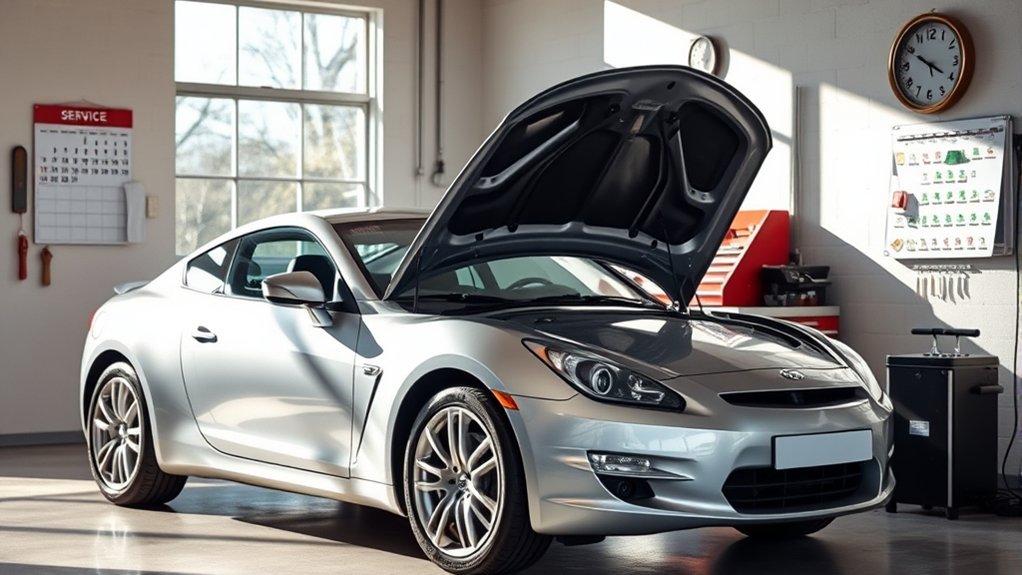
To keep your car running well, it’s vital to service it regularly. Change your oil every 5,000 to 7,500 miles and rotate your tires every 6,000 to 8,000 miles. At 30,000 miles, replace the engine air filter and inspect the brakes. A thorough check-up at 60,000 miles, including all fluid replacements, is imperative. Watch for warning signs like a check engine light or unusual sounds, as they indicate that immediate action is needed. More details await you.
Key Takeaways
- Perform oil and filter changes every 5,000 to 7,500 miles for optimal engine health and performance.
- Rotate tires every 5,000 to 8,000 miles to ensure even wear and extend tire lifespan.
- Replace the cabin air filter every 15,000 to 25,000 miles or annually for improved air quality.
- Conduct thorough inspections at 30,000 and 60,000 miles, including fluid replacements and brake system checks.
- Address warning signs immediately, such as check engine lights or unusual noises, to prevent costly repairs.
Why Regular Car Maintenance Matters for Vehicle Longevity
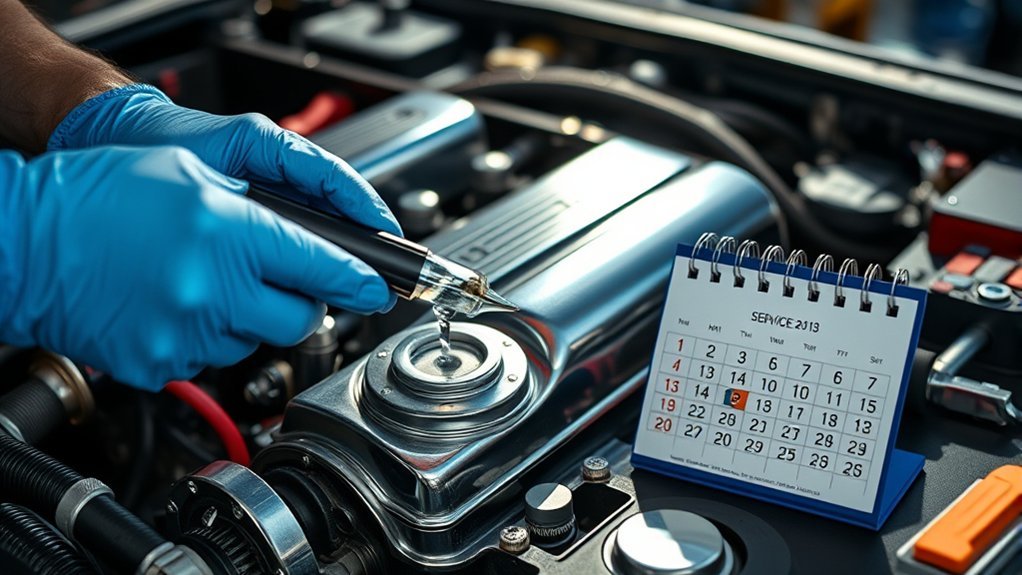
When you skip regular car maintenance, you risk not only costly repairs but also your vehicle’s longevity. Sticking to a maintenance schedule is vital; for instance, oil changes every 5,000 to 7,500 miles can greatly boost engine longevity and performance.
By following maintenance guidelines, you guarantee critical systems function properly, which also enhances your vehicle’s fuel efficiency. In fact, well-maintained cars can see a 4% increase in miles per gallon.
Plus, detailed service records can elevate your vehicle’s resale value by up to 20%. Neglecting these practices may void warranties, leading to higher out-of-pocket expenses for repairs that could’ve been covered.
Ultimately, regular maintenance not only saves you from costly repairs down the line but also liberates you from the stress of unexpected breakdowns, allowing you to enjoy a smoother, safer driving experience.
Essential Maintenance Services for Optimal Vehicle Performance
To guarantee your vehicle performs at its best, prioritizing essential maintenance services is critical.
Start with regular oil and filter changes every 5,000 to 7,500 miles to prevent engine wear and enhance performance. Don’t forget tire rotations every 5,000 to 8,000 miles; this promotes even tire wear and extends their lifespan.
Brake fluid replacement is imperative too, so schedule it every 20,000 to 45,000 miles for peak safety.
Also, replace your cabin air filter every 15,000 to 25,000 miles or annually to guarantee clean air and HVAC efficiency.
Regular inspections of key components like belts, hoses, and fluid levels should occur at least once a year.
These practices form the backbone of a solid maintenance schedule, helping you catch potential issues early and guaranteeing your vehicle runs smoothly.
Maintenance Frequency at Key Mileage Milestones
As your vehicle reaches significant mileage milestones, staying on top of maintenance becomes vital to guarantee longevity and performance.
Keeping a solid maintenance schedule helps you avoid costly repairs down the line. Here’s what to focus on:
- Oil Changes: Every 5,000 to 7,500 miles to maintain engine health and efficiency.
- Tire Rotations: Every 6,000 to 8,000 miles to promote even tire wear and extend lifespan.
- 30,000 Miles: Replace the engine air filter and inspect the brake system for peak performance.
At 60,000 miles, a thorough inspection is necessary, including fluid replacements to prevent overheating.
Don’t forget to replace the cabin air filter every 15,000 to 25,000 miles for better air quality and HVAC performance.
Signs That Your Car Needs Immediate Attention
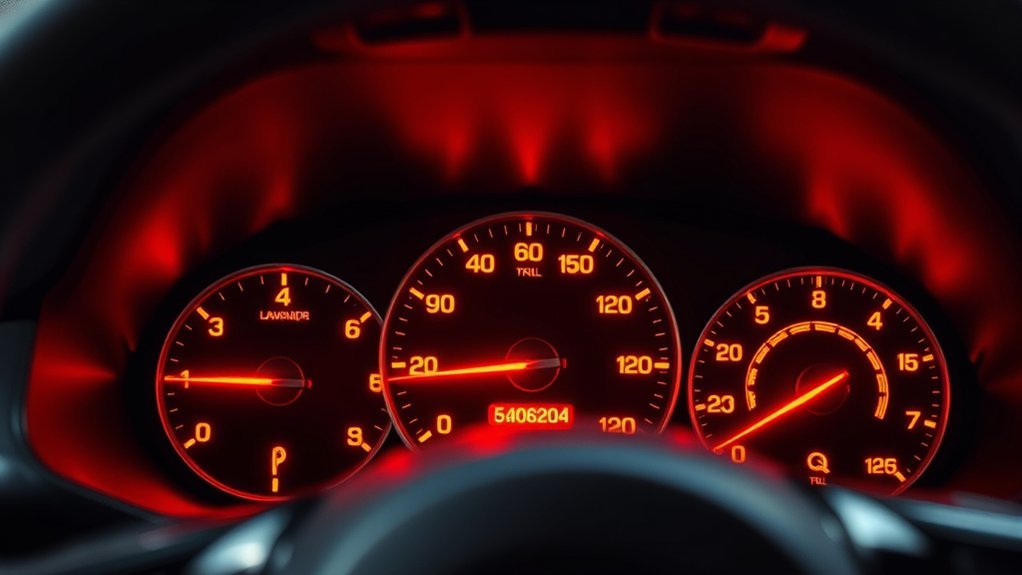
How can you tell if your car needs immediate attention? Start by checking if your check engine light is on; it signals a need for diagnostic attention to uncover potential issues.
If your brake pedal feels soft or you hear unusual sounds while braking, it’s essential to inspect your brake components for safety.
Notice a decline in acceleration? This could mean your spark plugs need replacing or that a tune-up is in order.
Vibration during operation often indicates tire imbalance or suspension problems that need quick diagnosis.
Additionally, if you experience a sudden drop in fuel efficiency or hard shifting in your automatic transmission, these could point to serious mechanical problems.
Addressing these signs promptly can prevent further damage and keep your car running smoothly, fulfilling its maintenance requirements and ensuring your safety on the road.
Next Steps When Your Car Shows Warning Signs
When your car shows warning signs, taking prompt action is key to maintaining its performance and safety. Ignoring issues can lead to costly repairs and compromised safety.
Here are some immediate steps to contemplate:
- If the check engine light is on, get a mechanic’s diagnosis to prevent further complications.
- Notice soft brake pedals or squeaking sounds? Inspect worn brake components right away to guarantee safe stops.
- Changes in acceleration performance or vibrations during operation can indicate deeper issues; don’t wait to seek help.
Additionally, decreased fuel efficiency or hard shifting in automatic transmissions needs urgent attention.
Regular maintenance services can help catch these problems early, keeping your vehicle running smoothly.
Frequently Asked Questions
How Frequently Should I Service My Vehicle?
You should service your vehicle every 5,000 to 7,500 miles, including oil changes, tire rotations, brake inspections, fluid checks, air filter replacements, battery maintenance, wiper blade replacements, alignment checks, and seasonal preparations for peak performance.
What Is the 30-60-90 Rule for Car Maintenance?
The 30-60-90 rule emphasizes preventative maintenance at 30,000, 60,000, and 90,000-mile intervals. This includes oil changes, tire rotations, brake inspections, fluid level checks, and meticulous mileage tracking to guarantee peak engine performance and safety.
How Often Does a Car Need to Get Serviced?
You should service your car every 5,000 to 7,500 miles, including oil changes, tire rotations, brake inspections, fluid level checks, air filter replacements, battery checks, and alignment services for peak performance and safety.
What Is the Recommended Maintenance Schedule?
To keep your car running smoothly, perform an oil change every 5,000 miles, rotate tires at 6,000 miles, check fluid levels regularly, and inspect brakes, filters, spark plugs, and battery annually for peak performance.
Conclusion
In the world of car care, remember: “An ounce of prevention is worth a pound of cure.” Regular maintenance not only extends your vehicle’s lifespan but also guarantees your safety on the road. By keeping an eye on essential services and addressing warning signs promptly, you can avoid costly repairs down the line. So, stay proactive with your car’s upkeep, and you’ll enjoy a smoother, safer driving experience for years to come.







Leave a Reply