To check who’s the registered owner of a car, start by locating the Vehicle Identification Number (VIN) on the dashboard or inside the driver’s door. This unique 17-character code reveals essential vehicle details and aids in ownership verification. Next, visit your state’s DMV website to request ownership information, keeping any applicable fees and legal reasons in mind. Alternatively, trusted online services like CARFAX can provide detailed vehicle history. Discover more about these methods and legal aspects next.
Key Takeaways
- Locate the VIN on the vehicle, typically found on the dashboard or inside the driver’s side door jamb.
- Use the VIN to request a vehicle history report from services like CARFAX or AutoCheck.
- Visit your state’s DMV website to find the specific form for requesting ownership information.
- Provide valid identification and a legitimate reason when submitting your request to comply with state regulations.
- Consider hiring a private investigator as a last resort for deeper ownership searches if other methods fail.
Why Is the VIN Crucial for Ownership Verification?

The Vehicle Identification Number (VIN) is the key to revealing a vehicle’s history, making it indispensable for ownership verification. This unique 17-character code serves as the vehicle’s fingerprint, providing essential information about the vehicle’s make, model, year, and manufacturing details.
By understanding the VIN structure, you can trace ownership history and uncover critical owner information. When you access vehicle history reports from services like CARFAX or AutoCheck, you’ll find insights into previous ownership and potential accidents, empowering you to make informed decisions.
To retrieve registered owner information, simply provide the VIN to the Department of Motor Vehicles (DMV) or other official agencies. This primary identifier guarantees you verify the authenticity of the vehicle, helping you avoid stolen or fraudulent vehicles.
In a world where liberation from deception is key, knowing how to utilize the VIN effectively enhances your confidence in vehicle ownership.
How to Find a Vehicle Identification Number (VIN)
To find your Vehicle Identification Number (VIN), check common locations like the dashboard near the windshield and under the hood.
Understanding how to decode the VIN can reveal essential details about your vehicle, from its make to its manufacturing year.
This unique code is vital for verifying ownership and accessing vehicle history, so knowing where to look is key.
Common VIN Locations
Finding your Vehicle Identification Number (VIN) can be a straightforward task if you know where to look. Start by checking the dashboard on the driver’s side, where the VIN is visible through the windshield.
Your next step is to inspect the label inside the driver’s side door jamb or the vehicle’s compliance plate. Other common locations include beneath the hood, on the steering column, or even in the spare tire compartment.
This 17-character alphanumeric code holds basic information about your vehicle, such as its make, model, and year of manufacture. To guarantee accuracy, always verify the VIN against official documents like the vehicle title or registration.
Knowing these locations empowers you in your search for ownership details.
Decoding VIN Basics
Decoding the Vehicle Identification Number (VIN) can reveal a wealth of information about your car. To find the VIN, check these common locations:
| Location | Description | Notes |
|---|---|---|
| Dashboard | Near the windshield on the driver’s side | Most accessible spot |
| Under the hood | On the engine block or firewall | May require lifting the hood |
| Steering column | Near the ignition switch | Often overlooked |
| Driver’s side door frame | On a sticker or metal plate | Easy to access when door is open |
| Registration documents | Found on vehicle registration and insurance | Essential for ownership verification |
Using decoding tools can enhance your VIN structure analysis, helping you grasp your vehicle’s specifications and VIN importance.
Importance of VIN
Understanding the significance of the Vehicle Identification Number (VIN) is key when checking car ownership and verifying a vehicle’s history. This unique 17-character code acts as a vehicle’s fingerprint, vital for VIN tracking and ensuring you know what you’re buying.
You’ll typically find the VIN on the dashboard near the windshield, inside the driver’s door jamb, or in the vehicle’s manual. Each VIN reveals important details like the manufacturer, model, and year, aiding in VIN verification.
Steps to Request Vehicle Ownership Info From the DMV
Requesting vehicle ownership information from the DMV involves a few straightforward steps that you should be prepared to follow. First, visit your state’s DMV website to find the specific form needed for your request. Each state has unique regulations regarding the DMV request process, so review the requirements carefully. Next, gather valid identification and be ready to pay any applicable fees.
Some states impose restrictions due to vehicle information privacy laws, requiring a legitimate reason—like being part of an accident or legal investigation—before granting access to owner information.
| Step | Description |
|---|---|
| 1 | Visit your state’s DMV website. |
| 2 | Fill out the required form. |
| 3 | Provide valid identification. |
| 4 | Pay any applicable fees. |
| 5 | Wait for processing, allowing ample time. |
Trusted Online Services for VIN and Ownership Checks

When you’re looking to check a vehicle’s history, trusted online services like CARFAX and AutoCheck can provide valuable insights through their detailed reports.
While these paid VIN lookup websites can reveal past ownership and accident records, they won’t disclose the current owner’s personal information due to privacy laws.
It’s essential to verify you’re using legitimate services to protect your own data while obtaining the information you need.
Vehicle History Report Services
Vehicle history report services, such as CARFAX and AutoCheck, are fundamental tools for anyone looking to buy a used car.
These services provide valuable insights into a vehicle’s past, including ownership history, accident records, and title information. While they don’t disclose the current owner’s name due to privacy laws, the reports reveal important details like past registrations and service records, enhancing your vehicle report accuracy.
When considering which service to use, perform a report cost comparison to guarantee you’re getting the best value for the information you need.
Additionally, evaluating the service reputation is essential, as reliable reports can greatly impact your purchasing decision, helping you avoid potential pitfalls.
Paid VIN Lookup Websites
If you’re looking for a deeper understanding of a vehicle’s history, paid VIN lookup websites offer a straightforward solution. These services, like CARFAX and AutoCheck, provide detailed reports covering ownership history, accident records, and title information. While they come with a fee, the VIN lookup benefits often outweigh the costs.
Here’s a quick cost comparison of popular services:
| Service | Cost | Key Features |
|---|---|---|
| CARFAX | $39.99 | Ownership history, accident checks |
| AutoCheck | $24.99 | Title information, auction data |
| VinCheckUp | $14.99 | Basic history, no ownership info |
| VINAudit | $29.95 | thorough reports |
| CheckThatVIN | $19.99 | Instant report access |
When selecting a service, verify reliability by checking reviews and compliance with data regulations.
Using Vehicle History Reports for Ownership Insights
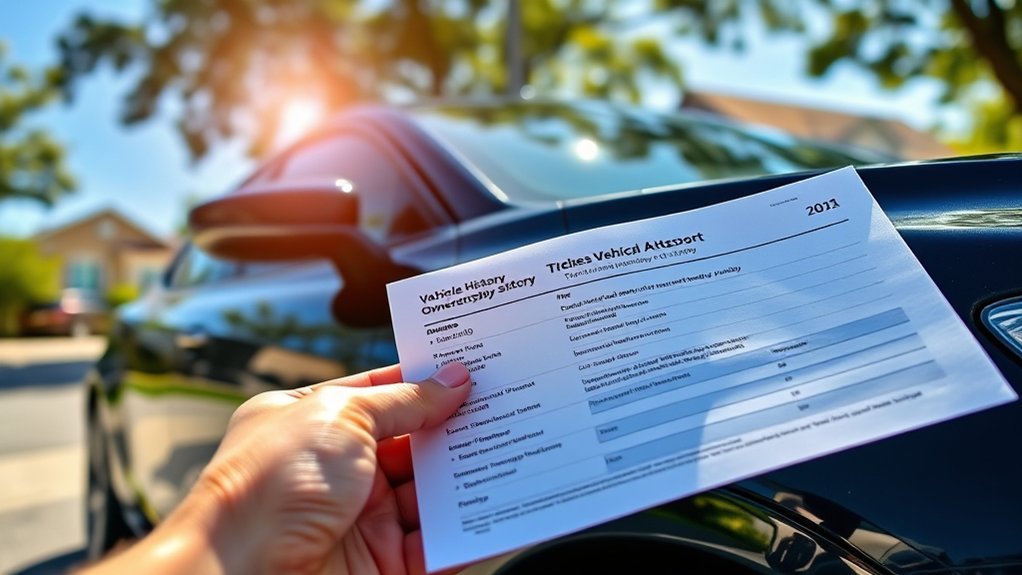
While you might be keen to learn about a car’s past, using vehicle history reports can provide essential insights into its ownership and condition.
Understanding a car’s history through vehicle reports reveals crucial details about its ownership and overall condition.
These reports, offered by services like CARFAX and AutoCheck, highlight:
- Previous ownership details
- Accident history
- Title status
- Reliability indicators
Legal Considerations for Accessing Owner Information
Understanding the legal landscape surrounding access to vehicle owner information is vital for anyone considering a purchase or involved in a dispute. The Driver’s Privacy Protection Act (DPPA) imposes legal restrictions aimed at safeguarding personal data, making it essential for you to navigate compliance requirements carefully.
| Aspect | Details |
|---|---|
| Legitimate Purpose | Verification for legal reasons or accidents |
| State Regulations | Each state has unique procedures and forms |
| Law Enforcement Access | Less restricted; can obtain info during investigations |
Be mindful of privacy concerns; accessing owner information without a valid reason can lead to serious legal penalties. Always verify you’re following state-specific guidelines to avoid violations.
What If I Can’t Find Ownership Information Online?
When online searches fall short, don’t worry—there are alternative methods to track down vehicle ownership information. Here’s what you can do:
- Visit the DMV or Department of Licensing: They hold official records, but be prepared to fill out a request form and explain why you need the info, as state regulations vary.
- Contact Insurance Companies: If the vehicle is insured, insurers may provide ownership details, respecting privacy concerns.
- Utilize Vehicle History Report Services: Tools like CARFAX or AutoCheck can reveal past ownership, though they usually won’t share current owners’ personal info due to privacy laws.
- Consider Hiring a Private Investigator: This can be a last resort for deeper searches, but keep in mind it might get pricey.
Frequently Asked Questions
How Do I Lookup Who Owns a Vehicle?
To lookup who owns a vehicle, check state DMV databases or use online lookup services. These resources provide access to vehicle ownership records, helping you find the information you need efficiently and effectively.
Can a License Plate Reveal Owner Info?
You can’t always get owner info from a license plate, as privacy laws guard vehicle registration details. While law enforcement accesses it easily, the public often faces restrictions, so tread carefully in your search.
Can I Find Someone’s Name From Their License Plate?
You can’t easily find someone’s name from their license plate due to license plate privacy and vehicle registration laws. Some online lookup tools exist, but they often require valid reasons or may not provide complete information.
Is It Legal to Find a Car Owner’s Name?
Yes, it’s legal to find a car owner’s name, but privacy concerns and legal regulations restrict access to this information. Only legitimate reasons can justify your request through state DMVs or insurance companies.
Conclusion
In summary, verifying a car’s ownership is simpler than you might think. Did you know that over 30% of used cars have undisclosed ownership issues? By using the VIN and trusted online resources, you can avoid potential pitfalls. Whether you’re buying, selling, or just curious, knowing a vehicle’s history is essential. Don’t hesitate to explore the available resources—protect yourself and make informed decisions with confidence!







Leave a Reply