
To get your car back on the road after declaring SORN, you’ll need a valid MOT certificate and proof of insurance. Gather the necessary reference numbers from your log book or tax reminder, then tax your vehicle online for a quick process. Remember to inspect your vehicle for safety issues before driving. Once you’ve sorted everything, you’ll be ready to hit the road again. Want to know more about the steps and costs involved?
Key Takeaways
- Ensure you have a valid MOT certificate and proof of insurance before attempting to UnSORN your vehicle.
- Gather the necessary reference numbers from your vehicle log book (V5C) or tax reminder.
- The quickest way to tax your vehicle is online through the UK government website.
- Alternatively, you can call DVLA at 0300 123 4321 or visit a participating Post Office.
- Conduct a thorough vehicle inspection to ensure it is roadworthy before driving again.
Understanding SORN and Its Importance

Understanding Statutory Off Road Notification (SORN) is essential for any vehicle owner in the UK who temporarily parks their car off public roads. Declaring SORN allows you to avoid paying road tax, saving you money while your vehicle’s parked.
Understanding SORN is vital for UK vehicle owners, enabling you to save on road tax while your car is off the road.
It’s a straightforward process that can be done online, by phone, or through the mail using your vehicle log book information, and it’s free of charge.
Remember, while your vehicle is under SORN, it must remain off public roads; otherwise, you could face fines from the DVLA.
Additionally, if you plan to use your vehicle again, you’ll need to guarantee it has a valid MOT certificate and insurance before reversing the SORN status.
This legal declaration not only liberates you from unnecessary expenses but also keeps you compliant with UK regulations, making it a smart choice for responsible vehicle ownership.
Prerequisites for UnSORNing Your Car
Before you can unSORN your car and hit the roads again, there are a few essential prerequisites you’ll need to check off your list.
First, confirm you have a valid MOT certificate—this is mandatory unless your vehicle is under three years old or over 40 years old without significant modifications.
Next, update your insurance; you can’t tax your vehicle unless you have proof of coverage.
You’ll also need either the 11-digit number from your vehicle log book (V5C) or the 16-digit reference number from your vehicle tax reminder to complete the unSORNing process.
If your log book is missing, don’t hesitate to apply for a new one.
Finally, make sure all current paperwork is in order, including your MOT and insurance certificates, to comply with vehicle tax requirements.
Following these steps will set you on the path to freedom on the open road!
How to UnSORN and Tax Your Vehicle Quickly
UnSORNing and taxing your vehicle can be a quick and straightforward process if you have everything in order.
To get started, make sure you have a valid MOT certificate, proof of insurance, and either the 11-digit number from your vehicle log book (V5C) or the 16-digit reference number from your tax reminder.
The quickest way to tax your vehicle is online via the UK government website, allowing immediate processing upon payment.
If you prefer speaking to someone, call the DVLA at 0300 123 4321, and have your V5C handy.
Alternatively, you can visit a participating Post Office to handle this in person, but remember to bring your valid MOT and V5C.
Keep in mind that your vehicle must be insured to be taxed, and you can only drive your car once it’s re-taxed and insured, meeting all legal requirements.
Checking Your Vehicle’s Condition Before Driving
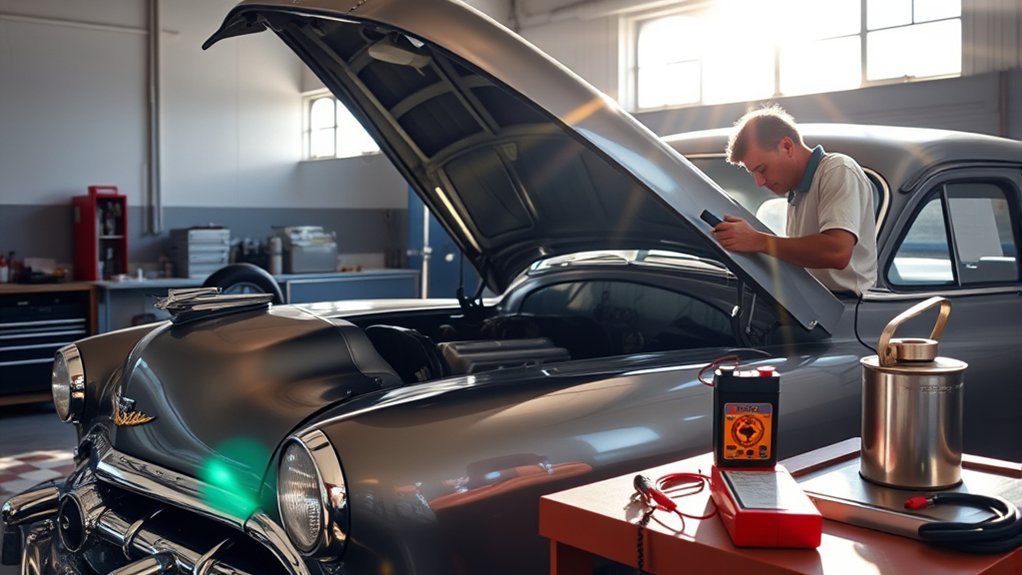
Once you’ve taken care of the necessary paperwork to un-SORN your vehicle, it’s essential to guarantee it’s in good condition before hitting the road. Start with a thorough inspection to verify your vehicle is roadworthy. Check the brakes, tires, lights, and fluid levels. Don’t forget to confirm your vehicle has a valid MOT certificate, especially if it’s over three years old.
Here’s a quick checklist for your inspection:
| Component | Action Needed |
|---|---|
| Brakes & Tires | Inspect for wear and damage |
| Fluid Levels | Check oil, coolant, and more |
| Lights & Signals | Test functionality |
Address any necessary repairs to comply with safety regulations and confirm your vehicle is ready for the road. By taking these steps, you’ll not only avoid fines but also enjoy a safer driving experience.
Cost Breakdown for UnSORNing Your Vehicle
When you unSORN your vehicle, the primary cost you’ll face is the road tax, which varies depending on your car’s CO2 emissions and registration date.
Don’t forget about additional expenses like a valid MOT for older vehicles and insurance coverage before you hit the road again.
Understanding these costs will help you budget effectively for getting back on the road.
Tax Payment Requirements
To successfully remove the SORN status from your vehicle, you’ll need to pay the appropriate road tax, which is the primary expense involved.
If your vehicle qualifies for £0 tax, you can unSORN your car without incurring any costs. For most, though, you’ll need to calculate the road tax based on your vehicle’s CO2 emissions and registration date.
Remember, there’s no direct fee for the unSORNing process; the tax is all you need to focus on.
Once you’ve re-registered your vehicle back on the road, you can apply for a refund for any full months of remaining tax paid before declaring SORN.
Make sure you handle this step to ease your financial burden!
Additional Costs Overview
While unSORNing your vehicle primarily involves paying road tax, several additional costs can impact your overall budget.
First, you’ll need a valid MOT certificate if your vehicle is over three years old, with costs ranging from £30 to £54.
Next, don’t forget about insurance, which is mandatory for taxing your vehicle. Premiums can vary greatly based on your driving history and the vehicle’s make and model.
Although there are no direct fees for removing a SORN, failing to tax the vehicle or declare SORN can result in fines up to £2,500.
Finally, budget for any necessary repairs to guarantee your vehicle is roadworthy. Preparing for these costs will help you hit the road confidently.
Common Questions About the UnSORNing Process?
How can you navigate the unSORNing process smoothly? Start by verifying you have valid insurance and a current vehicle’s MOT if your car is over three years old. UnSORNing is simple: you can tax your car online, via phone, or at a post office, making it quick and efficient.
Here’s a quick overview of key steps:
| Step | Requirement | Notes |
|---|---|---|
| 1. Check Insurance | Must be active | Coverage needed before unSORN |
| 2. MOT Certificate | Required for cars over 3 years | Verify it’s valid |
| 3. Tax Your Car | Pay road tax to remove SORN status | £0 tax vehicles incur no cost |
| 4. Complete Process | Online is fastest | Takes just a few minutes |
| 5. Roadworthy Check | Verify your car’s safe | Avoid penalties |
Once you’ve completed these steps, you’re ready to hit the road again!
What to Do After UnSORNing Your Vehicle
After unSORNing your vehicle, it’s important to take a few key steps to confirm you’re fully prepared for the road ahead.
First, you need to secure a valid insurance policy, as all vehicles must be insured before hitting the road. Next, conduct a thorough inspection to verify your vehicle’s roadworthiness. Address any safety issues that may have arisen during the SORN period.
Don’t forget to tax the vehicle—driving an untaxed car can lead to hefty fines from the DVLA, even for a short distance.
Make sure you have your MOT certificate and insurance details readily available, as you might need them during traffic stops or inspections.
Finally, keep an eye on your vehicle tax status to avoid any legal hassles. By following these steps, you’ll be back on the road with confidence and freedom.
Frequently Asked Questions
Is It Legal to Keep a SORN Car on the Road?
No, it isn’t legal to keep a SORN car on the road. You must follow SORN rules, ensuring proper registration, insurance, and vehicle conditions, or face legal penalties tied to road safety and parking regulations.
Can I Still Tax My Car After Declaring SORN?
Yes, you can tax your car after declaring SORN. Embrace the freedom of the open road again! Just make certain your vehicle registration’s up-to-date, and navigate the SORN process to avoid penalties and renew your journey.
What Happens to My Car Insurance When I SORN?
When you SORN your car, your insurance coverage typically faces a temporary suspension. You’ll need to inform your provider about SORN implications, adjust your policy, and check for any premium changes based on your vehicle’s value.
Can I Transfer a SORN to a New Owner?
You can’t transfer a SORN to a new owner. They must handle the SORN transfer process themselves, notifying the DVLA and fulfilling ownership documentation requirements while ensuring tax refund eligibility within SORN duration limits.
Conclusion
Now that you know how to un-SORN your car, you’re ready to hit the road again. With a little preparation and the right steps, you can breathe life back into your vehicle and enjoy the freedom of driving. Just remember, it’s better to be safe than sorry—so make sure everything’s in top shape before you take off. With your wheels back on the asphalt, you can embrace the open road and all the adventures that await!







Leave a Reply