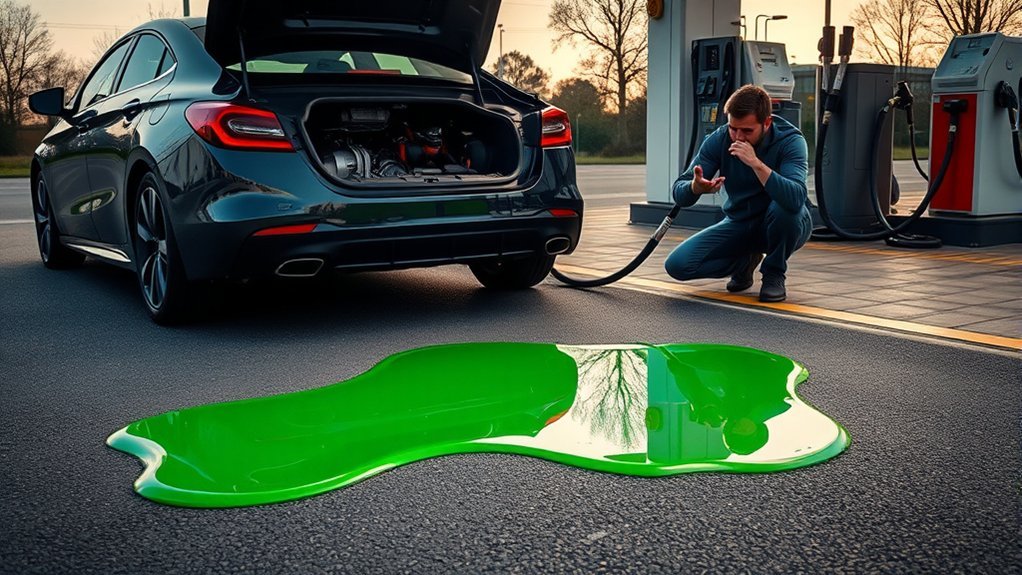
If you put petrol in a diesel car, it can cause severe engine damage. Petrol lacks the lubricating properties diesel provides, leading to wear and potential failure of critical engine components. Symptoms to watch for include rough idling, power loss, excessive smoke, and strange noises. Immediately stop fueling, turn off the engine, and seek professional help to drain the contaminated fuel. Understanding the risks can help protect your vehicle from costly repairs and long-term performance issues.
Key Takeaways
- Misfuelling occurs when petrol is mistakenly added to a diesel vehicle, risking immediate engine damage due to petrol’s lack of lubrication.
- Symptoms of misfuelling include rough idling, power loss, excessive exhaust smoke, and dashboard warning lights.
- Immediate actions include stopping fueling, turning off the engine, and seeking assistance to prevent further damage.
- Repair costs for misfuelling can range from $150 to thousands of dollars, depending on the extent of damage.
- Prevention strategies include verifying fuel type, minimizing distractions while refueling, and possibly adding specific misfuelling coverage to insurance policies.
Why Misfuelling Happens and Its Consequences
Misfuelling often happens when drivers mistakenly fill a diesel vehicle with petrol, typically due to distracted refueling or unfamiliarity with fuel types.
Misfuelling can occur when drivers accidentally use petrol in diesel vehicles, often due to distraction or lack of familiarity with fuel types.
The introduction of petrol in a diesel engine can lead to significant engine damage. Petrol lacks the lubricating properties of diesel, causing severe wear on fuel system components like injectors and pumps. Even a small percentage of petrol can disrupt diesel’s lubricity, triggering rough operation and power loss.
Moreover, petrol lowers the flash point, resulting in unstable combustion and increased thermal stress. Symptoms of misfuelling include excessive exhaust smoke and, in extreme cases, complete engine failure.
To mitigate these risks, immediate action is essential. Avoid starting the engine and seek professional assistance right away. Understanding these consequences empowers you to take proactive measures, ensuring your vehicle’s longevity and optimizing its performance.
What Happens When You Put Petrol in a Diesel Engine?
When petrol is introduced into a diesel engine, the consequences can be immediate and severe. Misfuelling disrupts the fuel’s lubrication properties, leading to increased wear on essential components like injectors and pumps.
Even small amounts of petrol considerably lower diesel’s flash point, elevating the risk of combustion instability and rough engine operation. You might experience loss of power, rough idling, excessive exhaust smoke, and potential engine stalling.
The risk of severe damage escalates if you continue driving on contaminated fuel, as petrol can cause premature failure of seals, gaskets, and other internal components.
To mitigate this damage, professional intervention is essential. Draining and flushing the fuel system is necessary, as continued operation can lead to costly repairs.
It’s important to address any misfuelling issue promptly to protect your diesel engine’s integrity and performance.
Recognizing the Symptoms of Misfuelling
When you misfuel your diesel car with petrol, you may notice significant engine performance issues, such as rough idling and a loss of power.
You might also hear unusual sputtering noises or detect strange smells, which indicate a problem.
Additionally, be alert for warning lights activating on your dashboard, as these can signal critical engine malfunctions.
Engine Performance Issues
One clear indicator of misfuelling in a diesel car is the onset of engine performance issues, which can manifest as rough running, excessive exhaust smoke, and frequent stalling. The presence of petrol disrupts the diesel system’s combustion stability, leading to a loss of power and poor acceleration. You may also notice increased friction in the fuel injection system, causing potential wear and damage.
| Symptoms | Consequences |
|---|---|
| Rough running | Unstable engine performance |
| Excessive smoke | Environmental impact |
| Loss of power | Compromised driving experience |
| Frequent stalling | Risk of complete engine failure |
Addressing these issues promptly is vital to prevent long-term damage and guarantee your vehicle’s liberation from misfuelling consequences.
Unusual Noises and Smells
Unusual noises and smells are often critical indicators of misfuelling in a diesel vehicle. If you’ve accidentally put petrol in your tank, you might hear knocking or pinging sounds due to improper combustion and increased friction within the engine.
A rough idling or sputtering indicates that your engine struggles to operate correctly with contaminated fuel. You may also notice excessive exhaust smoke, often white or blue, signifying incomplete combustion and potential oil ingress issues.
Additionally, a distinct petrol smell could emanate from the exhaust or engine bay, highlighting a compromised fuel system. Grinding noises may arise as internal components suffer from a lack of lubrication film, emphasizing the urgency for professional inspection to prevent further damage.
Warning Lights Activation
Misfuelling a diesel vehicle with petrol often triggers various warning lights on the dashboard, alerting you to potential issues that need immediate attention.
The engine management system detects combustion irregularities, which may cause symptoms like rough idling, loss of power, and excessive exhaust smoke. These symptoms can illuminate warning lights, signaling that your fuel system is compromised.
If you notice these indicators, your vehicle may enter limp mode to prevent further damage. It’s essential to recognize these warning lights early, as they can help you address misfuelling before significant harm occurs to the engine and fuel system components.
Stay vigilant; your diesel car’s health depends on it.
What to Do If You Misfuel?
If you misfuel, stop fueling immediately and refrain from starting the engine to prevent damage.
Seek professional assistance to address the issue, as handling it on your own can complicate matters.
Finally, monitor engine performance closely after the incident, as any irregularities may indicate further problems.
Stop Fueling Immediately
Stop fueling immediately and turn off the engine to prevent the contaminated fuel from circulating through the system.
If you suspect misfuelling, avoid using any electrical systems in your vehicle, as this could exacerbate issues.
Notify the fuel station staff of the incident; they can assist you in managing the situation.
Don’t attempt to dilute the wrong fuel with the correct type; this won’t solve the problem and may lead to further complications.
Arrange for your vehicle to be towed to a qualified mechanic.
A professional drain and flush of the fuel system is essential to mitigate potential severe engine damage.
Taking these steps promptly can greatly reduce the risk of costly repairs and restore your vehicle’s functionality.
Seek Professional Assistance
After turning off the engine and notifying the fuel station staff, your next step is to seek professional assistance.
Avoid starting the vehicle, as this can circulate contaminated petrol through your diesel engine, leading to severe damage.
Shift your car into neutral and move it to a safe location while waiting for professional help.
Contact a qualified mechanic or breakdown service to drain the contaminated fuel and flush the system effectively. This process minimizes the risk of long-term issues, preserving your vehicle’s integrity.
Additionally, keep detailed records of the incident, as misfuelling may impact warranty claims and insurance coverage for any resultant damage.
Taking swift action is vital to mitigate potential complications from this unfortunate mistake.
Monitor Engine Performance
Monitoring engine performance closely is crucial after misfuelling your diesel car with petrol.
Watch for symptoms like rough idling, power loss, or unusual sounds such as knocking, which indicate combustion irregularities.
Pay attention to the exhaust; unusual smoke colors—white, blue, or black—signal incomplete combustion or oil ingress due to fuel contamination.
Regularly check dashboard warning lights that may indicate fuel injection or lubrication issues stemming from the wrong fuel type.
Listen for sputtering sounds or poor acceleration when driving—these are early warning signs of misfuelling damage.
After addressing the issue, verify no fault codes remain in the engine management system, particularly those related to fuel injection irregularities or low-lubricity conditions to safeguard future performance.
Why You Should Never Drive With Petrol in a Diesel Engine
Driving a diesel engine with petrol can lead to catastrophic consequences, as the fundamental differences in fuel properties compromise essential engine functions.
Misfuelling introduces petrol, which lacks the necessary lubrication for fuel-injection systems, leading to severe engine damage. Even minimal petrol contamination can disrupt combustion stability, resulting in rough idling, power loss, and increased thermal stress on engine components.
Misfuelling with petrol compromises lubrication in diesel engines, causing severe damage and disrupting combustion stability.
The risk of engine failure escalates rapidly; you may notice symptoms like excessive exhaust smoke and knocking noises during operation.
If you’ve mistakenly filled your tank with petrol, it’s critical to stop using the vehicle immediately. Towing it to a mechanic is essential, as continuing to drive on contaminated fuel exacerbates damage and leads to costly repairs.
With around 150,000 misfuelling incidents reported annually in the UK, seeking professional assistance promptly can save you from extensive engine issues and financial strain.
Repair Costs From Misfuelling
When you misfuel a diesel engine with petrol, the financial impact can be substantial and varies widely based on the damage incurred.
Repair costs can range from hundreds to thousands of dollars, heavily influenced by the extent of damage to the fuel system and engine components. Initially, you might face costs of $150 to $300 for draining and flushing the fuel system.
However, if misfuelling leads to severe damage, you may require extensive repairs involving replacement of fuel pumps, injectors, and other internal parts, greatly escalating expenses. Labor charges for these complex repairs can add hundreds more to your bill.
Ignoring misfuelling and continuing to drive exacerbates the situation, risking complete engine failure and repair costs that could exceed several thousand dollars.
Being proactive in addressing misfuelling is essential to avoid these financial burdens.
Long-Term Effects of Misfuelling on Vehicle Performance
Misfuelling a diesel car with petrol can have serious long-term effects on vehicle performance, particularly due to the loss of lubricity essential for the proper functioning of fuel system components.
This disruption can lead to several vital issues:
- Accelerated wear on injectors and pumps due to insufficient lubrication.
- Rough operation and power loss from combustion instability.
- Accumulation of carbon deposits on pistons and valves, harming engine efficiency.
These misfuelling consequences can trigger early ignition or knocking, causing severe internal damage to your engine.
Over time, your vehicle’s long-term reliability and engine lifespan will be compromised, leading to costly repairs and diminishing resale value.
Ignoring these ramifications not only affects performance but can also leave you facing unexpected breakdowns.
Understanding the impact of misfuelling is essential for maintaining the integrity of your diesel engine and ensuring its continued functionality.
How to Prevent Misfuelling
Preventing misfuelling is essential for maintaining the health and performance of your diesel vehicle. To effectively avoid this costly error, consider these strategies:
| Strategy | Description | Benefits |
|---|---|---|
| Verify the Fuel | Always check nozzle colors and labels at the pump. | Guarantees the correct fuel is used. |
| Invest in Prevention Devices | Use fuel caps that fit only the correct nozzle size. | Reduces the risk of accidental refueling. |
| Educate All Drivers | Inform everyone who drives your vehicle about fuel types. | Promotes awareness and reduces mistakes. |
| Stay Focused | Minimize distractions while refueling. | Enhances concentration on the task at hand. |
Insurance and Warranties for Misfuelling Incidents
Accidental misfuelling can lead to significant financial repercussions, particularly concerning warranties and insurance coverage. Understanding these implications is vital for avoiding unexpected costs and ensuring proper vehicle maintenance.
- Vehicle warranties may void coverage for damages resulting from misfuelling.
- Many insurance policies exclude misfuelling damages; consider adding specific coverage.
- Documentation, such as receipts and mechanic reports, is essential for claims.
Before you fuel up, review your warranty and insurance terms carefully. If your policy doesn’t cover misfuelling, look into add-ons that can mitigate repair costs.
Being proactive in understanding your insurance and warranty options not only safeguards your finances but also promotes responsible vehicle maintenance.
Frequently Asked Questions
What Happens if You Accidentally Put Petrol in a Diesel Car?
If you accidentally put petrol in a diesel car, misfuelling causes engine performance issues, leading to potential repair costs. Watch for warning signs, and follow emergency tips to drain the fuel system effectively. Prevention methods are essential.
What Is the Fastest Way to Ungel Diesel Fuel?
To un-gel diesel fuel quickly, warm the tank and lines, then add anti-gel additives. If necessary, seek professional assistance for damage assessment and engine cleaning, while implementing preventative measures for future fuel contamination issues.
How Quickly Does Petrol Damage a Diesel Engine?
Just minutes of misfuelling can damage crucial engine components, leading to costly repairs averaging $2,000. Watch for warning signs like rough idling, and assess the fuel mixture immediately to prevent severe damage during recovery.
Can You Fix a Diesel Car After Putting in Petrol?
Yes, you can fix a diesel car after putting in petrol, but it often requires professional assistance. Repair options vary, with cost implications depending on potential damage, engine performance, and whether you choose DIY methods or professional help.
Conclusion
To sum up, misfuelling can lead to significant damage and costly repairs for your diesel engine. By understanding the consequences and recognizing the symptoms early, you can mitigate the risks. Visualize your vehicle’s fuel system as a delicate network; introducing petrol disrupts its function, potentially causing long-term issues. Always stay vigilant at the pump and consider safeguards like fuel caps and color-coded nozzles to prevent mishaps. Remember, prevention is far simpler—and cheaper—than repair.







Leave a Reply