The Diesel Particulate Filter (DPF) in your diesel car captures and reduces harmful soot and particulate emissions, ensuring your vehicle meets environmental regulations while improving engine efficiency. It operates through a regeneration process, burning accumulated soot to maintain ideal performance. If neglected, the DPF can become blocked, leading to engine issues and increased fuel consumption. Understanding how to maintain your DPF is essential for longevity and efficiency. Explore what you need to know about effective DPF management and maintenance.
Key Takeaways
- The Diesel Particulate Filter (DPF) captures and stores harmful soot and particulate matter from diesel exhaust to reduce emissions.
- DPF regeneration is essential, burning off accumulated soot through passive or active processes to maintain filter efficiency.
- Warning lights and reduced engine performance are common signs of a blocked or failing DPF.
- Regular maintenance and inspections are crucial to prevent DPF failure, especially for drivers making frequent short trips.
- Removing the DPF can lead to legal implications, high replacement costs, and potential engine damage.
What Is a Diesel Particulate Filter (DPF) and Its Purpose?
A Diesel Particulate Filter (DPF) is a significant component in diesel vehicles, designed to capture and store harmful soot and particulate matter from exhaust emissions.
By achieving filtration efficiencies of 85% or more, DPFs play an essential role in adhering to stringent emissions regulations. The regeneration process is important to the DPF’s functionality, as it burns off accumulated soot to maintain peak performance. This process can occur passively during regular driving or actively through additional fuel injection to raise exhaust temperatures.
DPFs achieve over 85% filtration efficiency, crucial for emissions compliance, with regeneration processes ensuring optimal performance.
DPFs are typically made from materials like cordierite, which is cost-effective, or silicon carbide, offering higher thermal stability. However, poor driving conditions, such as frequent short trips in urban areas, hinder effective regeneration, leading to filter blockage.
Understanding the DPF’s purpose is fundamental for any diesel vehicle owner, as it directly impacts both vehicle efficiency and environmental responsibility.
The Importance of DPF Regeneration
While driving a diesel vehicle, understanding the significance of DPF regeneration is essential for peak performance.
DPF regeneration is vital for maintaining filter efficiency by burning off accumulated soot, which can lead to blocked diesel particulate filters if neglected. Regular regeneration cycles—either passive during normal driving or active when soot levels rise—ensure your engine operates at its best.
Passive regeneration requires exhaust temperatures above 350°C, while active regeneration often involves injecting fuel to elevate temperatures for effective soot combustion.
Delays in DPF regeneration can increase fuel consumption, compromise engine performance, and even result in costly DPF failure due to excessive soot buildup.
If both passive and active methods fail, a parked regeneration process allows thorough cleaning while stationary.
Monitoring warning lights related to DPF regeneration activity can help you maintain your vehicle effectively, preventing serious issues and ensuring long-term diesel maintenance.
Signs Your DPF Is Blocked or Failing?
If your DPF is blocked or failing, you’ll likely see a warning light on your dashboard, signaling the need for immediate attention.
You may also notice reduced engine performance, with a drop in power and acceleration, along with increased fuel consumption as the engine struggles to manage exhaust gases.
Recognizing these signs early can help prevent more serious engine issues down the road.
Warning Light Activation
When the DPF warning light lights up on your dashboard, it’s a clear signal that your Diesel Particulate Filter needs immediate attention. Ignoring this warning can lead to serious engine damage.
Here are some signs that confirm your DPF is clogged:
- Increased frequency of regeneration cycles
- Difficulties starting the vehicle or poor throttle response
- Activation of limp mode, limiting engine power
A clogged DPF can greatly impact engine performance and fuel efficiency.
If you notice the warning light, it’s essential to consult a mechanic without delay. Continuing to operate your vehicle in this condition can strain the exhaust system and result in costly repairs.
Stay alert and take action to maintain your vehicle’s health.
Reduced Engine Performance
As your Diesel Particulate Filter (DPF) becomes increasingly blocked, you may notice a significant reduction in engine performance.
A blocked DPF causes heightened back pressure, making it difficult for your engine to vent exhaust efficiently. This strain often results in symptoms like poor throttle response and difficulty starting your vehicle.
If you ignore these signs, your engine may enter limp mode, limiting speed and power to prevent further engine damage.
Furthermore, the increased effort required to push exhaust gases through a clogged filter can lead to reduced engine power.
Addressing a failing DPF promptly is essential to maintaining peak performance and avoiding costly repairs down the line.
Increased Fuel Consumption
Increased fuel consumption often signals that your Diesel Particulate Filter (DPF) is blocked or failing. A clogged DPF forces your engine to work harder, leading to reduced efficiency.
Here are some signs to watch for:
- Illuminated dashboard warning light indicating DPF attention
- Noticeable decrease in engine power and performance, causing sluggish acceleration
- Elevated exhaust temperatures, risking further engine damage
If you’re experiencing increased fuel consumption, it’s essential to take into account regular maintenance to prevent DPF blockages.
Ignoring the issue can exacerbate particulate matter (PM) emissions and compromise engine performance.
Timely regeneration of the DPF can restore efficiency and protect your engine’s longevity.
Don’t let a failing DPF limit your driving experience.
Causes of Diesel Particulate Filter Failure
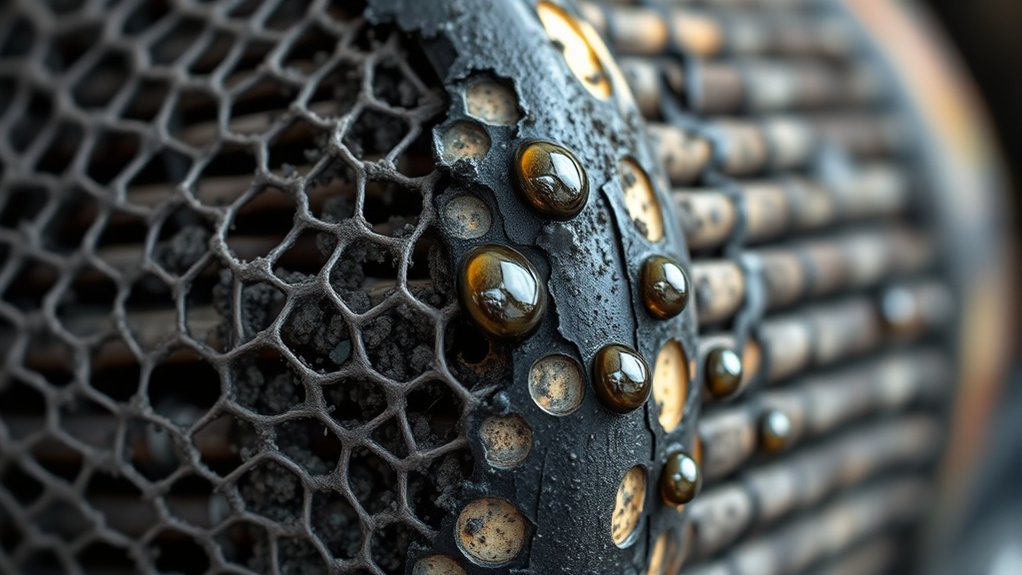
While various factors contribute to diesel particulate filter (DPF) failure, driving conditions play a significant role, especially if you frequently take short trips at low speeds. These conditions hinder the regeneration process, preventing the DPF from burning off exhaust soot effectively.
Driving conditions, particularly short trips at low speeds, significantly hinder DPF regeneration, leading to increased soot buildup.
Mechanical issues, such as faulty glow plugs or thermostats, can further disrupt this critical function, leading to increased blockage.
Inadequate engine oil, particularly those with high ash content, can create harmful residue that clogs the DPF. It’s essential to use low-SAPS oils for peak performance.
Additionally, poor maintenance practices, like neglecting regular inspections, can accelerate DPF failure, resulting in costly repairs.
Finally, using low-quality diesel fuel often results in higher soot production and ash buildup, ultimately leading to premature DPF clogging. Understanding these causes can help you mitigate the risks of DPF failure and maintain your vehicle’s efficiency.
How to Maintain Your DPF Effectively
To maintain your DPF effectively, establish a regular inspection schedule to catch potential issues early.
Additionally, using high-quality, low-SAPS fuel is essential, as it minimizes soot buildup and supports ideal filter performance.
Regular Inspection Schedules
Maintaining your diesel particulate filter (DPF) effectively requires a commitment to regular inspection schedules, ensuring ideal performance and longevity. Follow these key practices:
- Inspect the DPF every 15,000 miles or as per engine manufacturers’ guidelines to identify blockages early.
- Monitor dashboard warning lights; an illuminated DPF signal indicates an urgent need for inspection or maintenance.
- Schedule DPF cleaning every 30,000 miles, especially if your driving habits involve frequent short trips that hinder passive regeneration.
Additionally, using low-SAPS engine oils minimizes ash accumulation, prolonging your DPF’s lifespan.
Quality Fuel Usage
Regular inspection schedules play an essential role in the health of your diesel particulate filter (DPF), but using quality fuel is equally important in maintaining its performance.
Opt for high-quality diesel with low sulfur content to minimize soot and ash accumulation, which is critical for effective regeneration. Additionally, regularly using low-SAPS engine oils helps prevent harmful ash buildup that clogs the DPF.
Make sure to monitor fuel quality from reputable sources to avoid high-ash fuels that can lead to premature clogging. Consistent maintenance, including frequent oil changes and adherence to manufacturer recommendations, greatly extends the DPF’s lifespan and enhances overall engine efficiency.
These practices not only reduce emissions but also liberate you from costly repairs down the line.
Mechanism of Diesel Particulate Filter Functionality
While driving a diesel vehicle, you mightn’t realize the complexity of the Diesel Particulate Filter (DPF) and its essential role in reducing emissions. The DPF captures and stores soot and ash particles, markedly lowering harmful particulate matter released into the atmosphere.
Its effectiveness hinges on:
- The regeneration process, which burns off accumulated soot.
- Exhaust temperatures exceeding 350°C for passive and higher for active regeneration.
- Regular maintenance to prevent clogging and performance issues.
When the engine reaches the necessary temperatures, either through normal driving or additional fuel injection, the DPF initiates regeneration. This process is crucial for maintaining engine performance and fuel efficiency.
Using high-quality diesel fuel and low-SAPS oils further minimizes ash buildup, enhancing the longevity of the emissions system. Neglecting DPF maintenance can lead to reduced performance, increasing fuel consumption and emissions.
Stay vigilant to guarantee your DPF operates at peak efficiency.
Types of Diesel Particulate Filters and Their Applications
Understanding the various types of Diesel Particulate Filters (DPFs) is key to optimizing diesel engine performance and emissions control. Different DPF materials cater to specific needs, enhancing filtration efficiency and adaptability.
| DPF Type | Filtration Efficiency | Applications |
|---|---|---|
| Cordierite | Good (low melting) | Cost-effective solutions |
| Silicon Carbide | High (thermal stability) | High-performance engines |
| Metal Fiber | Variable (low-temp regeneration) | Retrofit and custom setups |
Cordierite filters are cost-effective and efficient but have a lower melting point. In contrast, silicon carbide filters provide better thermal stability at a higher price. For specialized needs, ceramic fiber filters excel with over 95% removal of carbon particulates. Meanwhile, metal fiber filters allow low-temperature regeneration via electrical current, offering versatility in design. Partial filters can filter 50-85% of particulate matter, making them suitable for retrofitting to meet emissions standards without complete installations.
Understanding DPF Regeneration Processes
DPF regeneration processes are vital for maintaining ideal filter performance and overall engine efficiency. Understanding how these processes work can help you avoid costly engine damage due to blocked DPF filters.
There are two primary methods of regeneration:
- Passive regeneration occurs automatically when your exhaust temperature exceeds 350°C, allowing soot particles to oxidize naturally.
- Active regeneration kicks in when soot levels reach about 45%, injecting extra fuel to elevate exhaust temperatures and burn off the accumulated particulates.
- Parked regeneration is a manual procedure performed when both passive and active methods fail, requiring the vehicle to be stationary for up to an hour.
Regular maintenance and awareness of your driving habits are important for effective DPF regeneration.
Engine Oil’s Effect on DPF Performance
Maintaining ideal DPF performance isn’t just about regeneration processes; engine oil plays a significant role as well. The choice of engine oil directly impacts the efficiency of your diesel particulate filter (DPF).
Traditional oils with metallic additives create ash that can block exhaust flow, compromising DPF effectiveness. Opting for low-SAPS (Sulphated Ash, Phosphorous, and Sulfur) oils is critical to minimize ash accumulation and guarantee compliance with emissions standards.
ACEA classifies engine oils, and using C-grade oils specifically designed for diesel engines equipped with DPFs enhances performance. Additionally, fuel quality matters; high-ash or low-quality fuel exacerbates DPF blockage.
Regular oil changes with manufacturer-recommended low-ash oils are essential to extend your DPF’s lifespan and efficiency. By prioritizing these factors, you can achieve peak DPF performance and maintain your vehicle’s reliability and environmental compliance.
Cost and Legal Implications of DPF Removal
While the allure of enhanced performance might tempt some diesel vehicle owners to contemplate DPF removal, the financial and legal ramifications make this choice unwise. The costs associated with DPF removal and potential replacements can escalate quickly, impacting your wallet considerably.
Consider the following:
Consider the potential legal and financial repercussions before contemplating DPF removal; the risks far outweigh any perceived performance benefits.
- Legal implications under EPA regulations can lead to hefty fines for tampering with emissions control systems.
- Vehicles without a DPF risk failing emissions inspections, resulting in additional fines and potential insurance issues.
- Long-term consequences may include engine damage, undermining your vehicle’s overall integrity.
DPF removal not only jeopardizes compliance but also compromises efforts to reduce harmful particulate matter emissions.
Consequently, it’s crucial to weigh the allure of performance against these serious risks to vehicle operation and public health. Investing in proper maintenance and compliance is a far wiser choice.
Frequently Asked Questions
What Does a DPF Do on a Diesel Engine?
A DPF captures soot from diesel emissions, ensuring cleaner air. You must monitor DPF warning signs and perform regular maintenance. Understanding the regeneration process and DPF technology advancements helps improve performance and troubleshoot issues effectively.
Can I Clean My DPF Myself?
You can clean your DPF yourself using DIY DPF maintenance methods or DPF cleaning kits, but make certain you recognize signs of blockage. For safety and performance, professional cleaning services are often recommended for best results.
How Much Does a DPF Cost to Replace?
Replacing a DPF can cost you between $3,000 and $10,000. Explore DPF repair options, consider aftermarket parts, and follow maintenance tips to minimize expenses while ensuring peak performance. Don’t forget warranty coverage for added peace of mind!
Can a Diesel Car Run Without a DPF?
Yes, a diesel car can run without a DPF, but DPF removal has legal implications. You’ll face issues like reduced engine performance, poor fuel economy, and higher emissions, violating emission standards and harming the environment.
Conclusion
In conclusion, understanding the diesel particulate filter (DPF) is essential for maintaining your vehicle’s performance and compliance with emissions regulations. Did you know that over 85% of modern diesel vehicles are equipped with a DPF? This statistic highlights the widespread reliance on DPF technology to reduce harmful emissions. By recognizing the signs of a failing DPF and following proper maintenance practices, you can enhance your engine’s efficiency and extend its lifespan considerably.







Leave a Reply