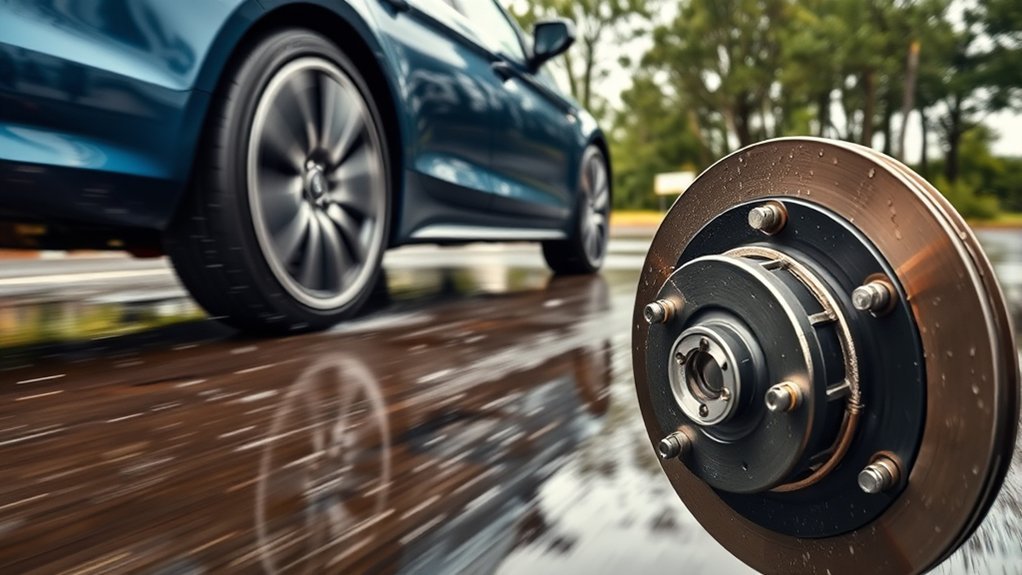
Slamming on your brakes during an emergency can easily lock your wheels and send your car into a dangerous skid. An Anti-Lock Braking System (ABS) prevents this loss of control by rapidly pumping the brakes to maintain traction. This safety feature helps you steer clear of sudden obstacles while coming to a stop safely.
Quick Answer
An Anti-Lock Braking System (ABS) uses sensors to detect when your car’s wheels are about to lock up during a hard stop. It automatically pumps the brakes much faster than a human can, ensuring your tires maintain grip on the road. This allows you to steer around obstacles safely instead of skidding out of control.
Key Takeaways
- An Anti-Lock Braking System keeps your wheels rolling during sudden stops to help you maintain steering control.
- The system uses wheel speed sensors, a controller, valves, and a hydraulic pump to modulate brake pressure.
- Anti-lock brakes can reduce stopping distances by 10 to 15 percent on dry and high-traction roads.
- Federal data shows that ABS lowers the risk of multi-vehicle collisions by roughly 18 percent.
- The system does not guarantee shorter stopping distances on loose gravel or deep snow.
Understanding the Anti-Lock Braking System
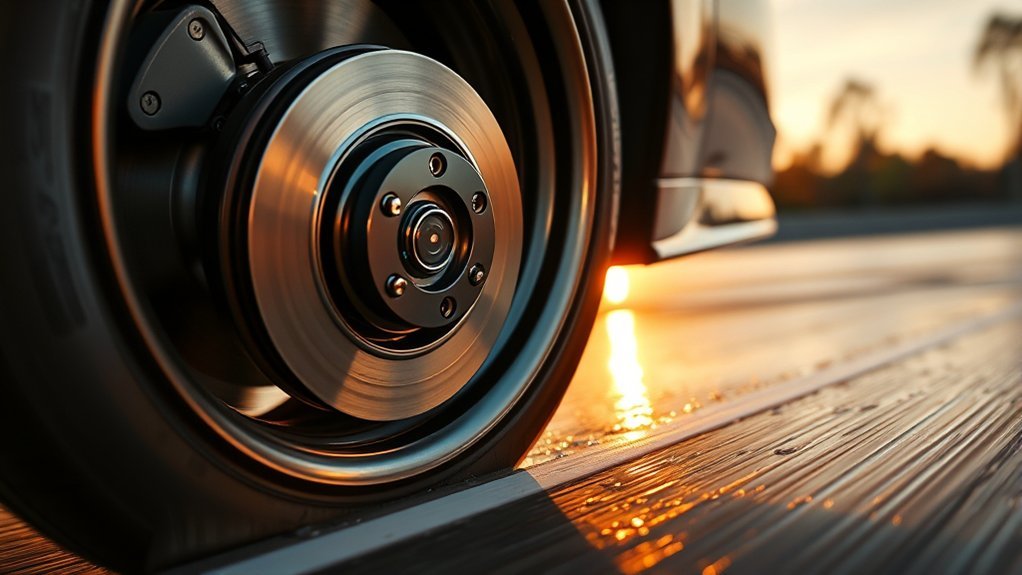
An Anti-Lock Braking System (ABS) prevents your car wheels from locking completely during a sudden stop. It gives you much better control over the vehicle during a roadside emergency.
The system relies on four main parts: wheel speed sensors, valves, a pump, and an electronic control module. These components modulate the braking force up to 15 times per second. This rapid pulsing action lets you steer safely while braking hard.
Anti-lock brakes perform best on high-traction surfaces like dry pavement. They can cut your stopping distances by 10 to 15 percent compared to older traditional brake systems. Modern electronic ABS first appeared in the early 1970s and now comes standard on nearly all new passenger vehicles.
How ABS Improves Vehicle Safety
Anti-lock brakes greatly improve your steering capability during a panic stop. This automated technology significantly lowers your overall risk of sliding out of control.
Keeping your tires gripping the road allows you to steer around stalled cars or debris safely. Rapid brake modulation boosts your emergency stopping power when every split second counts.
Improved Steering Control
Sudden stops require precise handling to avoid severe accidents. The anti-lock braking system helps you maintain that critical steering control.
Preventing wheel lock-up gives you the physical ability to navigate safely around road hazards. The system accomplishes this through a few specific actions:
- Traction Maintenance: ABS adjusts brake pressure rapidly to keep your tires gripping the asphalt.
- Swift Maneuverability: Retaining your steering ability helps you react perfectly to sudden road hazards.
- Reduced Crash Risk: Data shows vehicles equipped with ABS lower the chances of multi-vehicle accidents by about 18 percent.
In critical moments, this technology keeps you in command of your car. It performs exceptionally well on wet or slick roads.
Reduced Skidding Risk
Skidding presents a major danger during any sudden braking maneuver. Anti-lock brakes keep this risk to an absolute minimum. Preventing wheel lock-up guarantees you keep your steering capability intact on slippery surfaces.
| Feature | Impact on Safety |
|---|---|
| Reduced Skidding | Prevents sudden loss of vehicle control |
| Improved Steering Control | Enhances your emergency maneuverability |
| Shorter Stopping Distances | Reduces collisions by 10 to 15 percent |
| Emergency Braking Efficiency | Works efficiently in bad weather conditions |
Historical research reveals that ABS drops the likelihood of multiple vehicle crashes. This proves the incredible importance of this technology for modern driver safety.
Enhanced Emergency Braking
Strong emergency braking helps you avoid hitting unexpected road obstacles. The ABS system manages this entire process efficiently.
- It prevents wheel lock-up to maintain your vital steering control.
- It adjusts brake fluid pressure up to 15 times per second for smooth performance.
- It increases your stability in rain, snow, and icy conditions.
Key Components of the ABS System
The anti-lock system relies on a few essential parts working flawlessly together to keep you safe.
Wheel speed sensors constantly track how fast each tire spins. They send this information directly to the main ABS controller. The controller watches for any sign that a wheel might lock up and slide.
When the controller spots a risk, it triggers hydraulic valves to reduce the brake line pressure. The pump then quickly restores hydraulic pressure to the brake lines. This fast cycle repeats rapidly to provide the absolute maximum braking force possible.
How to Use Anti-Lock Brakes Properly
Many drivers use anti-lock brakes incorrectly during an emergency. You should never manually pump the brake pedal if your car has an active ABS system. Pumping the brakes actually fights the automated system and drastically increases your stopping distance.
Instead, you must press the brake pedal down firmly and hold it there. You will likely feel a strong vibration or pulsing sensation in the pedal. This pulsing means the system is working perfectly to keep your wheels turning safely.
Keep your foot pressed firmly on the brake pedal until the car stops. Keep your eyes up and steer smoothly around any obstacles in your path.
Top Benefits of Anti-Lock Brakes
Anti-lock brakes provide massive advantages for daily drivers facing bad weather or sudden stops. You can maintain your steering during a hard stop to avoid hitting an obstacle entirely.
Here are three major benefits of driving a vehicle with anti-lock brakes:
- Better Braking Performance: The system adjusts pressure rapidly to stop the car safely under stress.
- Shorter Stopping Distances: You can stop much faster on dry pavement than vehicles without ABS.
- Accident Prevention: Drivers with ABS experience far fewer multi-vehicle collisions.
Federal mandates require Electronic Stability Control and ABS on all new vehicles. These rules helped drop nonfatal car crashes by about 6 percent nationwide.
Misconceptions and Limitations of ABS
Anti-lock brakes offer amazing safety benefits but come with a few notable limitations.
Many drivers wrongly believe ABS stops the car faster on every single surface. Stopping distances can actually increase heavily on loose gravel or fresh snow. The system releases the brakes to prevent locking, which unfortunately stops the tires from digging into loose surfaces to slow down.
Anti-lock brakes do not guarantee a shorter stopping distance on snow or loose gravel.
Early safety studies also showed a higher rate of run-off-road accidents involving vehicles with ABS. Many drivers felt overconfident and drove entirely too fast for the wet road conditions. False security often leads directly to risky driving habits.
Older anti-lock systems often produced a loud grinding noise and a harsh pulsing pedal. This sensation scared unfamiliar drivers into lifting their foot off the brake pedal.
Understanding the Differences Between Car and Motorcycle ABS
Car and motorcycle brake systems handle speed and weight differently. Cars normally use a four-channel system that watches each wheel independently.
Motorcycles feature highly unique designs to match their balance and leaning dynamics. Knowing these differences helps you fully understand how each system stops the vehicle safely.
Wheel Speed Sensor Differences
Sensors on a motorcycle differ greatly from those mounted on a passenger car.
- Sensor Count: Cars use four independent sensors. Motorcycles usually use two sensors mapped to the front and back wheels.
- Mounting Spots: Car sensors sit tucked inside the wheel hub. Motorcycle sensors often mount directly to the exposed brake rotor.
- Control Complexity: Cars use complex controllers for four flat wheels. Motorcycles need precise programming to handle severe leaning and physical balance.
System Design Variations
Cars and motorcycles require different braking designs to stay upright and stable.
A car uses four channels to control brake pressure at each individual corner. This setup keeps the car flat and completely stable during a sudden highway stop.
Motorcycles usually use a dual-channel setup for the front and rear brakes. Motorcycle controllers must perfectly account for lighter vehicle weight and extreme lean angles. Modern sport bikes also blend traction control with ABS to stop the tires from slipping during fast acceleration.
How to Maintain Your Anti-Lock Brakes
Regular maintenance keeps your braking system ready for an unexpected emergency. Ignoring basic brake care puts your safety at severe risk.
- Check Brake Fluid: Keep your brake fluid filled to the correct maximum line. Low or dirty fluid ruins braking performance and destroys the ABS pump.
- Clean Speed Sensors: Ask your mechanic to clean the wheel sensors during a brake job. Heavy dirt blocks the sensor readings and causes total system failures.
- Watch the Dashboard: Take your car to a repair shop immediately if the ABS warning light turns on.
Pay close attention to any strange brake noises or a soft brake pedal. Fixing small brake issues early saves you money and keeps you safe on the highway.
Always consult a qualified automotive professional before attempting major brake repairs or diagnostics on your vehicle.
Safety Standards and ABS Regulations
Safety standards ensure modern vehicles protect drivers during a high-speed crash. The federal government mandated Electronic Stability Control, which includes ABS, for all new passenger vehicles built after 2011.
This rule forces automakers to include technology that stops dangerous wheel lock-up. The National Highway Traffic Safety Administration reports that these required systems drop multi-vehicle crashes by about 18 percent.
All factory systems must include a dashboard warning light to alert the driver of any faults. You must always know if your emergency braking system works correctly.
Federal safety standards require all modern passenger vehicles to feature anti-lock brakes and stability control systems.
Real-World Examples of Anti-Lock Brakes
Anti-lock brakes make a huge difference in real-world daily driving. You can steer safely away from a sudden traffic jam or a crossing animal.
- Crash Avoidance: Historical research shows a major drop in multiple-vehicle crashes for cars equipped with ABS.
- Dry Pavement Stops: High-traction roads allow the automated system to stop the car roughly 10 to 15 percent faster.
- Gravel and Snow Limits: The system often takes longer to stop a car on loose dirt or heavy snow.
Comparing ABS to Other Safety Features
Anti-lock brakes work best when paired with other modern vehicle safety features.
Electronic Stability Control (ESC) applies the brakes to individual wheels to stop the car from spinning out on a curve. Traction Control Systems (TCS) stop the drive wheels from spinning too fast when you step aggressively on the gas pedal.
All three systems share the exact same wheel speed sensors to keep the car under your control. Working together, they heavily reduce your chances of skidding off the road or rolling over.
Frequently Asked Questions
What Does the Anti-Lock Braking System Do?
It stops your wheels from locking up entirely during a sudden panic stop. The system pumps the brakes automatically so you can keep steering safely around obstacles.
Can I Still Drive My Car With the ABS Light On?
You can physically drive the car, but your emergency braking system will not function. You must take your car to a trusted mechanic quickly to restore your full safety features.
Is an ABS System Expensive to Fix?
Repairs can cost anywhere from $100 for a simple wheel sensor to over $1,000 for a new control module. Routine brake fluid changes help prevent expensive hydraulic pump failures.
What Should You Do if Your ABS Warning Light Turns On?
Check your brake fluid level under the hood first. If the fluid looks full, schedule an inspection with a certified mechanic to read the electronic diagnostic codes.
Conclusion
An Anti-Lock Braking System keeps you in total control during stressful emergency stops. Schedule a routine brake inspection this week to confirm your fluid levels and wheel sensors are working perfectly. Driving a well-maintained vehicle gives you the absolute confidence to handle any unexpected hazard on the road safely.






Leave a Reply