
Every parent dreads the thought of a car crash. Securing your child in the right car seat provides the best protection against severe injury. Knowing exactly when and how to switch your child from a rear-facing to a forward-facing position saves lives.
Quick Answer
The American Academy of Pediatrics advises keeping your child in a rear-facing car seat until they reach the maximum height or weight limit allowed by the seat manufacturer. This usually happens between ages 3 and 4. Switching to a forward-facing seat too early greatly increases the risk of severe head and neck injuries during a crash.
Why Rear-Facing Car Seats Are Safest
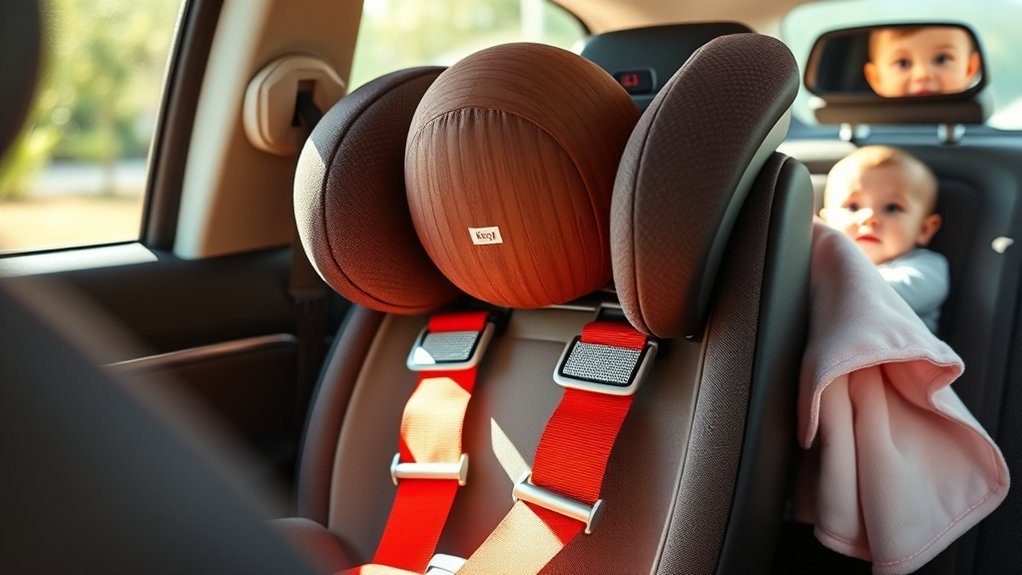
Rear-facing car seats provide essential protection for your infant’s developing body. During a frontal crash, a rear-facing seat absorbs the heavy impact force. It cradles your child’s head, neck, and spine evenly against the hard shell of the seat.
A young child’s head is large and heavy compared to the rest of their body. Their neck bones and ligaments remain soft and stretch easily. If they ride forward-facing, a sudden stop throws their heavy head forward violently. This motion easily causes severe spinal injuries.
According to the American Academy of Pediatrics (AAP), keeping children rear-facing prevents this dangerous forward snapping motion. Modern convertible seats feature high weight limits ranging from 40 to 50 pounds. This allows your child to stay rear-facing much longer than the outdated two-year minimum.
When Is Your Child Ready for a Forward-Facing Seat?
You might feel eager to turn your child’s seat around. Safety experts strongly recommend waiting as long as possible. Age alone does not determine readiness. Your child is ready to ride forward-facing only when they meet specific physical milestones.
Look for these signs before making the switch:
- They exceed the maximum rear-facing weight limit printed on your car seat label.
- They exceed the maximum rear-facing height limit for the seat.
- Their head sits less than one inch from the top edge of the rear-facing car seat shell.
What About Cramped Legs?
Many parents worry when their toddler’s feet touch the vehicle’s back seat. You might think they look uncomfortable or risk breaking their legs in a crash. Crash test data proves this fear is a myth.
Children naturally bend their legs or sit cross-legged in rear-facing seats. This bent-leg position keeps them comfortable and completely safe. Do not turn a child forward-facing just because their legs look long.
Car Seat Options for Growing Children
Choosing the right car seat ensures your child gets the maximum protection for their size. As your baby grows out of their initial bucket seat, you will need to upgrade. Consider these standard options:
- Infant Car Seat: Built strictly for early months. These only face the rear and typically max out around 30 pounds or 32 inches.
- Convertible Car Seat: Supports both rear-facing and forward-facing setups. These allow you to keep your child rear-facing up to 40 or 50 pounds.
- All-in-One Car Seat: Functions as a rear-facing seat, a forward-facing harness seat, and eventually a booster seat.
- Combination Harness Seat: Starts as a forward-facing seat with a five-point harness and later converts into a belt-positioning booster.
Always check your specific manual to find the exact limits for your model. Guidelines vary significantly between brands.
How to Safely Install a Forward-Facing Car Seat
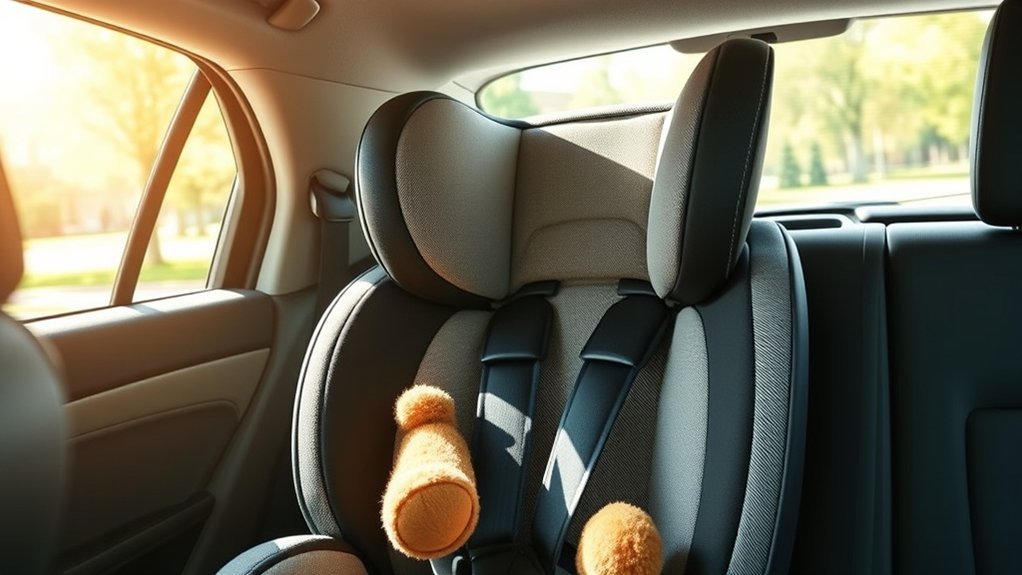
Proper installation prevents catastrophic injuries during a collision. Many parents install seats incorrectly without realizing it. Always place the car seat in the back row of your vehicle.
Secure the seat using either the vehicle’s LATCH system or the standard seat belt. Never use both systems at the same time unless the manufacturer specifically allows it. Attach and tighten the top tether strap. This critical strap connects the top of the car seat to a built-in anchor behind the vehicle seat. The top tether prevents the child’s head from pitching forward during a crash.
Next, adjust the five-point harness. Thread the harness straps so they sit at or slightly above your child’s shoulders. Tighten the straps until they lay completely flat. You should not be able to pinch any slack in the strap at your child’s collarbone. Grab the base of the seat and push it firmly. The seat must not move more than one inch side-to-side or front-to-back.
Always consult a certified Child Passenger Safety Technician (CPST) if you doubt your installation. Check your local state laws as well, as many states strictly mandate minimum ages and weights for forward-facing travel.
Frequently Asked Questions
When can I switch my baby to face forward?
Wait until your child outgrows the highest weight or height limit allowed by their rear-facing car seat. For most children in modern convertible seats, this happens between ages 3 and 4. Do not rush the transition based on age alone.
Can my 1-year-old go in a front-facing car seat?
No. A 1-year-old’s spine and neck bones are entirely too fragile to withstand the forces of a forward-facing crash. Keep them rear-facing to protect their spinal cord. Furthermore, many state laws legally require children under age 2 to ride rear-facing.
What are the risks of facing forward too early?
Facing forward too early drastically increases the chance of severe neck injuries. In a crash, a forward-facing child’s heavy head snaps forward while their torso remains strapped to the seat. This force can stretch or tear the spinal cord.
Final Thoughts on Car Seat Transitions
Keeping your child in a rear-facing car seat as long as possible offers the highest level of protection against severe injuries. Grab your car seat manual today to find the exact height and weight limits for your specific model. Taking just a few minutes to verify these details ensures your child rides safely on every single trip.







Leave a Reply