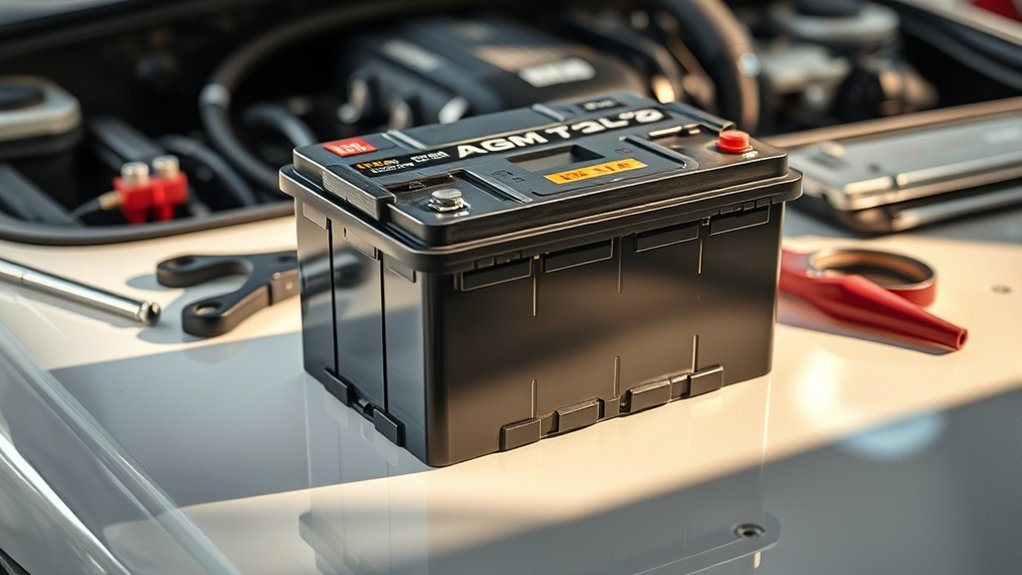
Do you frequently struggle to start your engine or feel concerned about your car battery failing during cold winter months? You rely on your vehicle’s electrical system to handle everything from GPS navigation to advanced start-stop engine technology. Upgrading to an Absorbed Glass Mat (AGM) battery provides the reliable power your car needs to handle these modern demands.
Quick Answer
An AGM battery uses advanced glass-mat technology to hold electrolyte, making it spill-proof, vibration-resistant, and capable of fast recharging. It serves as a superior upgrade for vehicles with start-stop systems or high electronic demands. While more expensive than standard flooded batteries, its durability and long service life often make it a cost-effective choice.
Understanding AGM Battery Features
- AGM batteries use fiberglass mats to hold the electrolyte, which prevents spills and allows for installation in various positions.
- They recharge up to five times faster than traditional flooded batteries because they have lower internal resistance.
- A low self-discharge rate of about 1% monthly makes them ideal for vehicles you drive infrequently.
- These batteries handle extreme temperatures and vibrations better than standard lead-acid alternatives.
- Drivers of vehicles with start-stop technology benefit most from the rapid charge acceptance of AGM models.
How AGM Battery Technology Works
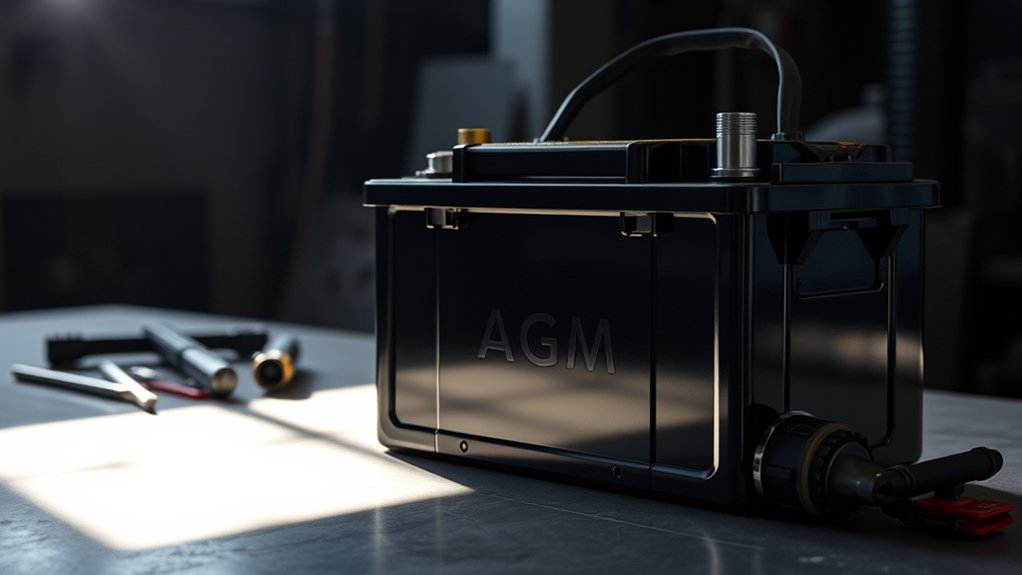
An AGM battery functions differently than a standard flooded lead-acid battery. Instead of liquid electrolyte sloshing inside the case, the battery uses thin fiberglass mats sandwiched between lead plates. These mats absorb the acid, which prevents leaks and movement.
This design creates low internal resistance. Because electricity flows through the mats efficiently, the battery accepts a charge much faster. This makes it an ideal power source for modern cars that demand frequent, high-power bursts for electronic systems.
Key Benefits of AGM Technology

AGM batteries provide several distinct advantages for vehicle owners. They offer reliability that standard batteries often cannot match during demanding conditions.
- Spill-proof design: The internal fiberglass mat traps all electrolyte, which allows you to mount the battery safely in various orientations.
- Superior durability: Their construction makes them highly resistant to vibrations, which helps prevent internal damage on bumpy roads.
- Deep cycle capability: You can drain and recharge these batteries more often without damaging their internal plates.
- Low self-discharge: You can store the battery for long periods without it losing its charge.
Upgrading to an AGM Battery
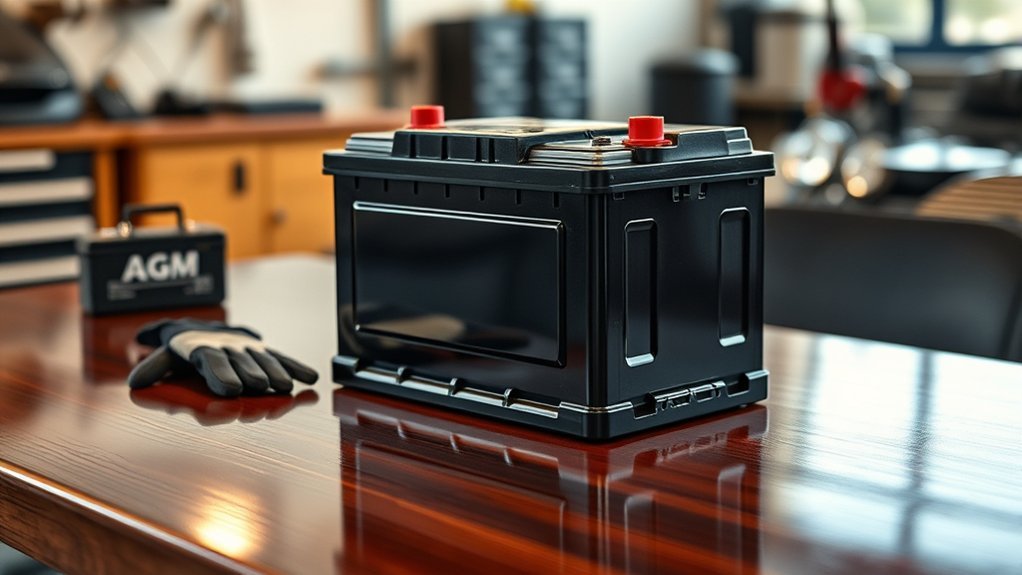
Many vehicle owners switch to AGM batteries to improve performance during periods of inactivity. If you store a classic car or a seasonal vehicle, you will notice fewer “no-start” issues after months of sitting in a garage.
These batteries also perform better in extreme weather. Standard batteries often lose power in freezing temperatures, but the design of an AGM unit maintains its cranking amperage much more effectively. Always consult your owner’s manual before upgrading, as some vehicles require specific charging profiles that only an AGM-compatible alternator can provide.
Common Uses for AGM Batteries
Beyond standard passenger cars, many industries rely on AGM technology for critical operations. Marine vessels use them because the batteries resist the constant rocking and splashing of the sea. Recreational vehicles also rely on them to power internal lighting and appliances when disconnected from shore power.
Military and aviation sectors favor them because they provide consistent power bursts even under heavy stress. Furthermore, renewable energy setups use these batteries to store solar power because they manage deep discharge cycles better than traditional models.
Signs Your Vehicle Requires an AGM Battery
Check if your car requires an AGM battery by reviewing your vehicle’s manufacturer specifications. If your vehicle features a start-stop system, you likely need an AGM or an Enhanced Flooded Battery (EFB) to handle the frequent engine restarts.
Consider an upgrade if you notice your current battery struggles to turn over the engine during cold mornings. If your dashboard lights flicker or your electronics behave erratically, your current battery might lack the capacity to support your vehicle’s current electrical load.
Frequently Asked Questions
Can I use a standard charger on an AGM battery?
You can use a regular charger, but a smart charger designed for AGM batteries remains the best choice. Smart chargers prevent overcharging by automatically adjusting the voltage based on the battery’s specific chemistry.
How long does an AGM battery last?
With proper care, an AGM battery typically lasts between three and five years, though some premium models can last longer depending on driving habits. Frequent deep discharges and extreme heat are the primary factors that shorten this lifespan.
Are AGM batteries worth the extra cost?
While the upfront price is higher, their long-term value often exceeds that of standard batteries. Because they resist damage from vibration and deep cycles, you replace them less frequently, saving you money over time.
Do I need to maintain an AGM battery?
These batteries are maintenance-free, so you do not need to add water or check electrolyte levels. Simply keep the terminals clean and ensure your charging system is functioning correctly to maximize their longevity.
Final Thoughts on AGM Batteries
Choosing an AGM battery provides your vehicle with reliable, efficient power that handles modern electronics and harsh weather with ease. By opting for this technology, you improve your vehicle’s reliability and reduce the risk of unexpected breakdowns. Check your vehicle requirements today to see if an AGM battery is the right upgrade for your driving needs.







Leave a Reply