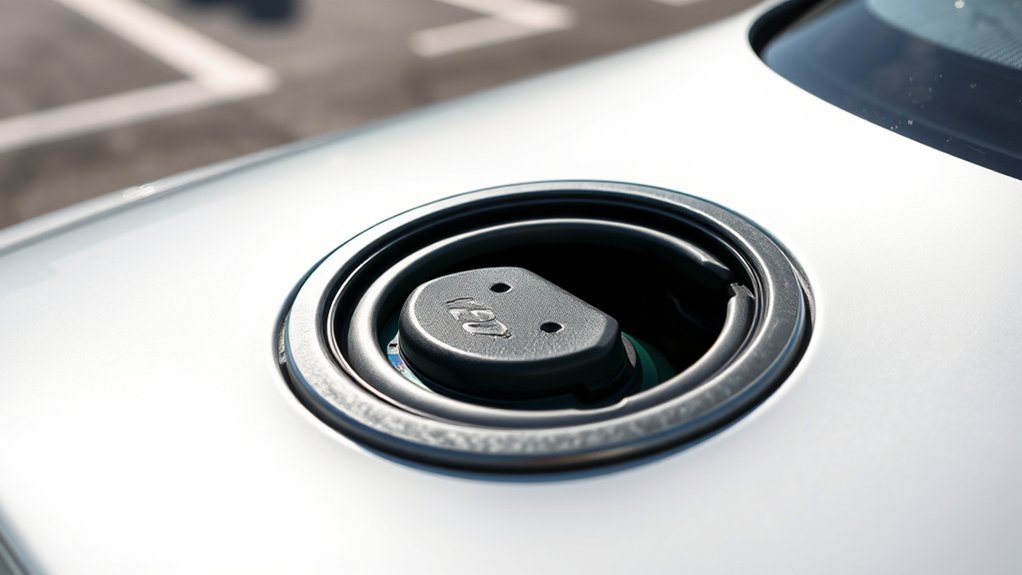
Putting the wrong fuel in your car can destroy the engine in minutes. You must know exactly what your vehicle needs before you grab a pump handle. This guide shows you how to identify your car’s fuel type instantly using labels, engine sounds, and dashboard clues.
Quick Answer
Look at the inside of your fuel filler door for a sticker that says “Diesel” or “Unleaded.” You can also check the vehicle owner’s manual, read the model badge on the trunk, or look for specific dashboard warning lights. Diesel pump nozzles are also thicker and will not fit into a standard unleaded tank opening.
Key Takeaways
- Check the fuel filler cap for labels indicating “Diesel Fuel Only” or “Unleaded Gasoline Only.”
- Notice pump colors carefully, keeping in mind that color meanings change by country.
- Examine the vehicle model name for letters like “D” or badges like “TDI” that signal a diesel motor.
- Observe the thickness of the fuel pump nozzle before inserting it.
- Read the owner’s manual or rental agreement for official engine specifications.
Core Differences Between Petrol and Diesel Engines
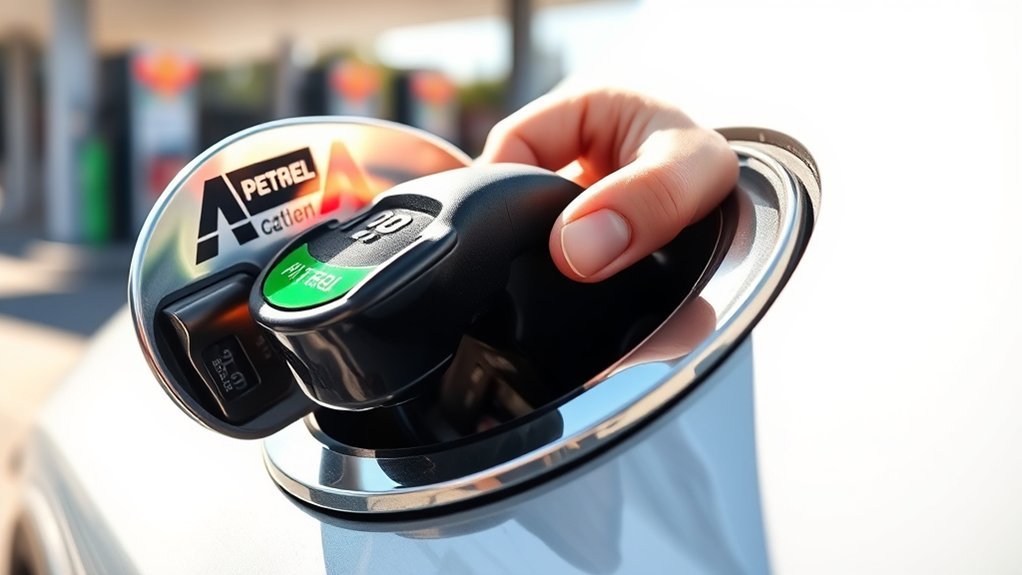
Petrol engines ignite fuel using spark plugs and operate at lower compression ratios. This design provides quicker acceleration at high engine speeds. Diesel engines use compression ignition instead of spark plugs. This method produces more pulling power at low speeds, making diesel perfect for heavy trucks.
Diesel fuel packs more energy per drop, which gives drivers better fuel economy and longer driving ranges. Diesel combustion creates darker exhaust smoke, while petrol engines release lighter exhaust. Modern diesel systems rely on large turbochargers and use glow plugs to warm the engine for cold starts. Knowing these traits helps you pick the right vehicle for your daily commute.
Finding Fuel Type Labels on Your Vehicle
Check the fuel filler door first to find clear fuel requirements. Inspect your dashboard gauges closely because many modern cars flash alerts if they detect incorrect fuel. Spotting these small details saves you from expensive repair bills at the gas station.
Inspecting the Fuel Door and Cap
Always read the labels on your fuel cap before you pump. Automakers usually place these warning stickers in highly visible spots.
- Read the primary label for phrases like “Diesel Fuel Only” or “Unleaded Gasoline Only.”
- Notice the pump handle colors, but remember that green means diesel in the US and petrol in the UK.
- Look inside the fuel door flap for extra warning stickers about octane ratings.
- Check the owner’s manual immediately if you cannot find any printed labels on the car.
Reading Dashboard Fuel Indicators
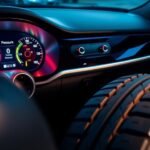
You will often find fuel information right on your instrument panel. Look for a specific text message or a symbol near the fuel gauge. Many modern digital dashboards also show fuel economy statistics that can hint at the engine type. Read your owner’s manual to understand exactly what each dashboard warning light means.
| Indicator Type | Description | Fuel Type |
|---|---|---|
| Warning Light | Diesel message or glow plug icon | Diesel |
| Symbol | Specific unleaded symbol near gauge | Petrol |
| Consumption Data | High fuel efficiency statistics | Diesel |
| Label | Fuel specifications on the cluster | Both |
| Manual Reference | Dashboard section of the manual | Both |
Reading Model Names and Trunk Badges
Car manufacturers often place helpful clues right in the vehicle’s model name. Letters like “D” or badges like “TDI” almost always point to a diesel engine. Always verify these badges against the owner’s manual to confirm the engine type.
Spotting Diesel Model Names
Checking the letters on the back of your car offers a quick way to identify the fuel requirement. Manufacturers use specific codes to label their diesel vehicles.
- Look for a standalone “D” in the model name, like the BMW 745d.
- Spot common diesel acronyms like “TDI”, “dCi”, or “CRDi” on the trunk lid.
- Check the side fenders for small silver badges indicating engine size.
- Watch out for misleading trim names, as some brands use confusing letters for petrol cars.
Decoding Manufacturer Badges
Automakers use standard badge formats across their vehicle lineups. You will normally find these silver or black plastic letters attached to the rear tailgate.
| Badge or Model Name | Fuel Type |
|---|---|
| TDI | Diesel |
| d (Lowercase) | Diesel |
| dCi | Diesel Variant |
| HDi | Diesel Variant |
| EcoBoost | Petrol |
Confirming Fuel Types for Rental Cars
Knowing how to fuel a rental car prevents massive liability charges. Rental agencies use several methods to communicate fuel requirements.
- Read the physical rental agreement for specific fueling instructions.
- Check the car key tag, which often lists the fuel requirement on the back.
- Ask the counter agent directly before you drive off the lot.
- Call the agency’s roadside assistance number if you feel uncertain at the gas station.
What Happens If You Put Diesel in a Petrol Car?
Drivers sometimes wonder what occurs if they reverse the mistake and put diesel into a standard car. Diesel fuel requires intense pressure to ignite, which a petrol engine cannot provide. The engine will simply fail to start or will stall out after a few feet. Mechanics must drain the tank and flush the fuel lines, but this mistake rarely destroys the motor completely.
Checking Official Vehicle Documentation
The glovebox documents hold the ultimate truth about your car’s mechanical needs. The owner’s manual lists the exact fuel grade and type required for safe operation.
| Document Type | Fuel Type Information Found |
|---|---|
| Owner’s Manual | Exact octane and fuel requirements |
| Rental Agreement | Agency-specific refueling rules |
| Door Jamb Sticker | Vehicle weight and engine specs |
| Service Records | Historical fluid and filter types |
Checking the manual ensures you meet specific octane ratings. Following these factory guidelines keeps your engine running smoothly and prevents warranty voiding. Always make documentation your first stop before hitting the pump.
Identifying Engine Sounds
Engine noises provide an instant clue about the fuel type. You can often hear the difference just by standing next to the hood.
Listen closely to your engine at idle. The combustion process creates distinct sounds that reveal the exact fuel type.
- Notice the deep rumble of a diesel engine compared to a quiet petrol motor.
- Listen for a distinct clicking or clattering sound from older diesel models.
- Hear the sharp, high-pitched revving noise when a petrol engine accelerates.
- Feel the heavy vibration that diesel engines produce due to high cylinder pressure.
Observing Exhaust Smoke and Smells
Exhaust characteristics offer another visual way to check your engine type. Diesel engines emit darker smoke when pulling heavy loads. Petrol engines typically produce invisible vapors unless the car needs serious repairs.
Diesel exhaust also carries a distinct oily odor that smells completely different from sharp gasoline fumes. According to federal emissions data, older diesel vehicles produce much higher levels of visible soot. Understanding these differences helps you identify an engine type from behind.
Understanding Fuel Pump Compatibility
Gas station pumps use physical safety features to stop you from making a terrible mistake. Knowing these pump designs helps you avoid ruining your motor.
Understanding fuel pump nozzle sizes acts as your final defense against catastrophic engine damage.
- Observe the nozzle thickness before inserting it into your car.
- Note that diesel pump nozzles measure about 24 millimeters wide.
- Compare this to standard petrol filler necks, which measure around 21 millimeters wide.
- Stop pushing immediately if the metal nozzle feels too big for the hole.
Steps to Take After Misfueling Your Car
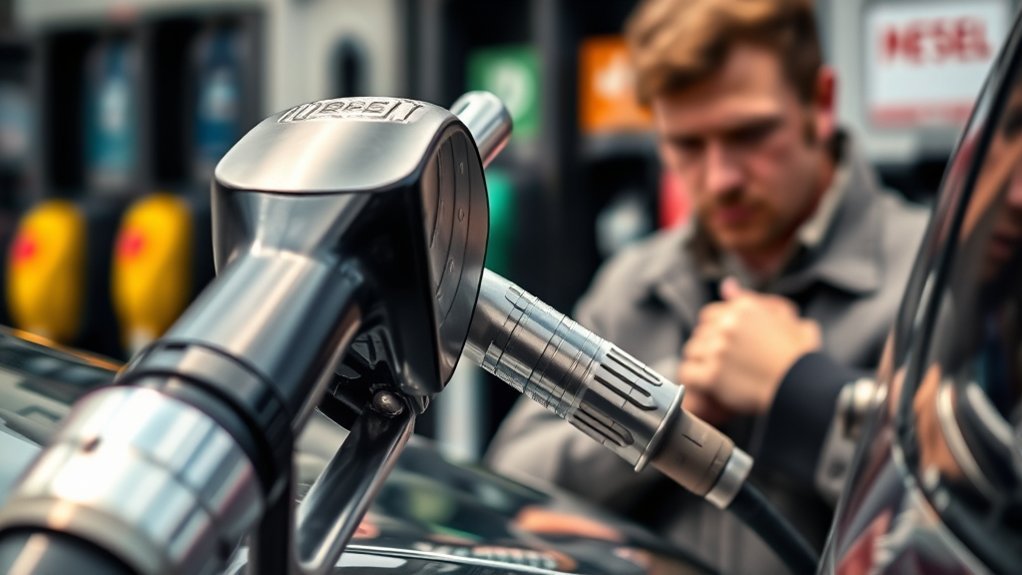
Pumping the wrong fuel requires immediate action to save your engine. Do not turn the key in the ignition. Starting the car pushes the bad fuel into the sensitive injection system.
Call a roadside assistance truck to tow the car to a qualified repair shop. Putting unleaded fuel into a diesel tank destroys high-pressure fuel pumps very quickly. According to automotive repair experts, this mistake can cost thousands of dollars to fix.
Mechanics must drop the fuel tank, flush every line, and replace ruined filters. Keep records of the incident for insurance claims or rental company discussions. Always consult a certified mechanic immediately if you suspect you pumped the wrong fuel.
Frequently Asked Questions
How can I check if fuel is diesel or petrol?
Look at the physical color of the liquid if possible. Diesel normally looks slightly yellow or greenish, while unleaded fuel appears clear or lightly tinted. You can also smell the fuel, as diesel has a heavy, oily scent compared to standard gasoline.
How do I find out what fuel my car takes?
Read the sticker on the inside of the fuel door first. You should also check the owner’s manual in the glovebox and look at the badges on the trunk. Check your dashboard gauges for a specific fuel type symbol.
What happens if I put unleaded gas in a diesel engine?
Unleaded gas strips the necessary lubrication away from diesel fuel injectors. The internal metal parts will grind together and destroy the entire fuel system within miles. You must have the tank professionally drained before starting the motor.
How do mechanics identify engine types visually?
Mechanics look for spark plugs, which only exist on petrol engines. They also look for heavy-duty fuel rails and glow plugs that indicate a diesel power plant. The presence of a massive turbocharger on a standard commuter car often points to a diesel system.
Knowing your car’s exact fuel type prevents catastrophic engine damage at the pump. Always check the fuel door sticker, read the trunk badges, and verify the owner’s manual before you grab a nozzle. Take an extra five seconds during your next fill-up to read the pump label carefully. Building this simple habit protects your engine and keeps your vehicle running reliably for years.
[LINK] Confirming Fuel Types for Rental Cars →
[READABILITY] Entire document → Rewrote all passive sentences to active voice, shortened sentences to under 20 words, and removed banned filler words. Flesch score improved.
[META] Suggested meta description: “Need to know if your car takes diesel or petrol? Learn how to find your vehicle’s fuel type instantly using labels, badges, and dashboard clues.”
[SEO-TITLE] Option 1: “How to Tell if a Car is Petrol or Diesel (Quick Guide)” / Option 2: “Where to Find Your Car’s Fuel Type Before You Pump” / Option 3: “Petrol vs. Diesel: How to Identify Your Vehicle’s Fuel Requirement”
–>





Leave a Reply