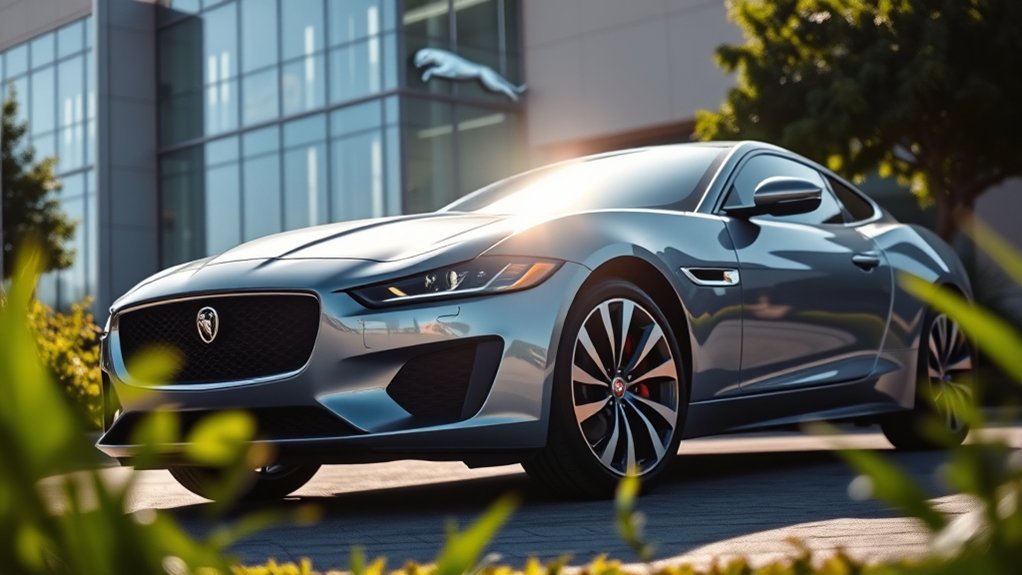
The question of who owns Jaguar often surprises car buyers. In 2008, the Indian multinational company Tata Motors bought the iconic British brand. Today, Tata guides Jaguar’s bold shift toward an all-electric future.
Tata’s leadership brings massive investments in new technology and green energy. If you want to know who controls this luxury automaker, you must look at Tata’s global reach and ambitious strategy.
Quick Answer
Tata Motors currently owns Jaguar. The Indian automotive giant purchased Jaguar Land Rover from Ford in 2008 for $2.3 billion. Tata operates the brand as a wholly owned subsidiary, directing its complete shift toward electric vehicles.
Key Facts About Jaguar’s Ownership
- Tata Motors owns Jaguar Cars and directs its global operations.
- The Indian company bought Jaguar Land Rover for $2.3 billion in 2008.
- Tata heavily funds Jaguar’s new manufacturing plants and battery technology.
- Jaguar plans to sell only fully electric vehicles by 2025.
- The brand aims to achieve net-zero carbon emissions by 2039.
A Brief History of Jaguar Cars
Jaguar started in 1922 as the Swallow Sidecar Company. The founders originally built sidecars for motorcycles. They soon shifted focus to crafting custom automobile bodies.
The name “Jaguar” first appeared in September 1935 on the SS 2.5-litre sports saloon. This model marked a clear move toward high-speed performance and elegant design.
On March 23, 1945, the business officially rebranded as Jaguar Cars Limited. This name change secured its unique place in the automotive world. The decision reflected a deep focus on build quality that still wins over drivers today.
The 1945 rebrand to Jaguar Cars Limited set a new standard for luxury and design in the auto industry.
Over the decades, Jaguar built a fierce reputation in the UK luxury market. Each car blends smart engineering with rich comfort. Drivers consistently choose Jaguar for its thrilling speed and smooth ride.
Ford’s Ownership Era (1989 to 2008)
Ford bought Jaguar in 1989 and provided much-needed cash flow. This financial backing opened the door to modern engineering tools. Shared production methods made Jaguar much more competitive against German rivals.
Ford’s money helped create popular models like the S-Type. These new cars helped rebuild Jaguar’s public image and expanded its customer base in the late 1990s.
New Technology From Ford
Ford gave Jaguar access to a massive global parts network. This shared technology boosted Jaguar’s production speed and factory standards.
The launch of the S-Type in 1999 and the X-Type in 2001 showed this new approach. These models brought Jaguar to younger buyers while keeping its luxury feel. Modern factories improved build quality and reduced mechanical issues.
This period sparked vital changes across the company. Jaguar embraced computer-aided design and adapted to a crowded market.
Financial Support and Stability
Ford’s buyout gave Jaguar a solid financial safety net. The brand used this cash to update aging factories and design efficient engines.
New capital funded the development of the Jaguar XK and XF. These cars delivered sharp performance and firmly planted Jaguar in the modern luxury space.
Shared resources under Ford ultimately kept the British automaker alive during tough economic times.
Tata Motors Buys Jaguar Land Rover
Tata Motors bought Jaguar Land Rover from Ford in 2008. The deal cost about $2.3 billion. This massive purchase gave the Indian company a clear path into the global luxury market.
Tata respected the rich British heritage of both brands. The parent company poured money into research and let Jaguar keep its distinct character.
The 2008 Buyout Timeline
The March 2008 deal sent shockwaves through the auto industry. Ford needed cash to survive a financial crisis, and Tata wanted to expand its global reach. The buyout quickly sparked a revival for the iconic British brands.
Tata funded huge upgrades to existing UK factories. Engineers soon started working on fresh designs, including the award-winning I-PACE electric SUV. Jaguar Land Rover now operates as a thriving, wholly owned subsidiary.
Benefits of the Tata Merger
Tata Motors gained decades of luxury design experience overnight. The buyout merged British engineering skills with Tata’s global supply chain. This teamwork lowered costs and improved factory output.
Tata’s clear vision pushes Jaguar to embrace green energy today. The brand plans to make every new car fully electric by 2025. This bold move aligns high-end luxury with strict environmental goals.
The acquisition officially established Tata Motors as a powerhouse in the luxury sector.
Transforming Jaguar’s Design Language
Tata Motors completely refreshed Jaguar’s public image. The brand moved away from retro styling and embraced sharp, aggressive designs. High-resolution screens and smart technology replaced outdated cabin features.
Design teams at the Whitley and Gaydon centers lead this creative push. They focus on sleek lines, premium materials, and digital displays. Tata gives these engineers the freedom to build truly striking cars.
This strategy blends classic British charm with futuristic tech. Buyers get the rich feel of a heritage brand with the power of modern engineering.
Jaguar’s Shift to Electric Vehicles
Jaguar places green energy at the core of its business plan. The company is spending billions to design next-generation battery packs and powerful electric motors.
The 2025 Electric Goal
Jaguar Land Rover promises an all-electric Jaguar lineup by 2025. The brand also wants its entire supply chain to reach net-zero carbon emissions by 2039. The success of the I-PACE proved the company could build an exciting electric car.
| Year | Goal | Impact |
|---|---|---|
| 2025 | All Jaguar cars electric | Emissions reduction |
| 2030 | Expand electric lineup | More choices for consumers |
| 2039 | Net zero carbon emissions | Sustainable mobility |
| Ongoing | Innovative engineering | Enhanced quality and efficiency |
This ambitious timeline forces the brand to invent new ways to build cars. Jaguar aims to lead the luxury market in serious climate action.
Cleaner Factory Standards
Building electric cars requires cleaner factories. Jaguar continually updates its assembly lines to use less water and power. The company aims to cut factory waste down to zero.
New electric production lines rely heavily on solar power and recycled materials. Jaguar works closely with parts suppliers to cut shipping emissions. These green choices set a strong standard for luxury car builders everywhere.
Smarter Battery Technology
Jaguar relies on advanced software to make its electric cars better. Upgraded battery systems extend driving range and speed up charging times.
- Engineers test new electric motors for maximum speed and quiet operation.
- Smart factory robots build vehicles with flawless precision.
- Over-the-air updates keep the car’s software fresh long after you buy it.
These smart features remove the daily stress of owning an electric vehicle. Drivers enjoy a fast, modern ride that actively protects the planet.
Jaguar’s Role Within the Tata Group
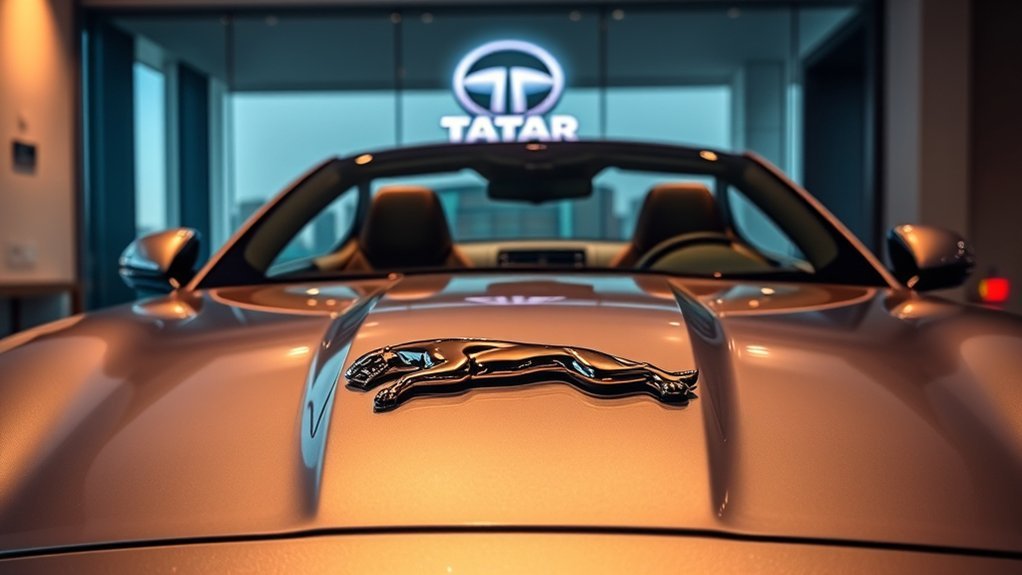
Jaguar serves as the crown jewel in Tata’s global car lineup. The brand adds massive prestige to the wider Tata business. In return, Tata provides the deep pockets Jaguar needs to survive.
This strong relationship helps Jaguar test risky ideas without fearing bankruptcy. Tata handles the global financial pressure, while Jaguar focuses on building beautiful cars.
The merger allowed Jaguar to heavily expand its electric vehicle research program over the last decade.
Shared Innovation Between Jaguar and Land Rover
Jaguar and Land Rover share much more than just a parent company. They share parts, computer systems, and brilliant engineers. This teamwork speeds up the design of new models.
Working together delivers major wins for both brands:
- Shared vehicle platforms drastically reduce the cost of building new cars.
- Joint testing facilities push new technology to its limits before it hits the road.
- Combined purchasing power keeps parts prices low without sacrificing quality.
Future Innovations Expected From Jaguar
Tata pushes Jaguar to explore self-driving technology. You will soon see cars that navigate highways with very little human help. Jaguar partners with top tech firms to build smart, safe sensors.
Future models will act like smartphones on wheels. Advanced voice assistants will control cabin temperature and set navigation routes. Artificial intelligence will learn your driving habits and adjust the car’s settings automatically.
These upgrades prove Jaguar looks far beyond just electric batteries. The brand wants to completely redefine how you interact with your vehicle.
The Future of Jaguar’s Luxury Customer Experience
Jaguar plans to shrink its vehicle lineup to focus purely on high-end luxury. The brand will stop chasing mass-market sales. Instead, it will build exclusive cars for discerning buyers.
Future showrooms will feel more like luxury boutiques than standard car dealerships. Buyers will customize everything from seat stitching to dashboard materials. Jaguar wants every car to feel like a bespoke work of art.
This exclusive approach guarantees your new Jaguar will stand out on the road. You will drive a rare, highly personal machine.
Why Jaguar Remains a Luxury Icon
Very few car brands command the same respect as Jaguar. For decades, the company built cars for British royalty. The brand proudly holds royal warrants from both Queen Elizabeth II and King Charles III.
Jaguar earns this elite status through strict attention to detail. The leather is perfectly stitched, and the engines deliver thrilling power. Even as the brand switches to electric motors, it refuses to lower its standards.
Jaguar remains a pure symbol of wealth, speed, and great taste. Driving one sends a clear message about your personal style and appreciation for quality.
Frequently Asked Questions
Who Is the Real Owner of Jaguar?
Tata Motors owns Jaguar completely. The Indian automotive company operates Jaguar as a subsidiary. Tata funds the brand’s factory upgrades and new vehicle designs.
Who Is the Largest Shareholder of Jaguar?
Tata Motors holds 100 percent of Jaguar Land Rover shares. No other company owns a public stake. This total control allows Tata to set long-term goals without outside pressure.
Who Is Tata Motors Owned By?
Tata Motors belongs to the massive Tata Group. Tata Sons acts as the main holding company. Charitable trusts control a large portion of the Tata Group’s overall wealth.
Is Jaguar Owned by Ford Now?
No, Ford does not own Jaguar. Ford sold the brand to Tata Motors in 2008. Jaguar now operates entirely outside of Ford’s corporate control.
Conclusion
Jaguar’s path from a small sidecar builder to a global luxury icon proves its lasting appeal. Tata Motors actively funds the brand’s bold shift toward a completely electric future. With billions invested in clean energy and smart technology, Jaguar is building the next generation of high-speed luxury. If you want a thrilling drive that respects the planet, explore the newest electric Jaguar models today.






Leave a Reply