
You stop at a red light, and your car starts shaking. A shuddering engine at idle feels alarming and signals a mechanical problem under the hood. Several issues can cause this rough idle, from dirty spark plugs to a cracked vacuum hose. Finding the exact cause will help you fix the shake and restore a smooth ride.
Quick Answer
A car shudders at idle when the engine lacks the right mix of air, fuel, and spark. The most common causes include worn spark plugs, clogged fuel injectors, or a vacuum leak. Broken motor mounts can also transfer engine vibrations directly into the cabin.
Key Takeaways
- Worn spark plugs cause engine misfires and a rough idle.
- Vacuum leaks disrupt the air and fuel mixture to create vibrations.
- Clogged fuel injectors restrict gas flow and cause uneven engine power.
- Broken motor mounts transfer engine shaking right into the driver’s seat.
- A faulty idle air control valve creates unstable engine RPMs.
Common Causes of a Shuddering Engine
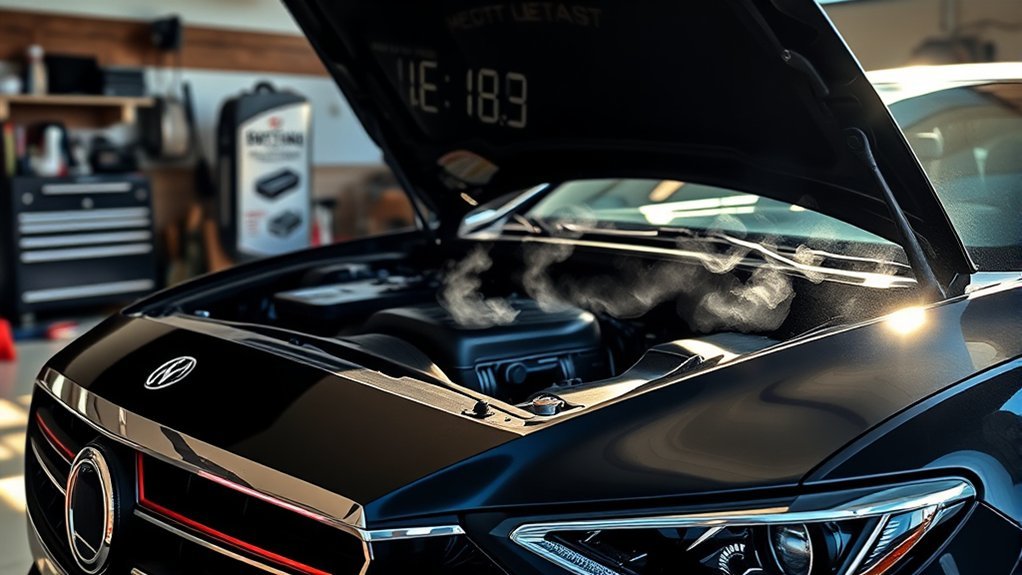
A shaking car during idle frustrates drivers and points to poor engine health. Worn or dirty spark plugs stand out as a primary culprit. Bad plugs fail to ignite the fuel properly, which leads to misfires and a shaky engine.
A vacuum leak also causes major idle problems. This leak allows extra air into the engine and ruins the precise fuel mixture. Clogged fuel injectors worsen the shaking by starving the engine of gasoline.
A vacuum leak disrupts the air and fuel mixture to cause vibrations. Clogged fuel injectors restrict gas flow to create a heavy shudder.
Broken motor mounts represent another common issue. These rubber and metal brackets normally absorb engine vibrations. When they break, the engine shakes the entire cabin.
How Dirty Fuel Injectors Disrupt Your Idle
Dirty fuel injectors heavily restrict how your engine runs. Carbon buildup clogs the tiny spray nozzles and limits the fuel reaching your cylinders.
This blockage causes uneven firing inside the engine. You will quickly notice your car shuddering or idling roughly at stoplights. The symptoms often worsen when you press the gas pedal.
Regular maintenance keeps your fuel system clean. You must clean or replace bad injectors to ensure a smooth engine.
The Impact of Clogged Injectors
Clogged injectors ruin your engine’s performance and cause a very bumpy idle. Carbon deposits block the nozzle, which forces the engine to burn fuel poorly. This drop in fuel pressure causes frequent misfires.
The engine struggles to maintain a steady rhythm without enough gas. Cleaning the injectors restores the correct fuel spray pattern and stops the rough idle.
| Impact of Clogged Injectors | Symptoms |
|---|---|
| Poor Fuel Burning | Shuddering During Idle |
| Unstable Engine Speed | Rough Idling |
| Reduced Engine Power | Sluggish Acceleration |
| Wasted Gas | Lower Gas Mileage |
| Engine Misfires | Check Engine Light |
Symptoms of Fuel Delivery Problems
A car shaking at idle acts as a clear warning sign of fuel delivery trouble. Dirty injectors restrict gasoline flow and cause uneven cylinder firing. Your engine will struggle to hold a steady rhythm.
You may also notice poor acceleration and bad gas mileage. The engine cannot atomize the fuel correctly when the nozzles are dirty. Ignoring these warning signs will eventually lead to permanent engine damage.
Maintenance Steps for Fuel Injectors
Fuel injectors control your engine’s power output. Skipping routine maintenance leads to massive issues like engine shuddering. Clogged injectors starve random cylinders of fuel, which creates instant misfires.
Mechanics recommend cleaning your fuel system regularly. Replacing bad fuel injectors fixes the shudder and restores your vehicle’s power. Ask your mechanic to check fuel trims during routine visits to catch problems early.
How Spark Plugs Control Engine Stability
Spark plugs ignite the compressed fuel inside your engine. Their condition directly controls how smoothly your engine runs.
Fouled or worn plugs fail to create a strong spark. This weak spark causes misfires, rough idling, and cabin vibrations.
Replacing old spark plugs remains one of the best ways to fix engine shakes. Fresh plugs restore power and stop the shuddering.
Why Spark Plugs Matter
Spark plugs serve as the heartbeat of your engine. They ignite the fuel mixture and dictate your vehicle’s performance. Worn plugs trigger misfires that make the engine stumble and shake.
Drivers should replace standard copper spark plugs every 30,000 miles. Platinum or iridium plugs can last up to 100,000 miles before causing problems. Oil leaks and carbon buildup will shorten this lifespan and cause idle instability.
Signs of Failing Spark Plugs
The health of your spark plugs dictates your engine’s stability. Old plugs cause frequent misfires that lead to a very bumpy idle.
A shuddering steering wheel at a red light points directly to bad spark plugs. They fail to burn the fuel completely, which wastes gas and lowers your mileage.
Inspect your spark plugs for black soot or melted electrodes. Replacing damaged plugs immediately will help you reclaim a smooth ride.
Why a Dirty Air Filter Causes Rough Idling
Air filters block dust and dirt from entering your engine. A clogged filter blocks vital airflow and creates an imbalanced fuel mixture. This rich mixture causes the engine to idle roughly and vibrate.
Lack of oxygen lowers your engine’s overall efficiency. The engine control unit will attempt to adjust the fuel delivery, but the lack of air confuses the computer. This confusion makes the idle surge and drop randomly.
You must replace your air filter once a year or every 15,000 miles. Clean airflow keeps the engine running smoothly and prevents shuddering at stops.
Identifying Engine Vacuum Leaks
A severe engine shudder often points to a hidden vacuum leak. Engine vacuum pulls air into the intake manifold. A leak lets unmetered air sneak inside, which leans out the fuel mixture.
Cracked rubber hoses, broken plastic fittings, and worn intake gaskets cause most vacuum leaks. You might hear a high-pitched hissing noise coming from the engine bay while the car runs.
Mechanics use a smoke machine to find hidden vacuum leaks quickly. Finding and replacing the cracked hose will fix the rough idle instantly.
How Broken Motor Mounts Shake the Car
Vacuum leaks cause the engine itself to run poorly, but bad motor mounts cause the entire car to shake. Motor mounts bolt the engine directly to the vehicle’s metal frame. They feature thick rubber inserts that absorb the engine’s natural vibrations.
The rubber breaks down over time and tears apart. The metal engine then rests directly on the metal frame. This transfers every single engine vibration right into the steering wheel and seats.
Most cars use three or four separate mounts. If the shuddering stops when you shift the car from Drive to Neutral, a broken motor mount is likely the cause.
Other Common Fuel System Problems
A healthy fuel system prevents your car from shaking at a stoplight. Clogged injectors remain the most common problem, but other fuel parts also fail. A dirty intake manifold restricts airflow and causes engine stumbles.
A weak fuel pump struggles to send enough gas from the tank to the engine. Low fuel pressure makes the engine sputter and shake heavily during idle.
A clogged fuel filter also blocks gasoline from reaching the cylinders. Replacing your fuel filter every 30,000 miles ensures steady fuel flow and stops idle vibrations.
How a Dirty Throttle Body and MAF Sensor Cause Shakes
The throttle body controls exactly how much air enters your engine. Carbon sludge builds up on the throttle plate over time. This sticky sludge stops the plate from closing properly, which causes a wildly fluctuating idle.
The Mass Air Flow (MAF) sensor measures the air coming into the engine. A dirty MAF sensor sends the wrong data to the engine computer. The computer then adds the wrong amount of fuel, which makes the engine shudder and stall.
Cleaning the throttle body and MAF sensor takes only a few minutes. Use specialized cleaning sprays to remove the dirt and restore a perfectly smooth idle.
Recognizing a Bad Idle Air Control Valve

The idle air control (IAC) valve manages your engine’s RPMs when your foot leaves the gas pedal. A failing IAC valve cannot hold a steady idle speed.
Watch for these warning signs of a bad IAC valve:
- Fluctuating idle speeds that surge up and down randomly
- Heavy vibrations when the vehicle stops at a light
- Engine stalling when you take your foot off the gas
Carbon buildup often jams the moving parts inside the IAC valve. You can sometimes clean the valve with intake cleaner to restore its function.
If cleaning fails to fix the stalling, you will need to buy a replacement valve. A new IAC valve keeps the engine running smoothly at low speeds.
When to Call a Mechanic for Engine Diagnostics
Finding a bad idle air control valve requires some mechanical skill. You must seek professional help if your car shakes violently or stalls in traffic.
A flashing check engine light indicates a severe misfire. You must pull over and tow the car to prevent expensive damage to your catalytic converter. Listen for loud knocking noises or sudden drops in power.
Always pay attention to warning lights. A flashing check engine light means you must stop driving immediately to prevent engine damage.
Certified mechanics use advanced scan tools to read engine data in real time. They can pinpoint a bad sensor or hidden vacuum leak in minutes. Fixing a rough idle early prevents you from paying for a major engine rebuild later.
Always consult a qualified automotive professional before attempting advanced engine diagnostics or replacing electrical sensors.
Frequently Asked Questions
What causes an engine to shudder at idle?
Worn motor mounts, dirty spark plugs, and bad gas cause most engine shudders. Vacuum leaks and clogged air filters also ruin the engine’s air mixture. These problems drop the engine speed and create heavy vibrations.
Why does my car shake at idle but smooth out while driving?
Your engine creates more power and momentum while driving, which hides minor misfires. A bad motor mount will shake the car at a stop but smooth out once the vehicle starts rolling forward.
Why is my car juddering while idling?
Poor ignition timing or a broken vacuum hose causes the engine to judder. A failing oxygen sensor can also dump too much gas into the engine. This floods the cylinders and lowers the idle speed.
Why does my car stutter when I idle?
A stutter points directly to an engine misfire or a dying fuel pump. The engine stumbles because it lacks enough fuel or spark to complete the combustion cycle. You should check your spark plugs and test for vacuum leaks.
Next Steps for a Smooth Idle
The most common cause of a shuddering idle is a disruption in the engine’s air, fuel, or spark delivery. Start by checking your engine’s air filter and spark plugs, as these offer the cheapest and fastest solutions. Fixing these minor maintenance issues today will keep your engine running perfectly for years to come.







Leave a Reply