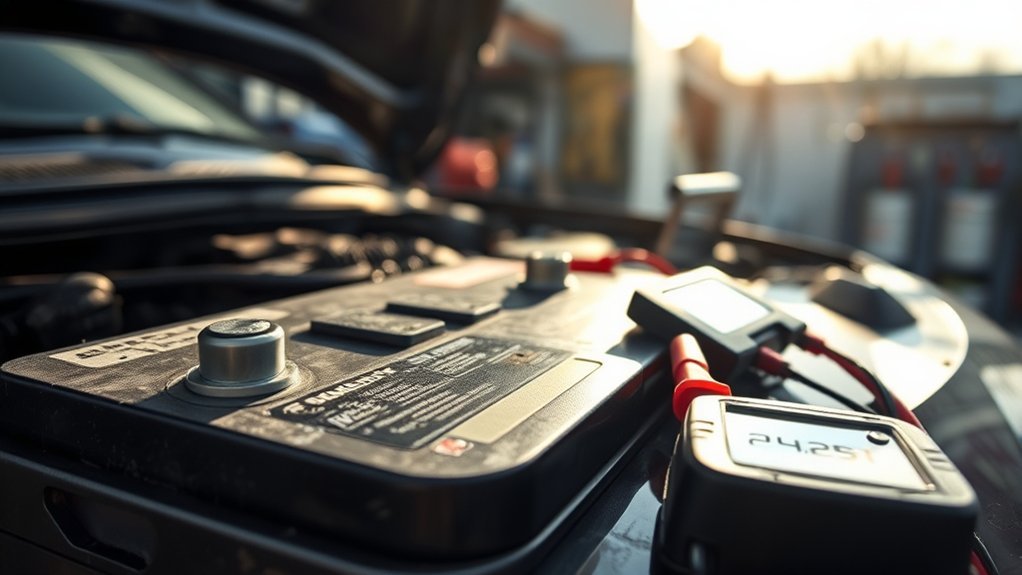
You turn the key in the ignition, but nothing happens except a rapid clicking sound. A dead car battery can ruin your schedule and leave you stranded on the side of the road. Recognizing the early warning signs of battery failure helps you avoid sudden breakdowns. This guide shows you how to spot a failing battery, test its voltage, and know exactly when to replace it.
Quick Answer
A dead car battery typically causes a rapid clicking sound when you turn the key, dim headlights, and slow engine cranking. You can confirm battery failure by testing it with a multimeter. A reading below 12.4 volts means you need to charge or replace the battery.
Key Takeaways
- Listen for a rapid clicking sound when turning the ignition key.
- Watch for slow engine cranking or a labored start.
- Look for dim headlights while trying to start the car.
- Measure the battery voltage with a multimeter.
- Inspect the battery for physical damage or white corrosion on the terminals.
Signs Your Car Battery Might Be Dead
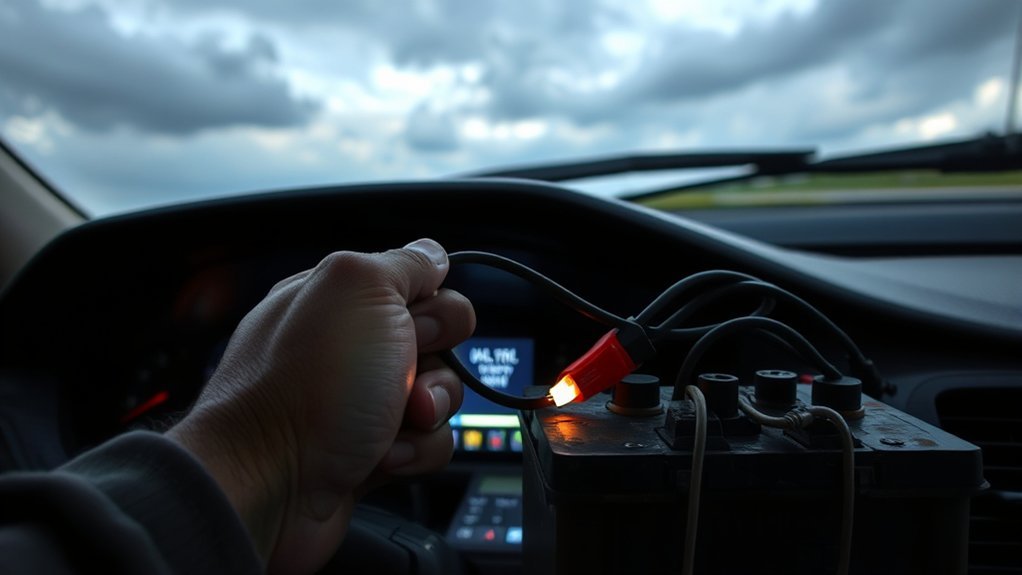
When your car battery nears the end of its life, it shows several clear warning signs. A clicking sound upon turning the key means the battery lacks the power to crank the engine. You might also notice a slow, labored engine start.
Dim headlights during ignition point directly to low voltage. Automotive experts say you should watch closely if your battery is over three years old. Frequent jump-starts usually mean the battery can no longer hold a charge.
Checking the voltage helps you confirm the problem. A reading below 12.4 volts shows a weak battery. Act quickly when you see these signs to avoid getting stranded.
Physical and Electrical Symptoms of Battery Failure
Car batteries show physical and electrical symptoms before they completely fail. Catching these signs early saves you time and money. You might hear strange clicking noises from the starter.
Your dashboard lights and headlights may flicker or look dim. These electrical issues happen because the battery cannot supply steady power.
Strange clicking noises, slow engine cranking, and dim headlights often point to a failing car battery.
Physical damage also reveals bad battery health. Look closely at the battery under the hood. You might see a swollen plastic case or white corrosion on the metal terminals. A strong rotten egg smell indicates leaking battery acid, which requires immediate replacement.
How to Diagnose Car Battery Issues
You can find the exact cause of your battery trouble with a simple inspection. Start by checking the voltage with a digital multimeter. A reading below 12.4 volts points to a weak charge.
Next, look closely at the battery for physical damage. White buildup on the metal posts stops electricity from flowing well. Finding these problems early helps you decide if you need a charge or a completely new battery.
How to Check Battery Voltage Levels
A multimeter gives you a precise look at your battery health. Make sure the engine is off before you begin testing. Connect the red lead to the positive terminal and the black lead to the negative terminal.
A fully charged battery will show 12.6 to 12.8 volts. If the screen shows 12.4 volts or lower, your battery needs a charge. A reading of 12.0 volts means the battery is dead and likely needs replacing.
Mechanics also use a load test to check battery strength. A good battery keeps at least 9.6 volts while under load for 30 seconds. Test your voltage regularly to catch weakness before the battery fails.
Where to Check for Physical Battery Damage
Physical damage often destroys batteries before they reach old age. A quick visual check can reveal serious internal problems. Look for these specific warning signs under the hood:
- Check the plastic case for bulges caused by extreme heat or overcharging.
- Look for cracks that might leak dangerous battery acid.
- Inspect the metal posts for white, ashy corrosion buildup.
- Check the fluid levels if you have a traditional wet-cell battery.
- Smell the area around the battery for a rotten egg odor.
Fixing minor corrosion helps electricity flow better. Severe damage means you must buy a replacement battery immediately. Always wear safety glasses and gloves when handling car batteries to prevent chemical burns.
How the Alternator Affects Battery Health
The alternator works as an onboard generator for your vehicle. It charges the battery while the engine runs and powers all electrical accessories.
A broken alternator drains your battery quickly. You might see a red battery icon light up on your dashboard. Testing both the battery and alternator ensures you fix the correct part.
How the Alternator Charges the Battery
The alternator turns mechanical energy from the engine into usable electricity. This process keeps your battery fully charged during long drives. A healthy alternator puts out 13.5 to 14.5 volts while the engine idles.
Keep these alternator facts in mind:
- It constantly recharges the battery while you drive.
- A broken alternator quickly drains a healthy battery.
- A dashboard warning light often signals an alternator problem.
- The drive belt must remain tight for the alternator to work.
- Regular inspections catch loose wires and worn belts early.
Common Signs of Alternator Failure
A failing alternator starves your battery of electrical power. You will likely see a red battery warning light on your dashboard. Your headlights might dim and brighten as you speed up and slow down.
Listen closely to the engine area while the car runs. A whining or grinding noise often means the alternator bearings are failing. If the alternator stops working, the car will run entirely on the battery until it dies.
Why a Bad Alternator Ruins Your Battery
The alternator and battery depend on each other to keep your car running. A bad alternator forces the battery to power the entire vehicle. Car batteries cannot supply continuous power without getting recharged.
A bad alternator hurts your battery in these ways:
- Drains the battery completely empty while driving.
- Causes deep discharges that permanently ruin battery cells.
- Forces you to use frequent jump-starts to get home.
- Overcharges the battery if the voltage regulator fails.
- Cuts the normal lifespan of your battery in half.
Step-by-Step Guide to Testing Battery Voltage
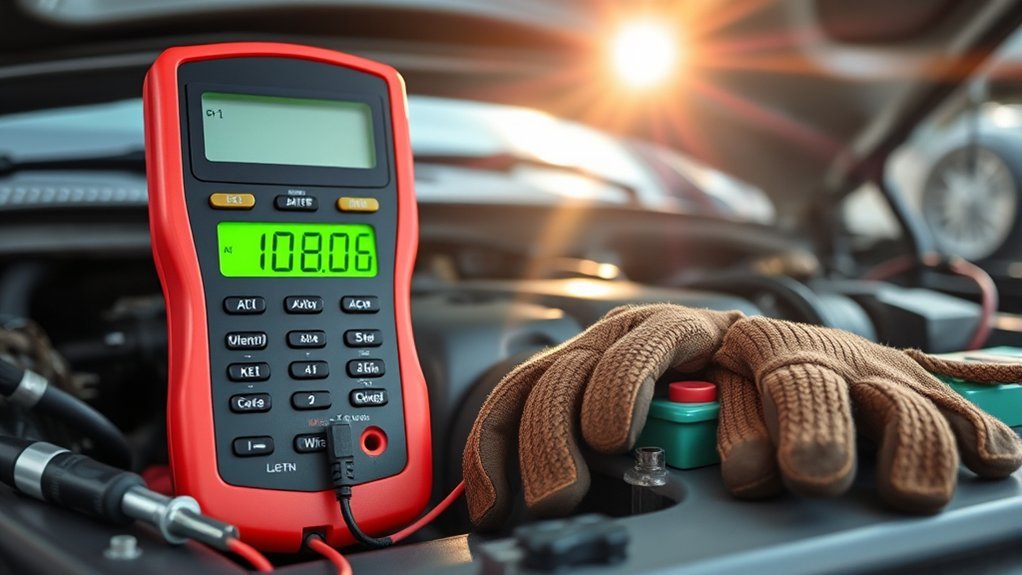
Testing your battery takes less than five minutes with a basic multimeter. Set your multimeter to the DC voltage setting. Put the red probe on the positive terminal and the black probe on the negative terminal.
You want to see a reading around 12.6 volts. A number below 12.4 volts means you have a discharged battery. Any reading below 10 volts means a battery cell has died.
Let your car sit overnight before testing the battery. This wait time removes any false surface charge left by the alternator. Monitor your voltage every few months once your battery turns three years old.
How to Safely Jump-Start a Dead Battery
Knowing how to jump-start a dead battery gets you back on the road safely. You need a set of heavy-duty jumper cables and a running vehicle. Park the running car close to the dead car, but do not let the vehicles touch.
Connect the red cable to the positive terminal of the dead battery first. Attach the other red end to the good battery. Connect the black cable to the negative terminal of the good battery.
Clamp the final black end to an unpainted metal surface on the dead car’s engine block. Start the working car, wait three minutes, and then attempt to start the dead car.
When to Hire a Professional for Battery Issues
Testing your own battery voltage saves money, but some problems require expert tools. Mechanics use advanced load testers that find hidden electrical faults.
A basic voltage check is helpful, but professional load testing reveals the true health of your battery.
Take your car to a mechanic if you see these major warning signs:
- Your car needs a jump-start multiple times in one week.
- The battery will not charge past 12.4 volts.
- The plastic battery case looks swollen or bloated.
- The red dashboard battery light stays on while driving.
- Your battery is over four years old and struggles in the cold.
A professional shop will test the battery, alternator, and starter together. This complete check stops you from buying a new battery when you really need an alternator.
How to Extend the Life of Your Car Battery
You can easily double the lifespan of your battery with a little basic care. Start by cleaning the metal battery terminals every six months. Use a wire brush and baking soda to scrub away white corrosion.
Limit how often you use car accessories while the engine is turned off. Playing the radio or leaving lights on drains the power quickly. Drive your car on the highway for at least 20 minutes a week to let the alternator fully recharge the battery.
Heat destroys batteries faster than cold weather. Park in a shaded garage during the summer to reduce heat stress. Replace your battery every four years to guarantee your car always starts.
Frequently Asked Questions
How to Test a Car Battery to See if It Is Dead?
Use a digital multimeter to measure the battery voltage. A reading below 12.0 volts means the battery is entirely dead. You should also check for loose cables and heavy corrosion on the terminals.
How to Tell if a Car Battery Needs Replacing?
A battery needs replacing if it cranks the engine slowly or requires frequent jump-starts. Severe white corrosion and a swollen plastic case also point to a ruined battery. Most batteries require replacement every three to five years.
Can AutoZone Test a Dead Car Battery?
Yes, AutoZone and similar auto parts stores test car batteries for free. Their staff uses advanced load testers to measure exact battery health. They also test your alternator and starter to find the exact electrical problem.
How to Tell if a Car Battery Is Bad or the Alternator?
A bad battery usually fails to start the car after sitting overnight. A bad alternator causes the car to die while you are driving down the road. You can check the voltage while the engine runs to test the alternator output.
Conclusion
A healthy car battery ensures you reach your destination without sudden delays. Take five minutes this weekend to test your voltage and inspect the terminals for corrosion. Staying proactive with basic battery maintenance keeps your engine starting smoothly every single time you turn the key.







Leave a Reply