Quick Answer
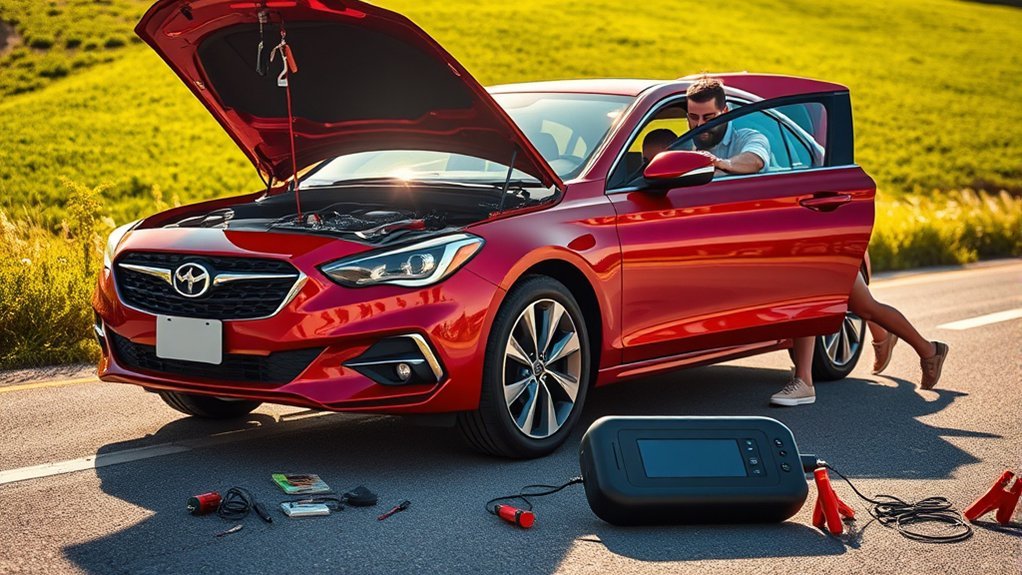
You can start a car with a dead battery by push starting it if you have a manual transmission or by using Jumper Cables connected to a working vehicle. If these methods fail, contact roadside assistance. Always perform routine battery checks to prevent power loss.
A dead car battery often leaves drivers feeling stranded and frustrated. Knowing how to revive your vehicle saves time and helps you avoid expensive towing fees. This guide covers safe, reliable ways to start your car and keep your battery in good shape.
Signs of a Dead Battery
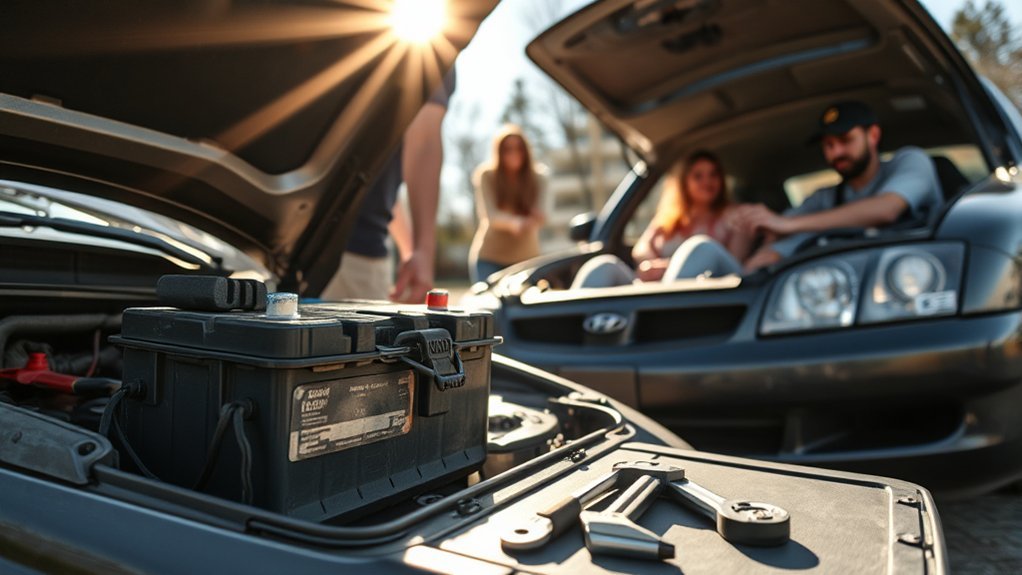
Early detection prevents major inconveniences. Watch for these common warning signs that your battery lacks sufficient power.
- Dashboard lights flicker or stay dim when you turn the key.
- The engine makes a rapid clicking sound but refuses to crank.
- Headlights appear dimmer than usual or electrical components respond slowly.
- The car remains unresponsive despite the ignition functioning correctly.
Understanding Push Starting
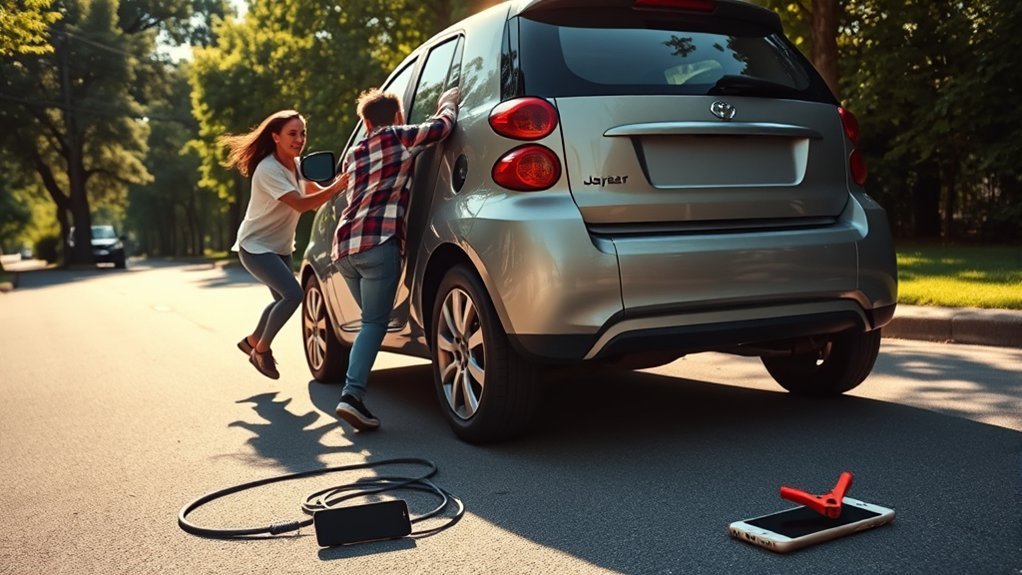
Push starting uses vehicle momentum to turn the engine over. This method works only for vehicles with manual transmissions. Because you need engine power to operate the transmission, automatic cars cannot use this technique.
How to Push Start Your Car

Follow these steps to safely push start a manual vehicle. Work with at least two helpers who can push the car while you operate the steering wheel and brakes.
- Confirm the area is clear of traffic and obstacles.
- Turn the ignition switch to the “on” position.
- Release the parking brake and shift the car into second gear.
- Depress the clutch pedal fully.
- Signal your helpers to begin pushing the vehicle until it reaches at least 5 mph.
- Release the clutch pedal quickly to engage the engine.
- Press the accelerator gently once the engine starts.
Safety Precautions for Push Starting
Push starting involves real risks because the engine is off. Power steering and power brakes remain inactive during the process, making the vehicle harder to control. Always maintain clear communication with your helpers to ensure they stay clear of the tires while pushing. Avoid steep hills, as excessive speed can lead to a loss of control.
Alternatives to Push Starting
If you drive an automatic car or lack help, use a jump-start or portable power pack instead. These methods offer a safer way to revive a vehicle.
- Jumper Cables: Connect the positive terminal of the dead battery to the positive terminal of the working battery. Attach the negative cable to a grounded metal part of the dead car.
- Portable Jump Pack: Attach the provided clamps to your battery terminals and activate the device according to the manufacturer manual.
- Roadside Assistance: Call a professional if you feel unsure about electrical connections or if your battery shows signs of severe damage.
Always consult your vehicle owner manual before connecting electrical equipment to your battery.
Maintaining Battery Health
Most car batteries last between three and five years. Regular care extends this lifespan significantly. Inspect your terminals every few months for white or blue powdery corrosion. If you find buildup, clean it carefully using a wire brush and a mixture of baking soda and water.
Drive your car for at least 30 minutes once a week to keep the battery charged. If you park your car for long periods, use a battery maintainer to prevent deep discharges. Extreme heat and cold also degrade battery capacity, so keep your vehicle in a garage when possible.
Frequently Asked Questions
Can I push start an automatic car?
No, you cannot push start an automatic vehicle. These transmissions rely on internal hydraulic pressure provided by the running engine.
How long should I drive after a jump-start?
Drive for at least 30 minutes. This gives your alternator enough time to recharge the battery.
What causes a battery to die?
Leaving lights on, extreme temperature changes, and short driving trips all contribute to battery failure. Age is also a major factor once a battery exceeds its expected lifespan.
Next Steps
A dead battery is an avoidable inconvenience if you monitor your vehicle status regularly. Test your battery voltage with a multimeter annually to identify failing units before they stop working. If you find your car requires frequent jumps, have a professional inspect your alternator and battery immediately.







Leave a Reply