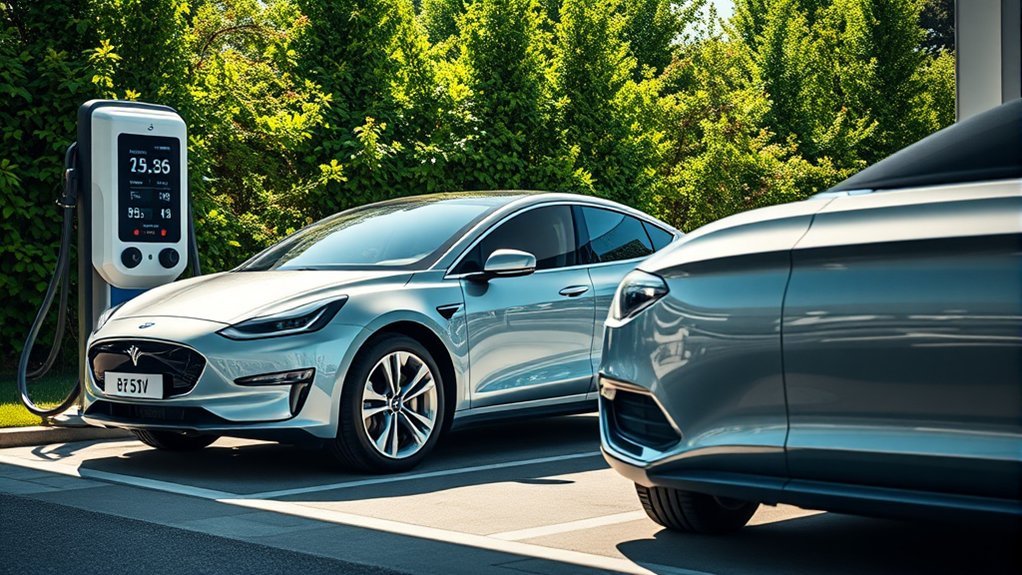
Running an electric car is generally cheaper than a petrol vehicle. Although upfront costs can be higher, you’ll save around £528 annually on running expenses, including lower charging costs and road tax exemptions until 2025. Maintenance is also cheaper, averaging £165 for electric cars versus £205 for petrol. With potential annual savings between £600 to £1,500, the long-term financial benefits of electric vehicles make them a smart choice. Stick around to discover more about these savings!
Key Takeaways
- Electric vehicles (EVs) have an annual running cost that is £528 less than petrol cars, making them more economical over time.
- Charging an EV costs approximately 7p per mile, while petrol vehicles average 19-21p per mile, resulting in significant savings.
- EV maintenance costs average £165 per year compared to £205 for petrol cars, leading to lower overall upkeep expenses.
- Electric car owners benefit from road tax exemptions until April 2025 and reduced taxes thereafter, enhancing financial advantages.
- Long-term savings for EV owners can range from £600 to £1,500 annually, driven by lower running and maintenance costs.
Comparing Upfront Costs of Electric and Petrol Cars
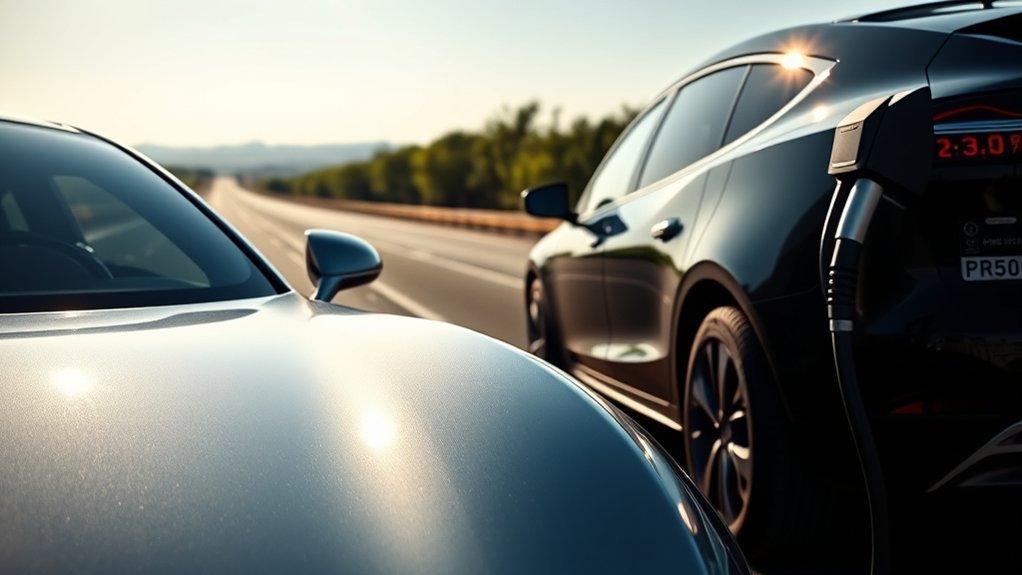
When you’re considering the upfront costs of electric versus petrol cars, you’ll find that electric vehicles (EVs) generally carry a higher price tag, typically 18% to 20% more than their petrol counterparts.
As of 2024, the average cost of EVs ranges between £48,000 and £50,873, but the price gap has narrowed considerably from 51% in 2018.
Affordable EVs, like the Citroën Ami at £7,695, are now available, and leasing options, such as the Dacia Spring for about £128/month, make ownership more attainable.
Plus, the average manufacturer discount for EVs is £5,006, outperforming the £2,652 for petrol cars.
Government grants for home chargepoint installations can further reduce upfront costs by up to £350, enhancing your potential savings.
Running Costs: A Detailed Comparison of Electric and Petrol Vehicles
Owning a vehicle involves ongoing expenses that considerably impact your budget, and this is where electric and petrol cars show stark differences.
When you consider running costs, electric vehicles lead the way, averaging £528 less per year than petrol cars. Charging your EV typically runs about 7p per mile, while petrol vehicles can cost 19-21p per mile, showcasing significant fuel savings.
Maintenance costs also favor electric vehicles, with an average of £165 annually compared to £205 for petrol cars.
Plus, until April 2025, electric car owners enjoy road tax exemptions, further enhancing their total cost of ownership.
Over 10,000 miles, the annual savings for electric vehicle owners can range from £600 to £1,500. This makes electric cars not just a greener choice but a financially liberating one as well, allowing you to allocate your hard-earned money more wisely.
Tax Benefits and Incentives for Electric Vehicle Owners
As electric vehicle (EV) ownership grows, tax benefits and incentives greatly enhance the appeal of making the switch. These financial advantages not only lighten your load but also promote a sustainable lifestyle.
| Tax Benefit/Incentive | Details | Impact on EV Owners |
|---|---|---|
| Road Tax | Exempt until 2025, first-year fee: £10 | Saves significant costs |
| Benefit-in-Kind (BiK) | Set at 3% from April 2025 | Lower taxes compared to ICE |
| ULEZ Charges | Exempt until December 2025 | Avoids daily fees in cities |
Additionally, government grants can reduce home charging installations by up to £350. Many London boroughs offer free and subsidized parking for EV drivers, further enhancing the financial appeal. Embracing these incentives can liberate you financially while supporting eco-friendly transportation.
Maintenance Costs of Electric vs Petrol Cars
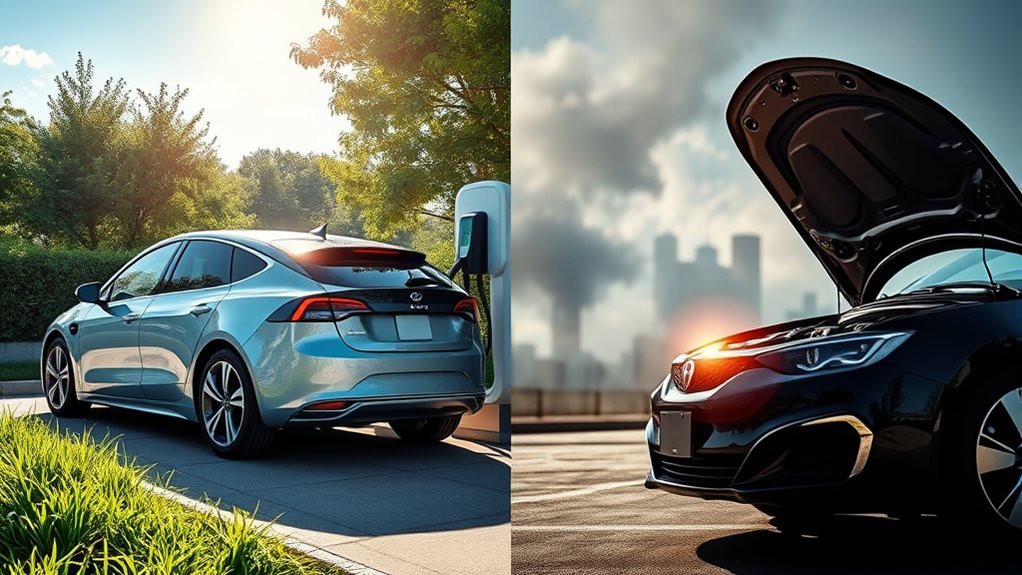
While many drivers focus on the upfront costs of purchasing a vehicle, the long-term maintenance expenses can greatly impact your overall ownership experience.
Electric cars typically incur maintenance costs averaging £165 per year, compared to £205 for petrol cars, showcasing a 20% savings on servicing. With fewer moving parts than petrol vehicles, EVs result in lower repair costs and less frequent maintenance tasks like oil changes.
Electric cars offer significant savings on maintenance, averaging £165 annually compared to £205 for petrol vehicles, thanks to fewer moving parts.
Additionally, regenerative braking extends the lifespan of brake pads, contributing to a more economical maintenance outlook. Overall, electric vehicles can cost up to 50% less to maintain, translating to significant savings over time.
Plus, the long-term reliability of modern EV batteries, lasting up to 20 years or 186,000 miles, minimizes maintenance needs and associated costs. Embracing an electric car not only liberates you from high maintenance expenses but also enhances your driving experience with less hassle.
Long-Term Financial Benefits of Electric Vehicle Ownership?
When considering the long-term financial benefits of electric vehicle (EV) ownership, it’s clear that driving an EV can lead to substantial savings over time.
You can save between £600 to £1,500 annually by simply switching from petrol to an electric car, largely due to lower fuel and maintenance costs. Charging your EV at home costs around 7p per mile, while petrol cars can rack up 19-21p per mile in fuel expenses.
Plus, you enjoy road tax exemptions until April 2025, and even after, the costs remain lower than for petrol vehicles. Maintenance costs are also appealing, averaging £165 for EVs compared to £205 for petrol cars.
With ongoing advancements in battery technology and a growing charging infrastructure, the long-term financial benefits of EV ownership are set to increase, making running an electric car a smart choice for your wallet and the planet.
Frequently Asked Questions
Is It Cheaper to Run an Electric Car or a Petrol Car?
It’s generally cheaper to run an electric car. You’ll enjoy electric vehicle savings from lower fuel costs and maintenance. Plus, consider charging infrastructure availability, government incentives, and overall environmental impact for an informed decision.
What Are Three Disadvantages to an Electric Car?
You’ll face higher upfront costs, limited charging infrastructure, and longer charging times with electric cars. Additionally, battery lifespan and maintenance costs can impact resale value, despite potential government incentives and advancements in technology.
Is It Cheaper to Have an Electric Car or a Gas Car?
Electric cars typically triumph over gas vehicles regarding savings, thanks to cheaper electric charging, lower maintenance costs, government incentives, and environmental benefits. You’ll enjoy better fuel efficiency, resale value, and advanced technology too.
What Happens to EV After 8 Years?
After 8 years, you’ll notice battery degradation, but maintenance costs remain lower. Strong resale value and evolving charging infrastructure enhance your ownership experience, while technology advancements and government incentives boost long-term savings and environmental impact.
Conclusion
To sum up, while electric cars often have higher upfront costs, their lower running expenses can make them more economical in the long run. For instance, studies show that electric vehicle owners can save an average of $800 annually on fuel compared to petrol cars. Coupled with various tax incentives, you might find that the financial benefits of driving electric outweigh the initial investment. Ultimately, considering your driving habits and local energy costs will help you make the best choice.




Leave a Reply