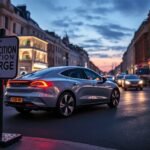
Electric vehicles (EVs) are currently exempt from London’s Congestion Charge, but this exemption ends on January 2, 2026. Until then, EVs must meet specific criteria like low CO2 emissions and a certain zero-emission range. After the exemption, daily charges will apply, unless you’re enrolled in Auto Pay for reduced fees. Staying informed on payment deadlines is essential to avoid penalties. Want to know more about discounts and exemptions for EVs?
Key Takeaways
- Electric vehicles (EVs) are exempt from the Congestion Charge until January 2, 2026, if they meet specific emission criteria.
- To qualify for the exemption, EVs must have CO2 emissions below 75g/km and a zero-emission range of at least 20 miles.
- Registration with Transport for London (TfL) is required, along with a £10 annual fee to maintain discount eligibility.
- After the exemption ends, EVs will incur a daily charge of £18 unless enrolled in Auto Pay for reduced rates.
- Unlike the Congestion Charge, EVs are exempt from ULEZ charges indefinitely, providing additional cost savings.
What Is the London Congestion Charge and How Does It Work?
The London Congestion Charge is a strategic initiative aimed at alleviating traffic congestion in central London. Introduced in 2003, it operates daily from 7am to 10pm, except on Christmas Day.
You’ll need to pay the congestion charge of £15, which will increase to £18 in January 2026 for most vehicles entering the Congestion Charge Zone (CCZ). To monitor compliance, Automatic number-plate recognition (ANPR) cameras track vehicles, ensuring the charge is enforced.
The goal is to reduce traffic congestion and improve air quality in the city. While many must pay, there are exemptions available, including for electric cars, Blue Badge holders, and vehicles with nine or more seats.
The initiative aims to ease congestion and enhance air quality, offering exemptions for electric cars and designated vehicles.
These fees help fund public transport services managed by Transport for London (TfL), promoting a more efficient and cleaner travel experience in Central London. Embracing these changes can lead to a healthier urban environment.
Who Is Exempt From the Congestion Charge?
Understanding who’s exempt from the London Congestion Charge can greatly impact your travel plans if you’re in the area.
Currently, Blue Badge holders enjoy full exemption from this charge, allowing for seamless travel without fees. Emergency service vehicles and licensed black cabs also maintain their exempt status, ensuring essential services can navigate the city unhindered.
If you live within the Congestion Charge zone, you can apply for a 90% discount, bringing your daily fee down to just £1.80, provided you registered before March 1, 2027.
Additionally, vehicles with nine or more seats may qualify for a discount or exemption, depending on specific conditions.
Keep these exemptions in mind as you plan your trips, as they can greatly reduce your costs and enhance your freedom on the roads.
How to Sign Up for the Cleaner Vehicle Discount
To sign up for the Cleaner Vehicle Discount, you’ll first need to check if your electric vehicle meets the eligibility requirements, including emissions and zero-emission range standards.
Once you confirm your vehicle qualifies, you can complete the registration process with Transport for London, which involves a simple £10 annual renewal fee.
Getting registered before you enter the congestion charge zone is essential to avoid daily charges and maximize your savings.
Eligibility Requirements Explained
If you’re considering driving an electric vehicle (EV) in London, it’s essential to know how to sign up for the Cleaner Vehicle Discount to enjoy significant savings on congestion charges.
To qualify, your EV must have CO2 emissions below 75g/km and a minimum zero-emission range of 20 miles. You’ll need to register your vehicle with Transport for London (TfL) and pay an annual fee of £10.
Complete your registration before entering the congestion charge zone to avoid charges. Once registered, your EV will be exempt from the congestion charge until December 25, 2025.
Registration Process Steps
While traversing the process of signing up for the Cleaner Vehicle Discount, you’ll find it straightforward and beneficial for your electric vehicle (EV) ownership.
To guarantee your exemption from the congestion charge, follow these steps:
- Register with Transport for London (TfL): Confirm your fully electric or hydrogen fuel cell vehicle meets the CO2 emissions limit of 75g/km and has a zero-emissions range of at least 20 miles.
- Pay the annual fee: A £10 registration cost is required each year to maintain your discount eligibility.
- Renew your registration annually: Keep your status active to avoid falling under the standard congestion charge of £15 per day.
When Will Electric Vehicles Start Paying the Congestion Charge?
Wondering when electric vehicles (EVs) will start contributing to the London Congestion Charge? Mark your calendars for January 2, 2026, when EV drivers will need to pay the charge.
The standard daily rate will be set at £18, but if you register for Auto Pay, you can snag a 25% discount, bringing your cost down to £13.50 until March 2030.
This change comes as the number of electric vehicles skyrocketed from 20,000 in 2019 to over 112,000 by mid-2024, prompting the removal of their previous exemption.
Keep in mind, while you’ll have to pay the Congestion Charge, EVs will remain exempt from Ultra Low Emission Zone (ULEZ) charges indefinitely.
Penalties for Late Congestion Charge Payments
Missing the payment deadline for the London Congestion Charge can lead to costly repercussions for drivers. If you don’t pay within three days, you’ll face a late payment fee of £21.
But that’s just the beginning; failure to pay can escalate to a Penalty Charge Notice (PCN), starting at £160. If you act quickly and pay within 14 days, you can reduce this to £80.
To avoid these penalties, keep these points in mind:
- Pay on Time: Always aim to pay the Congestion Charge within the required timeframe.
- Consider Auto Pay: Register your electric vehicle with Transport for London to get a 25% discount, bringing your charge down to £13.50.
- Stay Informed: Regularly check your registration status to guarantee you’re not hit with unnecessary fees.
Stay vigilant to keep your costs in check!
How Does the Congestion Charge Differ From ULEZ?
When comparing the Congestion Charge to ULEZ, you’ll notice key differences in timings, geographic coverage, and vehicle eligibility.
The Congestion Charge operates only during specific hours in central London, while ULEZ runs 24/7 across a larger area.
Furthermore, the criteria for vehicle exemptions vary, impacting how each scheme promotes cleaner transport options.
Charge Timing Differences
While both the Congestion Charge and the Ultra Low Emission Zone (ULEZ) aim to reduce traffic and improve air quality in London, their charge timings and enforcement differ markedly.
Here’s what you need to know:
- Congestion Charge Timing: Runs from 7am to 10pm on weekdays and 12pm to 6pm on weekends. It doesn’t apply on Christmas Day.
- ULEZ Enforcement: Operates 24/7, including public holidays, targeting high-emission vehicles across Greater London.
- Fees: The daily Congestion Charge is currently £15, set to rise to £18 in 2026, while ULEZ fees are £12.50 for small vehicles and up to £100 for larger ones.
As an electric vehicle owner, you’re exempt from ULEZ charges indefinitely, but you’ll need to pay the Congestion Charge starting December 25, 2025.
Geographic Coverage Variations
Understanding the differences in geographic coverage between the Congestion Charge and the Ultra Low Emission Zone (ULEZ) is essential for maneuvering London’s traffic regulations.
The Congestion Charge operates solely within a smaller Central London zone, targeting traffic reduction during peak hours. In contrast, ULEZ spans all Greater London boroughs, ensuring broader air quality improvements.
While the Congestion Charge applies from 7am to 10pm on weekdays, ULEZ runs 24/7, emphasizing continuous environmental protection.
Electric cars are currently exempt from ULEZ fees, but starting January 2, 2026, these vehicles will need to pay the Congestion Charge.
Drivers must stay informed about these distinctions to navigate the city efficiently and responsibly, as set by Transport for London (TfL).
Vehicle Eligibility Criteria
Maneuvering through the vehicle eligibility criteria for the Congestion Charge and the Ultra Low Emission Zone (ULEZ) can save you both time and money. Here’s what you need to know:
- Congestion Charge Exemptions: Electric vehicles (EVs) are exempt until December 25, 2025, but not plug-in hybrids. To qualify, your vehicle must have CO2 emissions below 75g/km and a zero-emissions range of 20 miles.
- Daily Charges: The current daily Congestion Charge is £15, increasing to £18 in January 2026, while ULEZ charges start at £12.50 for small vehicles.
- Separate Registrations: Remember, registration for exemptions and discounts under the Congestion Charge and ULEZ are distinct, with the Cleaner Vehicle Discount ending in December 2025.
EV Costs After Exemption Ends
As the exemption for electric vehicles (EVs) from the daily congestion charge comes to an end on January 2, 2026, drivers will need to adjust their budgets accordingly.
After this date, electric cars will pay congestion charges of £18 daily, unless you’re a registered EV driver enrolled in the Auto Pay scheme, which offers a 25% discount, reducing your cost to £13.50 until March 2030.
With the rise in registered EVs from 20,000 in 2019 to over 112,000 by June 2024, Transport for London (TfL) aims to address congestion more equitably.
After 2030, the charge will decrease to £15.75, a 12.5% discount from the standard rate.
Don’t forget, penalties for late payment include a £21 fee and a Penalty Charge Notice (PCN) starting at £180, so staying informed is essential to manage EV costs effectively.
Are Electric Vehicles Cost-Effective in London?
With the upcoming congestion charge changes, many London drivers are reassessing the cost-effectiveness of electric vehicles (EVs).
Here’s why going electric might still be your best bet:
- Significant Savings: EVs can save you over £9,000 annually when you consider congestion and ULEZ charges.
- Lower Ownership Costs: Owning an electric van costs just £2,340 a year, compared to £9,242.50 for diesel vans—resulting in savings of £6,902.50.
- Tax Benefits: With a low Benefit-in-Kind tax rate of 3% and options for salary sacrifice arrangements, the overall cost of ownership drops even further.
Despite the new £18 daily congestion charge (or £13.50 with Auto Pay), the tiered discount system for EVs acknowledges their financial advantages.
For London drivers seeking both savings and sustainability, electric vehicles remain a cost-effective choice.
What Other Discounts and Exemptions Are Available for EVs?
Wondering what discounts and exemptions are available for electric vehicles (EVs) in London?
As of January 2026, if you have a registered Auto Pay account, you can enjoy a 25% discount on the Congestion Charge, dropping your daily fee from £18 to £13.50.
Blue Badge holders, emergency service vehicles, and licensed black cabs are fully exempt, regardless of vehicle type, providing significant relief.
If you’re a resident within the congestion charge zone, you could qualify for a whopping 90% discount, reducing your daily charge to just £1.80, but make sure you register before March 2027.
For electric vans, HGVs, and quadricycles, a handy 50% discount applies, lowering their charge to £9.
Note that the Cleaner Vehicle Discount ended on December 25, 2025, so staying updated on applicable discounts is essential for maximizing savings.
Frequently Asked Questions
Do Electric Vehicles Pay Congestion Charges?
Yes, electric vehicles will pay congestion charges starting January 2026, despite prior exemptions. Policy changes reflect urban traffic management efforts, incentivizing cleaner alternatives while enhancing EV charging infrastructure and supporting clean air initiatives for a sustainable future.
Do I Have to Pay Congestion Charge if I Have a Tesla?
If you own a Tesla, you won’t pay the congestion charge until December 25, 2025. Embrace urban driving with sustainable transport benefits, enjoy financial incentives, and contribute positively to the environment while maneuvering through city regulations.
What Cars Don’t Need to Pay Congestion Charges?
You won’t need to pay congestion charges if you drive zero emissions vehicles, alternative fuel vehicles, or if you’re a Blue Badge holder. These exemptions support eco-friendly transport and enhance urban mobility solutions for sustainable commuting options.
Do Electric Vehicles Have to Go Through Emissions?
Yes, electric vehicles undergo emissions assessments, focusing on battery production’s environmental impact and pollution comparison with traditional cars. Government incentives promote sustainability practices, while renewable energy enhances charging infrastructure, improving air quality and overall lifecycle assessment.
Conclusion
Steering through London’s roads in an electric vehicle is like sailing a ship through a bustling harbor. You’ve enjoyed the calm waters of congestion charge exemptions, but as the tides change, you might find yourself charting new courses. Staying informed about upcoming rules and potential costs will help you steer clear of unexpected fees. Embrace the journey, weigh your options, and remember: with the right knowledge, you can still find smooth sailing in the vibrant city landscape.




Leave a Reply