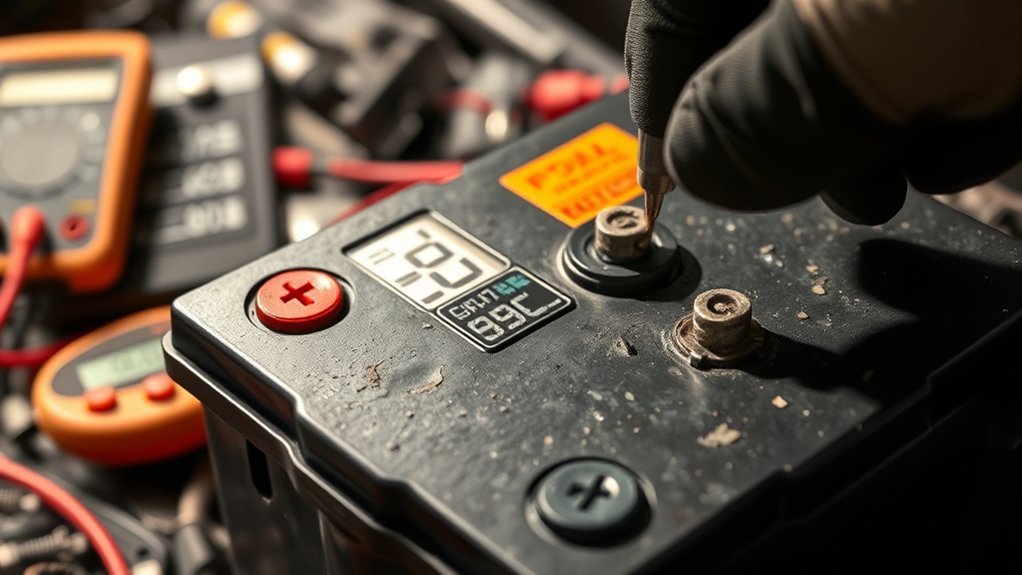
The average lifespan of a car battery typically ranges from 3 to 7 years, depending on factors like driving habits and climate. Frequent short trips can prevent proper charging, while extreme temperatures can dramatically shorten battery life. Regular maintenance checks and minimizing strain from electrical loads also play crucial roles. Understanding these influences can help you maximize your battery’s longevity. Continue exploring to discover more ways to enhance your battery’s performance and reliability.
Key Takeaways
- Standard lead-acid car batteries typically last 3-5 years, while AGM and EFB batteries can last 4-7 years.
- Lifespan can be shortened to 1-2 years in harsh conditions or due to poor maintenance.
- Driving habits affect battery life; frequent driving is better than short trips under 20 minutes for recharging.
- Extreme climates can reduce battery lifespan, with hot weather causing damage and cold weather reducing performance.
- Regular maintenance checks and monitoring can help extend battery life and detect early issues.
What Is the Average Lifespan of a Car Battery?
The average lifespan of a car battery typically falls between three to five years for standard lead-acid batteries, while AGM and EFB batteries can extend that range to four to seven years.
However, some batteries may fail after just one to two years, especially if they’re subjected to harsh conditions or inadequate maintenance.
Factors affecting battery lifespan include driving habits, climate, temperature variations, and routine maintenance practices.
To maximize your battery’s longevity, adhere to specific maintenance tips such as regular inspections and monitoring after the third year.
Be particularly aware of extreme temperatures, as hot climates can significantly shorten battery life compared to cooler conditions.
What Are the Signs of a Failing Battery?
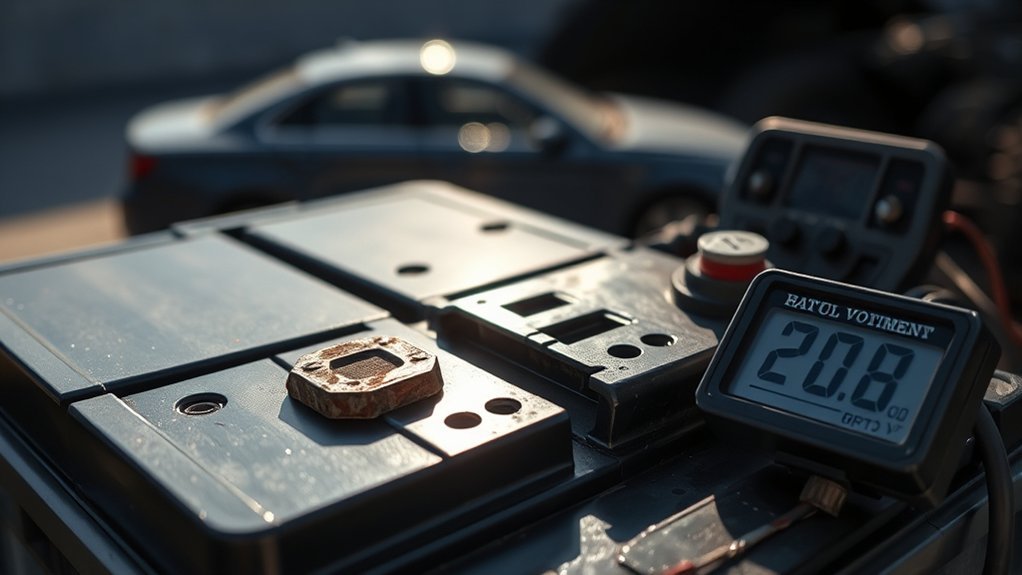
How can you tell if your car battery is on the brink of failure? Pay attention to several key battery symptoms.
If you notice slow engine cranking during start-up, that’s a common warning sign that your battery may be losing its charge capacity. Frequent jump starts indicate significant degradation in battery health.
Dim or flickering headlights, especially when idling, suggest inadequate power supply from the battery. Additionally, inspect the battery terminals; corrosion can lead to poor electrical connections and signal potential failure.
Lastly, a sulfur or rotten egg smell coming from under the hood often points to a leaking or failing battery, which needs immediate attention.
Address these warning signs promptly to avoid unexpected vehicle issues.
How Do Driving Habits Impact Your Car Battery Life?

Driving habits play a significant role in determining your car battery’s longevity. Frequent driving enhances battery health by allowing for optimal battery recharging and reducing the risk of sulfation.
Short trips, particularly those under 20 minutes, often fail to provide the necessary time for the alternator to effectively recharge the battery, leading to decreased lifespan. Additionally, leaving your vehicle idle for extended periods can drain the battery since it lacks sufficient recharging.
To maintain battery charge capacity, aim for 30-40 minutes of driving weekly, especially if you don’t use your vehicle regularly. Regular use also helps circulate the electrolyte within the battery, preventing stratification and ultimately enhancing its longevity.
Why Does Climate Affect Car Battery Longevity?
While many factors influence car battery longevity, climate plays a crucial role in determining how long your battery will last.
In hot climates, temperature extremes accelerate battery degradation, often resulting in an average lifespan of about three years. High temperatures cause fluid evaporation, leading to internal damage and corrosion, which compromise battery chemistry.
Conversely, cold weather can reduce battery strength by up to 35%, making it difficult for your engine to start and potentially causing premature failure. Additionally, temperature fluctuations exert stress on the battery, further impacting its performance.
Proper insulation and storage in moderate conditions can mitigate these effects, ultimately extending your battery’s life by shielding it from extreme climate conditions.
How to Extend Your Car Battery’s Life?
To extend your car battery’s life, regular maintenance checks are essential for identifying and addressing issues early.
Minimizing short trips ensures the battery receives sufficient charge, while monitoring temperature effects can help you anticipate performance changes.
Implementing these strategies can significantly enhance battery longevity and reliability.
Regular Maintenance Checks
Regular maintenance checks play a crucial role in extending your car battery’s lifespan. During routine oil changes, inspect your battery for early signs of issues like corrosion or low fluid levels.
Cleaning the battery terminals is essential for corrosion prevention, as it enhances electrical connections and reduces the risk of shorts and energy drain. Periodically test your battery’s health, especially after three years, to ensure it maintains adequate charge levels.
Ensure a secure installation, minimizing vibrations that could damage internal components and lead to premature failure. If your vehicle remains inactive for extended periods, consider using a maintenance charger to keep the battery charged, preventing sulfation and helping to extend its overall lifespan.
Minimize Short Trips
Frequent short trips can significantly hinder your car battery’s ability to recharge fully, which ultimately reduces its lifespan.
These brief drives often lead to inefficient charging cycles, preventing the battery from receiving the necessary voltage to maintain optimal performance.
To promote effective battery maintenance, aim to drive for at least 30-40 minutes weekly. This duration allows the alternator to replenish the battery adequately, reducing the risk of sulfate buildup on the plates.
If you consistently opt for short distances, you may find your battery’s lifespan dwindling from the average 3-5 years to just 1-2 years.
Planning occasional longer drives can improve your driving frequency and help sustain your battery’s health, ensuring it lasts longer and performs reliably.
Monitor Temperature Effects
While minimizing short trips is vital for maintaining your car battery’s health, monitoring temperature effects is equally important. High temperatures can accelerate degradation, potentially shortening your battery’s lifespan to three years in hot climates.
Regular temperature monitoring helps prevent overheating, which can exceed 200°F under the hood, leading to fluid evaporation and internal damage. To enhance longevity, consider battery insulation in extreme climates to mitigate temperature fluctuations.
Scheduled maintenance checks are crucial as they can identify issues like corrosion or electrolyte evaporation that affect performance. Additionally, using a maintenance charger during extreme cold helps maintain charge levels, ensuring your battery remains functional and prolonging its lifespan.
Keep these strategies in mind to optimize your battery’s health.
Properly Installing a New Car Battery
When installing a new car battery, you must choose the correct type and size to match your vehicle’s specifications.
Ensuring secure connections is essential; always connect the terminals in the proper order to prevent shorts.
Taking these steps minimizes risks and enhances your battery’s performance and lifespan.
Choosing The Right Battery
Choosing the right battery is essential for optimal vehicle performance and longevity. Start by verifying the battery specifications to ensure it matches your vehicle’s requirements, particularly the correct group number for size and terminal configuration.
Pay attention to compatibility considerations, such as cold cranking amps (CCA); select a battery with an appropriate CCA rating for your climate since higher ratings are crucial for cold weather.
Also, check the manufacturing date to avoid older stock that may have a reduced lifespan. Proper installation is vital—secure the battery to minimize vibrations.
Lastly, clean the terminals and apply a corrosion inhibitor to enhance electrical connections, ensuring your new battery operates efficiently and lasts longer.
Ensuring Secure Connections
Properly installing a new car battery is essential for maintaining the integrity of your vehicle’s electrical system. Start by ensuring terminal cleanliness; clean any corrosion or dirt from the battery terminals to enhance electrical flow.
Next, select the correct battery group size and configuration as specified by your vehicle. This guarantees a secure fit and optimal connectivity.
When connecting, always attach the positive terminal first, followed by the negative, to minimize the risk of sparks.
Finally, tighten the terminal connections securely to ensure connection security. Loose connections can lead to vibrations that may cause intermittent power issues, battery drain, or even electrical component failure.
Following these steps ensures your battery operates efficiently and prolongs its lifespan.
What to Look for When Buying a New Car Battery?
Selecting a new car battery requires careful consideration of several key factors to ensure optimal performance and longevity. Here are three essential aspects to focus on:
- Battery Type: Choose between conventional lead-acid or AGM batteries based on your vehicle’s needs and performance characteristics.
- Cold Cranking Amps (CCA): Ensure the battery has a suitable CCA rating for reliable starting in cold temperatures, especially if you live in a colder climate.
- Warranty Options: Look for batteries with extended warranties, ideally offering three years of full replacement, which indicates quality.
Additionally, verify that the battery’s group number aligns with your vehicle’s specifications and purchase from reputable battery brands to ensure you receive a fresh product.
Frequently Asked Questions
Can I Jumpstart a Dead Car Battery Safely?
Yes, you can jumpstart a dead car battery safely. Ensure you follow safety precautions like wearing gloves and goggles, and use proper jumpstart techniques to connect the cables correctly, avoiding sparks and potential damage.
What Should I Do if My Battery Is Leaking?
If your battery’s leaking, prioritize safety precautions. Wear protective gear, disconnect the battery, and contain any spills. Dispose of the damaged battery properly and consult a professional for proper battery maintenance and replacement.
How Often Should I Replace My Car Battery?
You should replace your car battery every 3 to 5 years. Watch for replacement signs like dimming lights and slow engine starts. Regular battery maintenance can extend its life and ensure reliable performance.
Are There Different Types of Car Batteries?
Yes, there are different types of car batteries. You’ll primarily encounter lead acid batteries for traditional vehicles and lithium ion batteries for electric vehicles, each offering distinct advantages in performance, weight, and longevity.
What Is the Warranty Period for Car Batteries?
Most car batteries have a warranty period of three to five years. Warranty coverage varies based on battery specifications, but understanding this can help you choose a reliable battery that fits your needs effectively.
Conclusion
In conclusion, understanding your car battery’s lifespan is crucial for optimal vehicle performance. While a typical battery lasts about three to five years, factors like driving habits and climate can significantly impact longevity. You might’ve heard the myth that leaving your lights on will permanently damage your battery, but that’s not entirely accurate; it may just shorten its lifespan. By taking proactive measures, like proper installation and maintenance, you can extend your battery’s life and ensure reliable vehicle operation.







Leave a Reply