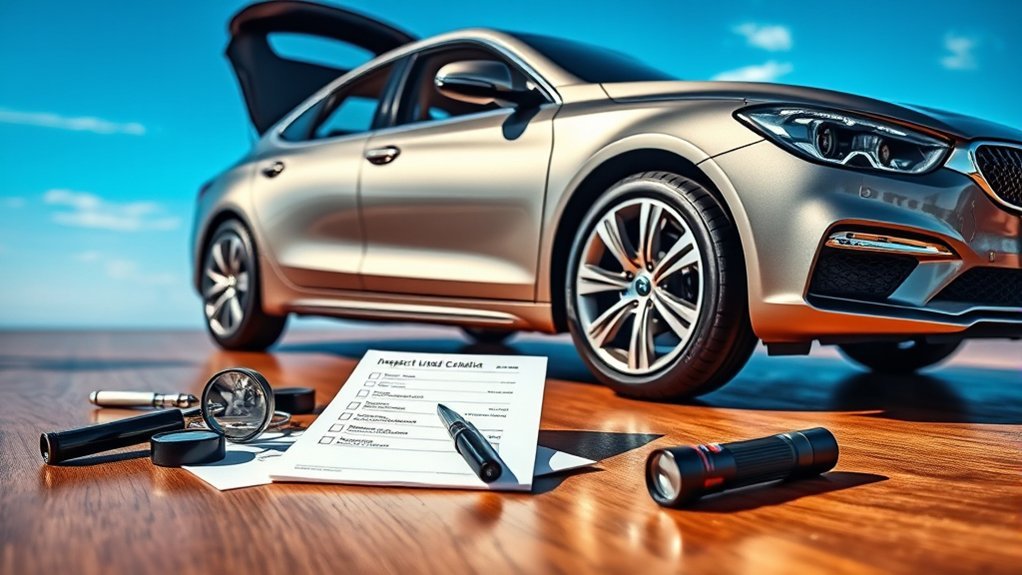
When buying a used car, start by asking key questions about its mileage, features, and maintenance history. Inspect the exterior for damage and assess interior features for comfort. Don’t forget to check under the hood for engine health and make sure to look under the car for structural integrity. Finally, take it for a test drive to evaluate performance and handling. You’ll discover even more essential tips as you explore further.
Key Takeaways
- Inspect the vehicle’s exterior and interior for any visible damage or wear, including scratches, dents, and functionality of components.
- Check the vehicle history report for past accidents, maintenance records, and previous ownership to assess reliability.
- Evaluate engine condition by checking fluid levels, belts, and hoses for cleanliness and signs of wear or leaks.
- Take the car for a test drive to assess acceleration, braking response, and listen for unusual sounds that may indicate issues.
- Confirm the steering and suspension performance by monitoring handling, alignment, and comfort over various driving conditions.
Ask the Right Questions Before Buying a Used Car

When you’re considering a used car, what essential questions should you ask to guarantee you’re making a smart purchase? First, make certain to inquire about the total mileage. Cars averaging over 20,000 miles a year often face more wear and tear than those under 5,000 miles.
Next, confirm key features like transmission type and safety equipment, as these affect insurance and resale value.
Confirming key features like transmission type and safety equipment is crucial, as they significantly impact insurance and resale value.
Don’t shy away from asking the seller about the overall condition and any past accidents. Let them explain their answers without interruption to assess their honesty.
Also, check for maintenance receipts and service history; these documents can verify if the vehicle’s been cared for properly.
Finally, clarify why they’re selling the car—vague responses can signal hidden issues.
Inspect the Used Car’s Exterior for Damage and Wear
After you’ve asked the right questions, it’s time to turn your attention to the car’s exterior. Inspect the body for scratches, dents, rust, and paint inconsistencies, as these can indicate poor maintenance or past accidents. Look for signs of repainting, like mismatched colors, which could affect the vehicle’s value.
| Inspection Area | What to Look For | Importance |
|---|---|---|
| Body Condition | Scratches, dents, rust, paint issues | Indicates past damage or poor maintenance |
| Tires | Tread wear and depth | Guarantees safety and avoids costly replacements |
| Doors and Trunk | Smooth operation | Misalignment may signal previous damage |
Also, check for rust in critical areas like wheel wells; blistered paint might point to structural issues. By thoroughly inspecting the exterior, you can make an informed decision about the vehicle’s overall condition.
Check Interior Features for Comfort and Functionality
As you explore the interior features of a used car, it’s essential to assess both comfort and functionality to guarantee a pleasant driving experience.
Start by checking the air conditioning and heating systems to verify they effectively regulate temperature, keeping you comfortable no matter the weather.
Next, inspect the seat belts for any fraying or damage, making sure they retract smoothly and latch securely to protect you and your passengers.
Don’t overlook the functionality of power windows, door locks, and sunroofs; they should operate quietly and without resistance.
Finally, evaluate the comfort of seats by sitting in each one and testing the adjustment mechanisms. This verifies they provide adequate support for long drives.
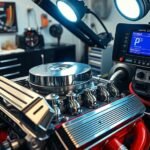
Look Under the Hood to Ensure Engine Health
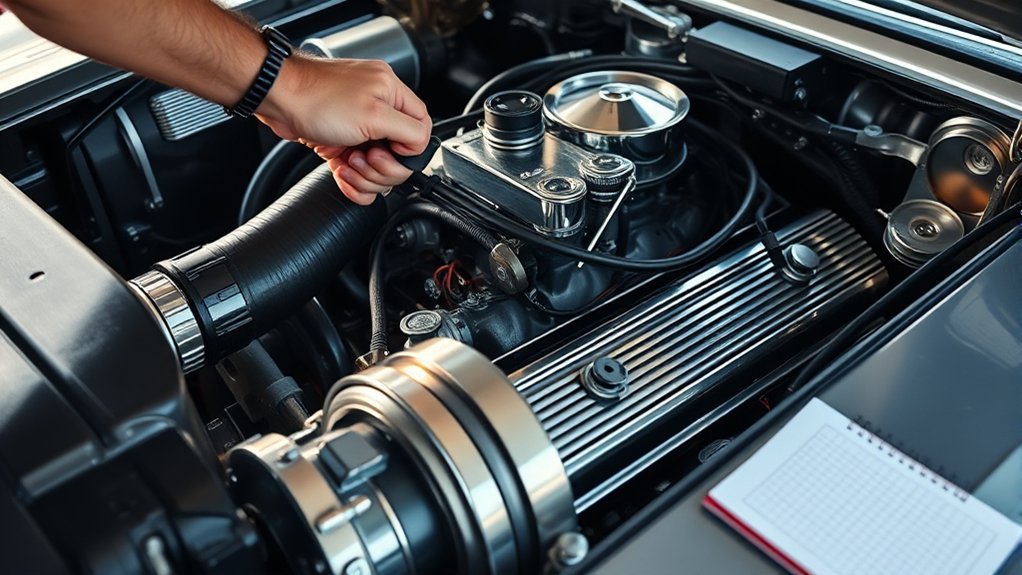
Before you commit to a used car, take a moment to look under the hood and check fluid levels like engine oil and coolant.
Make sure these fluids are clean and at the right levels, as this can indicate how well the car has been maintained.
Also, inspect the belts and hoses for any signs of wear or damage, since failing components can lead to costly repairs down the line.
Check Fluid Levels
Checking fluid levels under the hood is essential for ensuring your vehicle’s engine health, as low or contaminated fluids can lead to serious mechanical problems. Make sure to check engine oil, transmission fluid, power steering fluid, and brake fluid. Use a clean rag to wipe dipsticks for accurate readings.
| Fluid Type | What to Look For |
|---|---|
| Engine Oil | Level should be between min and max. |
| Transmission Fluid | Clear, red, and at the correct level. |
| Coolant | Filled to the mark, free of debris. |
Also, inspect for fluid leaks around the engine and under the vehicle. Clear, clean fluids indicate maintenance, while murky fluids may signal neglect.
Inspect Belts And Hoses
After verifying your fluid levels are in check, it’s time to take a closer look at the belts and hoses under the hood.
Start by inspecting belts for fraying, cracks, or wear. These issues can lead to engine failure if not replaced regularly, typically every 60,000 to 100,000 miles.
Next, check hoses for firmness and any signs of leaks, bulges, or cracking, as deteriorated hoses can cause coolant leaks and overheating. Look for oil or coolant stains around these components, indicating potential issues that could harm engine performance.
Finally, confirm all connections are secure and free of corrosion. A thorough inspection now can save you from costly repairs down the road, keeping your ride running smoothly.
Examine the Underbody for Structural Integrity
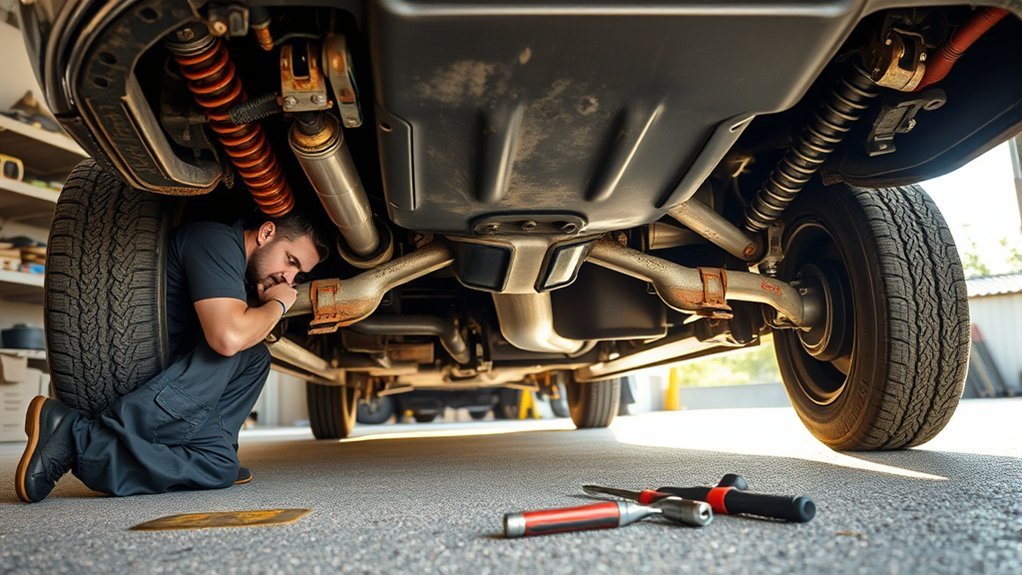
The underbody of a used car often reveals its true history, making it essential to examine this area for structural integrity. Start by inspecting for rust, corrosion, or damage, as they can indicate poor maintenance or harsh conditions. Look for kinks or bends in the structural components like the frame and suspension, which may suggest past accidents. You should also check for leaks from oil, coolant, or transmission fluids—these can lead to significant issues if ignored.
| Inspection Area | Key Points |
|---|---|
| Rust and Corrosion | Look for any signs of deterioration |
| Structural Components | Check for kinks, bends, or dents |
| Leaks | Inspect for oil, coolant, or fluid leaks |
| Exhaust System | Examine for holes or excessive rust |
Ensuring the underbody protection is intact will help prevent future rust and deterioration, paving the way for a reliable ride.
Review Vehicle History and Maintenance Records for Insight
When considering a used car, reviewing its vehicle history and maintenance records is vital for gaining insight into its past.
A thorough vehicle history report, like CARFAX, can reveal important details that may impact your decision. Here’s what to focus on:
- Past accidents: Look for any recorded incidents that could affect safety and value.
- Maintenance records: Confirm the car has had regular servicing, including oil changes and part replacements.
- Significant repairs: Check for major repairs or recalls that might indicate underlying issues.
- Previous ownership: Know if the vehicle was a rental or taxi, as this can influence its treatment.
- Odometer tampering: Verify mileage consistency; discrepancies may signal neglect or fraud.
Test Drive the Car for Performance and Handling
When you test drive the car, pay close attention to how it accelerates and brakes; smooth changes are key indicators of a well-functioning vehicle.
Notice the steering and suspension feel as you navigate corners and bumps; they should provide a stable and responsive driving experience.
Any unusual sounds or hesitations during these processes could signal deeper mechanical issues, so stay alert.
Acceleration And Braking Response
To guarantee you’re getting a reliable used car, testing its acceleration and braking response during a drive is essential. Pay close attention to how the vehicle performs, ensuring a smooth and responsive acceleration.
Here are key aspects to evaluate:
- Look for any warning lights on the dashboard.
- Check if the braking response brings the car to a complete stop without grinding or pulling.
- Test the handbrake on a slight incline; it should hold securely.
- Notice the balance during acceleration and braking; excessive body roll could indicate issues.
- Listen for any unusual sounds that may suggest mechanical problems.
Steering And Suspension Feel
As you take the wheel for a test drive, the steering and suspension feel can reveal a lot about the car’s condition. Pay close attention to the steering response; it should be smooth and precise, free of excessive play or vibrations, indicating good alignment and suspension health.
Drive over bumps and rough surfaces to evaluate how well the suspension absorbs shocks without excessive bouncing or bottoming out. Listen for clunking sounds while turning, which may signal worn-out suspension components.
On the highway, guarantee the steering wheel remains centered without constant adjustments, reflecting proper alignment. Finally, notice how the car handles turns—stable and balanced without excessive body roll shows the suspension’s effectiveness at maintaining road contact.
Frequently Asked Questions
How Can I Negotiate the Price of a Used Car Effectively?
To negotiate effectively, use price comparison strategies, apply negotiation tactics tips, and understand vehicle value. Communicate clearly and confidently, ensuring you express your needs while being open to finding common ground with the seller.
What Financing Options Are Available for Purchasing a Used Car?
Did you know nearly 70% of used car buyers finance their purchase? You’ve got options like personal loans and dealer financing, with interest rates varying based on your credit score and down payment. Choose wisely!
Should I Buy a Used Car From a Dealer or a Private Seller?
You should consider both options. Dealers offer benefits like warranties and financing, while private sellers often have lower prices. Compare prices and trust factors to find the best deal that suits your needs and preferences.
What Warranties Are Typically Offered on Used Cars?
When you’re buying a used car, think of warranties like insurance for your adventure. Typically, you’ll find powertrain warranties and optional extended coverage, with dealers obligated to honor promises made during the sale.
How Can I Determine if a Used Car Is Overpriced?
To determine if a used car’s overpriced, conduct a market value analysis using price comparison tools. Check the vehicle history report and local pricing trends to guarantee you’re making an informed decision that benefits you.
Conclusion
When buying a used car, it’s essential to follow these steps to guarantee you make a smart investment. Did you know that about 40% of used cars have some form of hidden damage? By thoroughly inspecting the vehicle and asking the right questions, you can avoid costly surprises down the road. Remember, a little diligence now can save you a lot later. Trust your instincts and take your time; the right car is worth the effort!





Leave a Reply