
If your Toyota Quantum is losing power, it could be due to malfunctioning fuel injectors, a clogged fuel filter, or a faulty oxygen sensor. Other causes include a restricted catalytic converter and insufficient air supply from a dirty air filter. To fix these issues, inspect the fuel system, check for blockages, and evaluate the electrical system for faults. By identifying the root cause, you can effectively restore engine performance. More insights are available on how to diagnose and resolve these problems.
What Causes Power Loss in the 2008 Toyota Quantum?
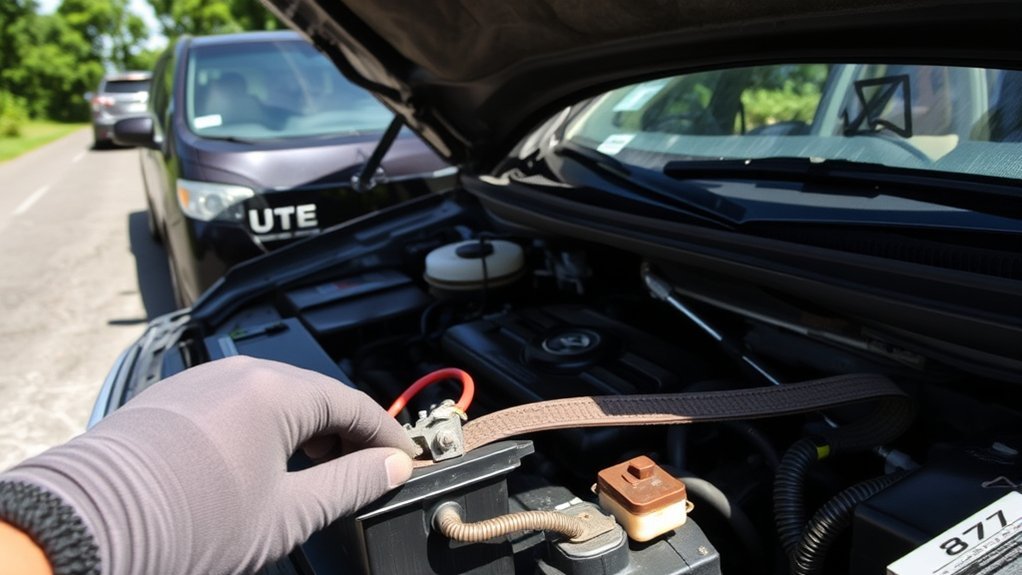
Power loss in the 2008 Toyota Quantum can stem from several mechanical issues that compromise engine performance. One critical factor involves the fuel injectors. Malfunctioning injectors can allow excessive fuel to enter the cylinders, leading to poor combustion and black smoke emissions during acceleration. This inefficiency directly impacts your vehicle’s power output.
Additionally, a clogged fuel filter can restrict fuel flow, compounding power loss and heightening fuel consumption. Problems can also arise from the oxygen sensor; even if replaced, it might still distort the air-fuel mixture, worsening performance issues.
A clogged fuel filter and faulty oxygen sensor can significantly hinder your vehicle’s performance and fuel efficiency.
Furthermore, a restricted catalytic converter can impede exhaust flow, causing further declines in engine power and possibly triggering limp mode. Finally, insufficient air supply due to a dirty air filter or leaks in the intake system can limit efficiency.
Addressing these issues will liberate your engine’s potential, restoring peak performance.
Common Symptoms of Engine Performance Issues
When you notice black smoke during acceleration, it often indicates excessive fuel combustion, signaling potential engine performance issues in your Toyota Quantum.
Additionally, experiencing a loss of power can suggest problems with fuel delivery or engine management systems that need immediate attention.
Recognizing these symptoms early can prevent further complications and guarantee your vehicle operates efficiently.
Black Smoke During Acceleration
Experiencing black smoke during acceleration in your 2008 Toyota Quantum often signals a serious engine performance issue, primarily stemming from an overly rich air-fuel mixture. This condition can be caused by malfunctioning fuel injectors or a faulty oxygen sensor, leading to excessive fuel entering the engine and incomplete combustion.
| Symptoms | Causes | Solutions |
|---|---|---|
| Black smoke during acceleration | Malfunctioning fuel injectors | Test and replace injectors |
| Poor engine performance | Faulty oxygen sensor | Inspect and replace sensor |
| Carbon build-up on plugs | Clogged fuel filters | Regular maintenance |
| Excessive fuel consumption | Incorrect air-fuel mixture | Tune engine |
Diagnosing these issues is essential for maintaining ideal engine performance and ensuring a smooth driving experience.
Loss Of Power Issues
A noticeable loss of power during acceleration in your Toyota Quantum often signifies underlying engine performance issues.
Here are some common symptoms to watch for:
- Black Smoke: Excessive fuel combustion, indicating a rich air-fuel mixture.
- Malfunctioning Fuel Injectors: They may allow too much fuel into the cylinders, causing performance issues.
- Heavy Fuel Consumption: This suggests potential carbon build-up on spark plugs, especially plugs number 3 and 4.
- Faulty Oxygen Sensors: These can disrupt the air-fuel mixture, exacerbating the loss of power.
Regular diagnostics are essential for identifying these issues.
Diagnosing Fuel System Issues
When diagnosing fuel system issues in your Toyota Quantum, focus on potential blockages in the fuel filter, malfunctions in the fuel injectors, and problems with the fuel pump.
Each of these components directly affects fuel delivery, which is essential for maintaining engine performance.
Identifying and addressing these issues promptly can help prevent further power loss and enhance your vehicle’s efficiency.
Fuel Filter Blockages
Clogged fuel filters can greatly hinder the performance of your 2008 Toyota Quantum, leading to power loss and reduced acceleration.
To diagnose fuel filter blockages, look for these signs:
- Difficulty starting the engine.
- Frequent stalling, especially during acceleration.
- Poor fuel efficiency, often indicated by lower mileage.
- Black smoke from the exhaust.
If you notice any of these symptoms, it’s essential to inspect the fuel filter. A blocked fuel filter restricts fuel flow, compromising engine performance.
Regularly replacing the fuel filter guarantees ideal fuel delivery, maintaining proper fuel rail pressure and enhancing injector function.
Prioritize this maintenance to avoid severe engine issues and elevate your vehicle’s overall performance.
Fuel Injector Malfunctions
Fuel injector malfunctions can severely impact your Toyota Quantum’s performance, as they often lead to excessive fuel entering the cylinders. This condition can result in black smoke during acceleration and a noticeable decline in engine efficiency.
A faulty injector may fail to atomize fuel properly, causing incomplete combustion and carbon build-up, especially in cylinders 3 and 4. Additionally, insufficient fuel rail pressure from malfunctioning injectors can trigger a “limp mode,” making acceleration sluggish.
To address these issues, regularly testing and cleaning your fuel injectors is essential for ideal fuel delivery. Diagnosing fuel injector malfunctions involves evaluating the injector pulse width and flow rate to verify they’re functioning within specified parameters, preventing heavy fuel consumption and power loss.
Fuel Pump Issues
While a well-functioning fuel pump is vital for peak engine performance, issues with this component can lead to significant power loss in your Toyota Quantum.
Here are key symptoms to watch out for:
- Engine sputtering during acceleration.
- Difficulty starting the vehicle.
- Noticeable decrease in power, especially under load.
- Black smoke emissions indicating an overly rich air-fuel mixture.
Diagnosing fuel pump issues is important. Regular checks can prevent inadequate fuel delivery, which often results in poor engine performance.
Use a fuel pressure gauge to measure the fuel rail pressure and verify the pump operates within manufacturer specifications.
Addressing these concerns early can save you from costly repairs and maintain your vehicle’s efficiency.
How the Oxygen Sensor Affects Power Loss in the 2008 Toyota Quantum
The oxygen sensor in your 2008 Toyota Quantum plays a critical role in maintaining engine performance, as it precisely monitors the air-fuel mixture. If this sensor malfunctions, it can create an imbalance, leading to power loss during acceleration.
A faulty oxygen sensor often causes the engine to run too rich, resulting in excessive fuel consumption and black smoke from the exhaust. Additionally, a failed sensor can trigger the check engine light, forcing the vehicle into limp mode, which drastically reduces engine output.
To guarantee peak performance and prevent power loss, regular replacement and testing of the oxygen sensor are essential.
Diagnosing issues involves checking for error codes and conducting performance tests to confirm it’s delivering accurate readings to the engine control unit. By addressing oxygen sensor problems promptly, you can maintain your Quantum’s engine efficiency and reclaim the power that keeps your driving experience liberating.
Identifying Exhaust System Blockages: Catalytic Converter Problems

Power loss in the 2008 Toyota Quantum can also stem from exhaust system blockages, particularly issues with the catalytic converter. A clogged catalytic converter can severely restrict exhaust flow, diminishing engine power and efficiency.
Power loss in the 2008 Toyota Quantum may arise from catalytic converter blockages, significantly impacting engine efficiency and performance.
To pinpoint problems, consider these symptoms:
- Black smoke from the exhaust
- Loss of acceleration power
- Increased fuel consumption
- Unusual exhaust back pressure readings
Regular inspection and maintenance are vital, as carbon build-up from incomplete combustion can lead to blockages.
Testing the exhaust back pressure can provide valuable insights; abnormal levels often indicate severe obstructions affecting performance.
If you suspect catalytic converter problems, don’t hesitate to act. Replacing a damaged or malfunctioning catalytic converter is essential to restore proper exhaust flow and prevent further engine complications.
Common Electrical Issues Impacting the 2008 Toyota Quantum’s Performance
Electrical issues can greatly impact the performance of your 2008 Toyota Quantum, often leading to frustrating symptoms that affect drivability. A failing battery is a primary concern, potentially resulting in inadequate power supply for engine function, which manifests as long starting times and reduced performance.
Similarly, a malfunctioning alternator mightn’t recharge the battery sufficiently, disrupting the electrical system and harming the engine management system. Corroded terminals or poor electrical connections can further obstruct current flow, causing intermittent power loss and triggering dashboard warning lights.
The vehicle’s sensors, such as the oxygen and mass airflow sensors, are crucial for peak engine performance; their failure can severely impair fuel management and power delivery. Regular inspections of the electrical system—encompassing the battery, alternator, and wiring—are important to guarantee reliable performance and proactively address these issues before they escalate into more significant problems.
Regular Maintenance Tips to Prevent Power Loss
To prevent power loss in your Toyota Quantum, you need to prioritize regular engine inspections and timely fluid changes.
These proactive measures help identify potential issues early and guarantee ideal engine performance.
Regular Engine Inspections
While you might overlook engine maintenance during regular vehicle use, consistent inspections are vital for preventing power loss in your Toyota Quantum. Neglecting these checks can lead your engine to stall, resulting in performance issues.
Here are four critical aspects to include in your inspections:
- Check for air intake blockages; dirty air filters restrict airflow.
- Inspect fuel injectors for proper operation to avoid excessive fuel entering cylinders.
- Routine checks of the catalytic converter guarantee proper exhaust flow.
- Schedule periodic diagnostics to monitor engine performance and catch issues early.
Timely Fluid Changes
Engine inspections are just one part of maintaining your Toyota Quantum’s performance; timely fluid changes are equally important in preventing power loss.
Regularly changing your engine oil using the correct grade prevents sludge build-up, which can impair engine efficiency. Adhere to the manufacturer’s recommendations for transmission fluid changes to avoid poor shifting and reduced power transfer.
Make certain your coolant levels are topped up and replace it periodically to maintain peak engine temperatures, preventing overheating. Don’t overlook brake fluid; replace it every two years to sustain braking performance and overall vehicle responsiveness.
Additionally, regularly check and replace differential and power steering fluids to promote smooth operation, enhancing acceleration and preventing power loss. Stay proactive to keep your Quantum performing at its best.
When to Consult a Mechanic for Engine Issues
Consulting a mechanic becomes essential when you notice irregularities in your vehicle’s performance, particularly if your Toyota Quantum is experiencing symptoms like black smoke during acceleration or significant power loss.
Here are key indicators that should prompt a visit:
- Check Engine Light: If it illuminates and you’ve already replaced components like the oxygen sensor or catalytic converter.
- Persistent Heavy Fuel Consumption: This could signal underlying fuel injector issues.
- Carbon Build-Up on Spark Plugs: After maintenance, this suggests the need for expert evaluation.
- Suspected Fuel Delivery Issues: If you think there’s a malfunctioning catalytic converter, a mechanic can conduct necessary tests.
Regularly monitoring engine performance and promptly consulting a technician upon noticing these warning signs can prevent further damage and costly repairs.
Monitoring engine performance and seeking timely technician advice can avert costly repairs and potential damage.
Don’t ignore these critical symptoms; they could save you from bigger problems down the road.
Troubleshooting Steps Before Visiting a Mechanic

Noticing signs of power loss in your Toyota Quantum can be frustrating, but before heading to a mechanic, it’s beneficial to conduct some preliminary troubleshooting.
Start by using an OBD2 scanner to check for any active or stored error codes. This can reveal sensor or system malfunctions causing the issue.
Next, inspect the air intake boot for holes or leaks; any airflow restriction can greatly impact performance.
Verify fuel delivery by checking the fuel filter for blockages; a clogged filter can impede fuel flow and lead to acceleration problems.
Also, perform a visual inspection of the exhaust system, particularly the catalytic converter, to identify any restrictions or damage affecting exhaust flow and engine power.
If you still experience power loss, consider conducting a leak-down test to assess engine compression, ensuring no mechanical failures are hindering performance.
Understanding Compression Issues in the Toyota Quantum
While driving your Toyota Quantum, you mightn’t realize that compression issues can considerably affect its performance. Insufficient compression prevents your engine from generating the necessary power, especially during acceleration.
To understand these issues better, consider the following:
Consider these key factors to grasp the impact of compression issues on your vehicle’s performance.
- Leak Down Test: Essential for diagnosing compression problems, identifying air leaks from cylinders.
- Normal Readings: Healthy engines should have compression between 150 to 200 psi; deviations may signal underlying issues.
- Fuel Combustion: Compression loss leads to poor combustion, often resulting in black smoke and increased fuel consumption.
- Regular Maintenance: Timely checks on engine compression can help spot issues early, preventing severe damage.
Understanding these compression issues can empower you to take proactive steps in maintaining your Toyota Quantum, ensuring peak performance and longevity.
Don’t overlook the importance of a well-functioning engine for a smooth driving experience.
Frequently Asked Questions
What Sensor Causes Loss of Power?
A sensor malfunction, particularly in the oxygen sensor, mass airflow sensor, or throttle position sensor, can cause your engine to lose power. Regular diagnostics can help you identify these issues and maintain peak performance.
Why Is My Toyota Losing Power?
Your Toyota’s losing power due to potential issues within the fuel system. Malfunctioning fuel injectors, clogged filters, or faulty sensors can disrupt fuel delivery, affecting performance. Regular diagnostics will help identify and resolve these critical problems.
What Causes a Car to Lose Power While Accelerating?
Power problems while accelerating often stem from faulty fuel delivery, failing fuel injectors, clogged air filters, or malfunctioning sensors. Each issue disrupts your engine’s efficiency, leading to frustrating performance dips and diminished driving dynamics.
Why Does My Car Lose Power but the Engine Is Still Running?
Your car loses power despite the engine running due to power drain from clogged filters, fuel delivery issues, electrical system faults, overheating, or sensor malfunctions, all affecting performance and efficiency while the engine remains operational.
Conclusion
In conclusion, addressing power loss in your 2008 Toyota Quantum involves diagnosing fuel system issues, checking the oxygen sensor, and identifying exhaust blockages. By performing regular maintenance and troubleshooting before seeking professional help, you can often resolve these performance problems. Remember, catching these issues early can save you time and money. Stay proactive, stay informed, and guarantee your Toyota Quantum runs smoothly for years to come. Your vehicle deserves the best care you can provide.







Leave a Reply