
If your 2008 Toyota Quantum is losing power, the cause could be anything from a blocked air filter to a fuel-system or turbocharger problem. The right diagnosis depends on whether you have the 2.7-litre petrol engine or the 2.5-litre D-4D turbo-diesel. Start with the symptoms, check for stored fault codes, and inspect the simple items before replacing expensive components.
Quick Answer
A 2008 Toyota Quantum can lose power because of restricted fuel delivery, a dirty air filter, faulty injectors, sensor problems, or an exhaust restriction. On the D-4D diesel, also check the turbocharger, boost hoses, and fuel-pressure control system. Read the fault codes and confirm the cause before replacing parts.
Key Takeaways
- Identify your engine first. Petrol and D-4D diesel models require different diagnostic checks.
- Black smoke on a diesel often points toward an air-supply or combustion problem, not automatically a blocked fuel filter.
- A split turbo hose can cause poor acceleration even when the engine starts and idles normally.
- An OBD fault code identifies an area to investigate; it does not always prove that a particular component needs replacing.
- Common-rail diesel fuel-pressure testing should be left to a trained technician.
At a Glance
| Time Required | About 20–40 minutes for basic checks; professional diagnosis may take longer. |
| Difficulty | Basic visual checks: beginner. Fuel-pressure, turbocharger, and internal engine testing: professional. |
| Tools Needed | Compatible diagnostic scanner, torch, gloves, and the correct vehicle service information. |
| Cost | Basic inspection may require no replacement parts. Diagnostic and repair costs depend on the confirmed fault, engine variant, and local workshop rates. |
What Causes Power Loss in the 2008 Toyota Quantum?
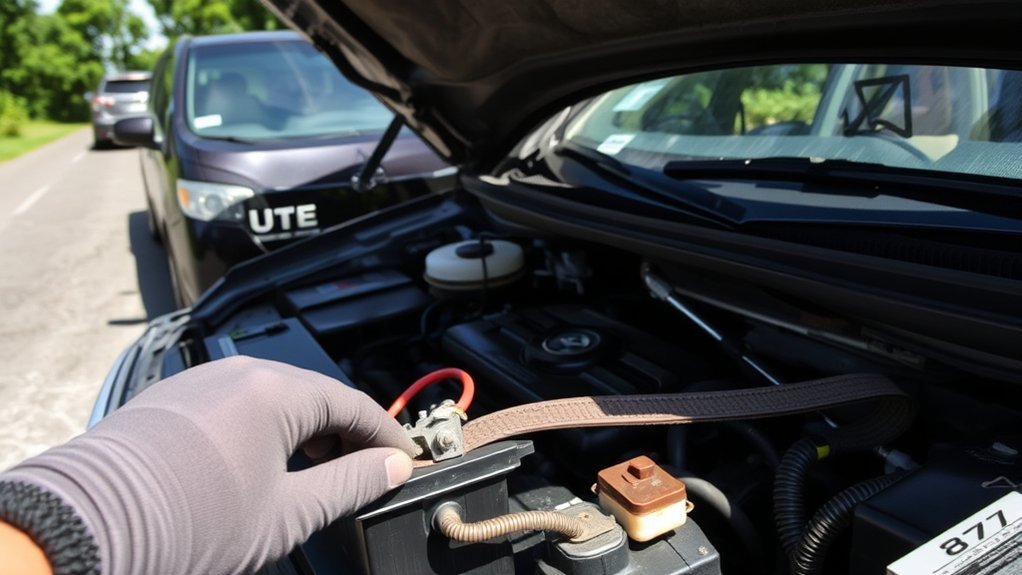
Power loss occurs when the engine cannot produce its expected output or when that power does not reach the wheels properly.
Common engine-related causes include a restricted fuel supply, faulty injectors, insufficient intake air, incorrect sensor readings, and exhaust restrictions.
However, the correct diagnostic approach depends on the engine fitted to your vehicle.
Identify Your Quantum Engine First
Older Quantum models were available with petrol and diesel engines. Historical Toyota Quantum information confirms the 2.7-litre petrol and 2.5-litre turbo-diesel engine options.
| Engine | System | Important Checks |
|---|---|---|
| 2.7-litre petrol | Electronic petrol injection and spark ignition | Spark plugs, ignition coils, fuel delivery, airflow sensors, and oxygen sensors where fitted. |
| 2.5-litre D-4D diesel | Turbocharged common-rail diesel injection | Fuel filter, injectors, rail-pressure control, turbocharger, boost hoses, and relevant diesel sensors. |
Check the vehicle identification details, engine identification, or service documentation before ordering parts. Equipment can vary by market and vehicle configuration.
Main Causes to Investigate
- Restricted fuel delivery: A blocked filter or fuel-supply problem can reduce engine output, especially under load.
- Faulty injectors: Poor fuel delivery or atomization can affect combustion, starting, and acceleration.
- Air intake restrictions: A dirty filter or damaged intake duct can reduce the air available to the engine.
- Turbocharger or boost faults: On the diesel, a boost leak or control problem can cause substantial power loss.
- Sensor or wiring faults: Incorrect readings can affect fuel delivery and engine management.
- Exhaust restrictions: A blocked exhaust component can limit the engine’s ability to expel gases.
- Mechanical wear: Low compression or other internal engine faults may reduce power.
These are possible causes, not confirmed diagnoses. Use the symptoms and test results to narrow the list.
Common Symptoms of Engine Performance Issues
How your Quantum loses power can help identify the system to investigate.
Black Smoke During Acceleration
Black smoke during acceleration is especially relevant to diesel troubleshooting. It commonly indicates that the engine is burning more fuel than the available air can support, or that fuel is not being delivered or atomized correctly.
Possible causes include leaking or poorly functioning injectors, restricted intake airflow, boost leaks, and EGR-related problems where applicable.
On the petrol engine, persistent black smoke may indicate an excessively rich mixture or another combustion fault.
| Symptom | Possible Cause | Next Check |
|---|---|---|
| Black smoke and weak acceleration | Insufficient air, boost leak, or injector problem | Inspect intake components and compare live-data readings. |
| Power loss mainly on hills | Restricted fuel delivery or insufficient boost | Check fuel-filter condition and relevant pressure readings. |
| Hesitation or rough running | Injection, ignition, or sensor problem | Read fault codes and identify the affected engine system. |
| Sudden reduction in available power | Possible engine protection mode | Record warning lights and retrieve stored codes. |
| Engine revs rise but road speed does not | Possible clutch slip | Have the clutch and drivetrain inspected. |
Loss of Power Issues
A noticeable loss of power may occur only during acceleration, while climbing hills, or when carrying passengers or cargo.
Watch for these additional signs:
- Black smoke: May indicate a diesel air-supply or combustion problem.
- High fuel consumption: Can accompany incorrect fuel delivery, poor combustion, or mechanical problems.
- Hard starting: May point toward fuel supply, compression, battery, or starting-system problems.
- Dashboard warning lights: May indicate that the engine control system has detected a fault.
- Unusual hissing or whistling: On the diesel, this can justify checking turbocharger and charge-air connections.
Record when the symptoms occur. These details can help a mechanic reproduce the problem rather than replacing parts based on guesswork.
Diagnosing Fuel System Issues
Your Quantum’s fuel system must supply the correct amount of fuel at the correct pressure. Problems can involve the fuel filter, pump, injectors, or fuel-pressure control components.
A restricted supply may become more noticeable during acceleration because the engine requires more fuel under load.
Fuel Filter Blockages
A clogged fuel filter can restrict fuel flow and reduce acceleration.
Common signs include:
- Difficulty starting.
- Hesitation under load.
- Engine sputtering or stalling.
- Loss of power during sustained acceleration.
Inspect the filter’s service history and check for relevant fuel-system warnings. Replace the filter with the correct specification if it is restricted or due for replacement.
For the diesel, water or contamination in the fuel system must also be considered. Follow the proper filter replacement and priming procedure for the engine.
A blocked fuel filter does not automatically explain heavy black smoke. If both symptoms occur, check for additional faults.
Fuel Injector Malfunctions
Fuel injectors control how fuel enters the engine. Poor spray patterns, leakage, or incorrect delivery can interfere with combustion.
Symptoms may include:
- Rough idle or uneven running.
- Black smoke during acceleration.
- Increased fuel consumption.
- Hard starting.
- Reduced engine power.
On the D-4D diesel, excessive injector return flow can contribute to rail-pressure problems. The fuel pump and pressure-control system must also be considered before blaming the injectors.
A qualified diesel technician can compare actual and requested fuel pressure, inspect injector correction data where supported, and perform appropriate injector tests.
Do not assume that one injector is defective simply because a particular cylinder appears to be running poorly. Compression, electrical connections, and other mechanical conditions can produce similar symptoms.
Fuel Pump Issues
A failing fuel pump or associated control component can prevent the engine from receiving adequate fuel.
Possible signs include difficult starting, hesitation, stalling, and weak acceleration under load.
The D-4D common-rail system also relies on accurate fuel-pressure regulation.
DENSO’s common-rail diagnostic guidance explains the importance of evaluating the pump, injectors, rail, and suction control valve rather than replacing components without testing.
A technician should compare requested and actual rail pressure under the conditions that produce the fault. Pressure that falls below the required value may justify further fuel-supply, control-valve, or injector return-flow checks.
Warning: Never loosen a common-rail diesel fuel line while the system is pressurized or search for fuel leaks with your fingers. High-pressure fuel can penetrate skin and cause severe injury. Fuel-pressure testing and high-pressure component repairs require trained personnel and suitable equipment.
How the Oxygen Sensor Affects Power Loss in the 2008 Toyota Quantum
An oxygen sensor measures oxygen in the exhaust and provides information that the engine management system can use for fuel control.
On a petrol Quantum equipped with oxygen-sensor feedback, incorrect readings can contribute to poor fuel economy, abnormal fuel mixture control, or an engine warning light.
However, a sensor-related code does not automatically mean the sensor itself has failed.
Possible alternative causes include:
- Damaged sensor wiring or connectors.
- Exhaust leaks affecting readings.
- Incorrect fuel delivery.
- Intake air leaks.
- Other engine-management faults.
The technician should inspect the wiring, interpret the fault codes, and compare sensor readings with the expected operating conditions.
For the diesel, prioritize the fuel-pressure, airflow, boost-pressure, and other systems applicable to its actual engine configuration.
Replace an oxygen sensor only when diagnosis confirms that it is defective. Routine replacement without evidence of failure is not a reliable solution to power loss.
Identifying Exhaust System Blockages: Catalytic Converter Problems

A restricted exhaust system can prevent the engine from expelling exhaust gases efficiently, reducing power.
Depending on the engine and emissions equipment fitted, the restriction may involve a catalytic converter or another exhaust component.
Possible symptoms include:
- Weak acceleration, especially at higher engine loads.
- Unusual exhaust noise.
- Excessive exhaust back pressure.
- Abnormal exhaust temperatures.
- Engine-management warnings in some cases.
These symptoms do not prove that the catalytic converter is blocked.
A mechanic may use an appropriate exhaust back-pressure test, temperature assessment, or other manufacturer-approved procedure to confirm a restriction.
If the converter has failed, the underlying cause must also be addressed. Otherwise, a replacement component may suffer the same problem.
Note: Do not assume that a 2008 Quantum has a diesel particulate filter or a particular exhaust-treatment system. Check the equipment fitted to your engine and market specification before following component-specific troubleshooting advice.
Diesel Turbocharger, Boost Hose, and EGR Problems
On the 2.5-litre D-4D diesel, the turbocharger and intake system deserve particular attention when power drops during acceleration.
A problem in this system can leave the engine running but unable to produce the expected power under load.
Turbocharger and Boost Hose Leaks
The turbocharger compresses intake air so that the engine can burn fuel efficiently under load.
A split hose, loose clamp, damaged charge-air connection, or boost-control fault may reduce the air reaching the engine.
Possible symptoms include:
- Loss of acceleration power.
- Black smoke under load.
- Hissing or unusual whistling.
- Oil mist around a leaking charge-air connection.
- Relevant boost-pressure fault codes.
With the engine switched off and cool, inspect accessible intake and boost hoses for obvious damage or loose connections.
A mechanic can then compare requested and actual boost pressure and perform an appropriate leak test.
Do not replace the turbocharger until hose leaks, boost-control faults, and related sensor problems have been ruled out.
EGR Valve Problems
Where fitted, the exhaust gas recirculation (EGR) system returns a controlled amount of exhaust gas to the intake.
A valve that sticks or does not respond correctly may affect combustion and engine performance.
Symptoms can include rough running, hesitation, smoke, and power loss.
Diagnosis should establish whether the valve is responding correctly and whether the intake passages or associated controls are obstructed.
Cleaning or replacement should follow confirmed findings and the correct vehicle service procedure.
Do not disable or remove emissions-control equipment as a troubleshooting shortcut.
Common Electrical Issues Impacting the 2008 Toyota Quantum’s Performance
Electrical faults can affect starting, sensor signals, and engine-management operation.
A weak battery may cause slow cranking. A charging-system fault may produce warning lights or unreliable electrical operation.
Corroded battery terminals, damaged wiring, poor grounds, and loose connectors can also create intermittent problems.
Important components to check include:
- Battery condition and connections.
- Alternator and charging system.
- Engine ground connections.
- Relevant fuses and relays.
- Sensor connectors and wiring.
- Airflow and pressure sensors appropriate to the engine.
Do not assume the battery is responsible for engine power loss simply because the vehicle accelerates poorly. The electrical system should be tested when the symptoms or fault codes justify it.
Regular Maintenance Tips to Prevent Power Loss
Routine maintenance reduces the risk of preventable problems and helps identify wear before a breakdown occurs.
Regular Engine Inspections
Include these items in your inspections:
- Air filter: Check for dirt, damage, or blockage.
- Intake hoses: Look for cracks, loose clamps, or damaged connections.
- Fuel filter: Follow the correct replacement schedule and investigate suspected contamination.
- Engine warning lights: Retrieve and investigate stored codes.
- Turbocharger plumbing: On the diesel, check accessible hoses and connections for damage.
- Fluid leaks: Investigate unexplained oil, coolant, or fuel loss.
Do not replace expensive injectors, sensors, or exhaust components as routine preventive maintenance unless the manufacturer specifies a procedure or testing establishes a fault.
Timely Fluid Changes
Using the correct engine oil and following the vehicle’s service schedule helps protect internal engine components.
Maintain the cooling system with the specified coolant and investigate overheating promptly.
Transmission, differential, power-steering, and brake-fluid maintenance also contributes to reliable vehicle operation.
Use the service information for your particular Quantum and operating conditions to determine the correct fluid grades and replacement intervals.
These maintenance tasks are important, but they are not substitutes for diagnosing a specific engine power-loss fault.
When to Consult a Mechanic for Engine Issues
Professional diagnosis is appropriate when power loss is severe, recurring, or accompanied by warning lights, unusual smoke, or mechanical noise.
Arrange an inspection if you notice:
- Persistent black smoke during acceleration.
- Sudden or substantial loss of power.
- Repeated engine stalling.
- Hard starting that continues after basic checks.
- Unusual turbocharger or engine noise.
- Fuel leaks or suspected high-pressure system problems.
- Repeated engine warning lights after a previous repair.
Warning: If the Quantum loses power suddenly in traffic, move to a safe location as soon as conditions allow. Stop driving if the engine is overheating, an oil-pressure warning appears, there is a significant fuel leak, or the engine makes severe mechanical noises. Arrange recovery rather than attempting to drive through a serious fault.
Tell the mechanic when the problem occurs, whether the vehicle was carrying a heavy load, and whether it appeared after refuelling, maintenance, or another recent event.
This information can help distinguish a fuel problem from an electrical, mechanical, or turbocharger fault.
Troubleshooting Steps Before Visiting a Mechanic
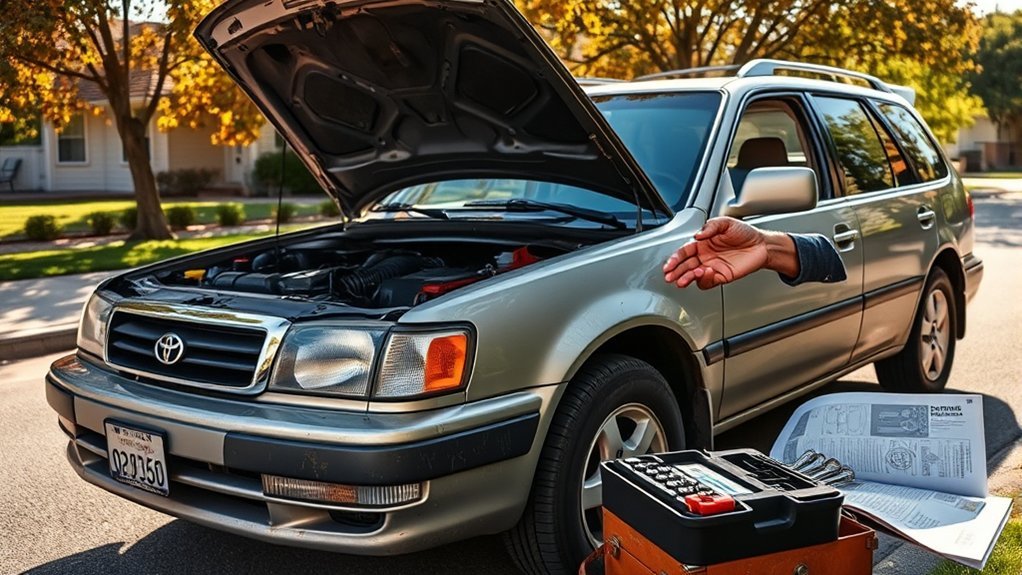
Before replacing parts, follow a simple troubleshooting sequence.
Step 1: Record the Symptoms
Note whether power loss happens when the engine is cold, after warming up, during acceleration, or while climbing hills.
Also record smoke colour, unusual noises, warning lights, and whether the engine runs normally at idle.
Step 2: Check for Fault Codes
Connect a compatible diagnostic scanner and retrieve active, pending, and stored codes where the vehicle supports these functions.
Record the codes before clearing anything.
The US Environmental Protection Agency’s OBD guidance explains how onboard diagnostics record detected faults to support diagnosis.
A code should guide further investigation rather than trigger automatic component replacement.
If a basic scanner cannot access the relevant diesel engine data, a workshop with compatible Toyota diagnostic equipment may be needed.
Step 3: Inspect the Air Intake and Boost Hoses
With the engine off and cool, inspect the air filter housing and accessible intake ducting.
On the diesel, examine the turbocharger and charge-air hoses for visible splits, damage, or loose clamps.
Do not touch belts, fans, turbocharger components, or other moving or hot parts while the engine is running.
Step 4: Check the Fuel Filter and Service History
Find out when the fuel filter was last replaced and whether the problem started after refuelling.
If fuel contamination is suspected, have the system inspected before continued operation causes additional damage.
Step 5: Check Fluids and Visible Leaks
Check engine oil and coolant according to the vehicle’s instructions.
Look for obvious leaks without opening hot or pressurized systems.
Do not open the radiator cap while the engine is hot.
Step 6: Request Targeted Professional Tests
If basic checks do not identify the problem, ask the mechanic to select tests based on the symptoms and fault codes.
These may include:
- Requested versus actual diesel rail-pressure comparison.
- Boost-pressure and intake leak testing.
- Injector return-flow or performance testing.
- Fuel-supply pressure testing using suitable equipment.
- Sensor and wiring checks.
- Exhaust back-pressure testing.
- Engine compression or leak-down testing.
Pro Tip: Ask the workshop to record the fault codes and relevant test results before recommending major repairs. A measured boost or rail-pressure problem provides a more useful starting point than replacing several components in the hope that one fixes the issue.
Understanding Compression Issues in the Toyota Quantum
Low engine compression can reduce power because the cylinders cannot maintain the pressure needed for efficient combustion.
Possible causes include worn piston rings, damaged valves, cylinder wear, or a head-gasket problem.
Symptoms can include:
- Difficult starting.
- Uneven running.
- Reduced acceleration.
- Excessive oil consumption in some cases.
- Abnormal exhaust smoke, depending on the fault.
Compression Testing
A compression test measures cylinder pressure while the engine is cranked under specified conditions.
Use the correct equipment and service specifications for the actual engine. Petrol and diesel compression values are not interchangeable.
The Toyota repair documentation for a 2KD-FTV engine application illustrates the engine-specific equipment, cranking conditions, and pressure limits involved in diesel compression testing.
The technician should compare the measured readings with the applicable Quantum service information and check for significant differences between cylinders.
Leak-Down Testing
A leak-down test is different from a compression test.
It introduces controlled compressed air into a cylinder and helps identify where pressure is escaping.
For example, leakage may indicate a valve-sealing problem, worn piston rings, or another internal fault.
These tests are useful when simpler fuel, air, sensor, and ignition checks have not explained the problem.
Frequently Asked Questions
What sensor causes loss of power?
A faulty airflow, boost-pressure, throttle-position, or other engine-management sensor can contribute to power loss. The relevant sensors depend on your Quantum’s engine. On the petrol model, oxygen-sensor problems may also affect fuel control. Read the fault codes and verify the sensor and wiring before replacing parts.
Why is my Toyota losing power?
Possible causes include restricted fuel delivery, a dirty air filter, faulty injectors, incorrect sensor readings, or an exhaust restriction. The D-4D diesel can also suffer from boost leaks, turbocharger faults, and fuel-pressure regulation problems. The symptoms and diagnostic readings determine which system needs attention.
What causes a car to lose power while accelerating?
Acceleration increases the engine’s demand for fuel and air. A restricted filter, weak fuel delivery, damaged intake hose, or turbocharger problem may become more noticeable under load. Ignition faults on a petrol engine can also cause hesitation.
Why does my car lose power but the engine is still running?
The engine may still receive enough fuel and air to idle while failing to produce normal power under load. Fuel starvation, boost-pressure problems, exhaust restrictions, and engine-management faults can cause this behavior. Clutch slip or dragging brakes may also make the vehicle feel underpowered even when the engine itself is operating.
Can a faulty turbocharger cause black smoke and loss of power?
Yes. On the D-4D diesel, inadequate boost can reduce the air available for combustion and contribute to black smoke and poor acceleration. However, a split boost hose or control fault can produce similar symptoms, so the turbocharger should not be replaced without testing.
Can I continue driving my Quantum when it loses power?
If power loss is sudden or severe, pull over when safe. Stop driving if the vehicle is overheating, has an oil-pressure warning, leaks fuel, or makes serious mechanical noises. Arrange professional inspection or recovery. Avoid carrying passengers or heavy loads while an unresolved fault makes the vehicle unreliable.
Conclusion
Fixing power loss in a 2008 Toyota Quantum starts with identifying the engine and understanding the symptoms.
Check the simple items first, including the air filter, accessible hoses, fuel-filter history, and stored fault codes. On the D-4D diesel, pay particular attention to boost pressure, fuel-pressure regulation, and injector operation. On the petrol engine, include ignition and appropriate fuel-management checks.
Confirm the fault before replacing major components. If the problem is severe, recurring, or involves the high-pressure diesel fuel system, have a qualified mechanic carry out the necessary tests.
Sources
- Toyota South Africa — Historical Quantum Product Information — engine options and vehicle configurations.
- DENSO — Common-Rail Diesel Diagnosis and Safety — fuel-pump control, injectors, rail pressure, and high-pressure fuel precautions.
- RAC — What Causes a Loss of Power in a Car? — general engine, intake, turbocharger, and exhaust-related causes.
- Toyota Repair Documentation — 2KD-FTV Engine Inspection — engine-specific compression testing in a Hilux application.
- US Environmental Protection Agency — Onboard Diagnostics — diagnostic trouble codes and engine warning-system information.







Leave a Reply