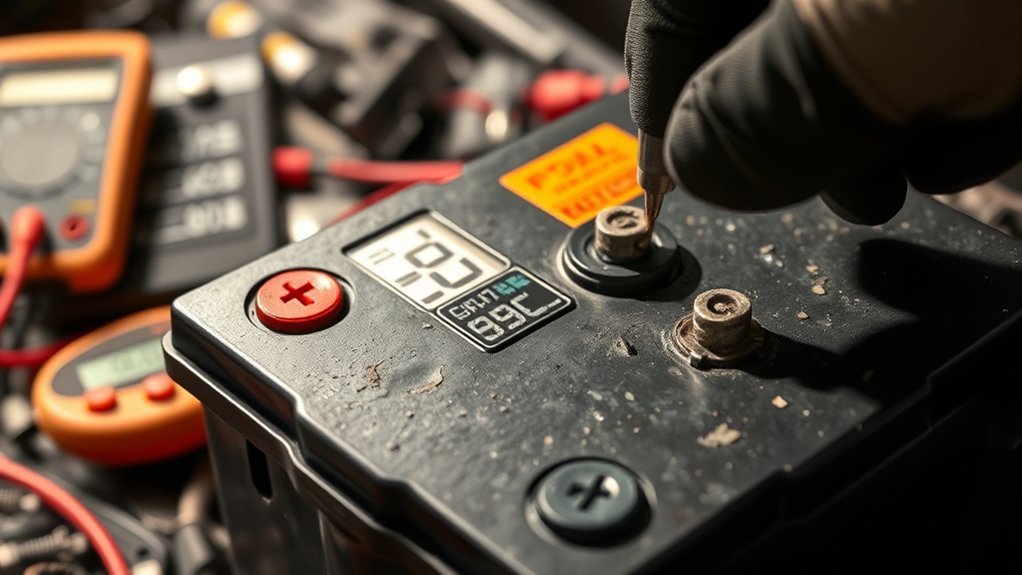
The typical lifespan of a car battery ranges from 3 to 5 years for standard lead-acid models, while AGM or EFB batteries can last up to 7 years. Factors such as extreme climate, frequent short trips, and poor maintenance habits play the largest roles in how quickly your battery degrades. Consistent care and regular inspection help you avoid unexpected failures and costly roadside issues.
Quick Answer
Most car batteries last between 3 and 5 years. You can extend this by avoiding frequent short trips, keeping terminals clean, and ensuring the battery is securely mounted to reduce vibration damage.
Key Takeaways
- Standard lead-acid batteries typically last 3 to 5 years, while AGM and EFB units often reach 4 to 7 years.
- Harsh weather and lack of maintenance can reduce battery life to 1 or 2 years.
- Short trips under 20 minutes prevent the alternator from fully recharging the battery.
- Extreme heat damages internal components, while freezing temperatures reduce cold-cranking performance.
- Routine inspections help you spot corrosion and charge issues before they cause a breakdown.
What Is the Average Lifespan of a Car Battery?
Most standard lead-acid car batteries last between three and five years. Advanced designs like AGM (Absorbent Glass Mat) and EFB (Enhanced Flooded Battery) models often reach four to seven years under ideal conditions.
Some batteries fail after just one or two years if they face extreme heat or neglect. Your local climate, daily driving patterns, and adherence to maintenance schedules determine how long your battery survives.
Monitor your battery health closely once it passes the three-year mark. Catching subtle performance drops early saves you from being stranded.
What Are the Signs of a Failing Battery?
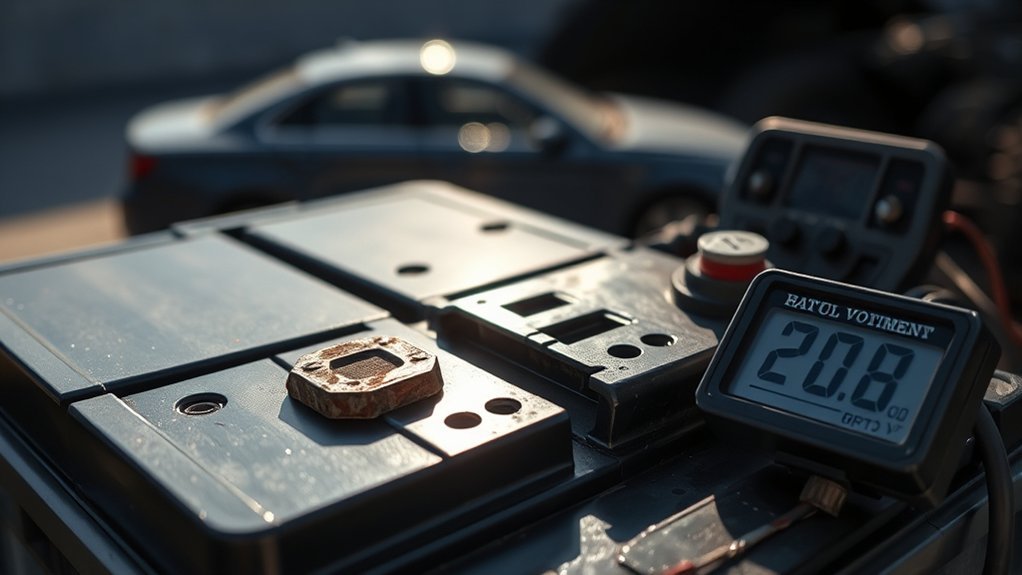
Your car often gives warning signs before a battery dies completely. Watch for these specific indicators of poor health:
- Slow engine cranking when you turn the key or press the start button.
- Frequent need for jump-starts to get the engine running.
- Dim or flickering headlights, especially when the engine idles.
- Visible corrosion or white powdery buildup on the battery terminals.
- A sulfur or rotten egg smell originating from under the hood, which suggests an internal leak.
Address these warning signs promptly to prevent a complete loss of power while driving. Always consult a qualified professional if you feel unsure about testing your own electrical system.
How Do Driving Habits Impact Car Battery Life?

Your driving patterns dictate how much charge the battery retains. Frequent, short trips prevent the alternator from fully replenishing the energy used during the engine start.
Aim for at least one longer drive of 30 to 40 minutes each week. This helps the electrolyte circulate and prevents sulfation, a process where lead sulfate crystals harden on the battery plates. Leaving a vehicle idle for extended periods also drains the battery, so use a trickle charger if the car will sit for more than two weeks.
Why Does Climate Affect Car Battery Longevity?
Climate is a major factor in premature battery death. High temperatures accelerate fluid evaporation and internal corrosion, which can force a battery replacement in as little as three years in desert climates.
Cold weather creates a different challenge by slowing chemical reactions inside the battery. Freezing temperatures can reduce battery power by 35 percent, making it much harder to start a cold engine. Insulating your battery or parking in a garage during extreme weather can mitigate these risks.
Can High Parasitic Drain Kill a Battery Early?
Modern vehicles contain many electronic systems that draw power even when the engine is off. This is known as parasitic drain. If you have faulty aftermarket accessories or a malfunctioning control module, your battery will discharge overnight, which causes severe damage over time. Always ensure lights and internal electronics turn off completely after you exit the vehicle.
How to Extend Your Car Battery’s Life
Routine maintenance keeps your battery performing at its peak. Small, proactive steps prevent the most common causes of premature failure.
Regular Maintenance Checks
Inspect your battery during every oil change. Clean the terminals with a wire brush to prevent corrosion and ensure a tight electrical connection. Periodically check the battery housing for cracks or swelling, which can result from overheating.
Minimize Short Trips
Short trips prevent the battery from reaching a full charge. When the battery remains in a partially discharged state, internal plates degrade faster. Drive the car long enough for the engine to reach operating temperature whenever possible to ensure a complete recharge cycle.
Monitor Temperature Effects
Extreme heat causes more long-term damage than cold weather. If you live in a hot climate, check the battery fluid levels if the battery design allows it. Keep the engine bay clean to allow for better airflow and consider an insulated battery jacket to protect the unit from excessive heat soak.
Properly Installing a New Car Battery
A new battery provides the best reliability only when you install it correctly. Mismatched specifications lead to poor charging and short lifespans.
Choosing the Right Battery
Consult your owner’s manual for the correct group size and cold-cranking amp (CCA) rating. A battery with too little power will struggle in winter, while an incorrectly sized battery may not fit the tray securely, leading to vibration damage.
Ensuring Secure Connections
Start the installation by cleaning the terminal clamps to ensure a solid connection. Always attach the positive cable first, followed by the negative cable, to avoid shorting the system. Tighten the hold-down bracket securely so the battery cannot shift or vibrate while the vehicle is in motion.
What to Look for When Buying a New Car Battery
Shop for a battery that balances performance with your specific vehicle needs. Focus on these three areas:
- Battery Type: Match your vehicle’s requirements, whether it needs a flooded lead-acid, AGM, or lithium-ion unit.
- Cold Cranking Amps (CCA): Verify that the CCA rating meets or exceeds the manufacturer’s recommendations for your climate.
- Manufacturing Date: Check the date code on the label to ensure you are buying a fresh battery that hasn’t been sitting on a shelf for months.
Frequently Asked Questions
Can I jumpstart a dead car battery safely?
Yes, you can jumpstart a battery safely by following the correct connection sequence. Always connect the positive cables first, then the negative cables, and ensure the clamps have a firm grip on the terminals to prevent sparks.
What should I do if my battery is leaking?
If you see fluid leaking from the battery, wear gloves and eye protection immediately. Disconnect the battery, neutralize any acid spills on the car with baking soda, and take the unit to a recycling center or professional shop for disposal.
How often should I replace my car battery?
Plan for a replacement every three to five years. Even if the battery still starts the car, testing it for load capacity every year after the third anniversary helps you avoid unexpected roadside failures.
Are there different types of car batteries?
Yes, you will primarily choose between standard lead-acid batteries and AGM batteries, which handle the high power demands of modern vehicles better. Hybrid and electric vehicles often use specialized lithium-ion battery packs that require different handling procedures.
What is the warranty period for car batteries?
Most reputable batteries come with a three-year replacement warranty. Keep your receipt and check the terms, as some warranties cover the full replacement cost while others are pro-rated based on the age of the battery.
Conclusion
Maintaining your car battery ensures your vehicle stays reliable and avoids the frustration of a no-start situation. By minimizing short trips and performing simple terminal cleanings, you can push your battery toward the upper end of its expected lifespan. Check your battery health regularly to stay ahead of wear and tear. A proactive approach to vehicle maintenance is the most effective way to protect your investment.







Leave a Reply