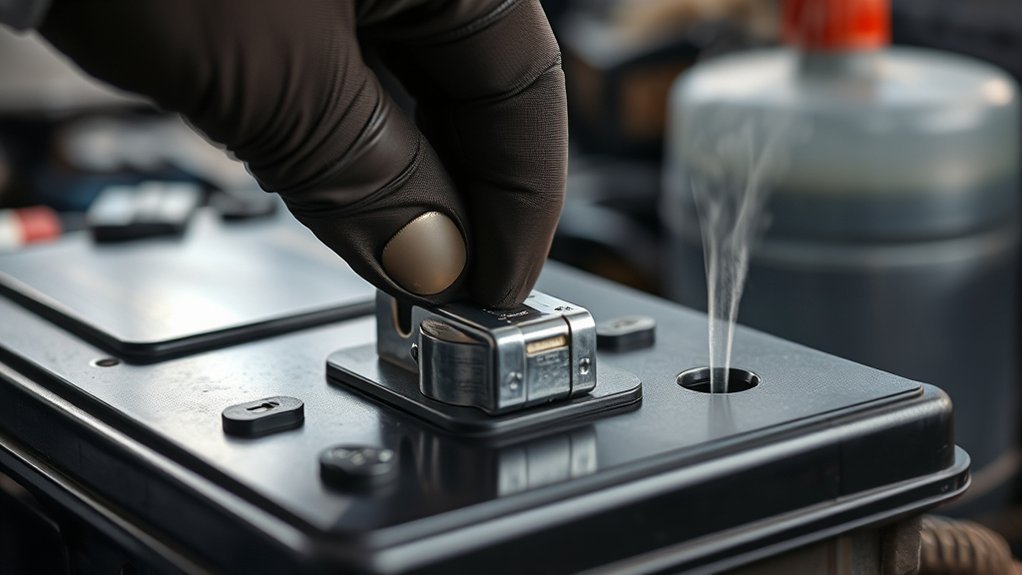
Disconnecting your car battery is a standard maintenance task, but one wrong move can cause sparks or permanent damage to your vehicle’s electrical system. You must follow a specific sequence to protect yourself and your car’s sensitive onboard electronics. This guide walks you through the safe process for disconnecting and reconnecting your battery.
Quick Answer
Always disconnect the negative (black/-) terminal first, followed by the positive (red/+) terminal. This prevents your metal wrench from creating a short circuit against the vehicle frame while you loosen the terminals.
Key Takeaways
- Turn off the engine and remove the keys to prevent accidental electrical surges.
- Engage the parking brake to keep the vehicle stable.
- Remove the negative terminal first to eliminate the risk of short circuits.
- Wear gloves and safety glasses to shield yourself from battery acid and potential sparks.
- Keep all metal objects away from the battery posts during the process.
Why Disconnecting Your Car Battery Is Essential
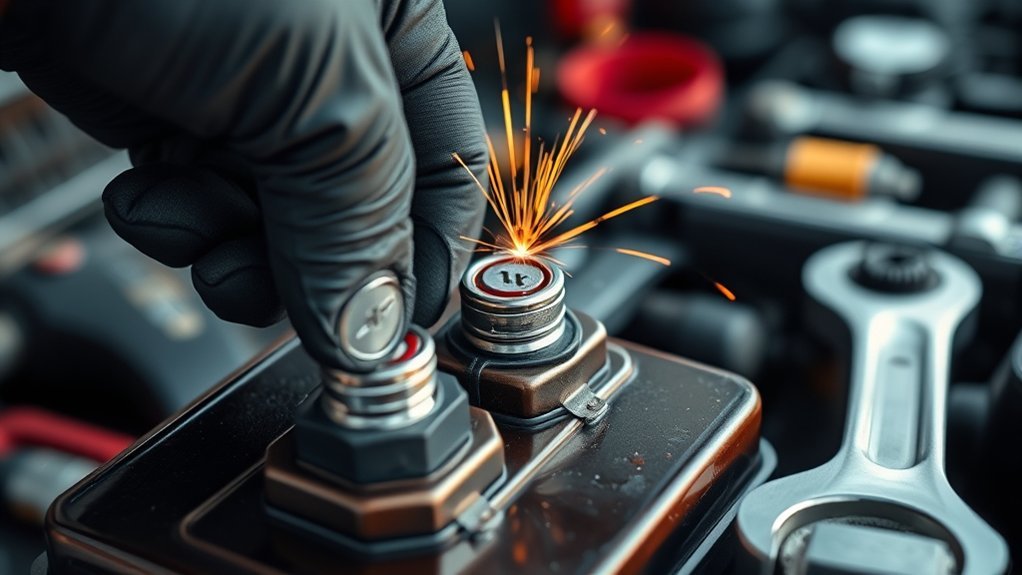
Disconnecting the battery stops power to your car’s electrical systems. This prevents electrical shorts during repairs and saves battery charge during long periods of storage. It also protects you when you work on components like airbags or electrical sensors.
Essential Tools for Disconnecting Your Car Battery Safely
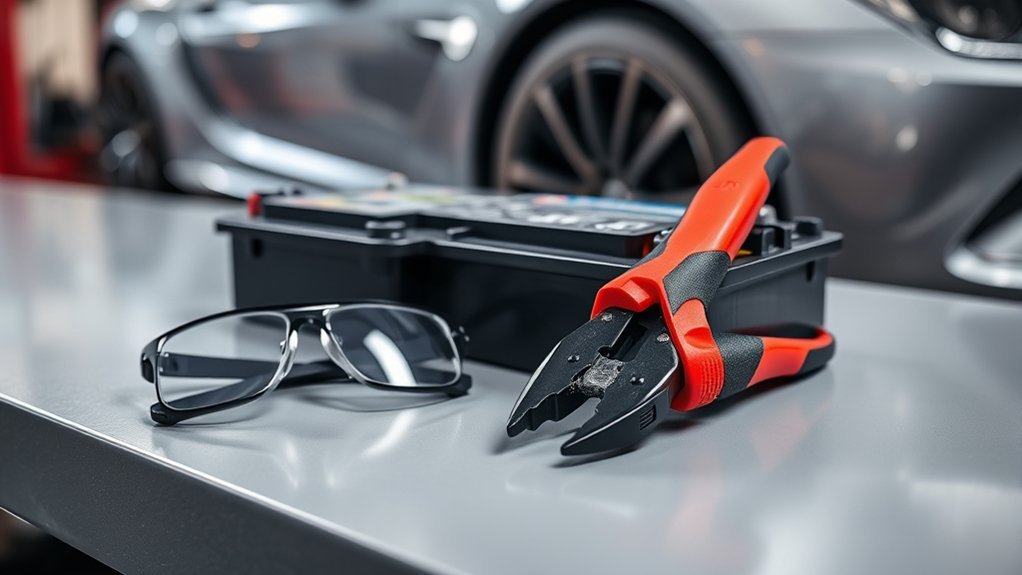
You need a few simple tools to get the job done. A 10mm wrench or socket is the standard size for most battery terminals. Wear heavy-duty gloves and safety glasses to protect against accidental acid contact or loose debris.
Keep a clean workspace and remove all metal objects from your pockets before you start. This simple habit prevents you from accidentally bridging the terminals.
Safety Tips to Follow Before You Start
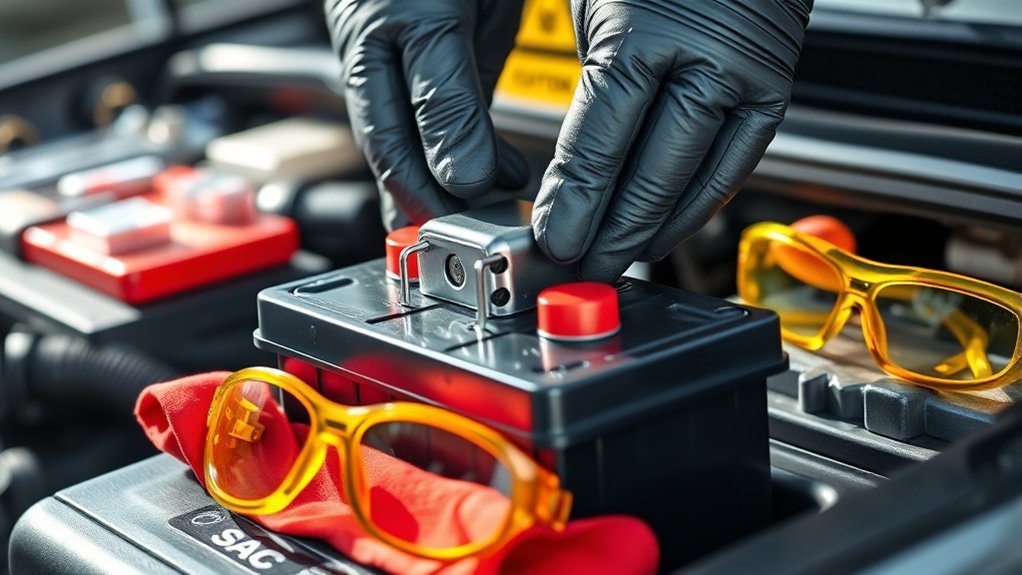
Turn off the ignition and take the keys out of the car. This ensures no power runs to the starter or dashboard. Engage the parking brake to prevent the car from shifting if you are working on a slight incline.
Turn Off Engine
Always shut down the engine completely. A running engine creates a charging current from the alternator that can damage sensitive electronics if interrupted suddenly.
| Step | Action | Purpose |
|---|---|---|
| 1 | Turn off engine | Prevent electrical hazards |
| 2 | Remove keys | Ensure no accidental start |
| 3 | Clear area | Avoid short circuits |
| 4 | Wear gear | Protect eyes and hands |
Engage Parking Brake
Engage the parking brake to keep your vehicle stationary. This is a vital safety step for any maintenance. It prevents accidental movement that could cause injury while you reach into the engine bay.
Wear Safety Gear
Wear rubberized, chemical-resistant gloves to protect your skin from battery acid. Safety glasses prevent eye injury if a terminal sparks or if debris falls during removal. Remove metal jewelry like watches or rings, as these conduct electricity and can cause severe burns if they touch both terminals.
Step-by-Step Guide to Disconnecting Your Car Battery
Gather Necessary Tools
Organize a 10mm wrench, safety glasses, and gloves. Work in a well-ventilated area because batteries can release small amounts of hydrogen gas.
Follow Safety Precautions
Turn off the ignition and set the parking brake. Double-check that your work area remains clear of loose tools that could slide onto the battery.
Disconnect Terminals Properly
- Locate the Negative Terminal: Identify the terminal marked with a minus sign (-) or a black cover.
- Loosen the Clamp: Use your wrench to loosen the nut on the negative cable clamp. Do not remove the bolt entirely if possible.
- Remove the Cable: Pull the negative cable off the terminal post and tuck it aside so it cannot spring back and touch the terminal.
- Remove the Positive Cable: Once the negative cable is off, you can safely remove the positive cable marked with a plus sign (+).
Common Mistakes to Avoid When Disconnecting Your Car Battery
Never start by removing the positive terminal. If your metal wrench touches the car frame while the negative terminal is still connected, you will create a dangerous short circuit. Always disconnect the negative side first.
Also, never let the disconnected cables touch each other or the terminals. Keep your workspace clean to prevent accidents during the process.
Consequences of Not Disconnecting the Battery
- Blown Fuses: Working on live electrical systems often leads to short circuits and blown fuses.
- Electrical Damage: You risk damaging expensive sensors or the engine control unit (ECU).
- Personal Injury: Live sparks can ignite battery gases or cause burns.
Tips for Safely Reconnecting Your Car Battery
Connect the positive terminal first, then connect the negative terminal last. This order is the opposite of the removal process. Ensure both clamps are tight so the engine receives consistent power.
Hybrid and Electric Vehicle Warning
If you drive a hybrid or electric vehicle, stop immediately. These vehicles contain high-voltage battery packs that require specialized safety protocols. Always consult your service manual or a professional technician before touching any orange-colored cables or battery components.
How to Maintain Your Car Battery for Longevity
- Inspect Terminals: Clean any white or blue powder (corrosion) with a baking soda and water mixture.
- Check Voltage: Keep the charge above 50% to prevent the internal plates from degrading.
- Drive Often: Use your vehicle regularly to keep the battery charged via the alternator.
Frequently Asked Questions
Can I disconnect my battery while the engine is running?
No. Disconnecting the battery while the engine runs can cause a voltage spike that destroys your car’s sensitive computer systems.
Will disconnecting the battery reset my car’s computer?
Yes. You may lose radio presets, clock settings, or idle speed memory. Some modern cars may require a scan tool to reset these values.
Is it safe to use metal tools?
Metal tools are fine as long as you disconnect the negative terminal first. This ensures the wrench won’t complete a circuit if it touches the chassis.
Conclusion
Safely disconnecting your battery protects both you and your car’s expensive electronics. Always remove the negative cable first and maintain a clean, organized workspace. Take your time, wear your safety gear, and consult your owner’s manual if you feel unsure about specific components.







Leave a Reply