Quick Answer
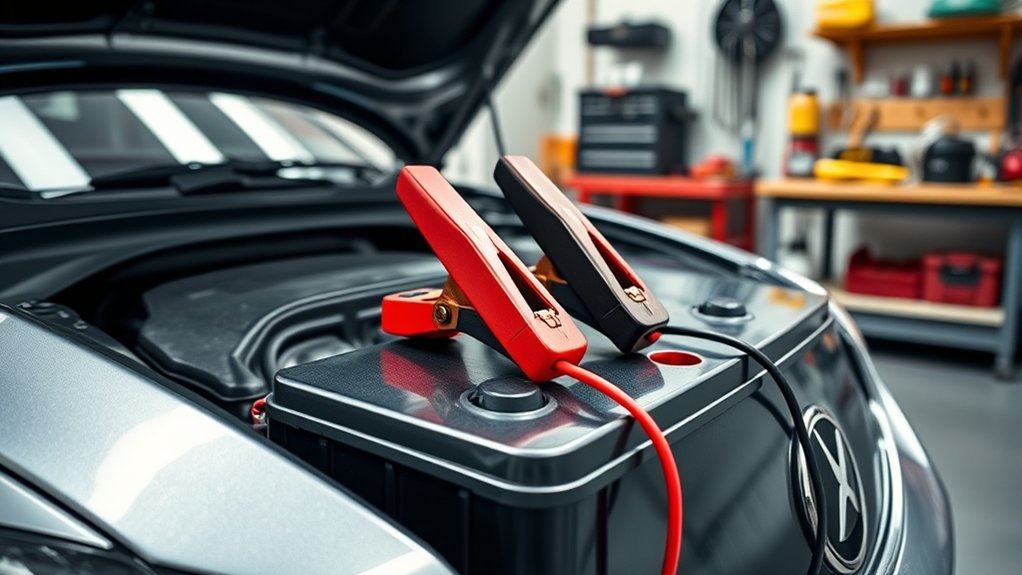
To charge your battery, turn off all vehicle electronics and connect the positive clamp to the positive terminal, then the negative clamp to the negative terminal. Set your charger to the appropriate amperage and allow it to charge for four to eight hours. disconnect the clamps in reverse order once the battery reaches full charge.
A dead car battery often creates an immediate crisis, but restoring power is a manageable task if you follow the correct sequence. You don’t need extensive mechanical knowledge to perform this maintenance at home. This guide provides the steps you need to charge your battery safely and effectively.
Key Takeaways
- Turn off all vehicle electronics to prevent battery drain before you start.
- Connect the positive clamp to the positive terminal first, then the negative clamp.
- Select an appropriate charging amperage based on your specific battery needs.
- A fully charged battery typically reads 12.6 volts or higher on a multimeter.
- Disconnect the clamps in reverse order to avoid creating sparks or short circuits.
How to Charge Your Car Battery
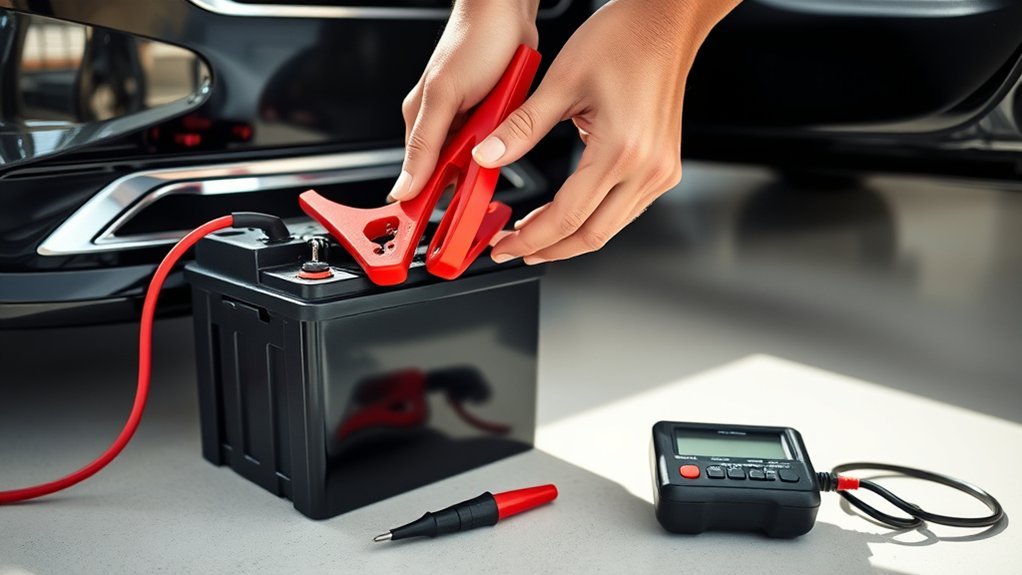
Charging your car battery follows a specific order of operations to protect both you and your vehicle electronics. Use these steps to ensure you complete the process without error.
First, turn off the ignition and all internal electronics to prevent power drain. Second, connect the red (positive) charger clamp to the positive battery terminal. Third, connect the black (negative) clamp to the negative terminal or a solid metal grounding point on the engine block.
Choose an appropriate amperage for your charger. Low settings work best for long, gentle charging cycles, while high settings provide a quicker boost. Expect a full charge in four to eight hours depending on the state of your battery.
Finally, turn off the charger before you remove the cables. Always disconnect the negative clamp first, then remove the positive clamp.
Why You Should Charge Your Car Battery Regularly
Maintaining a fully charged battery prevents internal damage and ensures your car starts reliably in cold weather. Modern vehicles often have parasitic drains that slowly deplete the battery while the car sits idle.
- Full charge levels prevent sulfation, which is the buildup of lead sulfate crystals on battery plates.
- Regular charging maintains enough power to start your engine even during freezing temperatures.
- Keeping the battery topped off reduces the workload on your alternator, which improves overall efficiency.
Essential Tools and Safety Gear
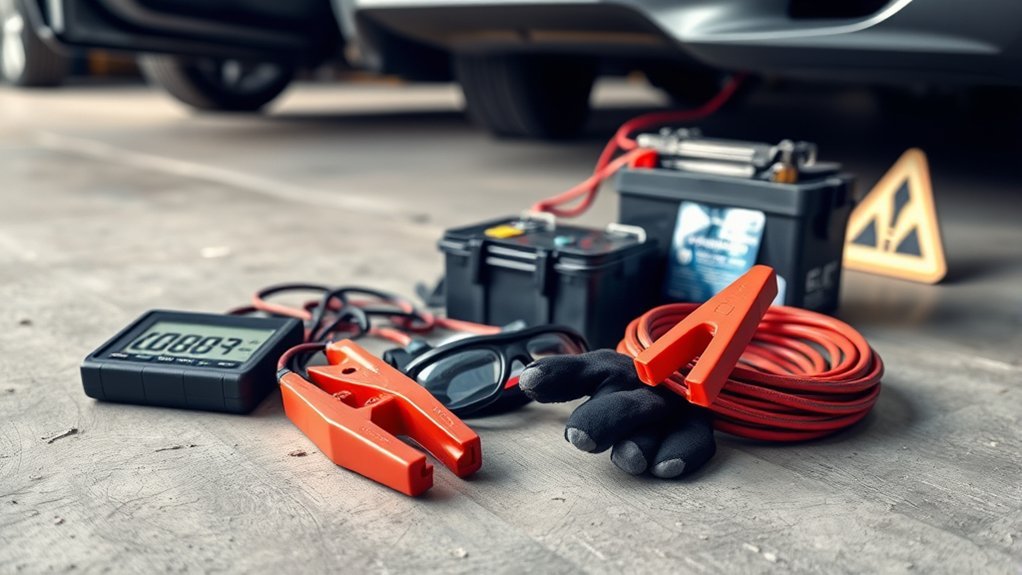
Preparation helps you stay safe while handling lead-acid batteries. Collect these items before you begin the work.
You need a charger compatible with your specific battery chemistry, such as AGM, flooded lead-acid, or lithium. A digital multimeter helps you confirm that the battery holds a charge after the cycle ends. Always consult a qualified professional before making decisions based on this information.
Wear safety goggles and gloves to protect against acid splashes or accidental sparks. Ensure your workspace remains dry and well-ventilated to prevent the buildup of explosive hydrogen gas.
Common Mistakes to Avoid
- Do not charge a battery that shows visible cracks, leaks, or physical swelling.
- Do not connect the clamps to the wrong terminals, as this causes dangerous arcs.
- Do not leave a charger unattended for extended periods if your charger lacks automatic shut-off features.
How to Recognize a Failing Battery
Sometimes a battery will not accept a charge because it has reached the end of its life. If your battery fails to hold a charge above 12.2 volts after a full cycle, or if the engine struggles to turn over consistently, the internal cells likely suffer from irreversible damage.
Most automotive batteries last between three and five years under normal conditions. If yours exceeds this age, testing at an auto parts store can confirm if you need a replacement. Always consult a qualified professional before making decisions based on this information.
Troubleshooting Common Charging Issues
| Issue | Possible Cause | Solution |
|---|---|---|
| Battery won’t hold charge | Sulfation or internal damage | Consider a professional load test |
| Slow charging | Low charger amperage | Increase charger power setting |
| Corroded terminals | Poor electrical contact | Clean terminals with baking soda |
| Charger shows no power | Faulty outlet or connection | Check outlet and clamp contact |
| Unusual smells/heat | Internal short | Stop charging and replace unit |
Frequently Asked Questions
Can I charge a battery while it’s still in the car?
Yes, you can charge the battery while it remains connected to the car. Just ensure the ignition is off and the key is removed from the vehicle.
How long does it take to fully charge a car battery?
Most batteries require four to eight hours of charging time. High-amperage chargers might finish faster, but slow, steady charging is better for long-term health.
What voltage should my charger be set to?
Set your charger to 12 volts for standard passenger vehicles. Many modern smart chargers detect this automatically and adjust current based on the battery state.
Can I use a regular battery charger for my car battery?
You must use an automotive-specific charger. Using a charger meant for small household items like power tools can damage your car battery.
Is it safe to charge a battery in extreme temperatures?
Avoid charging a frozen battery, as the casing can crack. Likewise, extremely high heat increases the risk of venting and damage to the battery’s internal structure.
Conclusion
Charging your car battery properly extends its service life and prevents unexpected vehicle failures. By following the correct connection sequence and monitoring the process, you maintain reliable starting power for your vehicle. Make it a habit to check your battery health once every few months to keep your car running well.







Leave a Reply