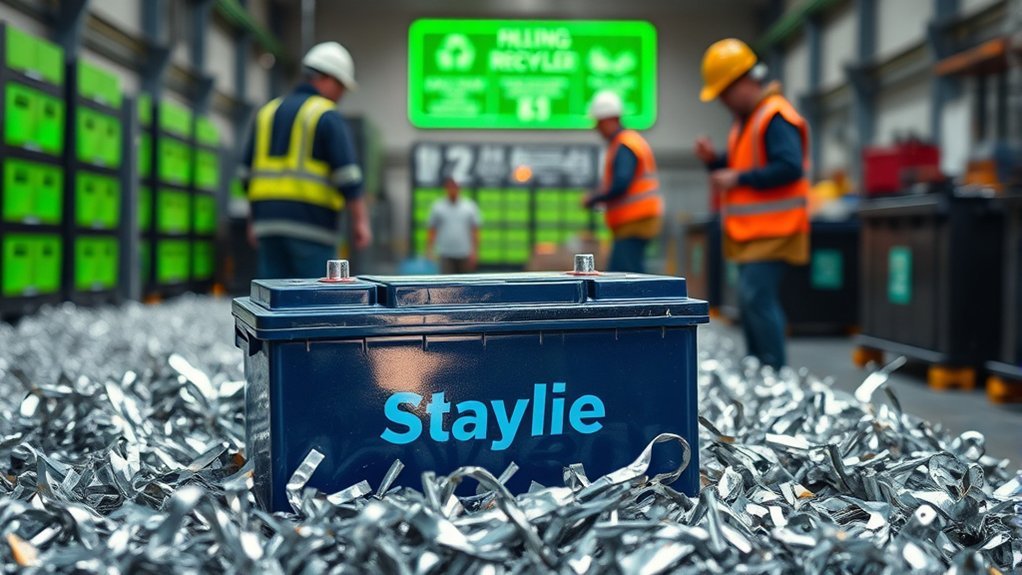
Recycling car batteries keeps hazardous lead and acid out of your local soil and water. You can often earn money back through core charge refunds while helping recover valuable materials for new manufacturing. This guide explains how to identify, prepare, and transport your old battery for safe recycling.
Quick Answer
To recycle your car battery, take it to a local auto parts store or a certified hazardous waste collection center. Many retailers provide a cash refund or store credit for your old battery, known as a core charge. Always wear safety gear and keep the battery upright during transport to prevent dangerous leaks.
Why Recycling Car Batteries Is Crucial for Our Environment
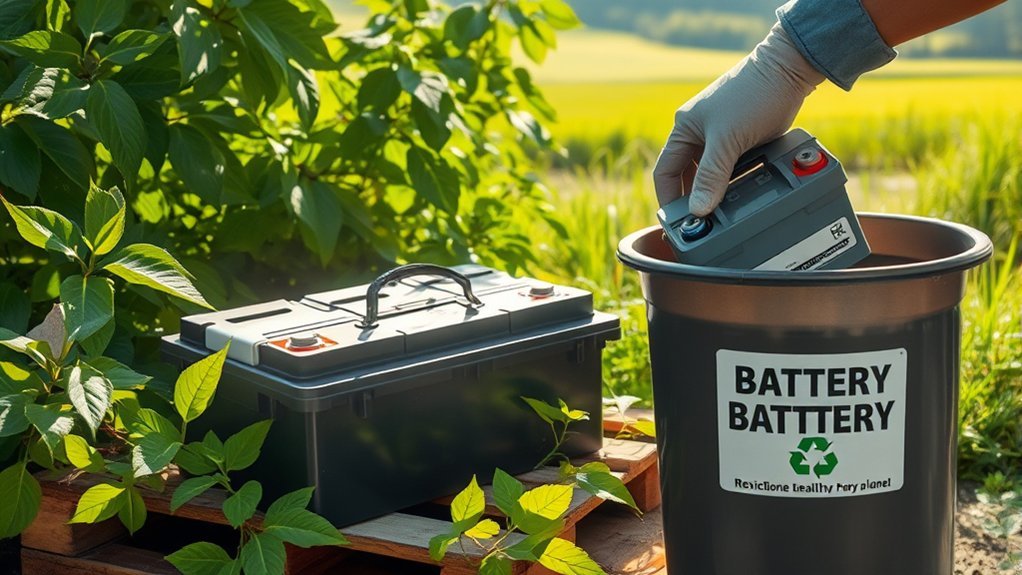
Improper disposal of car batteries releases hazardous lead and sulfuric acid into the ecosystem. These toxic substances contaminate soil and water supplies, which creates long-term health risks for your community.
Responsible recycling prevents these materials from reaching landfills. The process recovers valuable lead and plastic, which supports a circular economy and reduces the environmental cost of mining new raw materials.
Recent industry reports show that nearly all lead-acid batteries in the United States get recycled. This high rate of recovery conserves resources and promotes sustainable manufacturing practices that benefit the planet.
Understanding the Components of Car Batteries
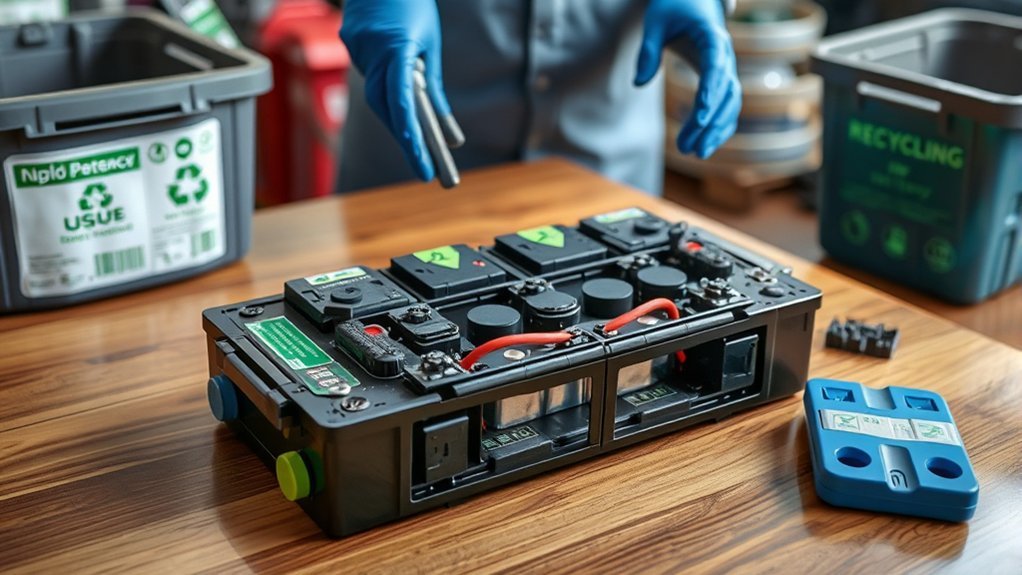
Car batteries rely on specific chemical reactions to store and release energy. They typically contain lead-acid chemistry, featuring positive plates made of lead dioxide and negative plates made of sponge lead.
A micro-porous polyethylene separator sits between these plates to prevent short-circuiting while allowing electrolyte flow. The liquid electrolyte, a mix of water and sulfuric acid, facilitates the energy transfer. A durable polypropylene container houses these parts to maintain safety during use.
| Component | Function | Material |
|---|---|---|
| Positive Plates | Store electrical energy | Lead dioxide paste |
| Negative Plates | Facilitate energy release | Sponge lead |
| Separator | Prevent short-circuiting | Micro-porous polyethylene |
| Electrolyte | Facilitate energy storage & release | Water and sulfuric acid |
Step-by-Step Guide to Recycling Car Batteries
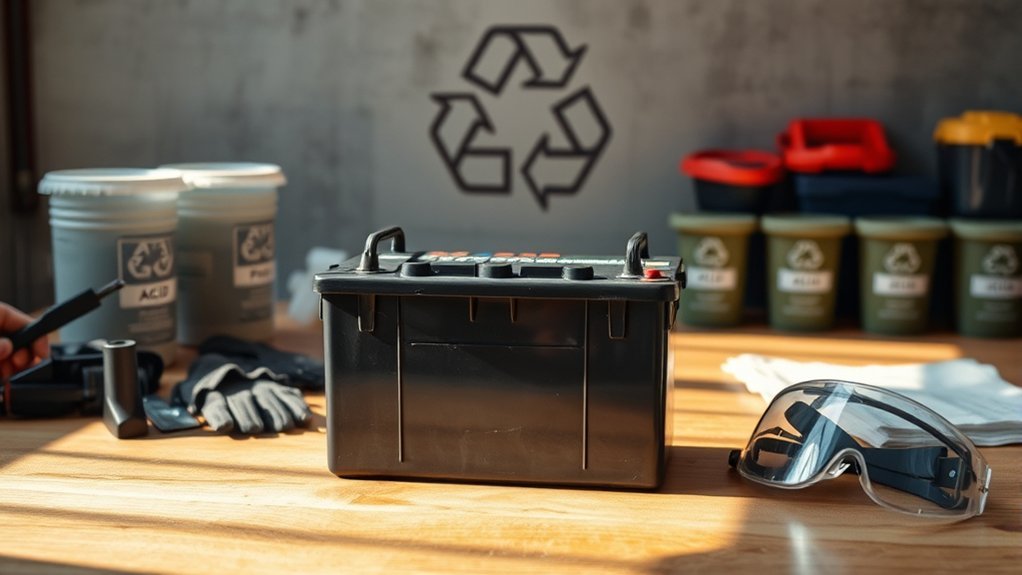
Before you recycle a battery, charge and test it to confirm its status. If the battery holds a charge, you might consider refurbishment instead of disposal.
When you decide to recycle, select a certified facility or a reputable auto parts store. This ensures the unit undergoes proper handling according to safety and environmental standards.
Preparing Your Battery For Recycling
Confirm the battery is safe for transport by cleaning the terminals and removing all wires. This preparation prevents short circuits and reduces the risk of accidental discharge.
- Clean corrosion off the terminals using a wire brush.
- Keep the battery in an upright position during transport to stop acid leaks.
- Ask the retailer about core charge refunds or trade-in discounts.
Choosing A Recycling Facility
Choose a facility with recognized environmental certifications like R2 Standard or e-Stewards. These organizations enforce strict rules for safe processing and material recovery.
You can find local drop-off points using tools like Earth911 or Call2Recycle. Local auto parts stores also accept old batteries and often provide financial incentives for your next purchase. Always ensure the chosen facility recovers lead, plastic, and acid rather than simply disposing of the casing.
Economic Benefits of Recycling Car Batteries
Recycling creates a strong economic cycle. It lowers manufacturing costs by providing a steady supply of reclaimed materials and creates thousands of jobs in the collection and processing sectors.
Cost Savings Through Recycling
Recycling improves cost efficiency by reclaiming valuable metals like lead, nickel, and cobalt. This process reduces the need for expensive, environmentally taxing mining operations.
- Retailers issue core charge refunds, which reduce the final price of your new battery.
- Recycling recovery rates for lead-acid batteries reach 99 percent, lowering raw material expenses.
- Proper disposal avoids potential fines or cleanup costs associated with improper waste management.
Job Creation Opportunities
The battery recycling industry supports approximately 45,000 jobs in the United States. These roles span across collection logistics, technical processing, and manufacturing sectors.
As the demand for recovered materials increases, the industry continues to add more skilled labor positions. Investing in local recycling infrastructure helps stabilize material supply chains and provides long-term employment within your region.
Resource Recovery Efficiency
Material recovery often proves more reliable than importing new raw resources. This creates a circular economy where old products fuel the creation of new ones. Manufacturers benefit from stable costs, while you contribute to a more sustainable industrial landscape. Always consult a qualified professional before making financial decisions regarding battery replacement programs.
Finding Recycling Centers Near You
Use online search tools from Earth911 or Call2Recycle to find certified drop-off locations. Many cities host hazardous waste collection days where they accept car batteries alongside other household chemicals.
If you prefer a retail option, call your local auto parts store to confirm they accept old units. Many shops provide immediate credit toward your next purchase when you bring in an old battery. Verify that the location follows all local environmental regulations for handling hazardous materials.
Preparation Steps for Recycling Your Car Battery
Handle your battery with care during every stage of the process. Wear heavy-duty gloves and safety goggles to protect yourself from acid exposure.
- Place the battery in a sturdy, leak-proof container if the casing looks damaged.
- Secure the battery in your vehicle so it cannot tip or slide during transport.
- Store it in a cool, ventilated area until you drop it off at the facility.
Ways to Save Money by Recycling Your Car Battery
Retailers apply a core fee to new battery purchases, which acts as a deposit. Returning your old unit ensures you get this deposit back immediately.
Some major auto parts chains offer loyalty rewards for recycling. These credits help lower the cost of future vehicle maintenance. By choosing to recycle, you avoid disposal fees and help keep the market price of batteries stable by supporting a consistent supply of recycled materials.
When to Refurbish Instead of Recycling Your Car Battery
Refurbishment is a great alternative if the battery only suffers from minor sulfate buildup or low charge. A professional shop can clean the internal plates and restore the electrolyte levels to extend the unit’s life.
- Check the voltage with a multimeter to see if it holds a consistent charge.
- Look for physical cracks in the housing; if you see damage, you must recycle it instead of refurbishing.
- Consult a specialist to determine if the internal capacity justifies the cost of a repair.
Frequently Asked Questions
Can I Recycle My Car Battery if It’s Leaking?
Do not attempt to handle a leaking battery yourself. Place the battery in a heavy plastic bag or tub and contact a professional hazardous waste disposal service. They have the training to manage chemical spills safely.
Are There Fees for Recycling Car Batteries?
Most retailers do not charge a fee if you bring the battery in for a trade-in. Some hazardous waste centers may charge a small processing fee to cover the costs of safe handling and disposal.
What Happens to Recycled Car Batteries?
Certified facilities break the battery down to separate the plastic casing, the lead plates, and the acid. They clean and melt the lead for use in new battery grids and neutralize the acid for other industrial applications.
Can I Recycle Other Types of Batteries?
Yes, many facilities accept alkaline, lithium-ion, and nickel-metal hydride batteries. These require different processing methods, so check your local recycling website to see what your specific center accepts.
How Often Should I Recycle My Car Battery?
Recycle your battery whenever it fails to hold a charge or reaches the end of its typical three to five-year lifespan. Proper disposal at these intervals keeps your vehicle running reliably while minimizing environmental harm.
Conclusion
Recycling your car battery protects the environment while putting money back into your pocket. Follow safe transport protocols to ensure you reach the recycling center without accidents. Visit your local auto parts store today to trade in your old battery and start your next maintenance project.







Leave a Reply