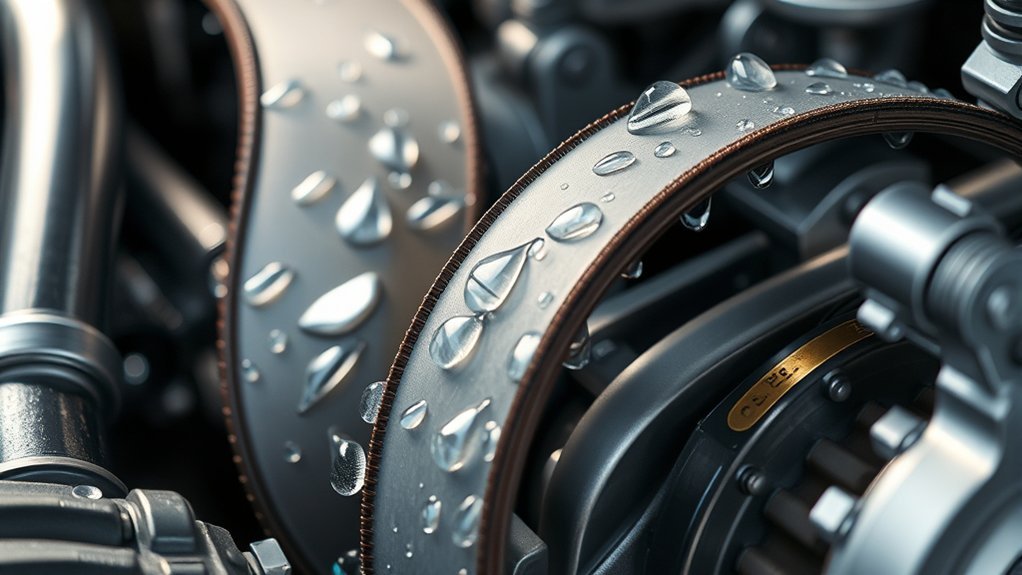
A wet timing belt is an essential component in modern car engines, operating in an oil-filled environment for enhanced performance. It reduces friction and wear, contributing to better fuel efficiency and longer lifespan, often exceeding 100,000 miles. However, high temperatures and oil contaminants can accelerate wear. Regular maintenance, including inspections and oil changes, is imperative for peak performance. Understanding the benefits and challenges of wet belts can help you make informed decisions about your engine’s care and maintenance.
Key Takeaways
- A wet timing belt operates in an oil-filled environment, enhancing performance and reducing friction compared to traditional dry belts.
- It contributes to improved fuel efficiency and engine performance by cooling and lubricating the belt during operation.
- Wet timing belts are commonly found in modern engines like Ford’s EcoBoost and Volkswagen’s TDI, allowing for compact designs.
- While they can last over 100,000 miles, maintenance and timely replacement are essential to avoid accelerated wear and engine failure.
- Symptoms of a failing wet timing belt include unusual noises, oil leaks, and poor engine performance.
What Is a Wet Timing Belt and How Does It Work?
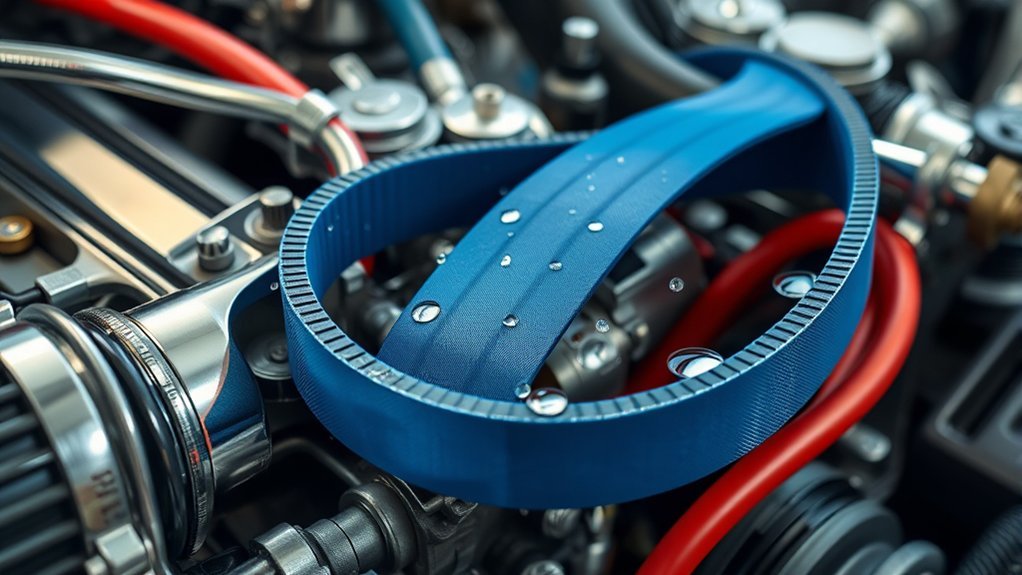
A wet timing belt is a specialized component found in some modern car engines, functioning within an oil-filled environment to enhance performance.
These wet timing belts operate with reduced friction and wear compared to traditional dry belts, ensuring your car runs smoothly over extended distances. Lubricated by engine oil, they not only cool the belt during operation but also contribute to improved fuel efficiency and engine performance.
Commonly utilized in vehicles like Ford’s EcoBoost and Volkswagen’s TDI engines, these belts are designed to last over 100,000 miles, but many manufacturers recommend replacements between 60,000 to 90,000 miles based on real-world conditions.
Regular vehicle maintenance and the quality of engine oil are vital, as a degraded belt can shed particles that may harm engine components. Keeping an eye on the condition of the belt is essential for maximizing your engine’s longevity and performance.
Advantages of Wet Timing Belts in Modern Engines
While traditional timing belts often struggle with friction and wear, wet timing belts leverage their oil-filled environment to greatly enhance engine performance. The constant lubrication provided by the engine oil reduces friction, potentially extending the lifespan of these belts beyond 100,000 miles under ideal conditions.
This lubrication also cools the timing belt during high-speed operations, leading to smoother performance and lower noise levels.
Moreover, wet timing belts enable more compact designs in modern engines, allowing manufacturers to meet stricter emissions regulations while improving fuel economy.
The quieter operation facilitated by these belts minimizes vibrations and sound, enhancing your overall driving experience.
Key Problems Drivers Face With Wet Timing Belts
Although wet timing belts offer several advantages, drivers often encounter significant challenges that can affect their vehicle’s reliability. One key issue is the accelerated wear and tear; wet timing belts can degrade faster than traditional belts due to high temperatures and oil contaminants. This deterioration increases the risk of engine failure, as particles shed from the belt can circulate, causing engine damage or blockages.
Moreover, seal failures in wet timing systems frequently lead to oil leaks, which compromise lubrication and heighten the chances of belt failure. Contrary to initial lifespan expectations of over 100,000 miles, many manufacturers now recommend replacing the belt between 60,000 to 90,000 miles.
To maintain your wet timing belt in good condition, regular oil changes and timely inspections are essential. Neglecting these maintenance practices can lead to costly repairs and decreased vehicle performance.
Identifying a Failing Wet Timing Belt?
How can you tell if your wet timing belt is failing? Look for specific symptoms that indicate trouble. Odd noises from the engine bay, like squealing, grinding, or rattling, often signal a problem with wet timing belts.
An illuminated check engine light can also suggest timing belt failure or issues with related components. Pay attention to oil leaks or low oil pressure; these can indicate a degraded timing belt that compromises lubrication.
Additionally, if you experience engine misfiring during operation, it’s a clear sign that timing belt failure may be affecting engine performance. Poor engine performance while idling is another critical indicator that your wet timing belt isn’t functioning correctly.
If you notice any of these symptoms, it’s vital to have your engine inspected immediately to prevent further damage and guarantee peak performance. Ignoring these signs could lead to costly repairs down the line.
Maintenance Tips to Extend the Life of Your Wet Timing Belt
To prevent the issues associated with a failing wet timing belt, proactive maintenance is key. Regularly check your car’s wet timing belts for signs of wear, like cracks or chips, to catch potential failures early.
Proactive maintenance is essential; regularly inspect wet timing belts for wear to prevent costly failures.
Use the manufacturer-recommended engine oil; its quality greatly impacts the belt’s lifespan and prevents premature degradation. Adhering to replacement intervals—typically between 60,000 to 90,000 miles—is vital for ideal performance and avoiding costly repairs.
Frequent oil changes will help maintain the condition of the belt, as oil contamination can lead to accelerated wear and engine damage. Additionally, consider your driving conditions; harsh environments can influence the belt’s longevity, necessitating more frequent inspections.
Finally, always seek a mechanic experienced with wet timing belts for maintenance and repairs, as their complexity requires specialized knowledge to extend the belt’s functional life effectively.
Frequently Asked Questions
What Is a Wet Belt and Why Is It Bad?
A wet belt, submerged in engine oil, risks wet belt failures, leading to engine oil contamination and maintenance issues. These problems can cause noise, repair costs, and negatively impact performance and vehicle longevity.
How Much Does It Cost to Replace a Wet Belt?
Wet belt replacement costs range from $1,000 to $2,500, influenced by labor expenses comparison, parts pricing breakdown, and dealership vs. independent choices. Consider warranty implications and preventative maintenance tips to mitigate long-term vehicle impact.
What Is the Life Expectancy of a Wet Timing Belt?
A wet timing belt typically lasts 60,000 to 100,000 miles. Regular maintenance, mindful of oil contamination effects and replacement intervals, enhances wet belt longevity, minimizes engine component wear, and optimizes vehicle performance.
How Do You Know if a Wet Belt Needs Replacing?
You’ll know it’s time for a wet belt replacement when odd noises echo, fluid leaks appear, or engine performance falters. Regular wear indicators and maintenance tips help you spot these vital replacement signs before it’s too late.
Conclusion
In conclusion, while wet timing belts may not be the most glamorous component of your engine, they play an essential role in keeping things running smoothly. By understanding their benefits and potential pitfalls, you can navigate the road ahead with confidence. Regular maintenance and early detection of issues can help you savor the longevity of these belts, ensuring your engine remains a well-oiled machine. So, embrace the nuances of your wet timing belt for a harmonious driving experience.







Leave a Reply