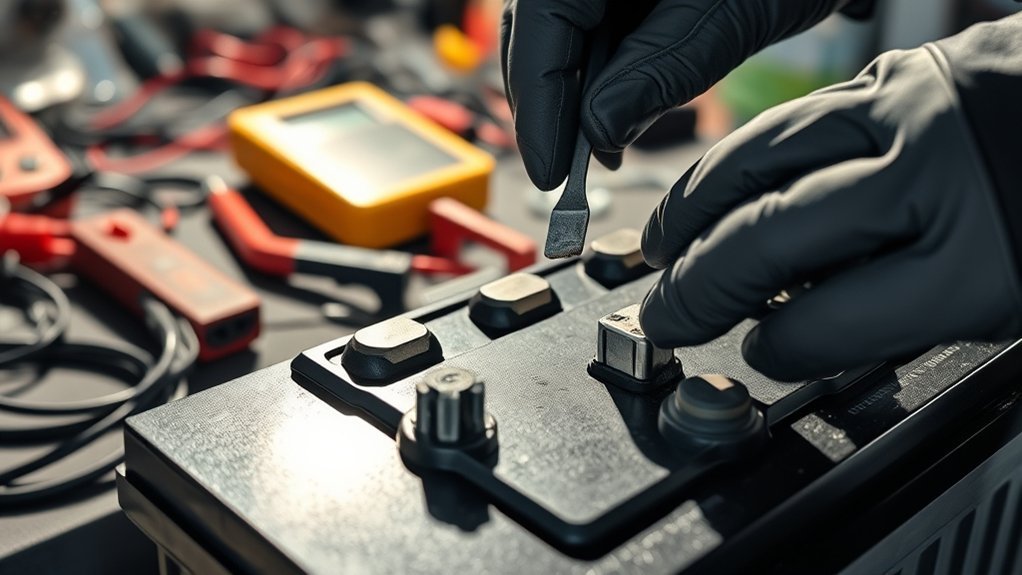
A failing car battery doesn’t always mean you need an expensive replacement. Reconditioning involves cleaning terminals, restoring electrolyte levels, and using a smart charger to break down sulfation build-up, which often restores functionality to older batteries.
Quick Answer
You can recondition a lead-acid car battery by cleaning corrosion from the terminals, topping off cells with distilled water, and performing an equalization charge with a smart charger. This process removes sulfation, which frequently prevents older batteries from holding a charge. Always wear safety gear when handling batteries to avoid contact with sulfuric acid.
Why Recondition Your Battery Instead of Replacing It?
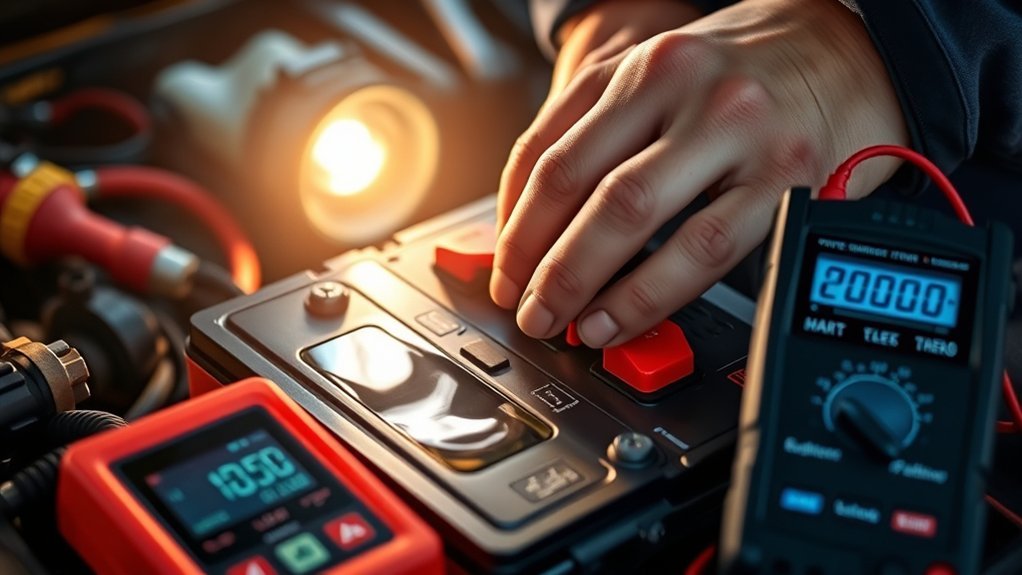
New car batteries often cost between $100 and $200. Reconditioning offers a budget-friendly alternative that keeps your existing unit functional for longer.
This process adds one to three years to a battery’s life in many cases. It also improves efficiency by up to 30 percent by removing internal sulfation. Beyond cost savings, you reduce waste by keeping lead and plastic out of landfills.
Essential Tools for Battery Reconditioning
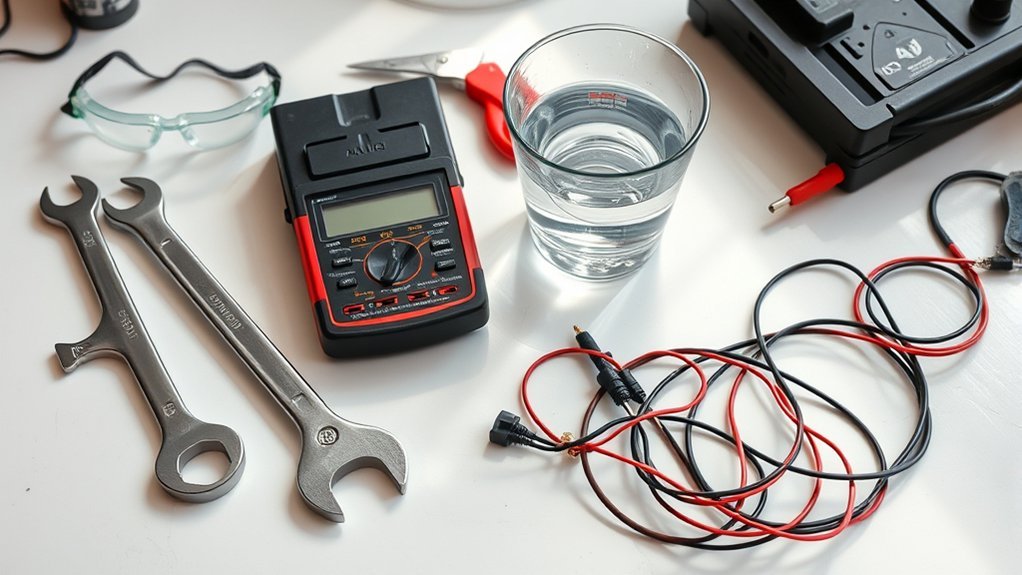
Success depends on using the right equipment. Gather these items before you start:
- Multimeter: This measures voltage so you can monitor your progress during the revival process.
- Smart Battery Charger: Modern smart chargers provide the controlled power needed to break down sulfation safely.
- Distilled Water: Unlike tap water, distilled water lacks minerals that damage internal lead plates.
- Protective Gear: Wear chemical-resistant gloves and safety glasses to shield yourself from sulfuric acid.
- Hydrometer: This tool assesses the specific gravity of the electrolyte to confirm the battery’s state of charge.
How to Safely Remove and Inspect Your Battery
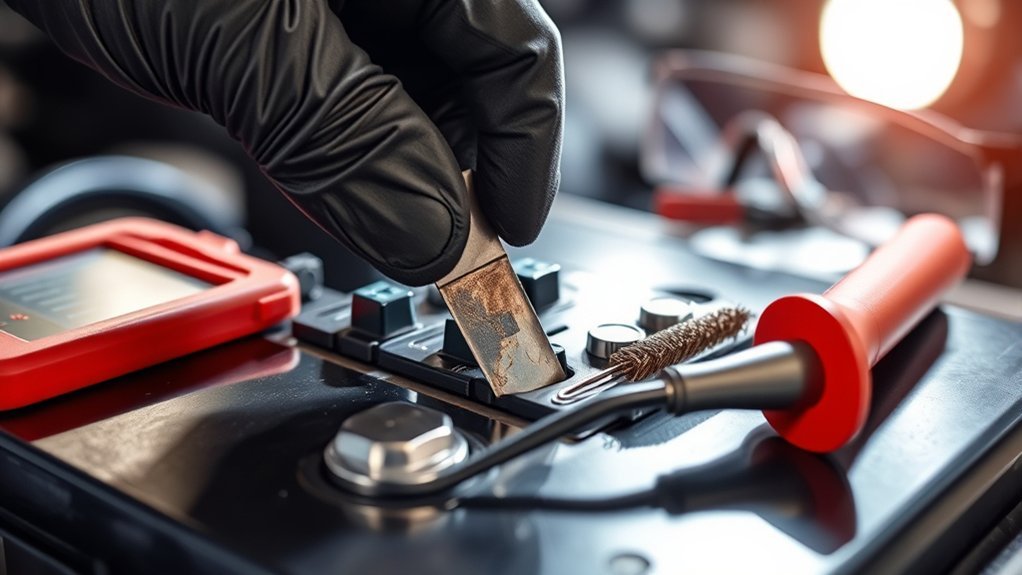
Work on a flat, stable surface with the engine off. Start by disconnecting the negative terminal (marked with a minus sign) to avoid a short circuit. Then, disconnect the positive terminal.
Carefully lift the battery and check the casing for cracks, leaks, or severe bulging. If you see physical damage to the casing, do not attempt to recondition it. Take that battery to a professional recycling center instead. Use your multimeter to check the voltage; a healthy battery should read 12.6 volts or higher.
Cleaning Terminals and Managing Electrolyte Levels
Electrical conductivity suffers when corrosion builds up on terminals. Clean them using a mixture of baking soda and water to neutralize the acid. Rinse with clean water and dry thoroughly before reconnecting.
For the cells, check that the liquid covers the lead plates by about 1/4 inch. If the levels are low, top them off only with distilled water. Never overfill, as the electrolyte expands during the charging process.
How to Tell if Your Battery Can Be Saved
Not every battery responds to reconditioning. If your battery has a shorted cell or a broken internal plate, no amount of charging will fix it. Use a load tester to confirm that the battery can hold energy under actual demand. If the voltage drops below 9.6 volts during a 15-second load test, the internal components are likely too degraded to save.
Best Charging Practices
Use a smart charger to maintain voltage between 13.8 and 14.4 volts for standard lead-acid batteries. Avoid rapid “fast charging,” as this creates heat that damages plates. A slow, steady charge over 4 to 8 hours is much more effective for restoration. If your vehicle sits idle, charge the battery every 30 days to prevent it from dropping below 50 percent capacity.
Testing Your Battery After Reconditioning
Once you finish the charging cycle, verify your work with a final test. Let the battery sit for several hours to stabilize. A fully charged, healthy battery should read 12.6 to 12.7 volts. Use a hydrometer to check the specific gravity; a healthy cell usually measures between 1.265 and 1.299. If the readings remain low, the battery may require another cycle or replacement.
Frequently Asked Questions
How long does a reconditioned battery last?
A properly reconditioned battery typically lasts between one and three years. Its lifespan depends on how much damage existed before you started and how well you maintain it afterward.
Can I recondition any type of car battery?
You can generally recondition standard flooded lead-acid batteries. However, sealed AGM, gel-cell, or lithium-ion batteries require specialized equipment and often cannot be opened or serviced safely at home.
Is it safe to recondition a battery at home?
It is safe if you wear appropriate eye and hand protection. Always work in a well-ventilated area to avoid inhaling any gases released during the charging process.
What signs indicate a battery needs reconditioning?
Signs include slow engine cranking, dim headlights while the engine is off, or the battery failing to hold a charge after a short period of non-use.
How often should I maintain my car battery?
Perform a visual inspection and voltage check every six months. If you drive infrequently, check the voltage once a month to ensure it stays above the minimum threshold.
Final Thoughts on Battery Care
Reconditioning your battery turns a failing component into a reliable power source while saving you money. Remember that safety is your top priority when dealing with acid and electricity. By keeping terminals clean and preventing deep discharge, you ensure your battery stays healthy for years to come. Consult a local mechanic if you remain unsure about the condition of your battery after attempting these steps.







Leave a Reply