You might love the smooth ride of an automatic car. But that convenience hides a hefty price tag. Complex internal systems make automatic vehicles significantly more expensive to fix and maintain over time. This guide breaks down exactly where those hidden costs come from and how you can avoid them.
Quick Answer
Automatic cars cost more to maintain than manual cars. Their complex transmissions require specialized fluids, advanced diagnostic tools, and expensive labor to repair. While routine manual maintenance usually involves a simple fluid check or clutch replacement, automatic transmission repairs can easily exceed $2,000.
Key Takeaways
- Automatic cars cost more to fix than manual cars.
- Fluid changes for automatics run about $100 to $200.
- Complex parts increase the risk of expensive failures.
- Skipping fluid changes causes severe system overheating.
- Good driving habits help reduce your long-term repair bills.
Why Automatic Cars Cost More to Maintain
Automatic transmissions use hundreds of tiny parts to shift gears for you. This complex design requires frequent and expensive upkeep. According to most automotive experts, you must service an automatic car every 30,000 to 60,000 miles.
Automatic fluid changes cost between $100 and $200. Manual fluid changes usually cost about $50. Manual cars can also go much longer between these routine services without suffering damage.
When parts break, automatic repair bills climb fast. A new automatic transmission costs between $2,000 and $4,000. Manual transmission repairs average $1,500 to $3,000. Mechanics also charge higher labor rates to run the advanced diagnostic tools needed for automatic systems.
Parts That Drive Up Automatic Repair Costs
Automatic transmissions rely on torque converters, valve bodies, and electronic control modules. When a single solenoid fails, the entire system can stop working. Mechanics must spend hours taking the transmission apart just to find the broken piece. This intense labor drives up your final bill.
The Hidden Complexity of Automatic Transmissions
Hydraulic pressure, digital sensors, and computer controls run your automatic transmission. This advanced technology demands specialized care. Clean fluid keeps these delicate parts moving smoothly.
| Aspect | Details |
|---|---|
| Components | Hundreds of mechanical and electronic parts |
| Diagnostics | Requires specialized equipment and skilled technicians |
| Common Issues | Prone to heat failure and electronic glitches |
| Repair Costs | Major internal fixes often exceed $2,000 |
Mechanics need more time to fix intricate automatic designs. Knowing these details helps you plan for future maintenance bills. A proactive approach protects your wallet from surprise breakdowns.
Manual vs. Automatic Maintenance Costs
Manual cars use simple gears and a manual clutch. This basic design makes them much cheaper to fix. Manual drivers rarely need complete transmission replacements.
Automatic transmissions easily suffer from internal damage. Mechanics often recommend a full replacement instead of trying to rebuild a damaged automatic system. These full replacements push the long-term cost of an automatic vehicle far beyond a manual one.
Manual cars mostly need new clutches over their lifespan. A new clutch costs money, but the overall maintenance budget remains much lower. Understanding this cost gap helps you choose the right vehicle for your budget.
Repair Frequency by Transmission Type
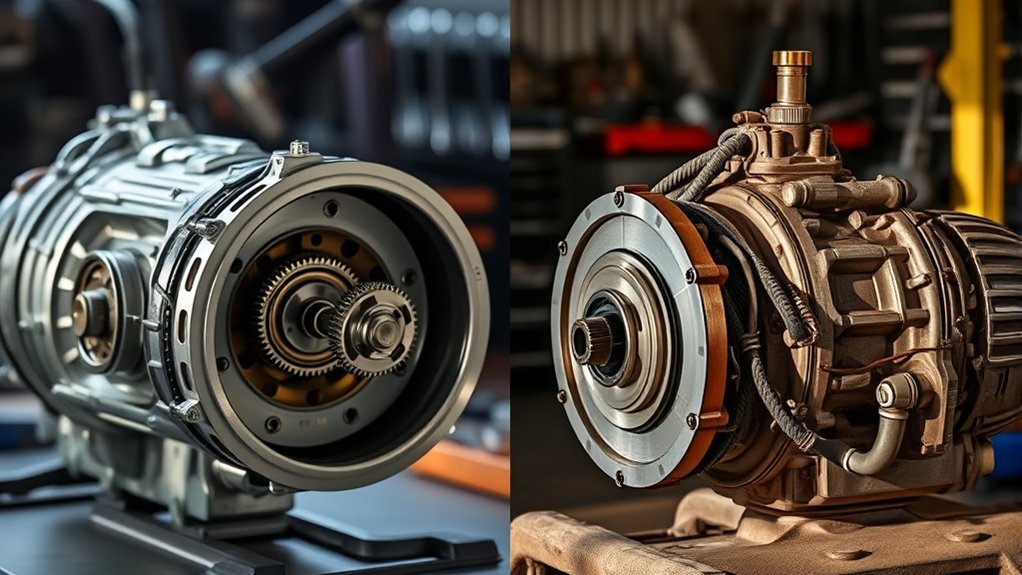
Automatic cars face electronic glitches and hydraulic leaks quite often. The sheer number of moving parts increases the chance of failure.
Complex components make automatic transmissions break down more frequently than simple manual gearboxes.
Manual cars require basic repairs based on wear and tear. You will usually replace a clutch every 60,000 to 100,000 miles. Your daily driving style directly impacts how long the clutch lasts.
Automatic failures hit your wallet harder and happen more often if you neglect routine care. Drivers seeking lower repair frequencies usually choose manual vehicles.
How Transmission Fluid Impacts Your Wallet
Clean fluid keeps your automatic car running smoothly. Mechanics strongly recommend changing this fluid every 30,000 to 60,000 miles. Ignoring this schedule causes severe internal damage.
Why You Must Change Your Fluid
Automatic transmission fluid cools the system and lubricates moving parts. Fresh fluid prevents massive heat buildup inside the gearbox.
Old fluid fills with metal shavings and dirt. This dirty fluid destroys the internal gears and leads to total transmission failure. Manual gearboxes generate less heat and need fewer fluid changes overall.
Expected Costs for Fluid Service
Fluid service controls your overall repair budget. An automatic fluid change costs about $100 to $200. Manual service costs half that amount.
- Frequent fluid changes raise short-term costs but prevent disaster.
- Clean fluid stops destructive metal contaminants from grinding the gears.
- Extreme heat destroys transmissions with old, burnt fluid.
- Manual gearboxes need less frequent fluid monitoring.
Extending the Life of Your Transmission
Timely maintenance keeps your automatic car on the road longer. High temperatures destroy internal seals and clutch plates. Clean fluid lowers these dangerous operating temperatures.
Always use the exact fluid recommended by your car manufacturer. Cheap or incorrect fluid causes aggressive wear and tear. Spending a little more on premium fluid saves you thousands in future repairs.
Always consult a certified mechanic before choosing a transmission fluid or performing deep maintenance on your vehicle.
The 10-Year Maintenance Cost Gap
Over a decade of driving, the cost gap between automatic and manual cars widens heavily. Automatic transmissions constantly draw money for complex upkeep.
- Fluid Costs: Automatics need twice as many fluid changes as manuals over a ten-year span.
- Parts Replacement: Automatic rebuilds cost thousands more than simple manual gear swaps.
- Wear and Tear: Manual clutches wear out, but replacement parts remain cheap.
- Diagnostics: Shop labor rates rise every year for complex electronic computer testing.
Manual drivers save significant money over the lifespan of the car. Automatic drivers trade that financial saving for daily driving comfort.
Ways to Lower Your Automatic Repair Bills
You can protect your automatic transmission without spending a fortune. Start by checking your fluid levels every month. Low fluid causes instant friction and heat damage.
Watch your engine cooling system closely. The radiator also cools your automatic transmission fluid. A broken radiator will quickly destroy your transmission through overheating.
Drive gently to protect the internal gears. Fast takeoffs and sudden stops place massive stress on the system. Check for manufacturer recalls to fix known factory defects for free.
Common Myths About Automatic Transmission Care
Many drivers believe dangerous myths about automatic cars. These false ideas cause people to skip vital service visits.
The Lifetime Fluid Myth
Many dealerships claim their automatic transmission fluid lasts a lifetime. This promise misleads car owners and destroys engines.
Fluid degrades under high heat and constant pressure. Dirt and metal shavings turn the fluid into a thick sludge. You must replace the fluid every 30,000 to 60,000 miles to protect the gears.
Specialized Labor Rates
Automatic systems require highly trained technicians. Standard mechanics often cannot diagnose advanced computer failures inside the gearbox.
You will pay premium labor rates for transmission specialists. The sheer number of parts guarantees longer repair times and higher labor bills.
Minor Fixes Prevent Major Bills
Drivers often ignore early warning signs because they fear high bills. A small fluid leak costs very little to fix. Ignoring that leak destroys the entire transmission.
- Fix leaks immediately to prevent low-fluid failure.
- Replace faulty speed sensors before they cause hard shifting.
- Clean the transmission cooler to stop overheating.
- Run computer diagnostics at the first sign of a dashboard warning light.
Daily Driving Habits That Protect Your Car
Your daily habits directly impact your maintenance costs. Come to a complete stop before shifting from reverse to drive. Shifting while moving snaps the internal bands.
Use your parking brake when parking on a hill. The brake takes the heavy pressure off the parking pawl inside the transmission.
Change your transmission filter every time you change the fluid. A clogged filter starves the system of vital oil and causes instant mechanical failure.
Frequently Asked Questions
Is an Automatic Car More Expensive to Maintain?
Yes, automatic cars cost more to maintain. You will pay more for fluid changes, specialized labor, and replacement parts. You trade lower repair bills for a smoother daily drive.
What Is the Disadvantage of an Automatic Car?
Automatic cars carry higher repair costs and lower long-term reliability. Their complex computer systems and hydraulic parts fail more often than simple manual gears.
What Is the Life Expectancy of an Automatic Transmission?
A well-maintained automatic transmission lasts between 100,000 and 150,000 miles. Regular fluid changes and gentle driving habits can push this lifespan even further.
Is Manual Cheaper to Maintain Than Automatic?
Manual cars cost much less to maintain. You only need to replace the clutch periodically. The basic gear system rarely fails under normal driving conditions.
Protecting Your Automatic Investment
Automatic cars provide a highly comfortable driving experience, but they demand a larger maintenance budget. You must commit to regular fluid changes and careful driving habits to avoid catastrophic failure. Schedule a fluid inspection today to protect your transmission from early wear. Catching a small issue now will save you thousands of dollars down the road.







Leave a Reply