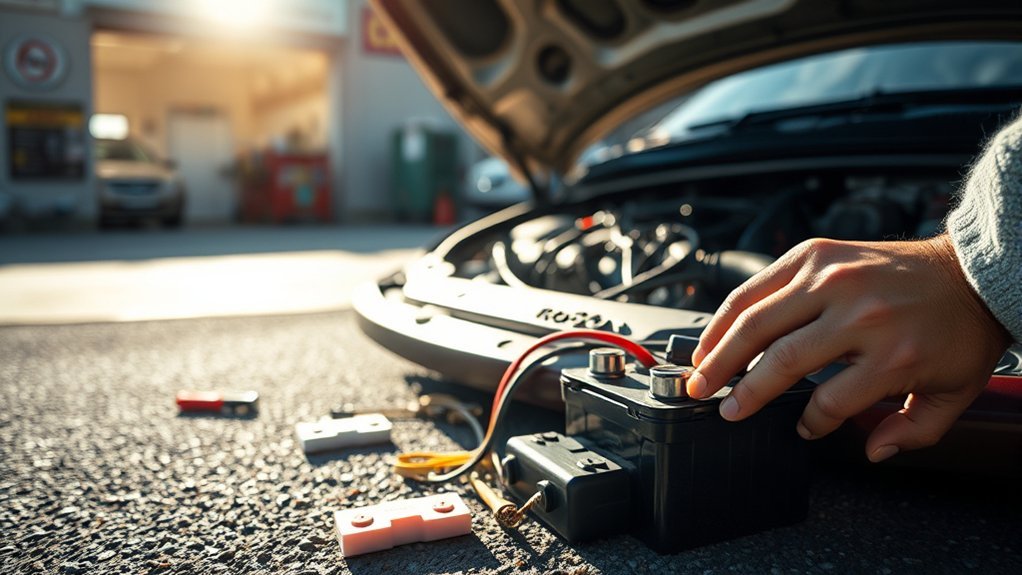
You turn the key, and nothing happens. Few things ruin a schedule faster than a car that refuses to start. Whether you hear a rapid clicking sound or complete silence, a dead vehicle leaves you stranded. This guide helps you find the exact cause of your starting issue and explains how to get your engine running again.
Quick Answer
The most common reason a car refuses to start is a dead battery. If you hear a rapid clicking noise, check your battery connections and try a jump start. If the engine cranks but refuses to fire, you likely have a fuel delivery or ignition problem.
Key Takeaways
- A dead battery causes most starting issues. Check for dim dashboard lights or total silence.
- A bad ignition switch blocks power from reaching the starter motor.
- Corroded battery terminals or a failing alternator drain power and stop the engine.
- A clogged fuel filter or bad fuel pump relay starves the engine of fuel.
- Continuous starting failures require a professional mechanic to fix complex electrical faults.
Top Reasons Your Car Refuses to Start
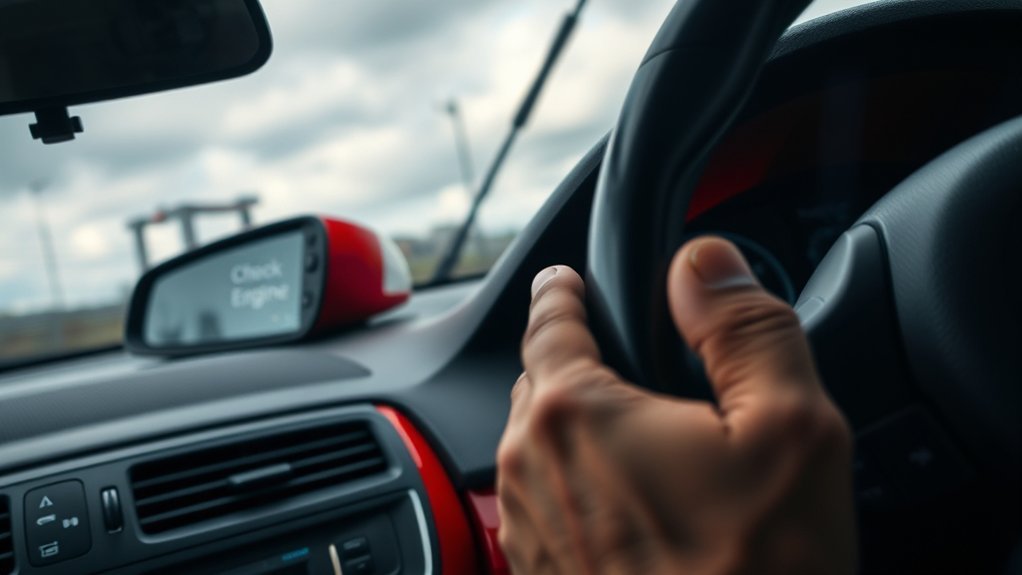
A dead battery causes the vast majority of starting failures. You will usually notice dim dashboard lights or zero response when you turn the key. Batteries lose their ability to hold a charge as they age.
A bad ignition switch blocks power from reaching the starter motor. This problem often leaves you with a key that refuses to turn. A rapid clicking sound means the starter cannot pull enough power to engage the flywheel.
Corroded battery terminals and failing alternators drain your power supply over time. A clogged fuel filter restricts fuel flow, starving the engine. Low fuel levels or a broken fuel pump relay stop ignition instantly. Routine maintenance prevents many of these sudden breakdowns.
Recognizing Car Starting Symptoms
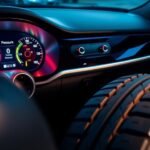
Dim dashboard lights point directly to a weak or dying battery. A loud clicking noise means your starter motor lacks enough electrical power to work.
Finding these symptoms early helps you fix the root cause fast. A quick visual inspection often reveals the exact problem.
What Dim Dashboard Lights Mean
Dim lights show your battery struggles to supply enough power. Inspect your electrical connections first. Corroded battery terminals and loose cables block the current.
Car batteries older than three to five years lose their charging capacity. If the lights stay dim and the engine refuses to crank, check the ignition switch. Address these power drops quickly to avoid getting stranded in bad weather.
Why Your Car Clicks When Starting
A rapid clicking sound points straight to your battery or starter connections. The noise happens when the starter motor gets a small amount of power, but not enough to turn the engine. You can try cycling the ignition key a few times to warm the battery contacts.
Tapping the battery terminals might improve a poor metal connection. Tapping the starter motor lightly can unstick a jammed solenoid. Drivers with manual transmissions can try the clutch pop technique to force an engine engagement.
| Potential Issue | Solution |
|---|---|
| Weak battery | Cycle ignition key |
| Poor battery connections | Tap on terminals |
| Stuck starter motor | Tap motor gently |
| Manual transmission | Use clutch pop technique |
| Corroded terminals | Clean and secure cables |
How to Troubleshoot Car Starting Problems
Start your troubleshooting with the battery and starter systems. A dead battery leaves your car completely silent. A bad starter makes a distinct clicking noise.
A faulty ignition switch stops the electrical process entirely. Check these three components first for a clear and fast diagnosis.
Fixing Car Battery Issues
Battery failures cause the vast majority of starting problems. Dim dashboard lights and a silent engine point directly to a dead battery. Clean any crusty buildup off the battery terminals to restore a solid connection.
| Problem | Symptoms | Solution |
|---|---|---|
| Dead battery | No lights or sounds | Jump-start the battery |
| Corroded terminals | Poor connection | Clean the terminals |
| Old battery | Declining health | Replace the battery |
| Faulty alternator | Battery refuses to charge | Check charging system |
| Skipped maintenance | Unexpected starting issues | Follow service schedule |
Your battery should measure at least 12.6 volts on a multimeter. Test your voltage regularly to catch failing batteries early.
Diagnosing Starter and Ignition Failures
The starter and ignition systems crank the engine to life. A bad starter motor needs a fast repair or a full replacement.
If the dashboard lights turn on but the engine stays silent, check the starter relay. Look for a blown fuse in the engine fuse box.
Manual cars use a clutch safety switch. If this switch breaks, the engine will not crank. Check all battery cables carefully. A battery might show normal voltage but contain weak cells that fail under a heavy starting load.
Engine Cranks But Refuses to Start: Next Steps
Sometimes the engine turns over but refuses to catch. This usually points to fuel or spark failures.
Check your fuel delivery system first. A clogged fuel filter or a broken fuel pump relay stops gas from reaching the engine cylinders. Inspect the ignition system next. Bad spark plugs or worn ignition coils stop the fuel mixture from burning.
Test your battery voltage again. A weak battery can spin the engine slowly without delivering enough spark to start it. Use an OBD2 scanner to check for diagnostic trouble codes. A broken crankshaft sensor will stop the engine from firing.
What to Do When You Turn the Key and Hear Nothing
Total silence when you turn the key points to an electrical block. A missing click means power never reaches the starter motor. Follow these quick troubleshooting steps to find the break in the circuit.
Start your troubleshooting by checking the simplest electrical connections first.
- Shift the automatic gear lever to neutral and try again. This bypasses a faulty park switch.
- Check your battery cables for heavy corrosion or loose bolts.
- Look for blown fuses inside the engine bay fuse box.
- Test the ignition switch for internal failures.
- Inspect the starter wiring for signs of heat damage or fraying.
Security Systems and Dead Key Fobs
Modern vehicles use electronic immobilizers that require a signal from your key fob. If your key fob battery dies, the car will not recognize the key and will block the engine from starting. Hold the dead fob directly against the start button to bypass the weak signal.
Replacing the small battery inside your fob often fixes the problem instantly.
Locked Steering Wheels
A locked steering wheel prevents the physical ignition key from turning. This safety feature engages when someone moves the wheel after shutting off the engine. Wiggle the steering wheel firmly left and right while turning the key to release the lock.
When to Call a Mechanic for Starting Issues
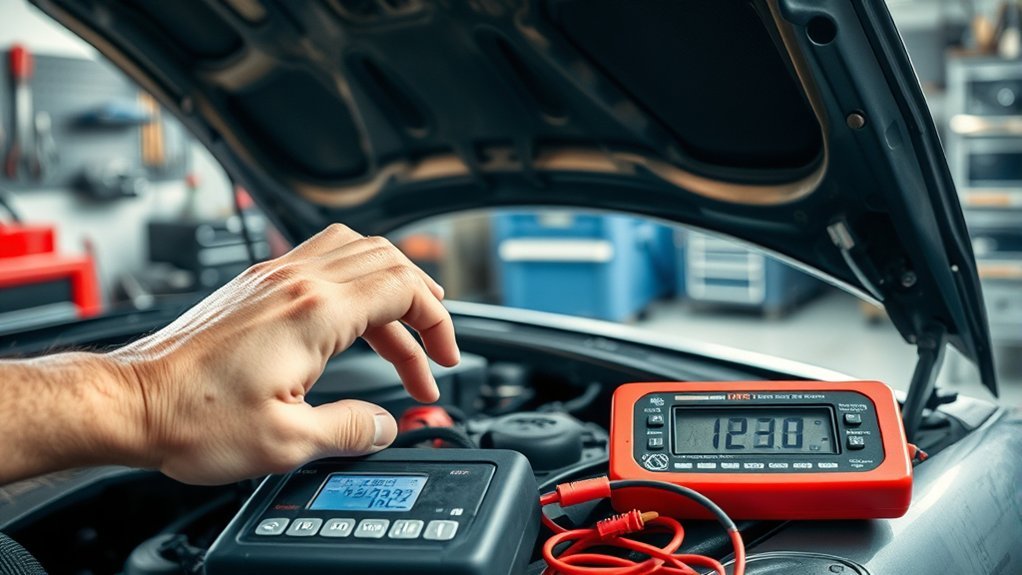
Some starting problems require a professional mechanic. A persistent clicking sound combined with a fresh battery means your starter motor requires a replacement.
Call a tow truck if you see damaged electrical wires or smell burning plastic. Modern cars rely on complex computer systems that need specialized diagnostic tools to read hidden error codes.
Fixing fuel pumps and replacing timing belts requires deep mechanical knowledge. A professional repair keeps you safe and prevents costly engine damage.
Always consult a certified mechanic before testing or repairing high-voltage electrical components.
Frequently Asked Questions
How do I troubleshoot a car that refuses to start?
Start by checking your battery voltage and cleaning the terminals. Look for blown fuses and listen for the fuel pump engaging when you turn the key. Use an OBD2 scanner to check for hidden electrical faults.
Why won’t my car start even though the lights work?
Dashboard lights require very little power, while the starter motor requires massive amounts of energy. You likely have a weak battery, a bad starter, or a broken ignition switch. Your security immobilizer might also block the engine.
What is the main reason a car refuses to start?
According to roadside assistance data, a dead or dying battery causes most starting failures. Extreme hot and cold weather speeds up battery drain. Check your battery connections first before testing other parts.
Is it a dead battery or a bad alternator?
Jump-start the car to find out. If the engine dies immediately after removing the jumper cables, your alternator is failing. If the car stays running but refuses to start the next day, your battery can no longer hold a charge.
Final Thoughts on Car Starting Problems
Finding out why your car refuses to start requires a careful look at the battery, starter, and fuel systems. AAA reports that battery failures cause the vast majority of roadside assistance calls. Test your battery today to make sure it holds a proper charge. Keeping up with routine maintenance ensures your vehicle stays reliable for years to come.




Leave a Reply