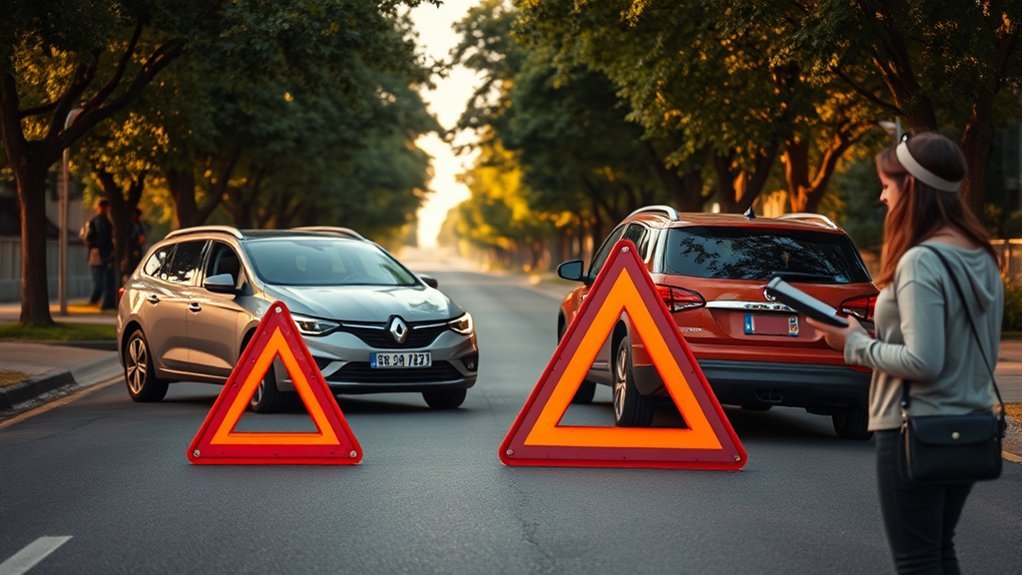
A minor car accident can leave you shaken and unsure of your next steps. One wrong move at the scene could jeopardize your insurance claim or break UK traffic laws. This guide explains exactly how to protect yourself, gather the right evidence, and handle the aftermath legally.
Quick Answer
After a minor car accident in the UK, stop your vehicle and exchange names, addresses, and registration numbers with the other driver. Take clear photos of the scene and notify your insurance provider right away. You only need to report the crash to the police within 24 hours if someone suffers an injury, the other driver leaves without swapping details, or you suspect illegal activity.
Key Takeaways
- Stop safely and check for injuries before moving your vehicle.
- Swap names, addresses, and vehicle registrations with the other driver.
- Take photos of the damage and collect contact details from witnesses.
- Notify your insurance provider about the crash immediately.
- Report the incident to the police within 24 hours if the law requires it.
What Constitutes a Minor Car Accident in the UK?
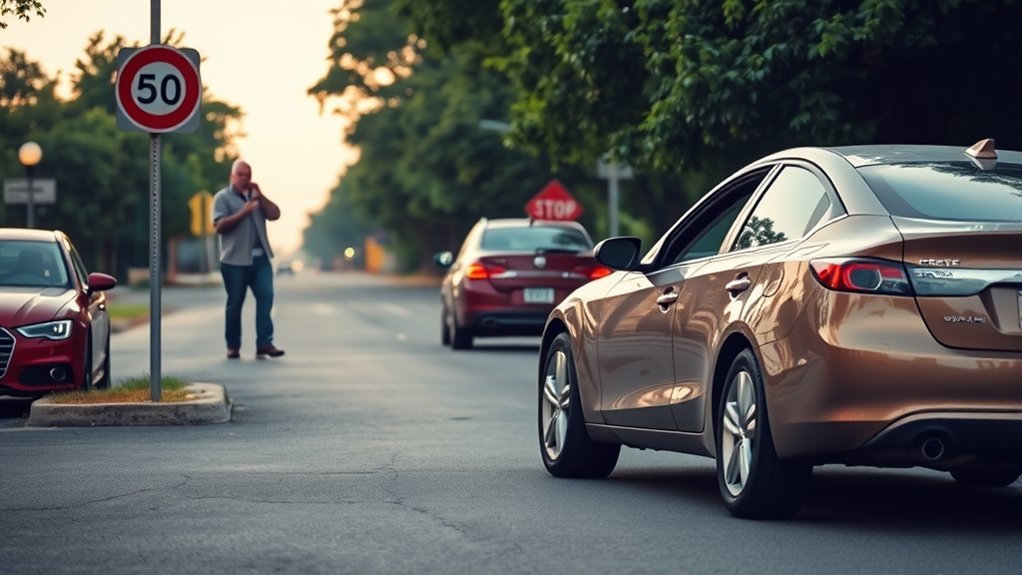
A minor car accident in the UK usually means a low-speed crash causing minimal damage and no injuries. Typical examples include bumping another car in a car park, scraping a wing mirror, or a slow rear-end collision.
While these bumps seem small, you still must follow specific legal steps.
UK law states you must stop your car after any collision, no matter how minor.
You must share your name, address, and vehicle registration with anyone involved. Failing to stop and provide these details is a legal offence.
Always tell your insurance provider about the bump. Keeping them informed protects your policy terms and ensures your cover remains valid.
What to Do Immediately After a Minor Crash
Stay calm and stop your vehicle as soon as it is safe to do so. Check yourself and your passengers for injuries.
If everyone is safe, move your car off the main road to avoid blocking traffic. Approach the other driver to swap contact details and registration numbers.
Use your phone to take clear photos of the damage, the road layout, and the weather conditions.
Finally, see a doctor if you feel any pain later in the day. Shock often hides minor injuries like whiplash for several days.
How to Exchange Details With the Other Driver
Keep calm when speaking to the other driver. By law, you must provide your name, address, and vehicle registration number.
If the car belongs to someone else, you must provide the owner’s name and address. You should also ask for their insurance provider details. The law only requires insurance details if an injury happens, but swapping them is standard practice for claims.
Never admit fault or apologize at the scene. Saying sorry can count as an admission of liability and ruin your insurance claim.
Write down the time, date, and exact location. Keep a careful record of everything the other driver says to help your insurance provider later.
Do You Need to Report a Minor Car Accident to the Police?
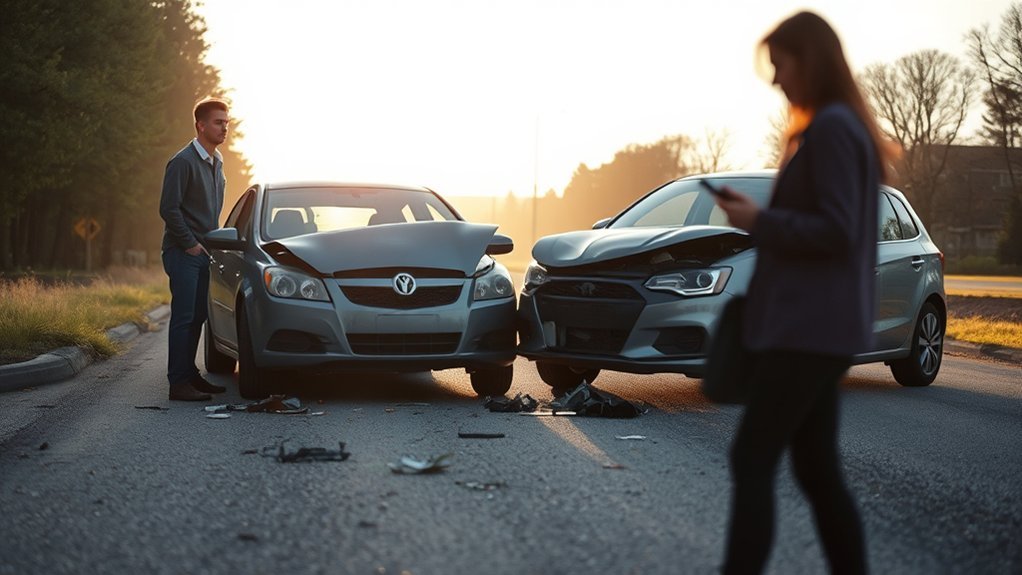
Many drivers wonder if they must involve the police for a small bump. You do not need to call the police if no one is hurt and both drivers swap details.
However, UK law demands you report the crash in specific situations. Failing to report an accident when required carries strict penalties.
When Reporting Is Required
You must contact the police within 24 hours if certain conditions apply. Call 101 or visit a local police station if:
- Someone suffers an injury.
- The other driver refuses to give their details or drives away.
- You suspect the other driver lacks insurance or is drunk.
- Your vehicle blocks the road and you cannot move it safely.
Always ask the police for a reference number. You will need this number to process your car insurance claim.
Consequences of Not Reporting
Ignoring your legal duty to report a crash can bring severe penalties. You might face a heavy fine, penalty points on your license, or a driving ban.
Your insurance provider could also cancel your policy or refuse to pay your claim. Protect yourself by following the reporting rules exactly. Documenting the incident with the police keeps you legally safe.
Checking for Hidden Injuries
Always check for injuries, even after a slow-speed bump. Adrenaline often masks pain for several hours.
Minor crashes frequently cause whiplash or soft tissue damage that only appears the next day. See a doctor quickly to rule out hidden problems.
Visiting a doctor creates an official medical record, which strongly supports your case if you file a personal injury claim later.
Pay close attention to stiff joints, headaches, or dizziness in the days following the crash. Always consult a qualified medical professional if you suspect any injuries after a road traffic incident.
Evidence You Must Collect at the Scene
Good documentation makes the insurance process much easier. Gather the right proof immediately to protect yourself from false claims.
Gather Essential Details
Write down the exact time, date, and weather conditions. Note the make, model, and color of the other car. Collect the full name and phone number of the other driver.
Take Clear Photographs
Take photos of both cars from multiple angles. Capture the damage, the license plates, and the position of the vehicles on the road.
Photograph any skid marks, road signs, or debris on the street. These images help your insurance company understand exactly what happened.
Speak to Witnesses
Independent witnesses provide the best proof if the other driver lies. Ask anyone who saw the crash for their name and phone number.
Ask if they would be willing to give a statement to your insurance company. A strong witness account can speed up your compensation claim.
Insurance Rules You Must Follow
You must inform your car insurance provider about the crash, even if you do not want to make a claim. Most policies require you to report any incident within 24 hours.
Failing to tell them can invalidate your policy. If the other driver claims against you later, your insurer might refuse to cover the costs.
| Action | Timeframe | Reason |
|---|---|---|
| Notify Insurance | Within 24 hours | Required by policy terms |
| Document Scene | Right away | Secures vital evidence |
| Report to Police | Within 24 hours | Legally required for injuries |
| Check Policy | Before claiming | Understand your excess fees |
How a Minor Crash Affects Your No-Claims Bonus
Many drivers hide minor bumps to protect their no-claims discount. This risky choice can backfire completely.
If you report the crash for “information only” and do not make a financial claim, your bonus might stay intact. Check your policy documents to see if your bonus is protected.
However, your provider might still raise your premium at renewal. Insurance companies view any crash involvement as a statistical risk increase.
When to Seek Legal Advice
If the crash was not your fault, a solicitor can help you claim compensation. They can recover repair costs, medical fees, and lost wages.
Legal experts know how to build a strong case using your photos and witness details. Many UK solicitors work on a “no win, no fee” basis.
This structure means you pay nothing upfront and only pay a fee if you win the case. Always consult a qualified legal professional before making decisions about compensation claims.
Frequently Asked Questions
What to do after a minor car accident in the UK?
Stop your car, check for injuries, and swap contact details with the other driver. Take photos of the damage and report the crash to your insurance provider right away.
Should I tell my insurance company about a minor accident in the UK?
Yes. Your policy terms state you must report all accidents. If you hide it, your provider can cancel your policy or refuse future claims.
What happens if you don’t report an accident within 24 hours in the UK?
If the law required you to report it to the police, you might face a fine or points on your license. If you fail to tell your insurer, they may void your cover.
What should you do if you’re involved in a minor accident?
Stay completely calm and ensure you are out of immediate danger. Prioritize swapping registration numbers and names before you leave the scene to stay on the right side of the law.
Conclusion
A minor car accident causes stress, but taking the right steps protects your finances and your driving record. Make sure you swap details, take clear photos, and notify your insurer immediately to keep your policy valid. Handling the paperwork quickly puts you back on the road with total peace of mind.







Leave a Reply