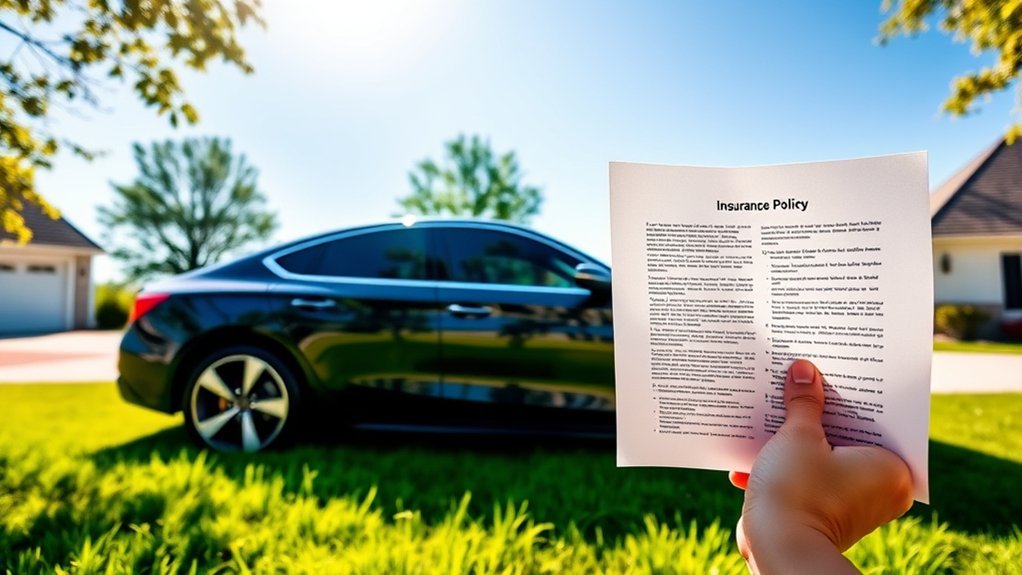
Imagine waking up to find a heavy tree branch smashed through your windshield. Basic auto liability insurance will not pay a single cent for this disaster. Comprehensive car insurance steps in to cover unpredictable threats that can quickly drain your savings. Knowing exactly how this coverage works ensures you buy the right protection for your vehicle.
Quick Answer
Comprehensive car insurance pays to repair or replace your vehicle if it gets stolen or damaged by non-driving events like severe weather, vandalism, or animal strikes. State laws do not mandate it, but lenders strictly require this coverage if you lease or finance your car.
Key Takeaways
- Comprehensive car insurance pays for non-collision damages like auto theft, vandalism, and extreme weather.
- You must pay a set deductible amount out of pocket before your insurance company covers the rest of the repair bill.
- State governments never mandate this coverage, but auto lenders require it for financed or leased vehicles.
- Your policy premium depends on your vehicle’s value, your personal driving record, and your home zip code.
- This insurance differs entirely from collision coverage, which only pays for crash damage involving other cars or objects.
Why Do You Need Comprehensive Auto Insurance?
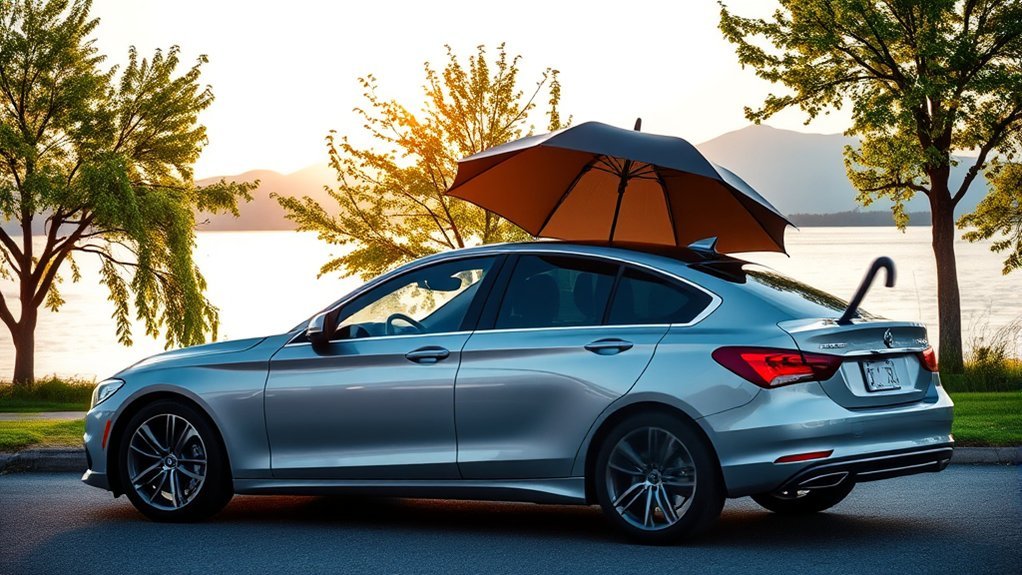
Many drivers rely on comprehensive coverage to shield their bank accounts from massive repair bills. This policy offers financial protection against unpredictable events like auto theft, civil riots, and natural disasters. If you finance or lease your car, your lender will demand you buy this policy. This contractual rule protects the bank’s financial investment from sudden total losses.
Comprehensive vehicle insurance also pays for damage from falling objects, animal strikes, and shattered auto glass. Experts highly recommend this coverage for drivers living in areas with severe seasonal storms or high property crime rates.
Comprehensive vehicle insurance serves as an essential safety net, paying to fix damage from falling trees, deer strikes, and broken windshields.
Recent data from the National Association of Insurance Commissioners shows comprehensive coverage costs about $175 a year on average. This price makes it much cheaper than standard collision coverage. You gain total peace of mind knowing your car survives threats happening outside of your control.
When Is Comprehensive Coverage Necessary?
Deciding if you need this insurance requires you to look at your car’s actual cash value and your daily driving environment. State governments never force you to buy comprehensive policies. Still, certain situations make it an absolute necessity for smart financial planning.
Review these specific details when building your auto insurance policy:
- The physical age and current market value of your vehicle
- Local crime statistics and extreme weather risks in your zip code
- Your personal ability to pay cash for major auto repairs
- The active lease or loan requirements on your vehicle
Drivers who own expensive or brand-new cars get massive value from this insurance. The same logic applies to people living in major cities with high auto theft rates. Spending a few dollars a month can save you tens of thousands if a disaster strikes overnight.
Comprehensive vs. Collision Coverage: What to Know
Drivers often confuse comprehensive policies with collision insurance. Comprehensive insurance covers non-driving events like a stolen truck, a cracked windshield, or severe hail damage. Insurance agents frequently refer to it as “other than collision” coverage.
Comprehensive insurance acts as a financial shield against auto theft, street vandalism, and extreme weather damage.
Collision insurance pays to fix your car after you crash into another vehicle, a guardrail, or a telephone pole. Both policy types force you to pay a set deductible before the insurance company writes a final check.
One major difference involves unexpected animal strikes. If you hit a heavy deer on a dark highway, your comprehensive policy covers the body damage. Collision insurance strictly handles crashes with stationary objects and other cars. Understanding this exact difference helps you pick the right policy limits for your daily commute.
What Does Comprehensive Auto Insurance Cover?
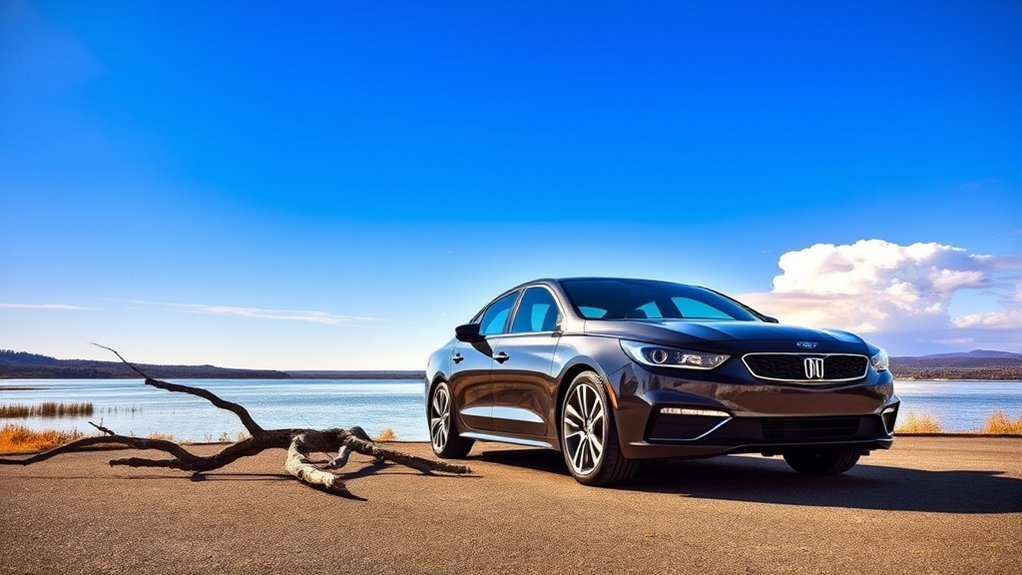
Comprehensive auto insurance acts as a safety net against bizarre and uncontrollable events. It protects your personal finances when life throws unexpected hazards your way.
A standard policy pays to fix several specific hazards.
- Auto theft coverage pays you the actual cash value of your car if criminals steal it.
- Severe weather coverage handles expensive repairs for flood, hail, tornado, and earthquake damage.
- Vandalism coverage fixes slashed tires, smashed windows, and chemical paint damage.
- Animal strike coverage pays the local body shop after you hit a deer, moose, or large bird.
How Deductibles and Payouts Work
Your comprehensive policy always relies on a deductible. This equals the exact dollar amount you pay out of pocket before the insurer covers the remaining balance. If a falling tree causes $3,000 in roof damage and you hold a $500 deductible, the insurance company sends you a check for $2,500.
If a thief steals your car and the police never recover it, the insurer declares the vehicle a total loss. They will calculate the actual cash value of the vehicle right before the theft occurred. You will receive a check for that value minus your chosen deductible amount.
What Determines Your Comprehensive Insurance Cost?
Insurance companies calculate your policy premium using several unique personal details. They look closely at the exact car you drive, your past driving behavior, and your permanent zip code. Expensive luxury cars cost more to insure than older daily sedans. Safe drivers pay much less than drivers with recent traffic tickets.
Vehicle Make and Model
The type of car you drive heavily influences your final insurance bill. Insurers charge much more to cover high-performance sports cars and luxury SUVs. These specific vehicles cost a small fortune to repair or replace after a covered event.
Older vehicles carry a lower market value. Insurance companies take less financial risk covering them, which drops your monthly premium. Cars built with modern anti-theft technology often qualify for instant policy discounts.
Keep these specific vehicle factors in mind:
- Cars targeted frequently by thieves carry much higher insurance rates.
- Vehicles with cheap and accessible replacement parts cost less to insure.
- Factory-installed alarm systems lower your monthly premium bill.
- High market value always leads to higher comprehensive policy costs.
Driving History
Insurance companies review your official driving record to predict future financial risk. A clean driving history with zero tickets or crashes proves you drive safely. Insurers reward this safe behavior with much cheaper comprehensive insurance rates.
Multiple speeding tickets or past at-fault insurance claims will spike your premium. Companies view drivers with poor records as a higher risk across all active policy types. Completing an approved defensive driving class can sometimes erase points and lower your monthly bill.
Location and Environment
Your permanent home address directly impacts what you pay for coverage. Insurance actuaries study local zip codes to track neighborhood crime trends and severe weather threats. Drivers living in dense cities pay more because of high auto theft and street vandalism rates.
People living near coastal hurricane zones or in active tornado regions also face higher premiums. Regional threats force insurance companies to charge more money to cover the likely property damage.
Your local risk factors directly include:
- City environments create higher risks for auto theft and parking lot vandalism.
- Coastal towns face extreme weather events and frequent flash flood threats.
- High local crime rates push up comprehensive premium costs.
- Rural areas with heavy deer populations increase animal strike risks.
When Should You Drop Comprehensive Coverage?
Many drivers wonder exactly when to cancel comprehensive coverage on older cars. Financial experts suggest a very simple math formula. Drop the coverage if your annual premium plus your deductible equals more than ten percent of the car’s current market value.
If you own an old sedan worth $2,000 and pay $300 a year for coverage with a $500 deductible, keeping the policy makes little financial sense. You would only receive a maximum of $1,500 if a storm totals the car. Saving that monthly premium money in a bank account becomes a much smarter strategy.
Never drop this coverage if you still owe money to a bank or dealership. Lenders strictly forbid you from canceling comprehensive insurance until you pay off the auto loan completely.
Top Myths About Comprehensive Insurance

Many drivers misunderstand how auto insurance policies actually work. Some believe comprehensive insurance serves as a magic blanket that covers every possible car problem. Others assume it costs an absolute fortune to add to a basic liability policy.
Clarifying these common auto insurance myths helps you avoid nasty financial surprises during the claims process.
Myth: It Covers Every Type of Damage
The word “comprehensive” tricks many people into believing the policy pays for everything. This policy never covers hospital bills, personal liability claims, or property damage to someone else’s car. It also refuses to pay for normal tire wear or mechanical engine failure.
Remember these specific coverage limits:
- It strictly pays for non-collision events like weather, fire, and auto theft.
- It ignores damage from hitting another car or a concrete wall.
- It provides zero financial help if your engine breaks down from old age.
- It requires a paid deductible before you receive any repair funds.
Myth: It Costs More Than Collision Coverage
Drivers frequently skip this coverage because they assume it ruins their monthly budget. National data proves this assumption completely wrong. Recent numbers show comprehensive insurance costs around $175 a year, while collision coverage averages nearly $380 a year.
Comprehensive insurance remains highly affordable because major disasters happen less often than daily traffic accidents. Adding it to your policy provides massive financial relief if a tree falls on your roof.
Myth: State Law Requires You to Buy It
No state government in America forces drivers to buy comprehensive car insurance. State laws only require you to carry basic liability coverage to protect other drivers on the road. Comprehensive insurance remains fully optional for drivers who own their cars outright.
Banks and auto dealerships create the only strict requirement. If you finance or lease your car, the lender puts a legal clause in your contract demanding full coverage. This rule protects the bank’s investment until you hand over the final monthly payment.
Frequently Asked Questions
What exactly does comprehensive insurance cover?
This policy pays to fix or replace your car after non-driving disasters. Covered events include auto theft, fire, hail, flash floods, falling trees, vandalism, and hitting a wild animal. It provides a financial safety net for random hazards you cannot control.
What is not covered by comprehensive policies?
This insurance refuses to pay for crash damage involving other cars or stationary objects. It never covers mechanical breakdowns, routine oil changes, personal laptops stolen from inside the car, or hospital bills after an injury.
How do deductibles work with comprehensive coverage?
You choose a specific deductible amount, usually between $250 and $1,000, when buying the auto policy. If a covered disaster strikes, you pay this exact amount directly to the repair shop. The insurance company pays the remaining balance up to the total market value of your car.
What is the difference between comprehensive and basic liability insurance?
Basic liability insurance pays for the physical damage you cause to other people and their property during a crash. It never pays to fix your own car. Comprehensive insurance specifically pays to fix your own car after weather events, auto theft, or street vandalism.
Always consult a licensed insurance agent before making final decisions regarding your auto policy coverage limits.
Conclusion
Comprehensive car insurance protects your personal finances from unpredictable events like auto theft, vandalism, and severe weather. Check your current auto policy today to review your exact coverage limits and adjust your deductible to match your emergency savings account. Securing the right vehicle protection now ensures a surprise storm or break-in will never wreck your monthly budget.






Leave a Reply