Quick Answer
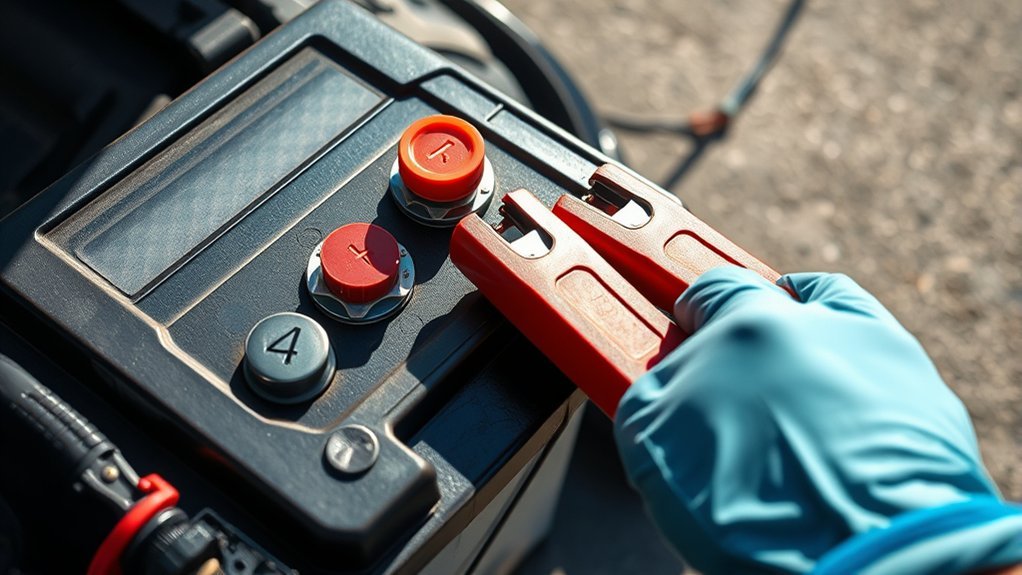
Always disconnect the negative (black) cable first and reconnect it last. This specific order prevents accidental electrical shorts and sparks if your wrench touches the metal frame while loosening the positive terminal. Always wear safety gear and work in a ventilated area.
Connecting a car battery in the wrong order can destroy your vehicle’s computer systems or cause severe injury. Most drivers do not realize the metal frame of their car acts as a giant electrical ground. This guide explains the exact sequence to keep your electrical system safe and your hands unharmed.
Key Takeaways
- Disconnect the negative terminal first to prevent sparks and reduce short circuit risks.
- Clean terminals before you reconnect the battery to ensure a strong flow of power.
- Attach the positive terminal first during reconnection to maintain proper circuit safety.
- Tighten both terminals firmly to avoid power loss or intermittent starting issues.
- Wear safety goggles and gloves to protect against acid burns and accidental sparks.
How to Safely Disconnect Your Car Battery

Disconnecting a battery incorrectly often leads to blown fuses or dangerous sparks. Start by turning off the engine and removing the keys from the ignition to cut all power.
Use a wrench or socket to loosen the nut on the negative terminal first. This terminal usually features a black cable or a minus sign indicator.
Removing the negative cable first stops accidental short circuits. Your wrench might touch the metal car frame while you loosen the positive terminal. If the negative terminal remains connected, this metal-to-metal contact creates a dangerous electrical path that causes sparks.
Reconnect Your Car Battery in the Correct Order
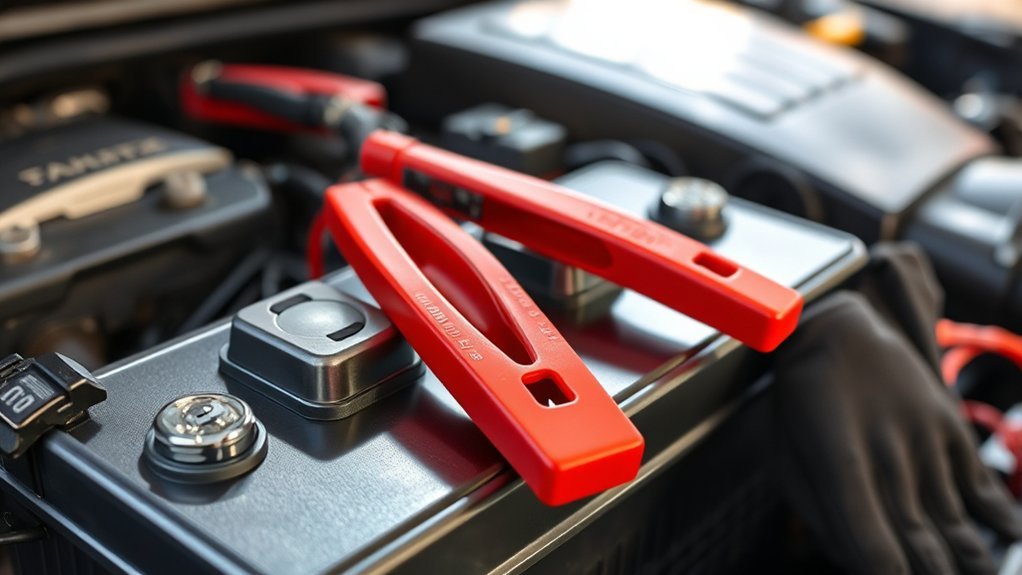
Reconnecting the battery requires the exact opposite sequence to keep the electrical system stable. You must always attach the positive terminal before the negative one.
Attach the Positive Terminal First
The positive cable is typically red and marked with a plus sign. Attaching this first ensures the circuit remains open until the negative connection is complete.
- Identify the positive cable by its red color or plus mark.
- Scrub the terminal post with a wire brush to remove any white corrosion.
- Place the cable onto the terminal and tighten the nut securely.
- Wiggle the connector to ensure it does not move or slip off.
Attach the Negative Terminal Last
Once the positive cable sits tight, attach the negative cable. You may see a small spark when the cable touches the terminal. This tiny spark is normal as the final circuit closes.
Double-check that both nuts are tight and the cables cannot slip off. Always consult a professional mechanic if you notice damage to the battery casing or cables.
How to Keep Your Car Settings Active
Modern vehicles rely on computers that lose memory when you disconnect the battery. This sudden power loss can erase your radio codes, seat positions, and engine idle settings.
You can plug a memory saver device into your OBD-II port before removing the old battery. This small tool provides just enough power to keep your computer settings active during the swap.
Top 5 Mistakes When Connecting a Car Battery
Avoid these common errors to protect your vehicle’s sensitive computer systems and electrical components.
- Skipping the negative-first rule during removal.
- Reconnecting the negative cable before the positive one.
- Leaving terminals loose, which causes power loss and bad engine starts.
- Working without gloves or goggles, exposing skin to sulfuric acid.
- Using non-insulated tools that can bridge the gap between terminals.
Tools Needed for Battery Maintenance
Keep these items in your trunk or garage to handle battery tasks with confidence.
- Wrench or socket set (a 10mm size fits most vehicles).
- Wire brush or specialized battery terminal cleaner.
- Safety goggles and thick work gloves.
- Multimeter to test voltage before and after installation.
- Insulated pliers for hard-to-reach connections.
Safety Precautions for Battery Work
Batteries contain acid and release hydrogen gas. This gas can explode if exposed to a sudden spark. Always work in an area with plenty of fresh air. Never smoke or keep open flames near the battery.
Take your old battery to a local auto parts store or recycling center. Many states require proper recycling due to toxic lead and acid contents. Always consult a qualified professional before making decisions based on this information if you feel unsure about handling these chemicals.
Troubleshooting Starting Issues
If the engine fails to start after you reconnect the battery, check these common culprits first.
Ensure the terminal connections are clean and tight. A small layer of invisible corrosion often prevents enough electricity from reaching the starter motor.
Verify that your transmission is in park or neutral. Check your interior lights to confirm power flows properly. If the lights stay dark, the battery might have a bad connection or need a charge.
Frequently Asked Questions
Can I connect a battery without tools?
You should never attempt this. Using your hands or makeshift tools leaves connections loose and damages the metal terminals.
How often should I clean battery connections?
Check the terminals every month. Clean them immediately if you spot a powdery white or blue buildup.
Is it safe to connect a battery in the rain?
Avoid working in the rain. Moisture increases short circuit risks and accelerates future corrosion on your terminals.
Next Steps for Your Battery
Following the correct connection sequence protects both you and your car’s electrical health. Remember the golden rule: remove the negative cable first, but attach the positive cable first. Inspect your terminals today to ensure they stay tight and corrosion-free. Clean connections guarantee a reliable start every time you turn the key.







Leave a Reply