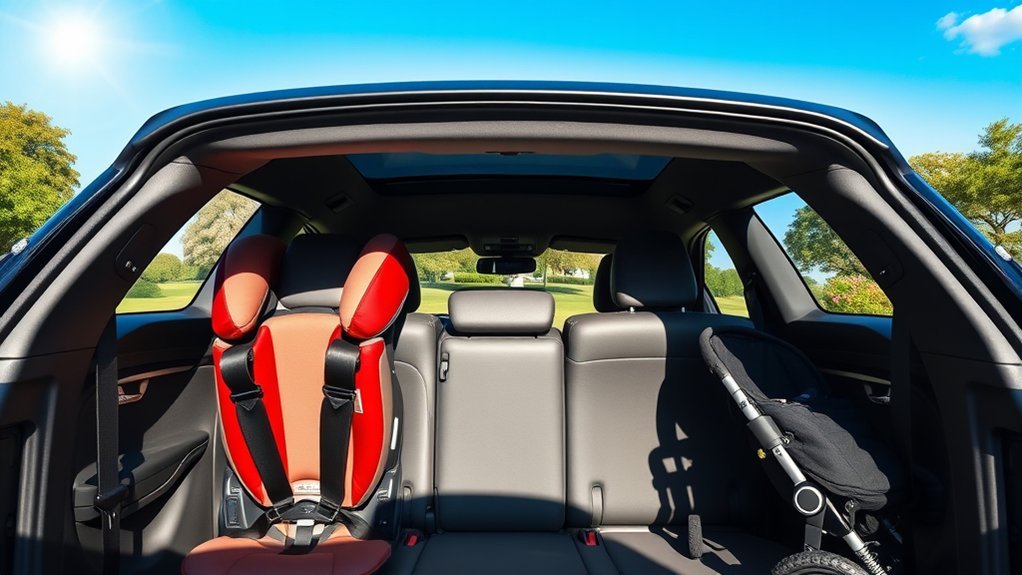
Choosing the best car for baby seats in the UK starts with more than finding a spacious boot. You need a vehicle that fits your child’s car seat correctly, gives you enough room to secure your baby, and provides reliable crash protection. Wide rear doors, accessible ISOFIX points, and a comfortable driving position can make everyday family journeys much easier.
Quick Answer
The best UK car for a baby seat is one that accommodates your exact child restraint securely while leaving enough space for passengers and luggage. Consider family hatchbacks, estates, SUVs, and MPVs with accessible ISOFIX points. Check model-specific Euro NCAP child-occupant ratings, then test your chosen rear-facing seat in the vehicle before buying.
Key Takeaways
- Check the exact car model, model year, seating position, and child-seat compatibility before buying.
- Look for ISOFIX access, generous rear-facing space, wide doors, and a boot that fits your pushchair.
- Compare vehicle safety using model-specific Euro NCAP assessments rather than brand reputation alone.
- In the UK, children normally need an appropriate child restraint until they are 12 years old or 135 cm tall, whichever comes first.
- Never add an aftermarket infant cushion, harness accessory, or buckle modification unless the relevant manufacturer approves it for your exact restraint.
Important safety warning: Never install a rear-facing baby seat in front of an active frontal airbag. Follow both the vehicle and child-seat manuals. Extra cushions, head supports, and other accessories must not interfere with the approved child restraint or its harness.
Which Cars Work Well With Baby Seats in the UK?
There is no single vehicle that fits every baby seat perfectly. Compatibility depends on the restraint, base, vehicle model, seating position, and how much room the front passengers need.
The following vehicles are useful examples to investigate because Euro NCAP has published child-occupant and child-restraint installation assessments for them. These are examples, not a claim that every trim, model year, or car seat combination is compatible.
Škoda Octavia
The Octavia is worth investigating if you prefer a family hatchback or estate rather than a tall SUV. Its 2019 Euro NCAP assessment includes child-occupant protection and child-restraint installation information.
When viewing an Octavia, check rear-facing seat clearance with the front passenger seat adjusted normally. Also confirm that your pushchair fits through the boot opening without forcing it into position.
Kia Sportage
The Sportage is an SUV option for parents who prefer a higher seating position. Its 2022 Euro NCAP assessment documents child-occupant protection, ISOFIX provisions, and child-restraint installation checks.
Check the exact model and equipment when shopping. A higher ride height can make lifting a baby easier for some parents, but it may be less convenient for shorter caregivers.
Vauxhall Combo Life
The Combo Life is an MPV-style family vehicle worth considering when easy access and multiple child restraints matter. Euro NCAP’s Combo assessment includes information about child-restraint installation and seating-position equipment.
Check the exact passenger version, seating layout, and model year. Do not assume that every rear seating position has ISOFIX or that a particular restraint is approved for every row.
Note: Euro NCAP assessments apply to the vehicles and specifications identified in their reports. Test protocols also change over time, so ratings from different assessment years should not be treated as directly interchangeable.
How to Check a Family Car Before Buying
A car that looks spacious in a showroom may still be awkward with a large rear-facing seat. Take your actual child restraint and base to the viewing whenever possible.
At a Glance
| Time Required | Allow approximately 20–30 minutes for a practical vehicle and child-seat fit check. |
| Difficulty | Straightforward with the correct manuals; seek help from a trained child-seat fitter if uncertain. |
| Tools Needed | Your child seat, compatible base if applicable, vehicle handbook, child-seat manual, and pushchair. |
| Cost | A retailer or seller may allow a fit check before purchase. Confirm any fitting-service charges in advance. |
- Check compatibility: Consult the child-seat manufacturer’s approved vehicle list and your car’s handbook.
- Check the correct position: Identify permitted ISOFIX or seat-belt installation positions.
- Install the restraint: Follow the exact routing and installation method in the child-seat manual.
- Check the indicators: Confirm ISOFIX connectors, base attachment, and support-leg or top-tether status where applicable.
- Adjust the front seats: Make sure the driver and passenger can sit comfortably without breaching the child-seat manufacturer’s clearance requirements.
- Check daily access: Open the rear doors fully and practise placing and securing the baby.
- Test luggage space: Put the folded pushchair and everyday baby equipment in the boot.
- Repeat the test: If you use several vehicles, verify installation separately in each one.
Pro Tip: Test the rear-facing seat with your tallest regular front-seat occupant in their usual driving or passenger position. A car that fits the restraint only when the front seat is pushed unusually far forward may not be practical for your family.
Baby-Seat Products and Travel Accessories
The following products appeared in the original comparison. They include one infant car-seat listing and several convenience accessories. They are not vehicle recommendations, and accessories should not be treated as substitutes for an approved child restraint.
Affiliate disclosure: This article contains affiliate links. We may earn a commission from qualifying purchases at no additional cost to you. Product descriptions do not constitute independent crash-test certification.
For any item that touches the child, harness, buckle, or restraint shell, confirm approval with the child-seat manufacturer before use. Product materials and convenience features shown below reflect the supplied product descriptions unless otherwise identified.
| Infant Car Seat Insert and Head Support Pillow | 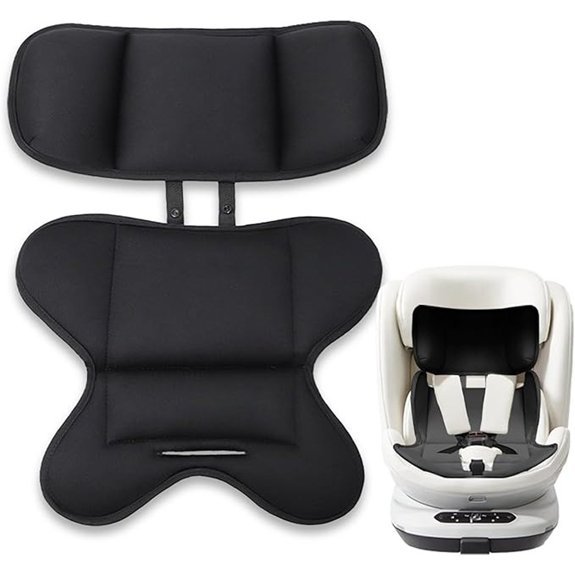 |
Approval Required | Compatibility: Advertised for Doona systems; confirm exact-model approval. | Material: Breathable fabric claimed. | Cleaning: Machine-washable claim. | VIEW LATEST PRICE | Read Our Analysis |
| Daddy’s Little Co-pilot On Board Car Sign |  |
Novelty Accessory | Compatibility: Suitable for an appropriate smooth mounting surface. | Material: UV-resistant printing claimed. | Cleaning: Repositionable design. | VIEW LATEST PRICE | Read Our Analysis |
| Maxi-Cosi CabrioFix i-Size Baby Car Seat Bundle | 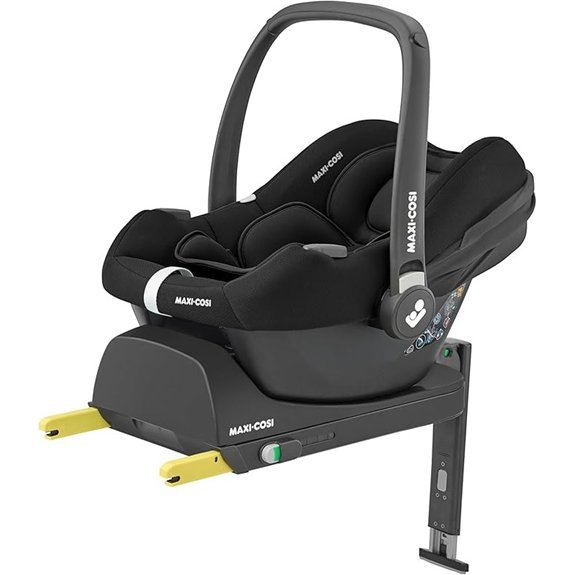 |
Approved Infant Seat | Compatibility: 40–75 cm; compatible base or approved belt installation. | Weight: 3.2 kg for the standalone seat. | Cleaning: Removable cover. | VIEW LATEST PRICE | Read Our Analysis |
| PUMA CabrioFix Baby Car Seat Cover (Fresh Grey) | 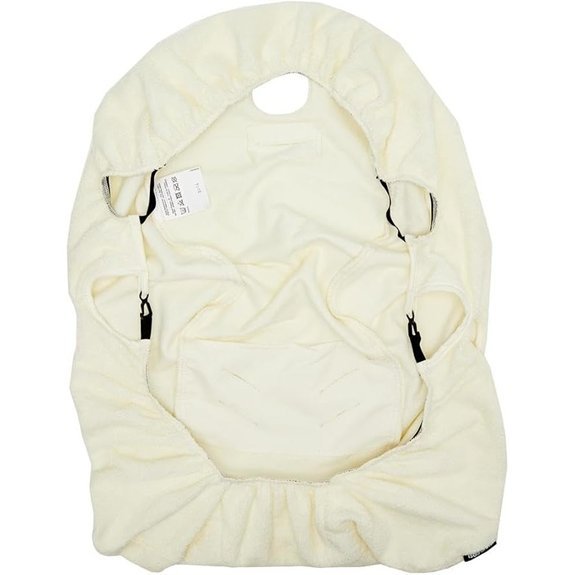 |
Cover Compatibility | Compatibility: Advertised for CabrioFix; verify the exact version. | Material: Cotton and terry cotton claimed. | Cleaning: Listing states 30°C machine wash. | VIEW LATEST PRICE | Read Our Analysis |
| 2Pcs Safety Belt Buckle Holder for Cars | 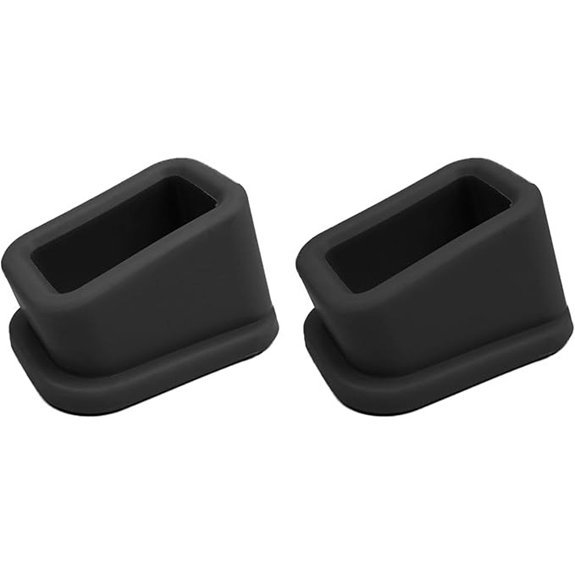 |
Compatibility Caution | Compatibility: Must not affect restraint installation. | Material: Silicone-plastic construction claimed. | Cleaning: Wipe-clean design. | VIEW LATEST PRICE | Read Our Analysis |
| Clippasafe Infant Car Seat Rain Cover | 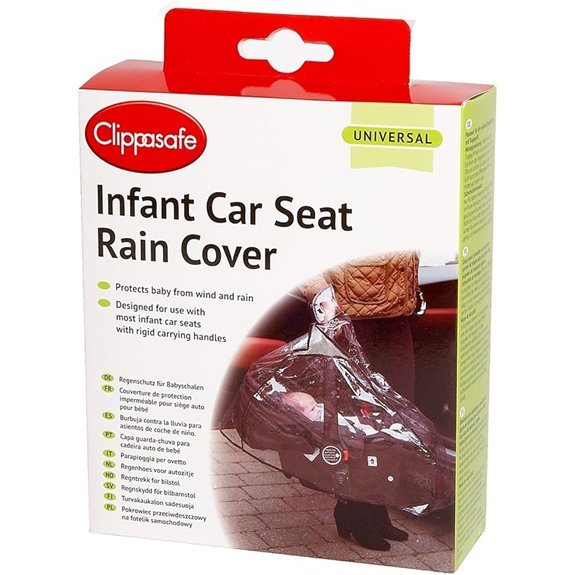 |
Outdoor Rain Protection | Compatibility: Check the carrier’s handle and canopy design. | Material: Polyester claimed. | Cleaning: Follow the care label. | VIEW LATEST PRICE | Read Our Analysis |
| HitTopss Infant Car Seat Insert and Support Cushion | 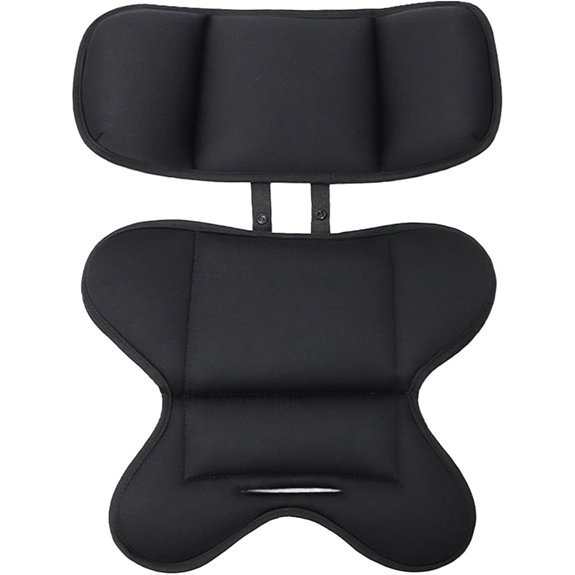 |
Approval Required | Compatibility: Exact-model manufacturer approval required. | Material: Soft mesh claimed. | Cleaning: Check the care instructions. | VIEW LATEST PRICE | Read Our Analysis |
| Reer Car Back Seat Organiser with Tablet Compartment | 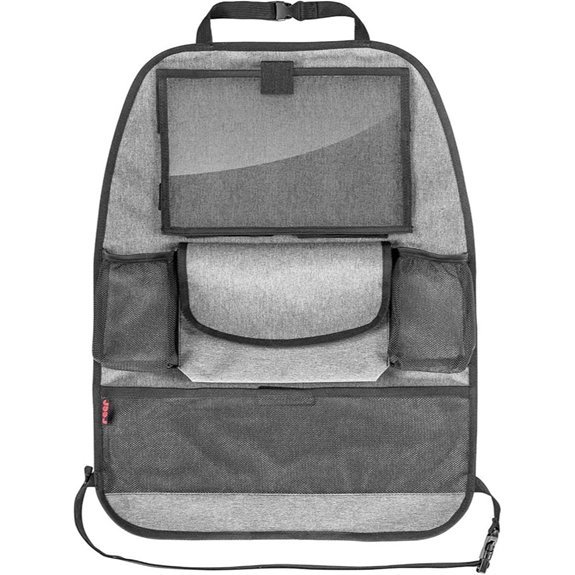 |
Storage Accessory | Compatibility: Check front-seat and airbag restrictions. | Material: Water-repellent polyester claimed. | Cleaning: Wipe-clean construction. | VIEW LATEST PRICE | Read Our Analysis |
| Baby Head Support Cushion for Car Seat | 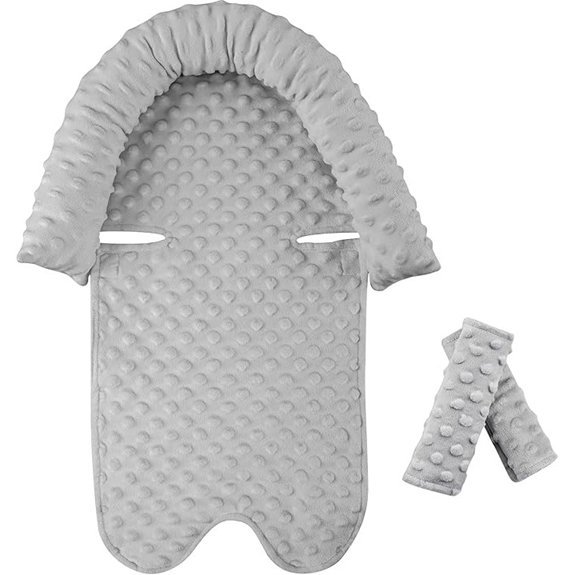 |
Approval Required | Compatibility: Do not assume universal harness compatibility. | Material: Minky fabric and cotton claimed. | Cleaning: Machine-washable claim. | VIEW LATEST PRICE | Read Our Analysis |
| Universal Baby Car Seat Rain Cover Accessory | 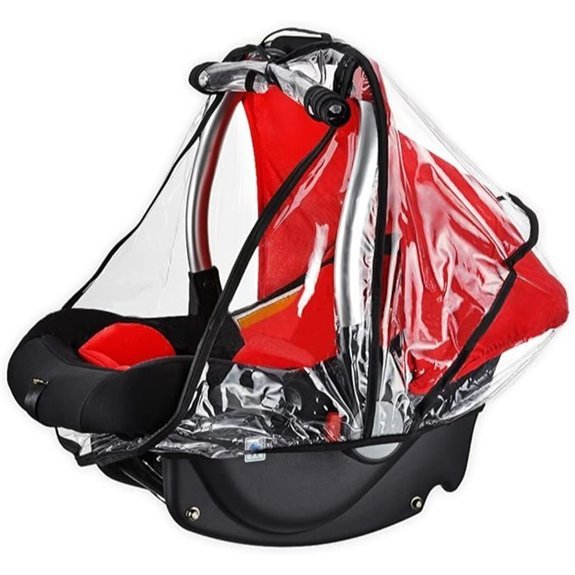 |
Outdoor Weather Cover | Compatibility: Check the exact infant carrier dimensions. | Material: EVA claimed. | Cleaning: Follow the product instructions. | VIEW LATEST PRICE | Read Our Analysis |
More Details on Our Top Picks
-
Infant Car Seat Insert and Head Support Pillow
This infant insert and head-support pillow is advertised for Doona car-seat stroller systems. Its listed features include breathable fabric, cushioning, adjustable elements, and machine-washable construction.
However, a soft insert is not automatically a safe addition to a child restraint. Extra padding can change how a baby sits and how the harness fits. Claims about preventing chin-to-chest positioning should not be treated as proven without appropriate evidence.
Before use: Confirm with Doona that the exact accessory is approved for your specific car-seat model. Use the original manufacturer-supplied newborn insert where required. Do not rely on a claimed CPC certification as evidence of UK child-restraint crash approval.
- Compatibility:Advertised for Doona systems; exact approval must be confirmed.
- Material:Breathable fabric claimed.
- Cleaning:Machine washable according to the supplied description.
- Comfort:Additional padding, subject to manufacturer approval.
- Portability:Removable accessory.
- Safety Certification:Independent approval with the complete restraint has not been established.
-
Daddy’s Little Co-pilot On Board Car Sign
This 14 cm by 14 cm baby-on-board sign is a decorative option for parents who enjoy a light-hearted design. The supplied description mentions a suction-cup mounting system and UV-resistant printing.
It can communicate that a child is travelling in the vehicle, but there is no verified evidence here that it prevents collisions or discourages tailgating.
Position the sign where it does not obstruct your view through the rear window. Check that it remains secure and remove it if it interferes with visibility.
- Compatibility:Appropriate smooth mounting surfaces.
- Material:UV-resistant printing claimed.
- Cleaning:Repositionable design.
- Comfort:Decorative family-themed message.
- Portability:Suction-cup attachment.
- Safety Certification:Novelty product; not a crash-protection device.
-
Maxi-Cosi CabrioFix i-Size Baby Car Seat Bundle
The Maxi-Cosi CabrioFix i-Size is a rear-facing infant restraint designed for babies measuring 40–75 cm and weighing up to 12 kg. Maxi-Cosi lists the standalone seat weight as 3.2 kg and describes it as suitable from birth to approximately 12 months, depending on the child’s growth.
Its features include a padded seat, newborn inlay, canopy, and three-point harness. The seat can be installed using an approved vehicle seat-belt method or a compatible ISOFIX base.
The dedicated CabrioFix i-Size base provides Click & Go attachment and installation indicators. However, the manufacturer lists the base separately from the standalone seat. Check the retailer’s bundle contents carefully before ordering.
Also verify vehicle compatibility, belt routing, and any base support-leg restrictions. You can check the manufacturer’s current specifications on the official CabrioFix i-Size product page.
- Compatibility:40–75 cm; maximum child weight 12 kg.
- Material:Padded restraint with a newborn inlay.
- Cleaning:Removable cover; follow the manufacturer instructions.
- Comfort:Newborn support and protective canopy.
- Portability:Standalone seat weight of 3.2 kg.
- Safety Certification:R129/i-Size compliant.
- Additional Feature:Compatible ISOFIX base available.
- Additional Feature:Approved vehicle seat-belt installation option.
- Additional Feature:Travel-system compatibility requires suitable adapters where applicable.
-
PUMA CabrioFix Baby Car Seat Cover (Fresh Grey)
This Fresh Grey cover is advertised for the Maxi-Cosi CabrioFix. The supplied description lists cotton and absorbent terry cotton construction, a weight of approximately 212 grams, and machine washing at 30°C.
A removable cover may help with cleaning and everyday comfort. However, a cover designed for an older CabrioFix variant is not automatically compatible with the CabrioFix i-Size.
Check the exact model name and manufacturer approval before fitting. The cover must not change harness routing, interfere with buckle operation, or add unapproved padding beneath the child.
- Compatibility:Advertised for CabrioFix; exact model must be confirmed.
- Material:Cotton and absorbent terry cotton claimed.
- Cleaning:Listing states machine washable at 30°C.
- Comfort:Soft fabric construction.
- Portability:Removable cover.
- Safety Certification:Approval for the exact child restraint must be confirmed.
-
2Pcs Safety Belt Buckle Holder for Cars
These two buckle holders are advertised as a way to keep flexible seat-belt buckles upright. Their stated silicone-plastic construction may make them convenient for certain everyday seat-belt arrangements.
However, the position of a seat-belt buckle can be safety-critical when installing a child restraint. A holder must not change buckle alignment, prevent proper engagement, or create buckle contact with the child-seat frame.
Do not use these holders as a workaround for an incompatible child-seat installation. Consult the vehicle and restraint manufacturers if the buckle location creates a fitting problem.
A RoHS claim concerns restricted substances; it is not evidence that this accessory has passed child-restraint crash testing.
- Compatibility:Vehicle and restraint approval must be confirmed.
- Material:Silicone-plastic construction claimed.
- Cleaning:Wipe-clean design.
- Comfort:May improve access where permitted.
- Portability:Two lightweight holders.
- Safety Certification:RoHS does not establish crashworthiness.
-
Clippasafe Infant Car Seat Rain Cover
The Clippasafe infant rain cover is designed for suitable infant carriers with rigid carrying handles. Its supplied description mentions polyester construction, mesh ventilation, and a flap for access.
It may be useful when transferring your baby between the car and another sheltered location during wet weather.
Check fit and ventilation carefully. Never allow the cover to block your baby’s face or breathing space, and do not leave a covered infant carrier in direct sun or a warm environment. Remove the weather cover before using the restraint in the vehicle unless the restraint manufacturer expressly permits otherwise.
- Compatibility:Suitable infant carriers with rigid handles.
- Material:Polyester claimed.
- Cleaning:Follow the care instructions.
- Comfort:Temporary outdoor rain and wind protection.
- Portability:Foldable accessory.
- Safety Certification:Not a substitute for an approved child restraint.
- Additional Feature:Ventilation panels.
- Additional Feature:Access flap.
-
HitTopss Infant Car Seat Insert and Support Cushion
The HitTopss insert is marketed as a padded support cushion with breathable mesh, adjustable elements, and a detachable headrest. Its description suggests use across several baby products.
That broad marketing claim does not establish safe compatibility with individual child restraints. The original description’s advanced side-impact protection claim is not supported by verified crash-test information.
Do not use this product inside an occupied vehicle restraint unless the restraint manufacturer expressly approves it for the exact model. A child restraint’s original padding and harness configuration should not be altered without approval.
- Compatibility:Exact child-seat approval required.
- Material:Soft breathable mesh claimed.
- Cleaning:Follow the supplied care instructions.
- Comfort:Additional cushioning subject to approval.
- Portability:Adjustable removable accessory.
- Safety Certification:Independent side-impact protection has not been established.
-
Reer Car Back Seat Organiser with Tablet Compartment
The Reer back-seat organiser offers four storage pockets and a tablet compartment advertised for devices up to 12.5 inches. Its supplied description mentions a touch-sensitive viewing window and water-repellent polyester.
It can provide convenient storage for light travel items and help protect the front-seat backrest from dirt.
Before fitting it, check your vehicle handbook for restrictions involving seat-mounted side airbags, seat movement, and rear-seat equipment. Secure the organiser according to its instructions and keep heavy objects out of elevated pockets.
For newborns, focus on safe positioning and comfortable travel rather than screen entertainment.
- Compatibility:Check vehicle seat and airbag restrictions.
- Material:Water-repellent polyester claimed.
- Cleaning:Wipe-clean design.
- Comfort:Organised storage for family journeys.
- Portability:Removable attachment.
- Safety Certification:Not a child-restraint safety device.
- Additional Feature:Four storage pockets.
- Additional Feature:Tablet compartment.
-
Baby Head Support Cushion for Car Seat
This baby head-support cushion is advertised with Minky fabric, breathable cotton, an extended body section, and additional strap covers. The supplied description also claims compatibility with three-point and five-point harnesses.
Harness configuration alone does not prove compatibility. Unapproved strap covers and cushions may change the fit of the restraint or introduce additional material around the child’s head and neck.
Use only components permitted by the child-seat manufacturer. If your baby’s head repeatedly falls forward, stop in a safe place and check the seat angle, original newborn insert, harness adjustment, and installation instructions. Seek specialist advice if the problem continues.
- Compatibility:Exact restraint approval required.
- Material:Minky fabric and cotton claimed.
- Cleaning:Machine-washable claim.
- Comfort:Soft additional cushioning subject to approval.
- Portability:Removable accessory.
- Safety Certification:No independent crash-protection evidence established.
-
Universal Baby Car Seat Rain Cover Accessory
This rain cover is marketed for several infant-carrier brands, including Maxi-Cosi and Cybex. Its supplied description mentions EVA material, a transparent design, ventilation openings, a waterproof zipper, and compact storage.
Despite the universal-fit description, check the precise infant carrier model and the cover’s dimensions before use.
Use it only as permitted by the relevant manufacturer. Keep ventilation openings clear, monitor your baby, and remove the cover when it is no longer needed. A weather cover must never create an enclosed, overheated environment around your child.
- Compatibility:Check exact carrier dimensions and approval.
- Material:EVA construction claimed.
- Cleaning:Follow product instructions.
- Comfort:Temporary outdoor weather protection.
- Portability:Foldable design.
- Safety Certification:Waterproofing is not crash-safety certification.
- Additional Feature:Transparent viewing area.
- Additional Feature:Zippered access.
Factors to Consider When Choosing Cars for Baby Seats UK
When comparing cars for baby seats, focus on practical compatibility rather than exterior size alone. A compact family car with a suitable rear bench may accommodate your chosen restraint more conveniently than a larger vehicle with awkward seat contours.
Safety Ratings and Standards
Start with the Euro NCAP safety assessment for the exact car model and assessment year.
Look at the overall rating, Child Occupant score, child-restraint installation information, and available safety equipment. A vehicle’s crash-test rating does not mean that every child seat fits every position.
For the child restraint itself, check its approval label. In the UK, approved height-based seats carry an R129 marking, while approved weight-based seats carry an ECE R44 marking.
Under R129 rules, children must remain rear-facing until they are over 15 months old. Continuing rear-facing travel beyond that point is sensible while the child remains within the approved seat’s limits.
Read the official GOV.UK child car-seat guidance for the applicable legal requirements.
Space for Car Seats
Rear-facing restraints can take up considerable space behind the front seats. Measure and test the actual seat rather than relying only on published vehicle dimensions.
- Rear-seat depth: Check whether the base and restraint sit correctly on the vehicle seat.
- Front-seat clearance: Make sure the front passenger has enough legroom without forcing the child seat into an unsuitable position.
- Rear-seat width: Check whether other passengers or child restraints can fit safely alongside it.
- Roof height: Ensure there is enough room to lift your baby into the restraint comfortably.
- Seat-belt geometry: Confirm that the belt reaches the required routing points and the buckle does not create an installation problem.
- ISOFIX locations: Check which seating positions have approved anchorages.
If you need three child restraints, do not assume they will fit simply because the vehicle has three rear seat belts. Test the exact combination and check each restraint manufacturer’s instructions.
Accessibility and Convenience Features
Wide rear-door openings can make it easier to lift a baby into a rear-facing seat. Sliding doors on some MPVs may also help in tight parking spaces.
Consider how the door sill, roofline, and seat height affect your everyday routine. A higher seat may reduce bending for some caregivers, while a lower vehicle can make lifting a heavy infant carrier easier for others.
Look for enough boot space for your folded pushchair, changing bag, and shopping. Check the boot opening, not just the quoted luggage capacity.
Rear parking sensors and cameras can help with manoeuvring, but they do not replace direct observation or make an incorrectly installed child restraint safe.
Compatibility With Accessories
Compatibility should begin with the approved child restraint, not optional cushions or decorative products.
Check whether the restraint is approved for the vehicle’s designated ISOFIX position or the specific seat-belt installation method. For an ISOFIX base, also check any support-leg, top-tether, and floor restrictions.
Some vehicles have underfloor storage compartments. A support leg may not be permitted to rest on a storage-compartment lid unless the relevant manufacturers approve that arrangement.
The RoSPA child car-seat guidance identifies vehicle compatibility and underfloor storage as important checks.
Convenience accessories such as rain covers and organisers should be assessed separately. Avoid modifications to the restraint, harness, buckle, or vehicle seat-belt system.
Ease of Installation
A child seat must be installed according to its own instructions and the vehicle handbook.
ISOFIX can make installation more straightforward by attaching compatible restraints to dedicated vehicle anchorages. However, ISOFIX is not automatically suitable for every restraint or seating position.
Some approved R129 infant seats can also be installed using a vehicle seat belt. The CabrioFix i-Size is one example, provided the manufacturer-approved installation method is followed.
Where the seat or base has installation indicators, check them each time you fit it. Confirm that the support leg or top tether is installed correctly when required.
Never improvise with additional straps, buckle holders, or padding to correct an incompatible installation.
UK Child Car-Seat Rules Parents Should Know
Under UK rules, children normally need an appropriate child restraint until they reach their 12th birthday or become 135 cm tall, whichever happens first. Children above that threshold must use the vehicle’s seat belt.
The appropriate restraint depends on the child’s height or weight and the seat’s approved limits.
- R129: Height-based approval, with rear-facing travel required until the child is over 15 months old.
- ECE R44: Older weight-based approval; existing approved seats can still be used when suitable and in safe condition.
- Front airbags: A rear-facing restraint must never be positioned in front of an active frontal airbag.
- Seat-belt installation: Follow the approved belt route and the vehicle’s permitted seating positions.
- ISOFIX installation: Use only the anchorages and additional restraint components approved for the specific seat.
Although the law permits forward-facing travel after the relevant minimum requirements are met, the age threshold is not a reason to turn a child around immediately. Continue using an appropriate rear-facing seat within its approved limits.
Travelling Safely With a Baby
A suitable vehicle and correctly installed restraint are essential, but your baby’s position and comfort also matter.
Check Head and Neck Position
Follow the manufacturer’s approved newborn-insert and recline instructions. If your baby’s head falls forward, stop the vehicle safely and check the installation and positioning.
Do not attempt to solve persistent slumping by adding an unapproved pillow or head strap.
Plan Breaks on Longer Journeys
Young babies should not remain in a car seat for long uninterrupted periods. NHS guidance recommends regular breaks and advises that babies should not remain in a car seat for more than two hours at a time.
Very young or premature babies may need additional precautions. Ask your healthcare professional for advice where appropriate.
When you reach your destination, move a sleeping baby from the car seat to an appropriate flat, firm sleep surface.
Prevent Overheating
Avoid bulky clothing under the harness, and keep your baby’s face and airways clear. Use the child’s approved restraint and suitable clothing or blankets without interfering with the harness.
Remove unnecessary weather covers in warm conditions. Never leave a baby unattended in a parked vehicle.
Further guidance is available from the NHS information on keeping sleeping babies safe.
Buying a Used Family Car for Baby Seats
A used car can be practical for a growing family, but check the exact model year and equipment rather than assuming it matches a newer vehicle.
- Inspect the rear seat belts, buckles, and ISOFIX points for visible damage.
- Confirm the vehicle’s actual seating layout and permitted child-restraint positions.
- Check the handbook for support-leg and underfloor-storage restrictions.
- Look for unresolved safety recalls and obtain the vehicle’s service history.
- Test your actual child restraint and pushchair before purchase.
- Confirm that the front passenger airbag status and any deactivation system operate as described in the handbook.
If buying a second-hand child restraint separately, remember that crash damage may not be visible. RoSPA advises avoiding second-hand protective equipment unless its history is known and reliable.
Final Family-Car Purchase Checklist
Before agreeing to buy, confirm the following:
- The child restraint is approved for your child’s current height or weight.
- The restraint is compatible with the exact vehicle and intended seating position.
- ISOFIX or seat-belt installation works correctly.
- The front seats remain comfortable for regular occupants.
- The rear doors allow safe and practical access.
- The pushchair and everyday luggage fit in the boot.
- The vehicle’s model-specific safety assessment meets your requirements.
- The child restraint can be fitted correctly without unapproved accessories or modifications.
If one of these checks fails, investigate another approved restraint, seating position, or vehicle rather than improvising an installation.
Frequently Asked Questions
What Are the Best Car Brands for Safety Ratings in 2026?
Compare specific models rather than assuming every vehicle from one manufacturer has the same safety performance. Use the relevant Euro NCAP assessment and examine child-occupant protection, installation results, equipment, and the year of testing.
How Do I Secure a Baby Seat in Different Car Models?
Check both manuals and the restraint manufacturer’s compatibility information. Use the approved ISOFIX or seat-belt method, follow the required routing, and check installation indicators and support-leg or top-tether positioning where applicable. Seek a trained fitting check if uncertain.
What Is the Average Lifespan of a Baby Car Seat?
There is no single universal service life for every child restraint. Follow the manufacturer’s instructions, age limits, condition checks, and replacement guidance. A restraint involved in a crash may require replacement even when visible damage is absent.
Are There Specific Cars That Accommodate Larger Baby Seats?
Family estates, SUVs, and MPVs are useful categories to investigate, but vehicle size alone does not guarantee compatibility. Test your exact rear-facing restraint with the front passenger seat adjusted normally and check the manufacturer-approved fitting position.
How Important Is Rear-View Visibility With Baby Seats Installed?
Clear visibility matters for safe driving. Check whether the restraint or accessories obstruct your view and use the vehicle’s mirrors and parking aids appropriately. Never turn around to adjust or monitor a child while driving; stop safely first.
Does Every UK Car With ISOFIX Accept Every ISOFIX Baby Seat?
No. Check the exact child restraint, vehicle model, seating position, and any base support-leg or top-tether requirements. Follow the manufacturer’s approved compatibility information.
Can I Fit Three Child Seats Across the Rear Bench?
Only if the vehicle permits the arrangement and all three restraints fit and install correctly. Check each seating position, buckle access, restraint width, and manufacturer approval. Do not assume that three rear seat belts mean three child restraints will fit.
Are Universal Baby Head Supports Safe in Car Seats?
Do not assume a universal accessory is safe. Use an additional insert, head support, or harness accessory only when the child-seat manufacturer expressly approves it for the exact model. Unapproved additions may alter the child’s position or restraint fit.
Conclusion
The right family car should make your daily routine easier without compromising your child’s restraint installation. Start with model-specific crash-safety information, then check rear-seat space, ISOFIX or approved seat-belt compatibility, door access, and practical boot capacity.
Bring your actual baby seat and pushchair to the vehicle viewing whenever possible. A successful fit test gives you more useful information than exterior dimensions or brand reputation alone.
Keep convenience accessories separate from essential safety equipment. When the car, restraint, and installation method are all compatible, you can travel with greater confidence and focus on enjoying the journey with your family.
Sources
- GOV.UK — Child Car Seats: The Law — UK restraint requirements, approval labels, rear-facing rules, and installation restrictions.
- Euro NCAP — Latest Safety Ratings — model-specific crash-test assessments and child-occupant protection.
- RoSPA — Child Car Seat Safety — selection, compatibility, and practical fitting guidance.
- Maxi-Cosi — CabrioFix i-Size — official infant-seat specifications, installation options, and compatibility information.
- Competition and Consumer Protection Commission — Car Seat Head-Strap Safety Warning — February 2026 guidance on unapproved child-seat accessories.
- NHS — Keeping Your Sleeping Baby Safe — infant positioning, car-seat travel, breaks, and safe sleep.






Leave a Reply