For your 2026 UK car camping adventures, the right vehicle should give you enough space to sleep, carry your equipment, and travel comfortably. Estates, MPVs, SUVs, and camper-style vehicles can all work well. You don’t necessarily need a large 4WD, especially if you plan to stay at established campsites. Start by checking the usable interior dimensions, seat layout, running costs, and compatibility with your preferred camping equipment.
Quick Answer
The best cars for car camping in the UK include spacious estates, flexible MPVs, and SUVs with folding rear seats. Consider vehicles such as the Skoda Superb Estate, Ford Tourneo Connect, and Subaru Forester. Choose according to your sleeping space, luggage needs, campsite access, and budget rather than vehicle size alone.
Key Takeaways
- Measure the actual sleeping area with the rear seats folded before choosing a vehicle.
- Estates and MPVs can provide useful camping space without the running costs of a large 4WD.
- AWD or 4WD is useful for some slippery access tracks but is unnecessary for most established campsites.
- Check roof-load limits and mounting requirements before buying a rooftop tent.
- Vehicle-attached tents, coolers, and power equipment can improve comfort, but each accessory needs a compatibility and safety check.
- Always confirm that overnight parking or camping is permitted at your chosen location.
Best Types of Cars for Car Camping in the UK
Different vehicles suit different camping styles. A couple sleeping inside the car needs a different layout from a family using a separate tent. Similarly, someone visiting surfaced campsites has different requirements from a driver using permitted rough-access routes.
The following UK-market vehicles illustrate the main options. They are practical examples rather than an independently tested ranking, and specifications vary by model year and trim.
| Vehicle | Camping Advantage | Important Consideration |
|---|---|---|
| Skoda Superb Estate | Long luggage area and practical estate-car layout. | Measure the folded-seat surface and check the exact variant. |
| Ford Tourneo Connect | Flexible seating and useful interior height. | Check seat-removal arrangements and available storage space. |
| Dacia Jogger | Versatile family seating and luggage configurations. | The amount of usable luggage space depends heavily on the seating arrangement. |
| Subaru Forester | Permanent AWD and useful ground clearance. | Check sleeping length, fuel consumption, and tyre suitability. |
| Volkswagen ID. Buzz | Spacious electric vehicle with flexible seating options. | Plan charging stops and check the chosen configuration. |
Estate Cars for Camping
Estate cars can offer a long luggage compartment while remaining convenient for everyday driving. They are worth considering if you normally travel alone or as a couple.
The Skoda Superb Estate is a useful example. Skoda lists a 690-litre boot and up to 1,920 litres with the rear seats folded for the standard estate configuration. The plug-in hybrid version has different luggage figures, so check the exact variant before comparing vehicles.
See the official Skoda boot-space information for current specifications.
Remember that luggage capacity does not tell you whether a mattress will fit. Measure the usable floor length and width separately.
MPVs and Flexible Family Vehicles
MPVs are practical when you want space for passengers during the journey and a larger sleeping or storage area at the campsite.
The Ford Tourneo Connect offers five- and seven-seat configurations. Ford also describes folding, tumbling, and removable rear-seat arrangements, making the vehicle worth examining for a removable camping setup.
Check the Ford Tourneo Connect specifications for the current seating and load-space arrangements.
The Dacia Jogger offers another family-oriented option. Its usable cargo space changes substantially depending on whether the second and third seating rows remain in place.
SUVs and AWD Vehicles
An SUV may suit your plans if you want a higher driving position, useful ground clearance, or access to approved gravel tracks.
The Subaru Forester is an example of an SUV with permanent Symmetrical All-Wheel Drive and X-MODE. Subaru’s UK specifications describe these systems alongside its driver-assistance equipment.
See the official Subaru Forester information.
However, AWD does not automatically make a vehicle suitable for every off-road route. Tyres, ground clearance, weather, driver experience, and access restrictions still matter.
Electric Cars for Camping
Electric vehicles can also work for car camping. Models with flexible interiors may provide generous storage and comfortable sleeping arrangements.
The Volkswagen ID. Buzz is one example. Volkswagen publishes separate dimensional information for its standard- and long-wheelbase versions.
See the official ID. Buzz technical specifications.
Before travelling, identify public charging locations near your route and campsite. Check the vehicle’s available battery range with passengers, luggage, and other accessories included.
Do not assume that a vehicle can power camping appliances simply because it has a large traction battery. External power functions depend on the model and its approved equipment.
How to Choose a Car for Camping
The easiest way to avoid buying an unsuitable car is to measure your intended camping layout before committing to the vehicle.
At a Glance
| Time Required | Allow around 30–60 minutes to assess a vehicle and test your intended layout. |
| Difficulty | Easy for basic measurements; accessory fitting may need specialist assistance. |
| Tools Needed | Tape measure, vehicle handbook, equipment measurements, and a written packing list. |
| Cost | No purchase required for the initial assessment. Vehicle and accessory costs depend on your chosen setup. |
Measure Your Sleeping Area
Fold the rear seats into their normal camping position and measure:
- The usable length from the rear door to the forward edge of the sleeping area.
- The narrowest width, including the space between wheel arches.
- The available headroom above your mattress.
- Any change in floor height between the luggage compartment and folded seats.
- The space needed to open doors and reach essential equipment.
For two people, test the intended mattress width against the vehicle’s actual dimensions. Do not rely on a manufacturer’s boot-capacity figure alone.
Pro Tip: Before buying a car or camping mattress, make a cardboard outline of the sleeping area. This helps reveal wheel-arch restrictions, uneven seat sections, and awkward gaps that are easy to miss during a quick inspection.
Check Seat Layout and Storage
Foldable or removable seats can create useful extra space, but some vehicles leave an uneven surface or a gap behind the front seats.
A removable camping platform may solve this problem, provided it does not obstruct safety equipment or create an unsecured load.
Keep heavy equipment low in the vehicle and secure everything before driving. Avoid loose storage boxes that could move during sudden braking.
Check Roof and Tent Compatibility
A rooftop tent requires more than roof rails. You need a compatible mounting system and adequate load capacity.
Check the vehicle’s dynamic roof-load limit, the roof-bar or rack rating, the tent weight, and the manufacturer’s static-load requirements.
The total roof load while driving includes the tent, roof bars, mounting hardware, and any permitted accessories left inside the tent.
Thule’s rooftop-tent compatibility guidance explains why roof construction and mounting systems matter.
Also check for restrictions involving panoramic glass roofs and unsupported roof rails.
Test the Vehicle Before Buying
Before making a purchase, check the following:
- Confirm that your mattress fits the available interior space.
- Test the folding or removal of the rear seats.
- Check the vehicle’s permitted payload and roof-load limits.
- Measure the packed camping equipment against the remaining luggage space.
- Confirm that the boot or tailgate tent fits the vehicle’s shape.
- Check the condition of the tyres, brakes, battery, and heating system.
- Review running costs, insurance, and servicing requirements.
- Confirm that the intended campsite accepts your chosen vehicle and tent arrangement.
Car Camping Accessories: Our Top Picks
Once you’ve chosen a suitable vehicle, accessories can make your camping setup more comfortable. The original product options below include tailgate shelters, a compact heating/cooling unit, and a high-output inverter.
Affiliate disclosure: This section contains Amazon affiliate links. We may earn a commission from qualifying purchases at no additional cost to you. Product suitability, specifications, availability, and seller terms should be checked on the relevant product listing before purchase.
| KAMPKEEPER SUV Car Tent for Camping and Travel | 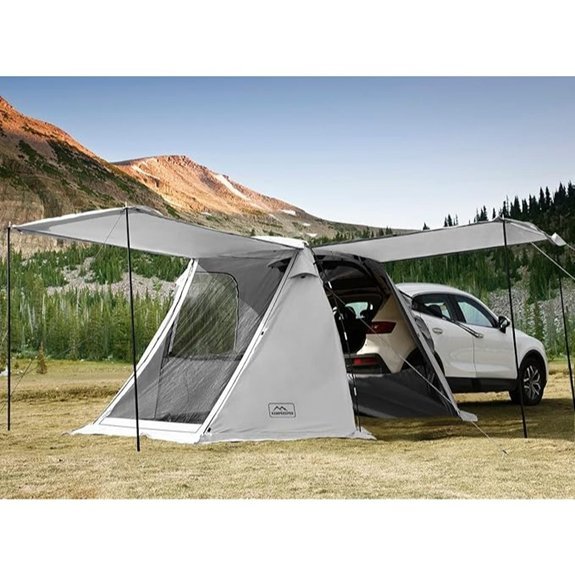 |
Compact Vehicle Shelter | Type: Vehicle Camping Tent | Setup: Pole-supported attachment | Capacity: Check usable shelter dimensions | VIEW PRODUCT DETAILS | Read Our Analysis |
| Shelter with Sides Car Tent for Van Camping | 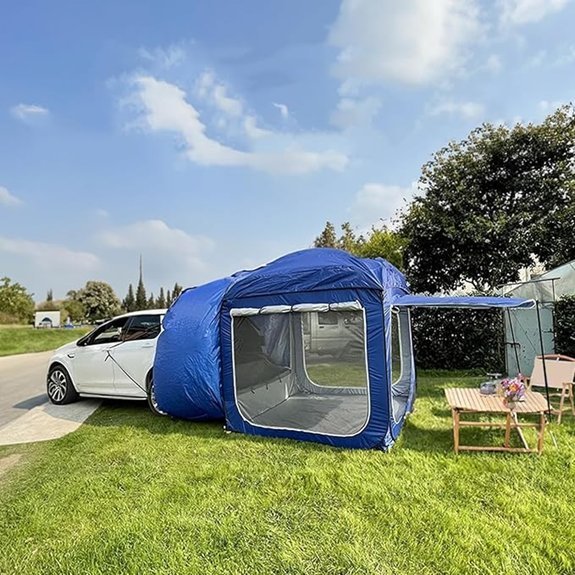 |
Enclosed Tailgate Shelter | Type: Tailgate Tent for Vehicles | Setup: Check attachment method | Capacity: Verify sleeping and daytime ratings separately | VIEW PRODUCT DETAILS | Read Our Analysis |
| CF-122 6L Portable Mini Car Freezer Cooler | 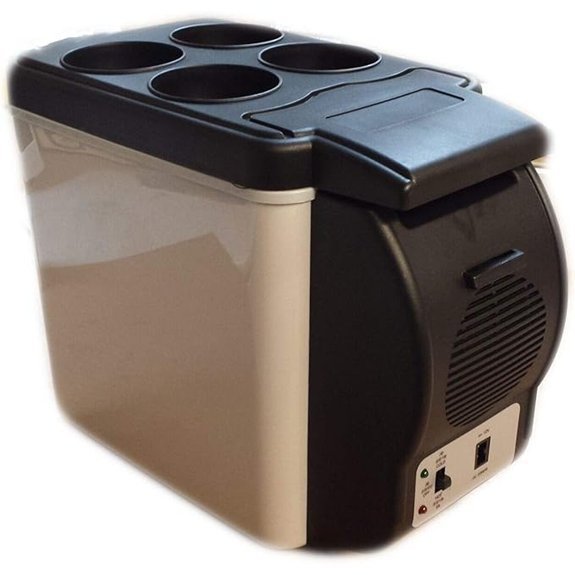 |
Compact Heating/Cooling Unit | Type: Portable Car Cooler | Setup: Freestanding | Capacity: Advertised 6L capacity | VIEW PRODUCT DETAILS | Read Our Analysis |
| Tailgate Awning Tent for Cars and SUVs | 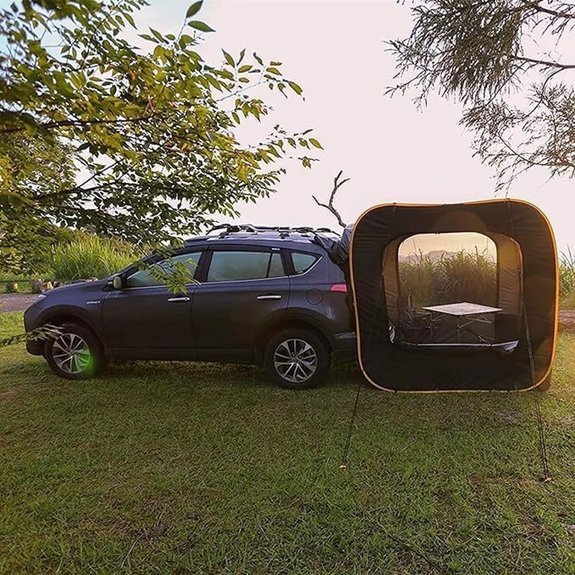 |
Additional Tailgate Space | Type: Tailgate Awning Car Boot Tent | Setup: Vehicle attachment required | Capacity: Check actual floor dimensions | VIEW PRODUCT DETAILS | Read Our Analysis |
| Car Tent Awning for Vehicle Tailgate Camping | 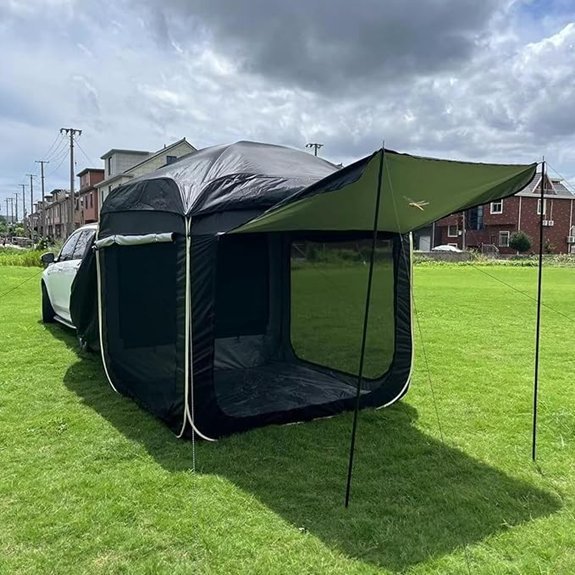 |
Vehicle-Attached Awning | Type: Tailgate Tent | Setup: Check supplied fittings | Capacity: Seller specification should be confirmed | VIEW PRODUCT DETAILS | Read Our Analysis |
| Lightweight Tailgate Tent for Vehicles and Camping | 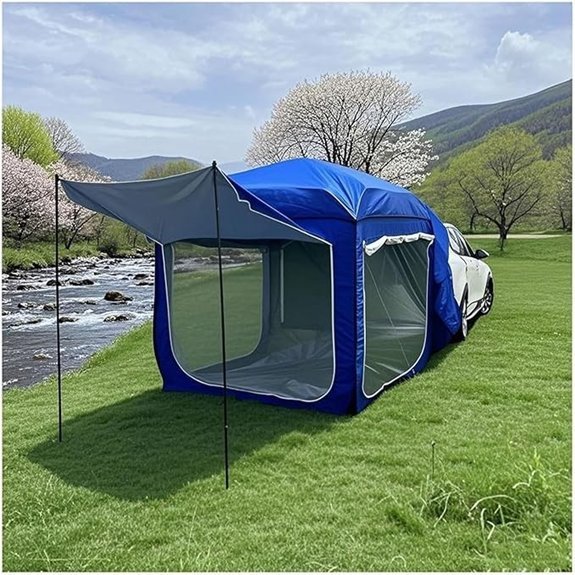 |
Portable Tailgate Shelter | Type: Tailgate Awning Car Boot Tent | Setup: Check assembly instructions | Capacity: Confirm dimensions and packed weight | VIEW PRODUCT DETAILS | Read Our Analysis |
| 3000W Car Power Inverter with LCD Display | 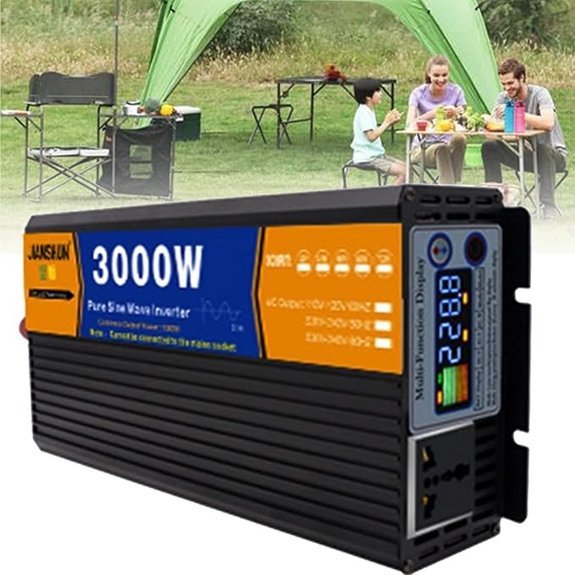 |
High-Output Power Equipment | Type: Power Inverter | Setup: Manufacturer-approved installation required | Capacity: Verify continuous and peak ratings | VIEW PRODUCT DETAILS | Read Our Analysis |
More Details on Our Top Picks
-
KAMPKEEPER SUV Car Tent for Camping and Travel
The KAMPKEEPER SUV Car Tent is designed to extend the sheltered area beside or behind a compatible vehicle. The supplied description advertises a shade area of more than 110 square feet, mesh ventilation, and a relatively simple pole-supported setup.
This arrangement may be useful when you want somewhere to place camping chairs, organise equipment, or shelter from light rain. The advertised setup time is around 10 minutes, but actual assembly depends on the user, weather, and vehicle.
Before purchasing, check the attachment dimensions, vehicle compatibility, included components, waterproof rating, and pegging requirements. A vehicle-attached shelter also needs adequate clearance around the tailgate and exhaust.
- Type: Vehicle Camping Tent
- Setup: Pole-supported installation
- Capacity: Advertised shade area; check actual dimensions
- Material: Polyester listed in supplied specifications
- Use Cases: Outdoor camping and sheltered seating
- Return Policy: Check current seller terms
- Additional Feature: Advertised approximately 10-minute setup
- Additional Feature: Check waterproof and UV-protection specifications
- Additional Feature: Confirm suitability for expected weather conditions
-
Shelter with Sides Car Tent for Van Camping
The Shelter with Sides Car Tent offers an enclosed extension for compatible vehicles. Its described double-layer design, detachable rainfly, and mesh openings may help create a more comfortable area for sitting or storing camping equipment.
The original listing description advertises capacity for five to eight adults. Treat this as a seller-stated figure rather than a verified sleeping capacity. Actual suitability depends on the usable floor area, headroom, furniture, and intended use.
The folding design and carry bag may make transport easier, but confirm the packed dimensions and weight. Also check how the tent attaches to your particular tailgate or rear door.
- Type: Tailgate Tent for Vehicles
- Setup: Advertised folding assembly system
- Capacity: Confirm usable floor area and sleeping rating
- Material: Listed as 190T polyester and 210D Oxford fabric
- Use Cases: Camping and vehicle-based travel
- Return Policy: Check current seller terms
- Additional Feature: Advertised quick-assembly design
- Additional Feature: Double-layer construction
- Additional Feature: Listed protective PVC cover
-
CF-122 6L Portable Mini Car Freezer Cooler
The CF-122 6L Portable Mini Car Freezer Cooler is described as a compact unit with heating and cooling functions. Its advertised 6-litre capacity makes it more suitable for a limited selection of drinks or small items than for storing a family’s food supply.
The supplied description includes a 12V vehicle power connection, a magnetic clip base, and four drink holders. Check the exact power consumption and whether the unit continues operating when your vehicle is switched off.
Important: A heating/cooling function does not establish that a product can freeze food or maintain a safe refrigeration temperature. Check the manufacturer’s stated operating temperatures before relying on it for perishable food or temperature-sensitive items.
For extended camping trips, a properly rated compressor fridge and suitable power supply may be more appropriate.
- Type: Portable Heating/Cooling Unit
- Setup: Freestanding
- Capacity: Advertised 6L
- Material: Plastic housing
- Use Cases: Drinks and selected travel items
- Return Policy: Check current seller terms
- Additional Feature: Advertised heating and cooling modes
- Additional Feature: Compact internal capacity
- Additional Feature: Magnetic clip-base design
-
Tailgate Awning Tent for Cars and SUVs
This Tailgate Awning Tent is intended to create additional sheltered space next to a compatible car or SUV. The supplied description advertises dimensions of approximately 200 × 200 × 200 cm, along with a rainfly and mesh openings.
That footprint may provide useful daytime space for relaxing, changing, or keeping equipment protected. However, the advertised capacity of five to eight adults should not be interpreted as a verified sleeping capacity.
Check the size of your tailgate, the attachment method, the actual groundsheet dimensions, and the available campsite pitch area. Make sure the shelter can be secured properly in the expected wind conditions.
- Type: Tailgate Awning Car Boot Tent
- Setup: Vehicle attachment required
- Capacity: Check usable floor dimensions
- Material: Listed as 190T polyester and 210D Oxford fabric
- Use Cases: Camping and outdoor activities
- Return Policy: Check current seller terms
- Additional Feature: Extended canopy arrangement
- Additional Feature: Listed protective PVC cover
- Additional Feature: Folding storage design
-
Car Tent Awning for Vehicle Tailgate Camping
The Car Tent Awning for Vehicle Tailgate Camping is designed to extend the usable area around a compatible vehicle. Its supplied specifications describe a roughly 200 × 200 × 200 cm structure with a detachable rainfly, mesh openings, and folding storage.
This type of shelter can be helpful when your car is used primarily for sleeping and you want a separate area for organising equipment or sitting outside.
Before choosing it, compare the price, supplied poles, attachment hardware, packed size, waterproof specification, and warranty terms against similar products.
Do not assume that a vehicle-attached awning is suitable for strong winds or that its advertised daytime capacity equals its sleeping capacity.
- Type: Tailgate Tent for Vehicle Camping
- Setup: Check supplied attachment system
- Capacity: Confirm actual dimensions and intended occupancy
- Material: Listed as 190T polyester and 210D Oxford fabric
- Use Cases: Camping and outdoor activities
- Return Policy: Check current seller terms
- Additional Feature: Advertised insect-screen openings
- Additional Feature: Additional sheltered activity space
- Additional Feature: Advertised double-stitched construction
-
Lightweight Tailgate Tent for Vehicles and Camping
The Lightweight Tailgate Tent connects to a compatible vehicle and provides an additional sheltered area. The supplied description advertises a 200 × 200 × 200 cm layout, detachable rainfly, mesh ventilation, and a folding setup.
Its listed weight is approximately 12 kg. Confirm the seller’s current specification before purchase, particularly if you need to lift or transport the shelter without assistance.
The tent may suit campers who want an enclosed area alongside their car, but its suitability depends on tailgate fit, usable space, wind resistance, and the manufacturer’s stated occupancy limits.
Practise assembly at home before your first trip so you know how the fabric, poles, and attachment points work together.
- Type: Tailgate Awning Car Boot Tent
- Setup: Advertised folding assembly
- Capacity: Confirm sleeping rating and floor area
- Material: Listed as 190T polyester and 210D Oxford fabric
- Use Cases: Camping and outdoor activities
- Return Policy: Check current seller terms
- Additional Feature: Detachable rainfly
- Additional Feature: Removable vehicle attachment
- Additional Feature: Mesh ventilation openings
-
3000W Car Power Inverter with LCD Display
The 3000W Car Power Inverter is advertised as a device for converting a compatible DC battery supply into AC electricity. The supplied description mentions an LCD display, cooling fan, protective metal housing, and electrical safety functions.
Before buying, confirm whether 3,000W refers to continuous output or a short-duration peak rating. Also check the input voltage, output voltage, waveform, socket type, and manufacturer’s installation requirements.
A nominal 3,000W load on a 12V supply requires approximately 250A before conversion losses. This is not an ordinary accessory-socket load.
Such an inverter requires a suitable battery system, correctly rated cables, appropriate overcurrent protection, and installation in accordance with the manufacturer’s instructions. Seek qualified installation advice where necessary.
For occasional phone charging, lighting, or small electronics, a properly rated lower-power solution may be more practical.
- Type: Car Power Inverter
- Setup: Manufacturer-approved electrical installation
- Capacity: Verify continuous and peak output
- Material: Advertised metal-alloy housing
- Use Cases: Compatible travel and camping electrical equipment
- Return Policy: Check current seller terms
- Additional Feature: Verify the advertised output waveform
- Additional Feature: Check protection functions and installation requirements
- Additional Feature: LCD display
Warning: Never operate a vehicle engine, generator, barbecue, or fuel-burning camping heater inside an enclosed camping area. Never use a camping stove inside a tent. Carbon monoxide is poisonous and may accumulate without a noticeable smell. Keep fuel-burning equipment outside, away from entrances and ventilation openings.
Factors to Consider When Choosing Cars for Car Camping UK
When you’re choosing a car for camping in the UK, consider the vehicle size, usable interior space, fuel efficiency, and the type of terrain you’ll encounter. You should also assess comfort, storage, vehicle safety, and compatibility with your preferred tent arrangement.
Vehicle Size Considerations
The right vehicle should accommodate your passengers and equipment without exceeding its permitted weight limits.
A larger SUV or van may provide more room for tents, awnings, and bulky equipment. However, a smaller estate can be more convenient for daily use and established campsites.
Consider the vehicle’s overall height and width, especially if you regularly use narrow lanes, car parks, or campsites with restricted access.
Ground clearance matters if your permitted route includes uneven tracks. It is less important if you normally use surfaced roads and established camping pitches.
Interior Space Availability
The usable interior space is often more important than the vehicle’s advertised luggage capacity.
Check whether the rear seats fold flat, whether a mattress fits between the wheel arches, and whether you can access your belongings without moving everything outside.
If you’re sleeping inside, leave enough room for ventilation and a practical exit route.
Built-in storage compartments, seat-back organisers, and secure boxes can help you keep essential equipment close at hand.
Fuel Efficiency Ratings
Fuel efficiency affects the total cost of a camping trip, particularly when you’re travelling long distances.
Compare official WLTP fuel-consumption figures for equivalent vehicle variants, but remember that actual results depend on load, driving conditions, accessories, weather, and driving style.
Hybrid vehicles may offer useful efficiency benefits, while electric vehicles require route-specific charging plans.
The UK Vehicle Certification Agency explains how official fuel-consumption and electric-range figures should be interpreted.
Don’t choose a vehicle solely because it achieves a particular MPG figure. Balance running costs against sleeping space, payload, reliability, and your intended travel pattern.
Terrain Capability Requirements
Think about the terrain you’ll actually encounter rather than assuming every camping trip requires a dedicated off-road vehicle.
For established campsites, an ordinary road car with suitable tyres may be sufficient.
If your planned route includes permitted rough-access tracks, consider ground clearance, tyre condition, drivetrain, and the vehicle’s approach and departure angles.
AWD or 4WD can help with traction on some slippery surfaces, but neither replaces suitable tyres or careful driving.
Always follow local access restrictions and avoid driving onto land where vehicle access is not permitted.
Comfort Features Assessment
Comfort matters during both the journey and overnight stay.
Check seating capacity, legroom, headroom, and the available sleeping surface. If several people are travelling together, make sure everyone has a proper seat and seat belt for the journey.
Adjustable seats and climate-control systems can improve driving comfort, but don’t rely on leaving the engine running overnight for heating or cooling.
Insulated window covers, suitable bedding, weather-appropriate clothing, and controlled ventilation are more practical for a stationary camping setup.
Tent Compatibility Options
Different tent arrangements have different vehicle requirements.
Tailgate tents must fit the shape and dimensions of the rear opening. Check the attachment method and ensure it does not damage seals, paintwork, or powered tailgate components.
Rooftop tents require a suitable roof and approved mounting system. Do not rely on vehicle size alone when checking compatibility.
Freestanding tents offer greater flexibility because they do not depend on your vehicle remaining in the same position.
For any tent, confirm waterproof specifications, ventilation, usable sleeping space, packed weight, and the size of the campsite pitch required.
Storage Solutions Evaluation
Once you’ve chosen your sleeping arrangement, plan where your equipment will go.
Use lightweight, durable containers that are easy to access and secure. Stackable boxes can help organise clothing, food, and smaller accessories.
Keep wet equipment separate from bedding and protect moisture-sensitive items with suitable waterproof storage.
Store heavier equipment low down and avoid obstructing windows, seat belts, airbags, or escape routes.
Remember that passengers, luggage, water, camping furniture, roof-mounted accessories, and other equipment all contribute to the vehicle’s load.
Safety Features Importance
Look for a vehicle with appropriate occupant protection and modern safety equipment.
Features such as electronic stability control, anti-lock brakes, airbags, reversing cameras, blind-spot monitoring, and lane-keeping assistance can be useful, depending on the vehicle and driving conditions.
However, these features do not replace regular maintenance or careful driving.
Before leaving, check tyre pressures against the manufacturer’s recommendations for your intended load. Secure luggage properly and confirm that all required lights are working.
Keep a charged phone, torch, suitable first-aid kit, and essential emergency equipment accessible.
UK Car Camping Rules and Overnight Parking
Finding somewhere suitable to park is just as important as choosing the vehicle.
Parking somewhere does not automatically give you permission to camp there. Local signs, landowner restrictions, campsite rules, and applicable traffic regulations determine what is allowed.
Camping in England and Wales
Use an authorised campsite or obtain the landowner’s permission where required.
Some locations have specific restrictions on overnight vehicle stays. Dartmoor National Park, for example, distinguishes permitted backpack camping from sleeping in cars, campervans, and motorhomes.
Check the official Dartmoor camping guidance before planning a visit.
Car Camping in Scotland
Scotland’s outdoor access arrangements permit responsible non-motorised camping in applicable areas, but those access rights do not extend to motor vehicles or vehicle-based overnight stays.
That means you should not assume that a rooftop tent or vehicle-attached tent grants the same access rights as lightweight backpack camping.
Check local parking restrictions and use an authorised campsite, permitted overnight parking area, or a location where you have the relevant landowner’s permission.
Parking Safely Overnight
Follow the Highway Code and all applicable local signs. Avoid blocking entrances, emergency access, paths, or other vehicles.
The Highway Code’s waiting and parking rules explain general restrictions and requirements for parking at night.
Check whether the site allows vehicle-attached tents and whether tables, chairs, or other equipment may be placed outside.
Note: Rules can differ between individual car parks and campsites, even within the same region. Confirm the current local arrangements before travelling, particularly if you intend to sleep in the vehicle or extend an awning beyond the parking space.
How to Set Up Your Car Safely for Camping
A simple setup can be comfortable without relying on permanent modifications or complicated electrical systems.
- Park on suitable, permitted ground and secure the vehicle.
- Switch off the engine before setting up your sleeping area.
- Fold or adjust the seats according to the vehicle handbook.
- Position the mattress so it does not obstruct essential controls or exits.
- Store equipment securely and maintain access to doors.
- Fit window covers without blocking necessary ventilation.
- Set up any tent or awning according to its instructions.
- Keep cooking equipment outside and away from flammable materials.
- Check the weather forecast and campsite rules before settling in.
Ventilation and Temperature Control
Sleeping inside a vehicle creates moisture from breathing. Without adequate ventilation, condensation can build up on windows and interior surfaces.
Use a suitable ventilation arrangement that maintains security and protects against rain.
Choose bedding appropriate for the expected temperature. Do not use an unvented fuel-burning heater inside the vehicle or attached sleeping shelter.
Electrical Power and Battery Safety
For phones and small electronics, use a suitably rated power bank or approved vehicle charging system.
If you need power for larger equipment, calculate the actual energy required and choose an appropriate battery and inverter system.
A high-output inverter can drain a starter battery quickly. Its rated power output does not tell you how long your battery can operate the connected appliance.
Follow the equipment manufacturer’s instructions for cabling, ventilation, fusing, and environmental protection.
Food Storage and Cooking
Pack enough food and drinking water for your trip, with extra supplies where appropriate.
Use a properly rated cooler or camping fridge for food requiring refrigeration. Check its actual temperature rather than assuming that a cooling mode keeps food safe.
Cook outside in a permitted, well-ventilated location away from the tent, vehicle openings, and flammable materials.
Never move a lit or cooling barbecue into a tent, awning, or vehicle.
Car Camping Packing Checklist
Your exact packing list depends on the season, destination, and number of travellers. Start with the essentials and adjust the quantities to your trip.
- Sleeping: Mattress, sleeping bag or duvet, pillow, and suitable insulation.
- Shelter: Compatible tent or awning, poles, pegs, and weather protection.
- Clothing: Waterproof outerwear, warm layers, and spare dry clothes.
- Food and water: Drinking water, food containers, and appropriate cooling equipment.
- Lighting: Rechargeable torch, headlamp, and spare charging options.
- Hygiene: Toiletries, waste bags, and access to suitable toilet facilities.
- Safety: First-aid kit, phone, emergency contacts, and a suitable carbon monoxide alarm where relevant.
- Vehicle: Handbook, tyre equipment, required documents, and any approved emergency accessories.
Pro Tip: Try your complete camping arrangement at home before a longer journey. A short practice session will reveal missing equipment, awkward sleeping arrangements, and tent-fitting problems while they’re still easy to resolve.
Frequently Asked Questions
What are the best car brands for camping in the UK?
Ford, Volkswagen, Skoda, Dacia, and Subaru offer vehicles worth comparing for UK car camping. Focus on the exact model, usable sleeping dimensions, seating arrangement, payload, and running costs rather than choosing by brand alone.
How much space do I need for camping gear?
The amount depends on your equipment, trip duration, and number of travellers. Measure your packed tent, bedding, cooking equipment, clothing, and food containers. Then compare those measurements with the vehicle’s usable luggage space, allowing room for safe loading and access.
Can electric vehicles be used for car camping?
Yes. Electric vehicles can work for camping when they provide enough interior space and a suitable charging plan. Check available range, charging locations, and any manufacturer-approved external power functions. Do not assume that every EV can power camping appliances.
What safety features should I look for in a camping car?
Look for appropriate airbags, electronic stability control, anti-lock brakes, and effective occupant protection. Reversing cameras, blind-spot monitoring, and driver-assistance systems may also help. Check the vehicle’s condition, tyres, brakes, payload, and relevant safety ratings.
Are there specific car insurance considerations for camping trips?
Check whether your policy covers fitted accessories, roof tents, modifications, personal belongings, and breakdown assistance. Tell your insurer about changes where required by the policy. Cover for camping equipment and off-road use varies, so review the actual terms before travelling.
Can I sleep in my car anywhere in the UK?
No. Overnight parking and camping depend on local restrictions, landowner permission, and the rules of the site. A parking space does not automatically permit camping. Use authorised locations and check the relevant signs and rules before staying overnight.
Can I fit a rooftop tent to any SUV?
No. The vehicle roof, roof bars, mounting system, and tent must be compatible. Check the manufacturer’s dynamic and static load guidance, including any restrictions involving panoramic roofs or unsupported rails.
Do I need a 3000W inverter for car camping?
Most basic camping setups do not require such a high-output inverter. Match the equipment to your actual electrical needs. A 3000W inverter requires a suitable battery system, correctly rated wiring, overcurrent protection, and manufacturer-approved installation.
Conclusion
The right vehicle can make your 2026 car camping adventures more comfortable, practical, and enjoyable.
Start with the sleeping space and equipment you actually need. A spacious estate, flexible MPV, or suitable SUV may provide everything required without the expense of a dedicated campervan.
Accessories such as the KAMPKEEPER SUV Car Tent and CF-122 Mini Cooler may improve your setup, provided their specifications match your vehicle and intended use.
Measure carefully, check the vehicle’s load limits, choose a permitted camping location, and follow the relevant safety guidance. With a suitable car and a well-planned setup, you can explore the UK while keeping your overnight arrangements simple and comfortable.
Sources
- Department for Transport — The Highway Code — UK waiting and parking requirements, including parking at night.
- Vehicle Certification Agency — Fuel Consumption and CO2 Information — official fuel-consumption figures and their real-world limitations.
- Thule — Rooftop Tent Vehicle Compatibility — roof loads, mounting systems, and compatibility checks.
- UK Government — Fire Safety Outdoors — camping fire precautions and safe cooking arrangements.
- Dartmoor National Park Authority — Camping Guidance — distinctions between backpack camping and overnight stays in vehicles.
- Aberdeenshire Council — Access Rights and Responsibilities — Scottish outdoor access rules and exclusions involving motor vehicles.





Leave a Reply