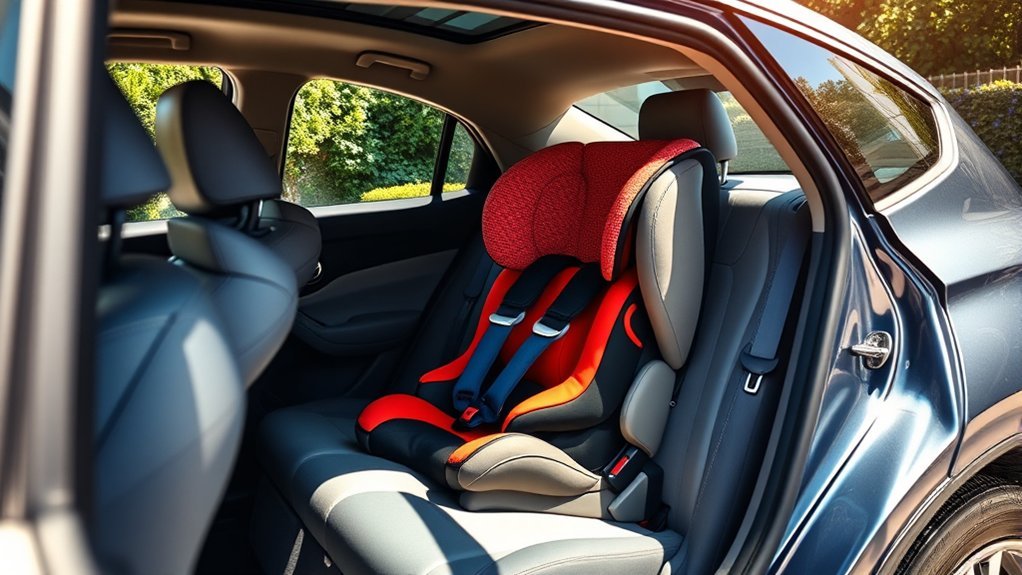
Finding the best car for child seats in the UK means looking beyond boot space and exterior size. You need a vehicle that accommodates your child’s approved car seat, provides accessible ISOFIX or seat-belt fittings, and leaves enough room for passengers. Whether you’re comparing family SUVs or choosing a new child restraint, this guide explains the UK safety rules, practical vehicle features, and child-seat options worth checking in 2026.
Quick Answer
The best car for child seats is one that accommodates your approved restraint securely, provides accessible ISOFIX or suitable seat-belt fittings, and leaves adequate room for passengers. Family SUVs such as the Honda CR-V and Toyota RAV4 are useful starting points, but always check the exact vehicle, child seat, and seating position before buying.
Affiliate disclosure: This article contains Amazon affiliate links. We may earn a commission from qualifying purchases at no additional cost to you. Product inclusion does not mean that a child restraint has been independently crash-tested or approved by this website.
Key Takeaways
- Choose a car and child seat together. An ISOFIX-equipped car does not automatically accommodate every ISOFIX restraint.
- UK children normally need an appropriate car seat until their 12th birthday or until they reach 135 cm, whichever comes first.
- Check the child restraint’s approval label, height or weight limits, and installation instructions.
- If you need three child seats across, test all three in their intended positions before buying the vehicle.
- Do not substitute an inflatable cushion or unapproved seat-belt accessory for a certified child restraint.
At a Glance
| Time Required | Allow time for an unhurried vehicle and child-seat trial fitting. |
| Difficulty | Moderate; fitting requirements depend on the restraint and vehicle. |
| Tools Needed | Vehicle handbook, child-seat manual, manufacturer compatibility list, and the actual child restraint. |
| Cost | Varies by car and approved child restraint. Ask retailers whether they provide a fitting demonstration. |
What Makes a Car Suitable for Child Seats?
A family car needs more than an ISOFIX badge. The rear-seat shape, available anchor points, seat-belt arrangement, door openings, and space behind the front seats all affect how easily you can install a child restraint.
Start by checking these features:
- ISOFIX positions: Identify the seating positions that have approved lower anchor points.
- Top Tether anchors: Confirm their location if the child restraint requires one.
- Rear-seat space: Check whether a rear-facing restraint fits behind the driver or front passenger.
- Seat-belt access: Make sure the belt can be routed correctly without twisting or buckle interference.
- Door openings: Consider how easily you can lift a child into the seat and tighten the harness.
- Three-across practicality: Measure the actual space between installed restraints rather than relying on advertised vehicle width.
The RoSPA child-seat buying checklist recommends confirming compatibility with the actual vehicle before purchasing a restraint.
UK Cars Worth Checking for Child-Seat Compatibility
The following vehicles and vehicle types provide useful starting points for a family-car shortlist. They are not guaranteed to accommodate every child seat or every three-across arrangement.
| Vehicle | What to investigate | Essential fit check |
|---|---|---|
| Honda CR-V | Accessible rear ISOFIX fittings and adjustable rear seating. | Check rear-facing clearance and the approved seating positions. |
| Toyota RAV4 | ISOFIX-equipped family SUV configuration. | Confirm the exact model-year handbook and restraint compatibility. |
| Family MPVs | Individual rear seats and potentially more flexible passenger arrangements. | Verify which seats have ISOFIX and whether three restraints fit together. |
| Seven-seat SUVs | Additional seating positions for larger families. | Check third-row restraint approval, access, and Top Tether availability. |
Honda describes accessible ISOFIX fittings and sliding, reclining rear seats on its UK CR-V features page. Toyota’s 2026 RAV4 vehicle listing also includes an ISOFIX child-restraint system.
These details establish that the vehicles offer child-seat provisions. They do not establish compatibility with every restraint.
Pro Tip: Take your actual child seats to the dealership. Install them in the proposed seating positions, adjust the front seats to your normal driving positions, and check that every buckle and anchor remains accessible.
UK Child Car Seat Rules for 2026
Before choosing a vehicle or child restraint, understand the legal requirements.
According to GOV.UK, children normally need an appropriate child car seat until they reach 135 cm in height or their 12th birthday, whichever comes first.
Children who are over 135 cm tall or have reached their 12th birthday must use a seat belt where required.
R129 and R44 Approval Standards
R129-approved child restraints are selected primarily using the child’s height. The approval label identifies the permitted size range and other applicable limits.
Older R44-approved restraints use weight groups. An existing approved R44 seat is not automatically unlawful solely because the newer R129 standard exists. However, you must still follow its approval label, instructions, and suitability limits.
Look for the appropriate approval marking and make sure the exact product is approved for use as a vehicle child restraint.
Rear-Facing and Forward-Facing Seats
Under the UK rules for height-based restraints, children must remain rear-facing until they are over 15 months old.
Remaining rear-facing beyond that minimum is encouraged when the child still fits an appropriate rear-facing restraint.
Warning: Never install a rear-facing child restraint in a front passenger seat with an active frontal airbag. The airbag must be deactivated before using that seating position. Always follow the vehicle and restraint manufacturers’ instructions.
Child Seat Products: Safety and Fit Comparison
The following comparison preserves the original product selection. It includes toddler seats, high-back boosters, a portable product with unverified restraint approval, and a seat-belt accessory.
Important: These products are not interchangeable. Use the approval label and manufacturer instructions to determine whether a product is suitable for your child’s height, weight, and vehicle.
| Kinderkraft Safety FIX 3 PRO I-Size Car Seat | 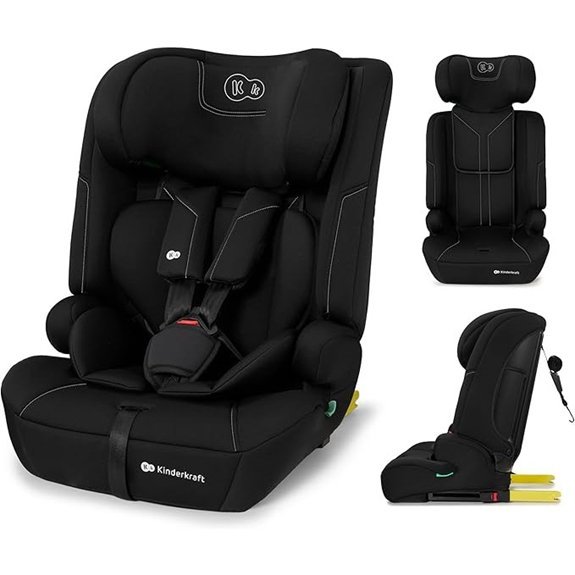 |
Multi-Stage Design | Safety Standard: R129 i-Size | Child Height: 76–150 cm | Installation: Stage-dependent ISOFIX, Top Tether and vehicle-belt options | VIEW LATEST PRICE | Read Our Analysis |
| Chicco Quizy Lite i-Size Child Car Seat | 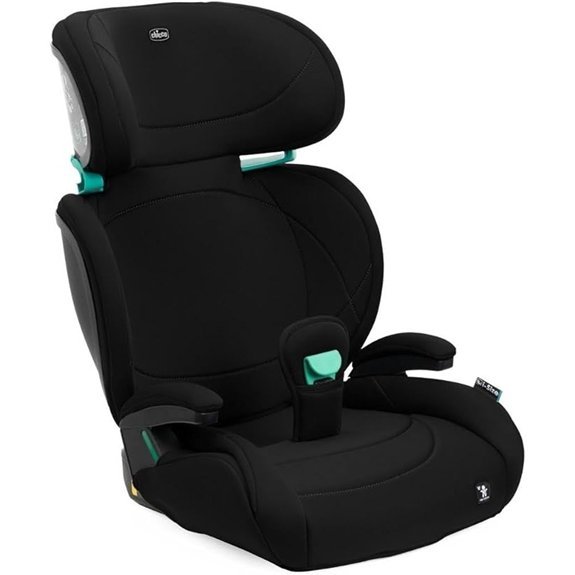 |
Padded High-Back Booster | Safety Standard: R129/04 | Child Height: 100–150 cm | Installation: Vehicle three-point seat belt | VIEW LATEST PRICE | Read Our Analysis |
| RyRy Scallop Foldable Toddler Car Seat with Bag | 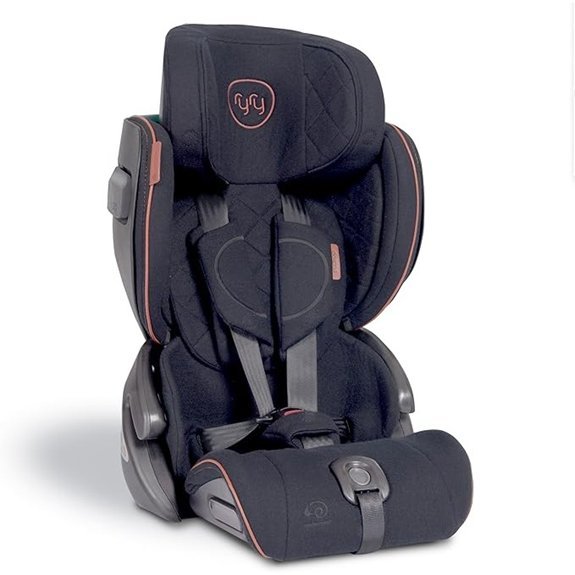 |
Foldable Toddler Seat | Safety Standard: R129 i-Size | Child Height: 76–105 cm; maximum 18 kg | Installation: ISOFIX with approved secondary fixing | VIEW LATEST PRICE | Read Our Analysis |
| Inflatable Portable Car Booster Seat with Carry Bag | 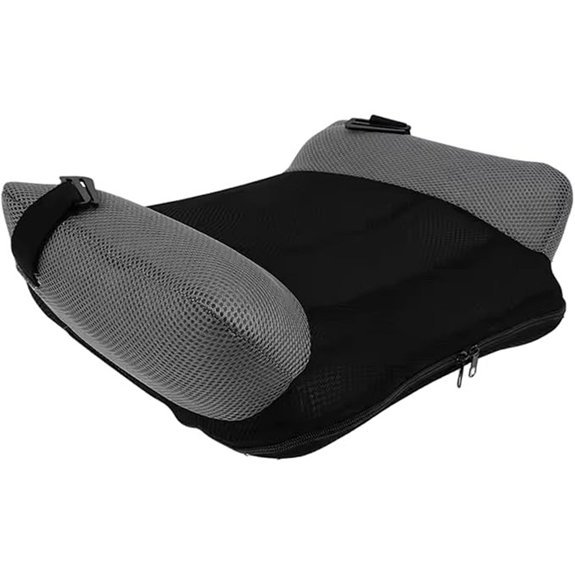 |
Approval Not Verified | Safety Standard: R129 approval not established | Child Height: Not verified | Installation: Approved restraint method not established | VIEW LISTING — CHECK APPROVAL | Read Our Analysis |
| Kinderkraft Junior FIX 2 PRO Child Car Seat | 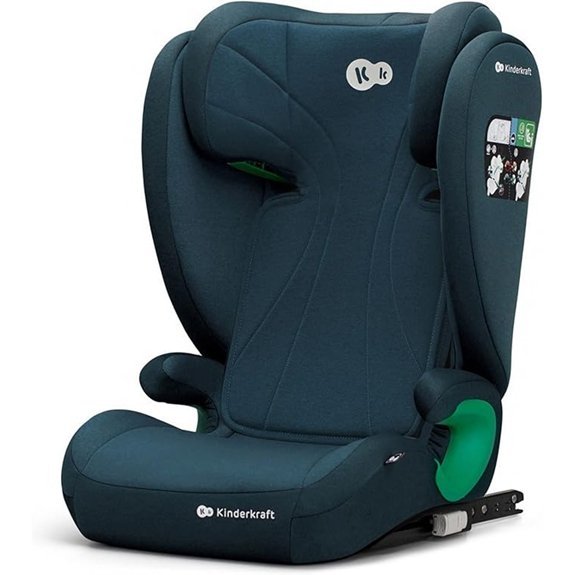 |
Adjustable High-Back Design | Safety Standard: Verify exact variant’s approval label | Child Height: Confirm the listed model’s certified range | Installation: Check variant-specific ISOFIX and belt instructions | VIEW LATEST PRICE | Read Our Analysis |
| Graco Junior Maxi Highback Booster Car Seat | 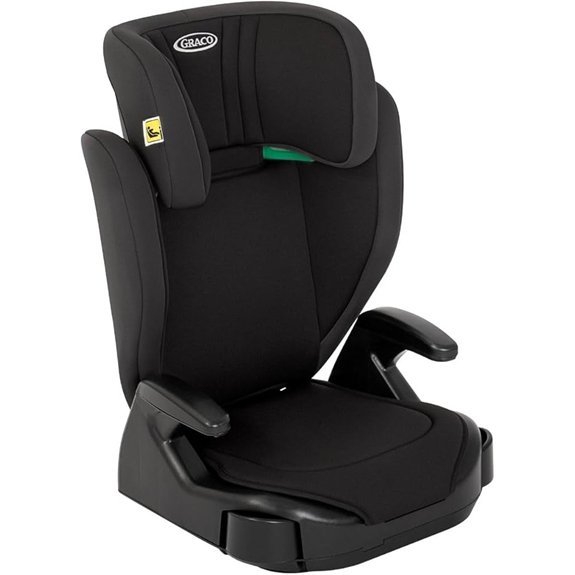 |
Height-Adjustable Booster | Safety Standard: R129 for the Junior Maxi i-Size variant | Child Height: 100–150 cm for the R129 variant | Installation: Vehicle three-point seat belt | VIEW LATEST PRICE | Read Our Analysis |
| 2PCS Seatbelt Extender for Booster Seat Accessory | 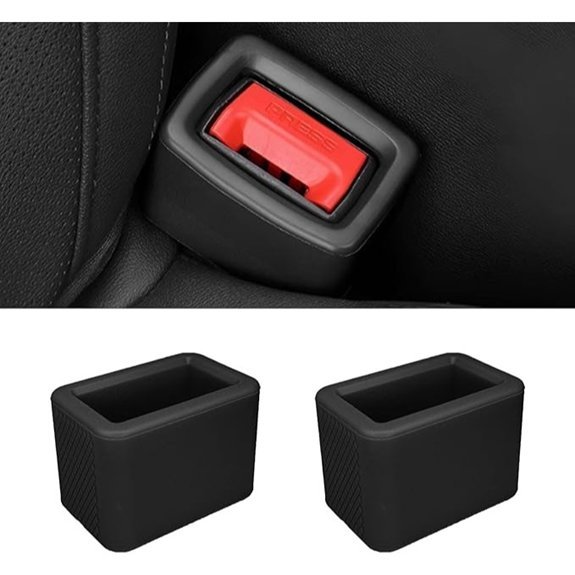 |
Accessory — Not a Restraint | Safety Standard: Child-restraint approval not established | Child Height: Not applicable | Installation: Must not interfere with the approved buckle system | VIEW ACCESSORY DETAILS | Read Our Analysis |
More Details on Our Top Picks
-
Kinderkraft Safety FIX 3 PRO I-Size Car Seat
The Kinderkraft Safety FIX 3 PRO i-Size is designed for children measuring 76–150 cm, covering several growth stages. Its adjustable headrest and harness allow the restraint to adapt as your child grows.
The seat includes ISOFIX connectors, Top Tether fittings, and Kinderkraft’s H-GUARD and SPS protection features.
Installation changes with the child’s size. For the smaller-child stage, the manufacturer specifies ISOFIX and Top Tether with the internal harness. At the booster stage, the child uses the vehicle’s three-point seat belt, with ISOFIX used where permitted by the instructions.
The EASY GROW SYSTEM adjusts the headrest and harness together. The upholstery is designed for easier maintenance, and the modular insert supports smaller children within the approved size range.
Compatibility check: Confirm that your vehicle has the necessary ISOFIX and Top Tether anchor points for the harness stage. Follow the official Kinderkraft manual when changing installation stages.
- Safety Standard: UN R129 i-Size
- Child Height: 76–150 cm
- Installation Type: ISOFIX and Top Tether for the harness stage; manufacturer-approved vehicle-belt options for the booster stage
- Comfort Features: Adjustable headrest and modular insert
- Weight Limit: Follow the approval label and stage-specific manufacturer limits
- Portability: Suitable for transfer only when correctly reinstalled in a compatible vehicle
- Additional Feature: EASY GROW adjustment system
- Additional Feature: Dirt-resistant upholstery
- Additional Feature: H-GUARD and SPS protection systems
-
Chicco Quizy Lite i-Size Child Car Seat
The Chicco Quizy Lite i-Size is a high-back booster for children measuring 100–150 cm. It uses the vehicle’s three-point seat belt rather than an internal child harness.
Its adjustable headrest, padded armrests, and cushioned seating area provide comfort during longer journeys. The two-position recline system allows the seat angle to be adjusted according to the manufacturer’s instructions.
Chicco specifies R129/04 approval and a product weight of approximately 4.5 kg.
The Quizy Lite does not require ISOFIX connectors for its normal belt-based installation. That makes it relevant when comparing vehicles with suitable three-point seat belts, although the exact seating position must still be approved.
Compatibility check: Make sure the lap belt passes correctly across the child’s pelvis and the diagonal belt follows the approved shoulder guide. Do not confuse the vehicle’s three-point belt with a five-point child harness.
- Safety Standard: ECE R129/04
- Child Height: 100–150 cm
- Installation Type: Vehicle three-point seat belt
- Comfort Features: Two recline positions and padded armrests
- Weight Limit: Use the manufacturer’s approved height and weight restrictions
- Portability: Approximately 4.5 kg
- Additional Feature: Adjustable headrest
- Additional Feature: Padded seating area
- Additional Feature: Two recline positions
-
RyRy Scallop Foldable Toddler Car Seat with Bag
The RyRy Scallop is a forward-facing toddler restraint designed for children measuring 76–105 cm and weighing no more than 18 kg. Its manufacturer describes it as an R129 i-Size child seat.
Unlike a standard rigid toddler seat, the Scallop folds for transport and includes a travel bag. This can make it easier to carry between compatible vehicles.
The manufacturer specifies ISOFIX installation together with an approved secondary fixing method, such as Top Tether or the vehicle seat belt, depending on the installation configuration.
The design includes merino wool and other materials selected for comfort, with a compact folding mechanism intended to simplify storage and transport.
Compatibility check: This is a forward-facing restraint, not a rear-facing infant seat or a conventional high-back booster. It must only be used within the approved age, height, and weight limits.
Check the manufacturer’s fitting instructions and vehicle compatibility information before travelling.
- Safety Standard: UN R129 i-Size
- Child Height: 76–105 cm
- Installation Type: ISOFIX with an approved secondary fixing method
- Comfort Features: Merino wool and compact seat design
- Weight Limit: Maximum 18 kg
- Portability: Foldable design with travel bag
- Additional Feature: Forward-facing toddler restraint
- Additional Feature: Compact folding mechanism
- Additional Feature: Travel bag included
-
Inflatable Portable Car Booster Seat with Carry Bag
The Inflatable Portable Car Booster Seat with Carry Bag is described as a lightweight, inflatable seating product. Its compact design, breathable cushion, and carrying bag may appeal to families seeking portable equipment.
However, portability alone does not establish that an inflatable cushion is suitable for use as a child restraint in a moving vehicle.
The original product information does not establish an R129 approval number, an approved child-height range, or a verified vehicle installation method.
Its advertised buckle arrangement also does not demonstrate compliance with UK child-restraint requirements.
Warning: Do not use this product as a child restraint unless the exact model has a valid approval label, documented child-size limits, and manufacturer instructions establishing its suitability for your vehicle. An inflatable cushion must not replace an approved child car seat merely because it is sold as a booster.
For taxis, hire cars, and family travel, choose a properly approved portable restraint that fits your child and the intended vehicle.
- Safety Standard: R129 approval not verified
- Child Height: Not established
- Installation Type: Approved child-restraint installation not established
- Comfort Features: Advertised breathable cushion
- Weight Limit: Not verified
- Portability: Inflatable design with carry bag
- Additional Feature: Advertised quick inflation and deflation
- Additional Feature: Compact storage
- Additional Feature: Must not substitute for an approved child restraint without verified certification
-
Kinderkraft Junior FIX 2 PRO Child Car Seat
The Kinderkraft Junior FIX 2 PRO listing describes an adjustable high-back child seat intended for older children.
Kinderkraft’s published specifications for its JUNIOR FIX 2 i-Size model identify a 100–150 cm height range, R129 approval, H-GUARD head protection, and reinforced side protection.
The manufacturer’s published Junior FIX 2 information also describes ISOFIX installation and an approved vehicle-seat-belt option.
The adjustable headrest helps accommodate a growing child, while breathable upholstery supports comfort on longer journeys.
Important model distinction: The separate “PRO” wording in the advertised listing has not been established as an identical manufacturer-approved variant. Confirm the precise model name, approval label, dimensions, and installation instructions on the product supplied.
Do not assume that every Junior FIX model shares the same certification or equipment. See the official Kinderkraft Junior FIX 2 specifications for the documented model.
- Safety Standard: Verify the exact listed variant; the documented Junior FIX 2 i-Size model meets R129
- Child Height: Confirm the exact variant’s approval label; documented Junior FIX 2 range is 100–150 cm
- Installation Type: Follow the supplied model’s ISOFIX and three-point-belt instructions
- Comfort Features: Adjustable headrest and breathable upholstery
- Weight Limit: Follow the specific product approval label
- Portability: Reinstallation requires a compatible vehicle and correct fitting
- Additional Feature: H-GUARD protection on the documented Junior FIX 2 model
- Additional Feature: Side-protection design
- Additional Feature: Belt-routing guidance
-
Graco Junior Maxi Highback Booster Car Seat
The Graco Junior Maxi high-back booster range is designed for older children who are ready to use the vehicle’s three-point seat belt.
Graco’s Junior Maxi i-Size R129 model accommodates children measuring 100–150 cm.
Its ten-position headrest helps maintain the correct fit as your child grows. The cushioned seating area and two retractable cupholders add convenience during everyday journeys.
The R129 model is lightweight and has removable covers that can be cleaned according to the manufacturer’s instructions.
Compatibility check: Confirm that the product supplied is the Junior Maxi i-Size R129 version rather than an older or differently approved variant.
The vehicle belt must follow the approved shoulder and lap-belt guides. Secure the booster when it is unoccupied, as directed by the manufacturer.
- Safety Standard: R129 for the Junior Maxi i-Size variant
- Child Height: 100–150 cm for the R129 variant
- Installation Type: Vehicle three-point seat belt
- Comfort Features: Cushioned seating area
- Weight Limit: Follow the approval label for the exact version
- Portability: Lightweight high-back design
- Additional Feature: Ten-position headrest
- Additional Feature: Two retractable cupholders
- Additional Feature: Removable, washable seat covers
-
2PCS Seatbelt Extender for Booster Seat Accessory
The 2PCS Seatbelt Extender for Booster Seat Accessory is advertised as a device intended to make a vehicle’s seat-belt buckle easier to access.
The original description identifies an elastic silicone design that holds the buckle receiver upright. That description is more consistent with a buckle-positioning accessory than a conventional belt-length extension.
Although easier buckle access may appear convenient, the product has not been established as an approved child-restraint component.
Child-seat installation relies on the restraint, vehicle belt, buckle, and anchor points functioning together as intended by their manufacturers.
Warning: Do not use an accessory that changes the buckle’s operation, belt routing, restraint geometry, or emergency-release function unless its use is expressly approved by the relevant manufacturers.
If the seat-belt buckle is difficult to reach, check whether the child seat is installed in an approved position and whether another compatible restraint or vehicle arrangement would provide better access.
RoSPA’s child-seat safety guidance advises against devices that may interfere with seat-belt or buckle operation.
- Safety Standard: Child-restraint approval not established
- Child Height: Not applicable
- Installation Type: Accessory; use only where expressly approved
- Comfort Features: Advertised buckle-access convenience
- Weight Limit: Not applicable
- Portability: Small accessory
- Additional Feature: Elastic silicone construction
- Additional Feature: Advertised one-handed access
- Additional Feature: Does not replace an approved child restraint or seat-belt component
Factors to Consider When Choosing Cars for Child Seats UK
Choosing the right vehicle and child restraint requires checking several connected factors. Safety approval comes first, followed by compatibility, installation, space, access, comfort, durability, and cost.
Safety Features Overview
Look for a vehicle with clearly identified child-restraint anchor points and a seating layout that allows correct installation.
ISOFIX connectors can simplify fitting, but they do not remove the need to check the vehicle handbook and the child-seat compatibility list.
If the restraint requires a Top Tether or support leg, the vehicle must provide the correct approved arrangement.
R129-approved child restraints undergo testing under that regulation, including side-impact requirements. However, meeting the standard does not mean that every approved seat performs identically in every collision.
Check the vehicle’s own safety equipment, including airbags, seat-belt reminders, and rear-seat arrangements, while recognising that these features do not replace correct child-seat fitting.
Car Seat Compatibility
Confirm that the child restraint fits your specific vehicle, not just the vehicle brand.
Compatibility may differ between model years, seating positions, body styles, and equipment configurations.
Check the restraint manufacturer’s vehicle fitting list, the vehicle handbook, and the instructions supplied with the exact child seat.
Also confirm that the child falls within the approved height and weight limits. Do not move a child into a booster simply because they have reached an approximate age.
Installation Options Available
Common installation arrangements include ISOFIX with Top Tether, ISOFIX with a support leg, and approved seat-belt installation.
The correct method depends on the individual restraint.
A high-back booster may use the vehicle’s three-point seat belt to restrain the child, while compatible ISOFIX connectors may help position or secure the booster.
A toddler seat with an internal harness may require ISOFIX and a separate anti-rotation component.
Never assume that all available installation methods can be combined or substituted. Use only the arrangements identified in the manufacturer’s instructions.
Size and Space Requirements
Rear-seat width is important, but it is only one measurement.
Check the child restraint’s external width, depth, height, and required installation angle.
For rear-facing seats, verify that the front passenger or driver can maintain an appropriate seating position without interfering with the child restraint.
For three-across installations, ensure that all three seats remain independently and correctly secured.
Older Group 0+, 1, 2, and 3 terminology may still appear on R44 products. R129 models instead use approved height ranges, so compare the actual certification rather than relying only on group numbers.
Ease of Access
Large rear doors and suitable opening angles make it easier to place children into their seats and tighten their harnesses.
Rear-seat height also matters. A higher seating position may reduce bending, while a very high floor can make lifting a child more difficult.
Check whether the ISOFIX points are easy to locate and whether the seat-belt buckle remains accessible after installation.
If using a third-row child seat, confirm that passengers can enter and leave the vehicle without disturbing the restraint.
Comfort and Support
Comfort matters during long trips, but it should never override the approved restraint position.
Adjustable headrests and harness systems help accommodate children as they grow. Breathable upholstery, cushioning, and approved inserts can improve comfort.
Only use inserts, padding, recline positions, and accessories permitted by the restraint manufacturer.
Do not add an aftermarket cushion or pillow beneath the child or behind the restraint unless the manufacturer specifically approves it.
Durability and Maintenance
Choose a restraint with clear care instructions and inspect it regularly for damage, worn harness components, damaged buckles, and missing parts.
Removable covers can make cleaning easier, but follow the manufacturer’s washing and drying instructions.
Never wash harness webbing using an unapproved cleaning method or apply chemicals that could weaken the material.
If a seat has been involved in a collision, follow the manufacturer’s replacement guidance. Damage may not always be visible.
Budget Considerations
Consider the total cost of ownership rather than only the purchase price.
A multi-stage restraint may reduce the number of seats needed as your child grows, provided it continues to fit correctly at every stage.
Factor in possible replacement needs, cleaning, additional approved bases, and the cost of accommodating multiple children.
Do not buy an unsuitable restraint simply because it is inexpensive or discounted.
Second-hand seats require particular care because their collision history and condition may be unknown. RoSPA recommends caution and advises checking the history, instructions, age, approval, and condition before accepting a used restraint.
How to Check Whether a Child Seat Fits Your Car
Use this checklist before buying a child restraint or committing to a new family vehicle.
- Identify the exact vehicle: Note its make, model, model year, and intended seating position.
- Check the child: Measure their height and weight and compare them with the restraint’s approval label.
- Read both manuals: Check the vehicle handbook and the child-seat installation instructions.
- Confirm the fixing method: Identify the approved ISOFIX, Top Tether, support-leg, or seat-belt arrangement.
- Check the fitting list: Confirm that the seat manufacturer approves the intended vehicle and seating position.
- Perform a trial installation: Follow the manufacturer’s procedure and check the relevant indicators and belt routing.
- Check passenger space: Make sure the restraint does not interfere with the front seats, doors, or adjacent restraints.
- Check the child: Adjust the harness or vehicle belt according to the instructions.
- Seek fitting advice: If anything remains unclear, ask a trained child-seat fitter or the manufacturer before using the restraint.
RoSPA provides further advice in its child car seat fitting guide.
Note: The correct installation procedure is specific to the child restraint. A general checklist cannot replace the manufacturer’s fitting sequence or approval conditions.
Can You Fit Three Child Seats Across the Back?
Some families need to transport three children in restraints at the same time.
Before choosing a car, check whether each restraint fits in its intended seating position and whether all three can be installed without interfering with one another.
A vehicle with three rear seats does not necessarily have three ISOFIX positions. Likewise, a wide-looking rear bench does not guarantee that three bulky restraints will fit.
Consider individual rear seats, accessible buckles, door openings, and the location of the approved anchor points.
Never attach two child restraints to the same ISOFIX anchor unless the vehicle manufacturer expressly provides an approved arrangement.
Also check that the centre seat has the correct belt or anchor system for the intended restraint.
If a third restraint cannot be fitted correctly, investigate another approved vehicle seating arrangement rather than forcing the seats together or using an unapproved accessory.
Common Child Seat Installation Problems
ISOFIX Connectors Will Not Engage
Check that you are using the correct lower anchor points and that nothing obstructs the connectors.
Follow the manufacturer’s installation sequence and check the fitting indicators.
Do not force the connectors or alter the anchor points.
Top Tether Anchor Is Difficult to Find
Consult the vehicle handbook for the exact anchor location.
A luggage hook or other convenient metal fitting is not automatically a suitable Top Tether anchor.
Use only the approved attachment point specified by the vehicle manufacturer.
Support Leg Rests on an Underfloor Storage Compartment
Some vehicles have storage compartments beneath the rear passenger footwell.
A support leg must not be positioned over a compartment lid unless the vehicle and restraint manufacturers approve that arrangement.
Check whether a manufacturer-approved solution exists for the exact vehicle.
Vehicle Seat Belt Does Not Sit Correctly
Check that the belt follows every required guide and lies flat without twisting.
For a high-back booster, the lap section should lie across the pelvis, while the diagonal section should pass appropriately across the shoulder and chest.
If the buckle is trapped beneath the child restraint or the belt cannot follow its intended path, do not improvise with an unapproved extender.
Child Seat Moves or Does Not Sit Correctly
Repeat the manufacturer’s installation process and check the vehicle compatibility information.
Some movement at the upper part of a restraint may be expected depending on its design, so follow the specific manufacturer’s criteria rather than applying a universal movement rule.
If the seat cannot be installed correctly, stop using that arrangement and seek qualified fitting advice.
Travelling With Child Seats in Taxis and Hire Cars
Families using taxis or hire cars should plan how to transport an appropriate restraint.
UK law provides limited exceptions when the correct child car seat is unavailable in a licensed taxi or minicab. These exceptions should not be treated as equivalent to the protection provided by a suitable child restraint.
Where possible, arrange an approved seat that fits your child and the vehicle before travelling.
For the precise legal exceptions, consult GOV.UK’s guidance on travelling without a child car seat.
If portability is important, compare approved lightweight or folding child restraints rather than relying on a product whose restraint approval cannot be established.
Frequently Asked Questions
What Is the Best Way to Install Child Seats in Cars?
Read both the vehicle handbook and the child-seat manual. Confirm compatibility, then use the approved ISOFIX or seat-belt method. Follow the manufacturer’s instructions for the Top Tether, support leg, harness, and belt guides where applicable. Check the installation before every journey.
Are There Specific Car Models That Accommodate Larger Child Seats?
Family SUVs such as the Honda CR-V and Toyota RAV4 are useful vehicles to investigate. Larger MPVs and some seven-seat vehicles may offer more flexible seating arrangements. However, the exact child seat must be checked against the vehicle’s approved seating positions. Do not assume that a model such as the Ford Edge, or any other large SUV, will fit a particular restraint solely because of its exterior size.
How Do I Clean and Maintain Child Car Seats?
Follow the manufacturer’s cleaning instructions. Remove and wash covers only where permitted, clean plastic components using approved methods, and inspect the harness, buckle, and shell for wear. Do not use harsh chemicals or unapproved cleaning methods on safety-critical components.
What Are the Age Recommendations for Different Child Seat Types?
Age provides a general guide, but the restraint’s approved height and weight limits determine suitability. Babies use an appropriate rear-facing restraint. Height-based seats must remain rear-facing until the child is over 15 months old. Older children may move into an approved forward-facing seat or high-back booster when they meet the relevant limits. Do not move a child to the next stage simply because they have reached an approximate age.
Do Cars With ISOFIX Systems Ensure Better Safety for Child Seats?
ISOFIX can simplify installation and reduce certain fitting errors when the restraint and vehicle are compatible. However, ISOFIX alone does not guarantee correct installation or better protection in every situation. A properly approved and correctly fitted seat-belt restraint can also be suitable. Always follow the manufacturer’s instructions.
Do All Cars With ISOFIX Have Three ISOFIX Seating Positions?
No. The number and location of ISOFIX positions vary by vehicle. Many cars have lower anchors on the outer rear seats, while centre-seat and third-row arrangements differ. Check the exact vehicle handbook before planning a three-child-seat installation.
Can I Use an Inflatable Booster Seat in the UK?
Only use an inflatable product as a child restraint if the exact model has the necessary approval, is suitable for your child’s size, and is installed according to its instructions. An inflatable cushion with no established child-restraint approval must not be treated as a substitute for an approved booster.
Can I Use a Seat-Belt Extender With a Child Car Seat?
Do not use an extender or buckle accessory that alters the restraint system unless the relevant manufacturers expressly approve it. If the belt is too short or the buckle is inaccessible, seek a compatible restraint or approved seating arrangement instead.
When Can a Child Stop Using a Booster Seat in the UK?
Under the general UK rule, children must use an appropriate child restraint until they reach 135 cm or their 12th birthday, whichever comes first. They must then use the vehicle seat belt where required. Continuing with an appropriate booster until the adult belt fits correctly may provide a better belt position.
Conclusion
The best car for child seats is one that fits your family and allows every child restraint to be installed correctly.
Start with the vehicle’s approved seating positions, check the child’s height and weight against the restraint’s approval label, and complete a trial fitting before buying.
The Kinderkraft, Chicco, RyRy, and Graco products discussed here offer different configurations for different stages of childhood. Choose between them based on the exact approved model, your child’s size, and vehicle compatibility—not promotional descriptions alone.
For portable products and accessories with unverified restraint approval, do not assume that convenience or a buckle arrangement establishes crash protection.
Final takeaway: A compatible vehicle, an approved child restraint, and correct installation matter more than an SUV badge, a product’s popularity, or its advertised features.
Sources
- GOV.UK — Child Car Seats: The Law — UK child-restraint requirements, approved seats, height limits, and fitting rules.
- RoSPA — Buying Child Car Seats Checklist — approval, compatibility, vehicle suitability, and purchasing considerations.
- RoSPA — Fitting Child Car Seats — installation, seat-belt routing, support legs, and manufacturer instructions.
- Kinderkraft — Safety FIX 3 PRO User Manual — approved size range and stage-specific fitting instructions.
- Chicco — Quizy Lite i-Size Specifications — approved height range, R129 certification, belt installation, and comfort features.
- Graco — Junior Maxi i-Size R129 — booster specifications, approved height range, installation, and care instructions.






Leave a Reply