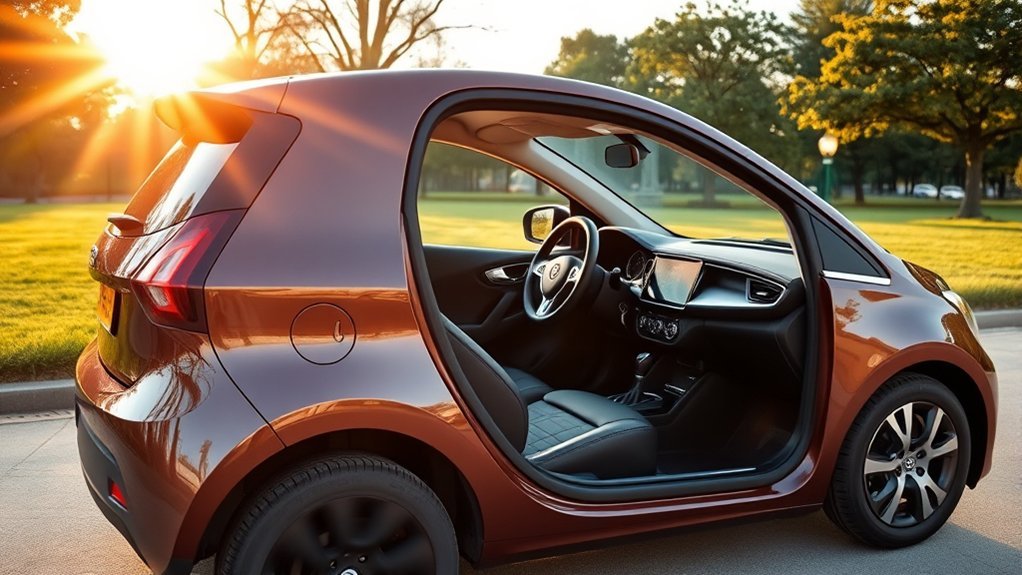
Finding the right car as a shorter driver is about more than choosing a small vehicle. You need a driving position that gives you a clear view of the road, comfortable access to the pedals, and enough room between your chest and the steering wheel. In the UK in 2026, several compact cars offer useful seat and steering-wheel adjustments. If factory adjustments are not enough, carefully selected seating accessories or professionally fitted adaptations may also help.
Quick Answer
The Toyota Yaris, Honda Jazz, Škoda Fabia, and Kia Picanto are useful cars for shorter UK drivers to test in 2026. Prioritise an adjustable driver’s seat, comfortable pedal reach, a suitable steering-wheel position, and clear visibility. Choose a car that fits you before considering aftermarket cushions or pedal adaptations.
Key Takeaways
- A smaller car is not automatically easier for a shorter person to drive. Seat adjustment and pedal reach matter more than exterior size.
- The Toyota Yaris and Honda Jazz offer documented driver-seat height adjustment and steering-wheel reach adjustment.
- Check your driving position before buying a vehicle. You should be able to operate the pedals fully without stretching or leaning forward.
- Seat cushions are optional comfort accessories, not guaranteed safety improvements.
- Pedal extenders should be selected and fitted with professional guidance rather than treated as ordinary decorative accessories.
Important safety warning: Never sacrifice brake control, seat-belt fit, or airbag clearance to gain a higher seating position. Check your vehicle handbook before fitting an aftermarket cushion. Do not use a cushion or pedal adaptation if it prevents you from operating the controls safely.
Cars for Short Drivers to Consider in the UK in 2026
The following vehicles offer features worth considering when shopping for a car as a shorter driver. They are practical starting points for test drives, not a guarantee that every driver will achieve a suitable fit.
Equipment can vary by model year, trim, and optional package. Check the exact vehicle you intend to buy.
| Vehicle | Useful Features | What to Check |
|---|---|---|
| Toyota Yaris | Height-adjustable driver’s seat and tilt-and-telescopic steering wheel. | Check pedal reach, instrument visibility, and your view over the dashboard. |
| Honda Jazz | Manual driver-seat height adjustment, tilt-and-telescopic steering wheel, and a wide windscreen. | Check the driving position, seat support, and view through the front and side windows. |
| Škoda Fabia | Height-adjustable driver’s seat and practical hatchback layout. | Confirm the steering-wheel adjustment range and test brake and clutch reach where applicable. |
| Kia Picanto | Compact dimensions, manual seat adjustment, and accessible everyday controls. | Confirm the exact seat-height and steering-wheel adjustment features on your chosen trim. |
Toyota Yaris
The Toyota Yaris is a sensible vehicle to try if you want a compact car with flexible driving-position adjustments.
Toyota’s UK specifications document a manually height-adjustable driver’s seat and a steering wheel with both tilt and telescopic adjustment. This lets you adjust seat height and steering-wheel reach separately.
That flexibility can help you find a position where you can see the instruments, operate the pedals, and maintain comfortable steering control.
Check the current equipment on the official Toyota Yaris specifications page.
Honda Jazz
The Honda Jazz deserves consideration if you prefer a roomy cabin and an open view of the road.
Honda lists manual driver-seat height adjustment and a tilt-and-telescopic steering wheel. Its wide windscreen is another feature worth testing from your normal driving position.
The Jazz also offers a flexible interior, making it useful for drivers who want a compact vehicle without giving up everyday practicality.
However, the available adjustment range matters more than the specification alone. Sit in the vehicle and check whether you can reach the brake comfortably while keeping your back against the seat.
See the official Honda Jazz specifications.
Škoda Fabia
The Škoda Fabia is another compact hatchback worth adding to your test-drive list.
Škoda identifies a height-adjustable driver’s seat among the Fabia’s features. Its hatchback body also provides useful everyday space.
When testing the Fabia, pay attention to your knee position, steering-wheel reach, and the amount of pressure needed to operate the pedals.
Drivers choosing a manual version should also check that they can fully depress the clutch without sliding forward in the seat.
Review the current Škoda Fabia range before choosing a trim.
Kia Picanto
The Kia Picanto is worth trying if you prefer a small car for urban driving and parking.
Its compact dimensions can make it easier to manage in tight spaces. Kia also offers manual driver’s seat adjustment and steering-wheel adjustment.
Do not assume that the smallest car will provide the most comfortable driving position. Check whether the seat gives you enough height and whether the steering wheel can be positioned without forcing you to sit too close to the dashboard.
Compare equipment on the official Kia Picanto specifications page.
How to Find the Right Driving Position
Before buying a car or adding any accessory, spend time adjusting the original seat and controls. A vehicle with suitable factory adjustments may remove the need for extra equipment.
At a Glance
| Time Required | Allow at least 10–15 minutes to assess the driving position before a test drive. |
| Difficulty | Easy for standard factory adjustments; specialist assessment may be needed for adaptations. |
| Tools Needed | No tools for normal seat and steering-wheel adjustments. |
| Cost | Free for built-in adjustments. Accessory and professional adaptation costs vary. |
Step 1: Adjust the Seat Distance
Move the seat forward or backward until you can fully operate the pedals without stretching your leg or lifting your back away from the seat.
Your knee should retain a comfortable bend when operating the brake. In a manual car, check that you can fully depress the clutch.
Avoid moving so far forward that your chest is unnecessarily close to the steering wheel.
Step 2: Set the Seat Height
Raise or lower the seat until you have a clear view of the road and can read the instrument display.
Check that you can see traffic approaching from the sides and that the dashboard does not block your forward view.
Leave enough headroom and avoid positioning yourself awkwardly against the roof or head restraint.
Step 3: Adjust the Backrest
Set the backrest to a comfortable, reasonably upright position.
Your back should remain supported while your arms and legs operate the controls.
Avoid reclining so far that you must stretch forward to steer or brake.
Step 4: Position the Steering Wheel
Use the tilt and reach adjustments, where fitted, to bring the steering wheel into a comfortable position.
You should be able to steer without straightening your arms fully or lifting your shoulders away from the backrest.
Keep the steering-wheel airbag directed towards your upper body rather than positioning yourself unusually close to it.
The National Highway Traffic Safety Administration recommends at least 10 inches, or approximately 25 cm, between the steering-wheel airbag cover and the driver’s breastbone while maintaining control of the vehicle.
Step 5: Check the Seat Belt, Mirrors, and Head Restraint
Position the shoulder belt across your shoulder and chest, not against your neck or under your arm. The lap belt should sit low across your pelvis.
Adjust the head restraint according to your vehicle handbook. Then set your mirrors from your final seated position.
These checks support the driving-position guidance in Highway Code Rule 97.
Step 6: Check Every Control Before Moving
Make sure you can reach the indicators, wipers, gear selector, handbrake or parking-brake control, and other essential controls.
With the vehicle stationary and secured, check the full movement of the accelerator, brake, and clutch where fitted.
If you cannot operate the controls comfortably, reconsider the vehicle or seek professional driving-adaptation advice.
Pro Tip: Test the same vehicle with different seat-height and steering-wheel settings. A small change in seat distance can improve pedal reach without needing an aftermarket cushion.
Seat Cushions and Accessories for Short Drivers
If a vehicle’s factory adjustments do not provide enough comfort, a suitable seat cushion may be worth considering. Drivers who cannot reach the pedals may need a professionally assessed pedal adaptation.
The following seven accessories are retained from the original product selection. Their descriptions explain their intended functions and important limitations. Product suitability, exact specifications, current availability, and vehicle compatibility should not be assumed from a universal-fit claim.
Affiliate disclosure: Some product links below are affiliate links. We may earn a commission if you purchase through them, at no additional cost to you.
| Adult Booster Seat Cushion for Safe Driving | 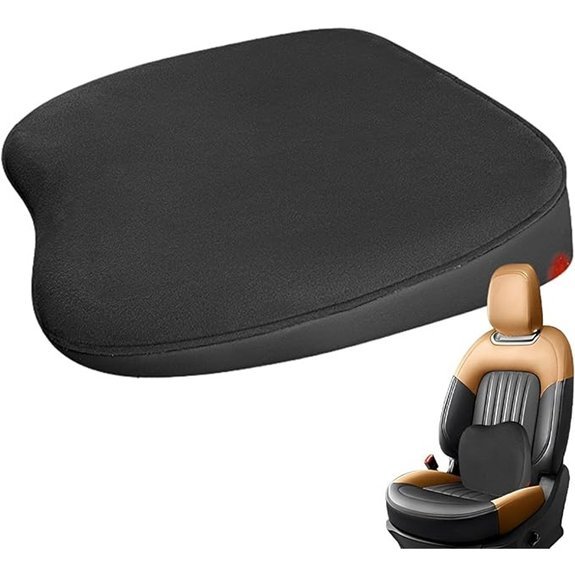 |
Memory Foam Comfort | Purpose: Additional seating support | Comfort: Memory foam cushioning | Portability: Lightweight design | VIEW LATEST PRICE | Read Our Analysis |
| Adult Booster Seat Cushion for Short People | 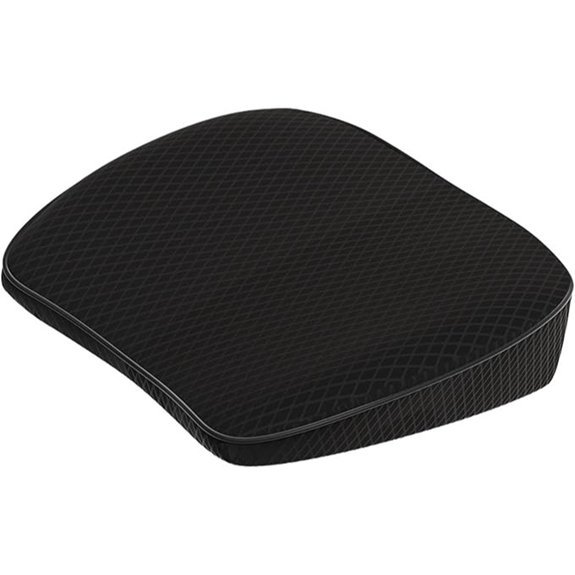 |
Height-Focused Design | Purpose: Additional seat elevation | Comfort: Padded support | Portability: Portable design | VIEW LATEST PRICE | Read Our Analysis |
| Adult Booster Seat with Hip Support Pad | 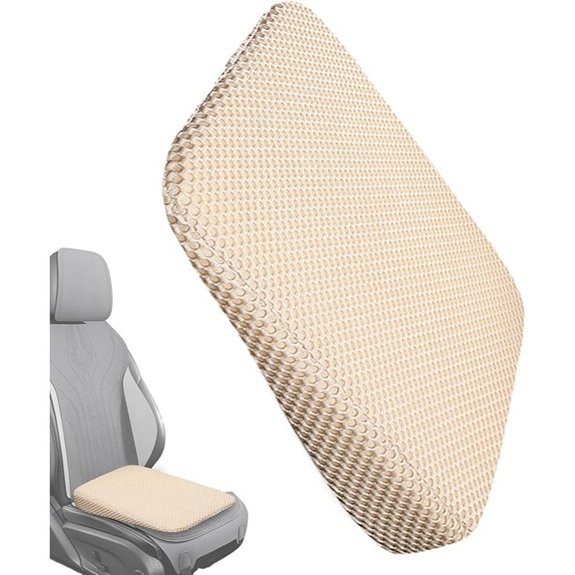 |
Additional Hip Support | Purpose: Hip and seating support | Comfort: Breathable cushioning | Portability: Compact storage | VIEW LATEST PRICE | Read Our Analysis |
| Breathable Car Seat Cushion for Short Drivers | 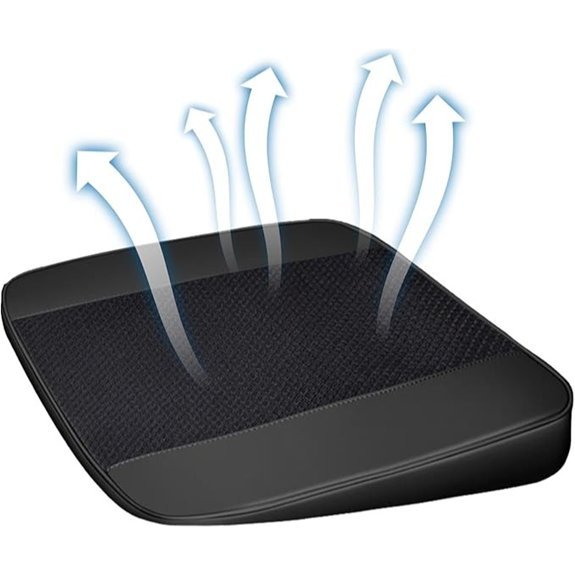 |
Wedge-Shaped Design | Purpose: Seat-height support | Comfort: Ergonomic wedge shape | Portability: Lightweight construction | VIEW LATEST PRICE | Read Our Analysis |
| Fockety Gas and Brake Pedal Extenders for Drivers | 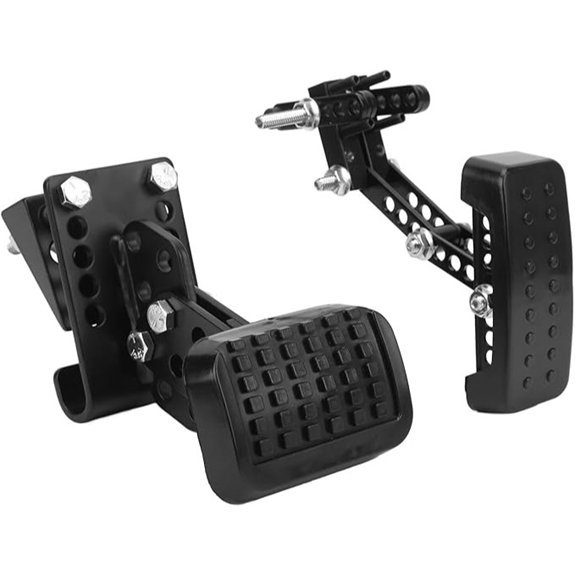 |
Specialist Adaptation | Purpose: Altered pedal reach | Comfort: Adjustable positioning | Installation: Professional assessment advised | VIEW LATEST PRICE | Read Our Analysis |
| Adult Car Booster Seat for Short Drivers | 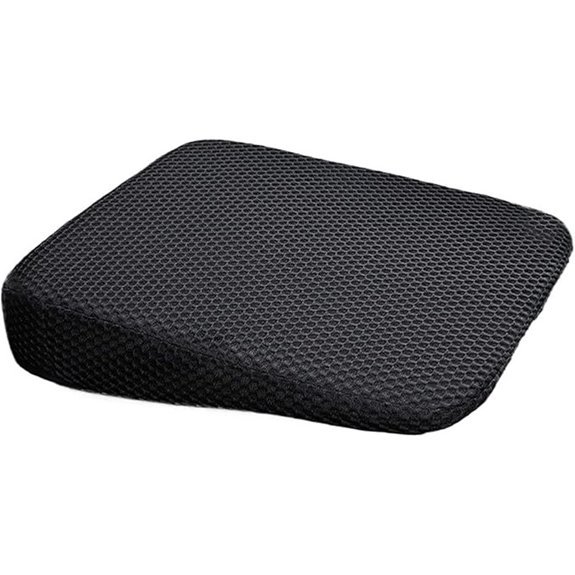 |
Portable Cushion | Purpose: Additional seating height | Comfort: Breathable cushioning | Portability: Compact design | VIEW LATEST PRICE | Read Our Analysis |
| Car Seat Cushion for Height Improvement and Comfort | 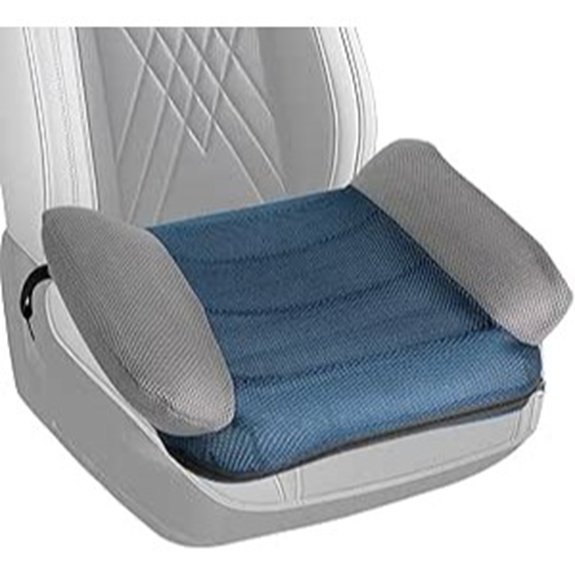 |
Portable Inflatable Design | Purpose: Adjustable seating elevation | Comfort: Inflatable support | Portability: Convenient travel design | VIEW LATEST PRICE | Read Our Analysis |
More Details on Our Top Picks
-
Adult Booster Seat Cushion for Safe Driving
If you want additional padding while driving, this adult booster seat cushion is designed to provide seating support. The product description identifies memory foam, breathable fabric, an ergonomic shape, and additional lumbar support as its main features.
Its tapered design may appeal to drivers who dislike pressure around the front of a conventional seat cushion. However, comfort depends on the individual and the vehicle’s existing seat.
Check the cushion’s actual thickness and compressed height before buying. A cushion that raises you too far may reduce headroom or alter your steering-wheel and seat-belt position.
Only use it if your vehicle manufacturer permits the accessory and you can retain full control of the pedals.
- Purpose:Additional driving-seat support
- Comfort:Memory foam cushioning
- Portability:Lightweight design
- Breathability:Breathable fabric described in the listing
- Compatibility:Check the vehicle handbook and seat dimensions
- Maintenance:Follow the product’s cleaning instructions
- Additional Feature:Memory foam construction
- Additional Feature:Contoured ergonomic design
- Additional Feature:Tapered shape for seating support
-
Adult Booster Seat Cushion for Short People
This adult booster seat cushion is intended for shorter individuals who want additional seating height. Its wedge shape and thick padding are designed to change the seating position while providing cushioning.
The described breathable materials may improve comfort in warm weather, while the portable design makes it easier to move between suitable vehicles.
However, a higher seating position does not automatically improve pedal reach. Depending on your vehicle and body proportions, it may change your leg angle or move you farther from the pedals.
Check that the non-slip base remains stable and that the cushion does not interfere with the seat belt, seat adjustment, or any safety equipment.
- Purpose:Additional seating elevation
- Comfort:Thick padded support
- Portability:Portable design
- Breathability:Breathable materials described in the listing
- Compatibility:Vehicle-specific suitability must be checked
- Maintenance:Clean according to the manufacturer’s instructions
- Additional Feature:Wedge-shaped construction
- Additional Feature:Thickened padding
- Additional Feature:Non-slip bottom design
-
Adult Booster Seat with Hip Support Pad
The Adult Booster Seat with Hip Support Pad is designed for drivers who want additional support around the hips and seat base.
Its described features include breathable materials, a pressure-relief design, and compact storage. These may be useful for commuters or drivers who frequently change vehicles.
The important consideration is how the cushion affects your existing seat. It should not force your hips forward, change the lap-belt position, or prevent you from sitting against the backrest.
Do not assume that a product described as universally compatible will suit every car. Check its dimensions, attachment method, and the vehicle manufacturer’s instructions before use.
- Purpose:Additional hip and seating support
- Comfort:Breathable cushioning
- Portability:Compact storage design
- Breathability:Airflow-focused construction
- Compatibility:Check vehicle and seat compatibility
- Maintenance:Follow the product’s cleaning guidance
- Additional Feature:Hip support pad
- Additional Feature:Pressure-relief seat cover design
- Additional Feature:Trunk storage design
-
Breathable Car Seat Cushion for Short Drivers
This wedge-shaped car seat cushion is intended to provide extra seating height and support.
The original product description lists Nappa leather-style exterior material, high-density sponge filling, breathable construction, and anti-slip particles on the bottom.
Its portable design may be convenient for drivers who regularly use different vehicles. However, a wedge cushion changes the angle of the hips and thighs, so it may not suit every driving position.
Check that the cushion remains stable during braking and that it does not interfere with seat-belt fit, pedal operation, or the seat’s safety features.
- Purpose:Additional seat-height support
- Comfort:Ergonomic wedge design
- Portability:Lightweight construction
- Breathability:Breathable design
- Compatibility:Confirm compatibility with the intended vehicle
- Maintenance:Follow the product’s care instructions
- Additional Feature:Nappa leather-style exterior material
- Additional Feature:High-density sponge filling
- Additional Feature:Anti-slip particles at the bottom
-
Fockety Gas and Brake Pedal Extenders for Drivers
Shorter drivers who cannot comfortably reach the accelerator or brake may benefit from a suitable pedal adaptation.
The Fockety Gas and Brake Pedal Extenders are advertised with adjustable positioning, metal construction, and non-slip pedal surfaces. However, the exact adjustment range, warranty, and compatibility must be confirmed for the current product.
Unlike a portable seating cushion, pedal extenders alter how you operate safety-critical controls. An unsuitable or incorrectly fitted extension could interfere with braking or accelerator operation.
Before purchasing, seek advice from a qualified vehicle adaptation specialist or an independent driving assessment centre. The fitter should assess the vehicle’s pedal design, available clearance, and your individual driving position.
After fitting, the controls must operate normally through their full travel, without sticking or interfering with each other.
Drivers who require adaptations because of a medical condition or disability should follow applicable DVLA requirements. UK driving-licence code 31 covers pedal adaptations and safeguards.
See the official DVLA driving-licence codes and vehicle adaptation guidance.
- Purpose:Altered accelerator and brake pedal reach
- Comfort:Adjustable positioning described in the listing
- Portability:Removal and transfer depend on the installation
- Grip:Non-slip rubber pedal-contact surfaces
- Compatibility:Must be assessed for the specific vehicle
- Maintenance:Regular attachment and operation checks
- Additional Feature:Angle and length adjustment
- Additional Feature:Metal construction
- Additional Feature:Professional installation recommended
-
Adult Car Booster Seat for Short Drivers
This Adult Car Booster Seat is designed to add height and cushioning for shorter drivers.
Its described features include a breathable cushion, stable support, and compact storage. These may appeal to commuters or people who frequently travel in different vehicles.
Before using it, adjust the car’s original seat and steering wheel. Then check whether the cushion improves visibility without creating problems elsewhere.
You should still be able to reach the pedals, use the steering wheel comfortably, and wear the seat belt correctly.
Do not rely on the cushion’s non-slip description as proof of crash safety or universal compatibility.
- Purpose:Additional seating height
- Comfort:Breathable cushioning
- Portability:Compact travel design
- Breathability:Breathable cushion construction
- Compatibility:Check the exact vehicle and seating position
- Maintenance:Follow the supplied care instructions
- Additional Feature:Breathable car cushion
- Additional Feature:Trunk storage design
- Additional Feature:Portable seating support
-
Car Seat Cushion for Height Improvement and Comfort
This car seat cushion is described as an inflatable option for additional seating height and comfort.
Its lightweight, portable design may be convenient for travel, while the advertised waterproof materials may make routine cleaning easier.
However, an inflatable cushion may change shape as pressure and body weight change. This makes stability and consistent seating height important considerations.
Check the product instructions and vehicle compatibility before using it behind the wheel. It should not move under braking or prevent proper contact with the seatback.
It may also be useful as general seating support outside the vehicle, provided it is suitable for that purpose.
- Purpose:Additional seating elevation
- Comfort:Inflatable support
- Portability:Lightweight travel design
- Breathability:Materials described as waterproof and breathable
- Compatibility:Check vehicle-specific suitability
- Maintenance:Follow cleaning and inflation instructions
- Additional Feature:Inflatable cushion design
- Additional Feature:Waterproof material construction
- Additional Feature:Potential home-seating use
Factors to Consider When Choosing Cars for Short People
When choosing a car as a shorter driver, focus on how well the vehicle fits your body rather than relying on exterior dimensions or marketing claims.
The most important factors are seat-height adjustment, pedal accessibility, steering-wheel positioning, visibility, and the ability to maintain a comfortable driving posture.
Seat Height Adjustment
Seat-height adjustment plays an important role for shorter drivers because it affects visibility and your position relative to the steering wheel and pedals.
Look for a vehicle that lets you raise or lower the driver’s seat without forcing you into an uncomfortable position.
Check the full adjustment range rather than simply confirming that a height-adjustment lever exists.
Some vehicles also offer adjustable lumbar support, which may help you achieve a more comfortable seating position.
Remember that raising the seat does not necessarily bring your feet closer to the pedals. Seat height and seat distance must be adjusted together.
Pedal Positioning Accessibility
Pedal accessibility is essential for safe vehicle control.
Choose a car where you can comfortably operate the accelerator and fully depress the brake without stretching or moving away from the backrest.
If you drive a manual car, check the clutch throughout its full movement.
Some vehicles offer adjustable pedals, although availability depends on the model and specification. Where fitted, these allow pedal positioning to be changed without relying entirely on moving the seat.
If factory adjustments are insufficient, seek professional advice before considering pedal extenders.
Visibility and Sightlines
Visibility is especially important when your seated eye position is lower than that of a taller driver.
Look for vehicles with an adjustable seating position, useful window area, and dashboard design that does not obstruct your forward view.
Check the windscreen pillars when looking towards junctions. Thick pillars can create blind spots, particularly when approaching angled roads.
Also check your view through the rear window and side mirrors.
A reversing camera and parking sensors can be useful additional features, but they do not replace direct observation.
If you are considering an aftermarket booster cushion, first confirm that it does not create new problems with pedal reach or seat-belt fit.
Cushion and Support Options
Ergonomic seat cushions may improve comfort for some drivers, but the correct choice depends on the existing car seat and your individual needs.
Memory foam may provide a different feel from conventional foam, while wedge-shaped cushions can change the angle of your seating position.
Breathable covers may help with temperature comfort, and a stable base can reduce unwanted movement.
However, a cushion should never interfere with vehicle safety systems.
Check whether the manufacturer permits additional cushions, seat covers, or other accessories. Avoid products that cover seat-mounted airbag areas or interfere with the seat belt.
If you have persistent discomfort, consider discussing your seating needs with a qualified healthcare professional or specialist driving assessor rather than relying on promotional product claims.
Steering Wheel Adjustability
Steering-wheel adjustability can make a substantial difference to shorter drivers.
A telescopic steering wheel moves closer to or farther from the driver. A tilt adjustment changes its angle.
Having both adjustments provides more flexibility when balancing steering reach with seat distance.
You should be able to hold and turn the wheel comfortably without stretching your arms or leaning forward.
Maintain appropriate airbag clearance and ensure the wheel does not block important dashboard information.
Compact Vehicle Design
Compact cars can be practical for shorter drivers because they are often easier to park and manoeuvre in confined spaces.
However, exterior size does not tell you how much adjustment is available inside the cabin.
A compact hatchback may have an excellent driving position, while another similarly sized model may have limited seat-height or steering-wheel adjustment.
Likewise, a larger vehicle with a highly adjustable seat may provide a better fit than a smaller car.
Compare the driving position first. Then consider parking convenience, passenger space, luggage capacity, fuel economy, and styling.
Test-Drive Checklist for Short Drivers
A test drive is the most useful way to discover whether a vehicle fits you.
Use the following checklist before making a purchase:
- Seat height: Can you see the road and instruments clearly?
- Pedal reach: Can you fully operate the brake and accelerator without stretching?
- Clutch reach: If applicable, can you fully depress the clutch?
- Steering wheel: Can you reach and turn it comfortably?
- Airbag clearance: Can you maintain a suitable distance from the steering wheel?
- Seat belt: Does it sit correctly across your shoulder and pelvis?
- Head restraint: Can it be adjusted to the correct position?
- Visibility: Can you see junctions, mirrors, and surrounding traffic clearly?
- Comfort: Does the seating position remain comfortable during a longer drive?
- Access: Can you enter and leave the vehicle comfortably?
Ask the dealership for enough time to adjust the seat and controls before starting the test drive.
Try normal roads, junctions, roundabouts, parking manoeuvres, and, where appropriate, a longer stretch of driving.
Pay attention to any need to stretch for the brake or repeatedly change your posture.
Pro Tip: If two vehicles feel equally comfortable during a short test, compare them over a longer drive. A seating position that feels acceptable for five minutes may become uncomfortable during a normal commute.
What If You Still Cannot Reach the Pedals?
If you cannot achieve a suitable driving position after using the factory adjustments, do not simply move closer to the steering wheel until the pedals become reachable.
Instead, consider the following options in order:
- Try a different seat-height and steering-wheel setting.
- Test another vehicle with a wider adjustment range.
- Consider whether an automatic transmission would better suit your needs.
- Seek advice about professionally fitted pedal adaptations where necessary.
- Arrange an independent driving assessment if you have a disability, restricted movement, or an ongoing problem operating vehicle controls.
The DVLA may require specific vehicle adaptations for drivers with certain medical conditions or disabilities. Where this applies, an independent assessment can help identify suitable controls.
Do not modify the brake, accelerator, steering, or seat mounting system without appropriate specialist advice.
Warning: If you cannot fully operate the brake or maintain control from a suitable seating position, do not drive that vehicle until the problem has been resolved.
Frequently Asked Questions
What Car Brands Are Known for Comfort and Style?
Brands such as Mercedes-Benz, Audi, BMW, and Lexus offer vehicles with comfort-focused features, but the exact equipment varies by model and trim. For shorter drivers, adjustable seats, steering-wheel reach, visibility, and pedal accessibility are more useful buying criteria than the brand name alone.
How Can I Test Comfort Before Buying a Car?
Adjust the driver’s seat, backrest, steering wheel, mirrors, and head restraint before driving. Confirm that you can fully operate the pedals without stretching. During the test drive, check visibility, seat support, steering comfort, and how your body feels after spending time behind the wheel.
Are There Cars Specifically Designed for Short Drivers?
Most mainstream cars are designed to accommodate drivers of different sizes rather than being built exclusively for shorter people. Look for adjustable driver-seat height, steering-wheel reach, and comfortable pedal positioning. The Toyota Yaris, Honda Jazz, Škoda Fabia, and Kia Picanto are useful models to test.
What Features Improve Visibility for Shorter Drivers?
A height-adjustable driver’s seat, useful window area, well-positioned mirrors, and an unobstructed dashboard can improve visibility. Reversing cameras and parking sensors provide additional assistance. Always check visibility from your actual driving position rather than relying on vehicle dimensions alone.
How Does Seat Material Impact Comfort for Short Drivers?
Seat material affects how the seat feels, how it handles temperature, and how easily it can be cleaned. Breathable fabric may feel more comfortable in warm weather, while different foam densities provide different levels of cushioning. However, material alone does not determine whether the driving position is suitable.
Are Booster Seat Cushions Safe for Short Drivers?
A cushion should only be used when it is suitable for the vehicle and does not interfere with seat-belt positioning, airbags, seat adjustment, or pedal operation. Check the vehicle manufacturer’s instructions before fitting one. A non-slip base or universal-fit claim does not establish crash safety.
Can Short Drivers Use Pedal Extenders?
Suitable pedal extensions may help drivers who cannot reach the standard pedals comfortably. However, they affect safety-critical vehicle controls and should be assessed and fitted by a qualified specialist. Check vehicle compatibility, insurance requirements, and any applicable DVLA licensing conditions.
Conclusion
Finding a comfortable car as a shorter driver starts with the driving position, not the vehicle’s exterior size.
In 2026, the Toyota Yaris, Honda Jazz, Škoda Fabia, and Kia Picanto offer useful starting points for UK buyers. Their suitability will depend on your height, leg length, seating preferences, and the adjustment range of the exact vehicle.
Start with the factory seat and steering-wheel controls. Make sure you can see clearly, operate the pedals fully, and maintain an appropriate position relative to the seat belt and airbags.
Seat cushions may provide additional comfort where suitable, while pedal adaptations should be approached with professional guidance.
The right car is one that lets you drive comfortably while maintaining full control and a safe seating position.
Sources
- UK Highway Code — Rules 89–102 — guidance on driving position, visibility, vehicle control, and seat belts.
- National Highway Traffic Safety Administration — Air Bags — airbag clearance and correct seating position.
- Toyota UK — Yaris Specifications — driver-seat height adjustment and steering-wheel adjustment.
- Honda UK — Jazz Specifications — seating, steering-wheel adjustment, and equipment.
- Škoda UK — Fabia Range — current model information and driver-seat features.
- DVLA — Medical Conditions, Disabilities and Driving — vehicle adaptations and independent assessments.







Leave a Reply