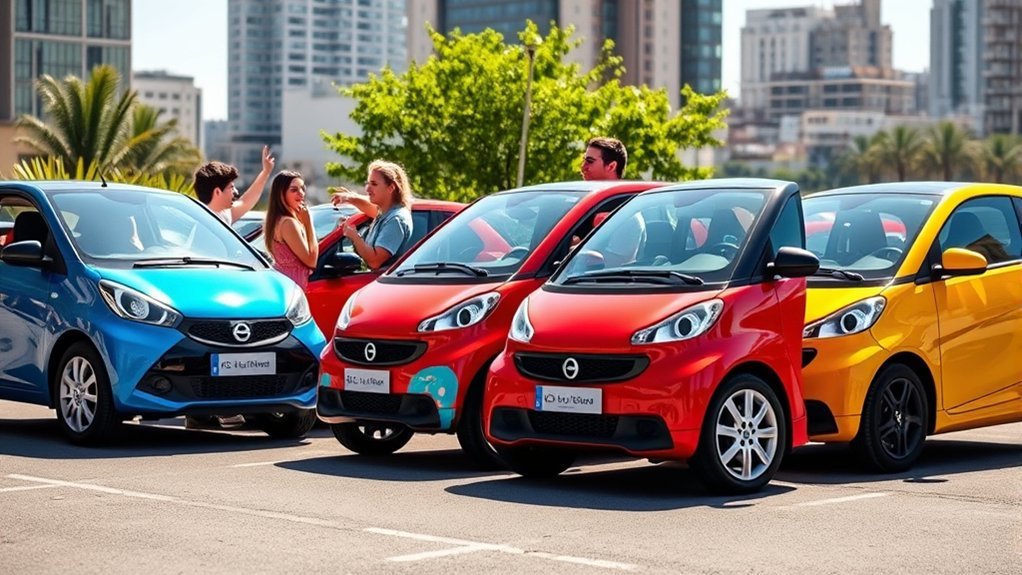
Choosing the best first car for a new driver in 2026 means balancing safety, reliability, insurance costs, and everyday practicality. A small hatchback can be easier to park and less intimidating to drive, but size alone does not determine safety. Before buying, compare the exact model, engine, specification, and insurance quote. For UK drivers, a good first car should also have manageable running costs, a clear service history, and safety features that support you while you gain experience.
Quick Answer
The best first cars for new drivers in 2026 are practical, affordable to insure, and equipped with dependable safety features. UK buyers can compare models such as the Hyundai i10, Kia Picanto, Toyota Aygo X, Toyota Yaris, and Škoda Fabia. Check insurance quotes, crash-test results, servicing costs, and vehicle history before making your final choice.
Key Takeaways
- Choose a first car using safety, insurance, reliability, and total ownership costs rather than purchase price alone.
- Check Euro NCAP results for the relevant vehicle generation and confirm which safety features are fitted.
- Get insurance quotes for the exact car and driver before paying a deposit.
- Inspect used cars carefully and verify their DVLA information, MOT history, and recall status.
- Consider petrol, hybrid, or electric power according to your mileage, budget, and charging access.
First Cars Worth Comparing in 2026
There is no single first car that suits everyone. A car that works well for short city journeys may be less comfortable for regular motorway trips, while a low purchase price does not always mean low insurance costs.
The following UK-market models provide useful starting points. They are examples to investigate, not a ranking or a guarantee of affordability. Availability, equipment, insurance, and running costs depend on the specific vehicle.
| Model | Why Consider It? | What to Check |
|---|---|---|
| Hyundai i10 | Compact dimensions suit urban driving and parking. | Insurance, gearbox type, equipment, and motorway comfort. |
| Kia Picanto | A small petrol hatchback with practical everyday features. | Exact trim, safety equipment, service history, and insurance. |
| Toyota Aygo X | City-friendly dimensions, with petrol and hybrid options depending on model year. | Generation, powertrain, boot space, and applicable safety rating. |
| Toyota Yaris | A practical small hatchback with hybrid options. | Model year, battery and service checks, equipment, and insurance. |
| Škoda Fabia | A compact hatchback with useful passenger and luggage space. | Engine, gearbox, maintenance history, and running costs. |
Other vehicles worth researching include suitable used examples of the Renault Clio, Honda Civic, and Toyota Corolla. Larger cars may offer more room but can cost more to buy or insure, depending on the version.
Use the same checks for every candidate instead of assuming one model will automatically be cheaper or more reliable than another.
How These First-Car Options Were Selected
The shortlist focuses on vehicles relevant to UK buyers and everyday first-car use. The key considerations are:
- Safety: Published crash-test assessments and available driver-assistance systems.
- Practicality: Visibility, parking ease, passenger space, and luggage capacity.
- Running costs: Fuel or electricity, insurance, servicing, tax, and tyres.
- Usability: Comfortable driving position, suitable gearbox, and straightforward controls.
- Used-car suitability: Availability of service records and the condition of the individual vehicle.
No single model is guaranteed to be the cheapest to own or the safest in every situation. Always compare the exact vehicle you plan to buy.
An Optional Gift for a New Driver
The original featured product is a keychain, not a car. It may make a small gift for someone celebrating their driving test or first vehicle, but it should not be treated as a vehicle recommendation or safety device.
Affiliate disclosure: This article contains Amazon affiliate links. We may earn a commission from qualifying purchases at no additional cost to you.
| Don’t Do Stupid Keychain Gift for Teens |  |
Inspirational Gift | Occasion: Graduation, birthdays, and driving milestones | Audience: Suitable for sons and daughters | Design: Silver-tone appearance | VIEW LATEST PRICE | Read Our Analysis |
More Details on the Featured Gift
-
Don’t Do Stupid Keychain Gift for Teens
When celebrating your teen’s milestones, a small gift can carry a personal message. This inspirational keychain is an option for graduation, birthdays, or the excitement of becoming a new driver.
Its silver-tone appearance makes it a simple accessory for a set of keys. The message is intended as a reminder to make sensible choices, although a novelty accessory cannot replace proper driving instruction, attention, or safe habits.
It can suit sons, daughters, and young adults heading off to new adventures. Check the current product listing for materials, dimensions, and other details before purchasing.
- Occasion:Graduation, birthdays, and other milestones
- Audience:Suitable for sons and daughters
- Design:Silver-tone appearance
- Functionality:Keychain with an inspirational message
- Specialty Use:New-driver or going-away gift
- Versatility:Suitable for multiple celebrations
- Additional Feature:Inspirational message included
- Additional Feature:Suitable for milestone celebrations
- Additional Feature:Compact keychain design
Factors to Consider When Choosing First Cars for New Drivers
When choosing your first car, think beyond the price displayed in the advertisement. Safety, budget, fuel efficiency, reliability, insurance, and ease of driving all affect whether a vehicle is suitable.
The following factors will help you narrow down your choices and avoid expensive surprises after purchase.
Safety Features Importance
Choosing a first car involves more than style and price. Safety features can help protect occupants and reduce the risk of certain types of crashes, but no system can prevent every accident.
Look for these features when comparing cars:
- Electronic stability control (ESC): Helps the driver maintain control when the vehicle begins to lose stability.
- Anti-lock braking system (ABS): Helps prevent wheel lock during hard braking.
- Automatic emergency braking (AEB): Can detect certain hazards and apply the brakes when the driver does not respond in time.
- Lane departure warning: Alerts the driver when the vehicle unintentionally leaves its lane.
- Airbags and seat belts: Help protect occupants during a collision.
- Rearview camera and parking sensors: Assist with visibility and low-speed manoeuvres.
- Blind-spot monitoring: May warn of vehicles in areas that are difficult to see.
Not every version of a model has identical equipment. Check the manufacturer’s specification for the exact model year and trim.
For UK-market cars, use Euro NCAP safety assessments to compare crash protection and safety technology.
Euro NCAP’s December 2025 results gave four stars to the Toyota Yaris, Toyota Aygo X, and Renault Clio under that year’s assessment programme. The detailed results also explain the strengths and limitations found during testing.
Check the rating year and applicable vehicle generation. A rating for an older model or a different equipment package should not automatically be applied to the car in front of you.
Warning: Driver-assistance technology is not a substitute for paying attention. AEB, lane assistance, cameras, and parking sensors have operating limits. You remain responsible for steering, braking, observation, and following the road rules.
Budget Considerations
Budgeting for a first car involves more than the purchase price. Insurance, fuel, maintenance, registration-related expenses, and unexpected repairs can add significantly to the total cost.
Before setting your maximum purchase budget, estimate the following:
- Purchase price or deposit.
- Monthly finance payments and total interest, if applicable.
- Annual insurance premium.
- Vehicle Excise Duty (VED).
- Fuel or electricity.
- Servicing, MOT tests, and replacement tyres.
- Parking, breakdown cover, and routine maintenance.
- An emergency fund for unexpected repairs.
For a financed vehicle, compare the annual percentage rate (APR), total amount payable, deposit, mileage conditions, and any final payment.
Do not choose a car solely because its monthly finance payment looks affordable. Consider the complete agreement and the amount you will spend over the ownership period.
Example First-Car Budget
Suppose a used car costs £5,000. You should still calculate the annual cost of insurance, tax, servicing, fuel, and repairs before deciding whether the purchase is affordable.
For example, an annual insurance quotation of £1,500 would equal £125 per month when divided into 12 months. That is only an arithmetic illustration, not an average or guaranteed quote. Paying monthly through an insurer may cost more because of finance charges.
Obtain real prices for your chosen car and circumstances rather than relying on generic estimates.
Fuel Efficiency Ratings
Understanding fuel efficiency is important because it affects your long-term running costs.
In the UK, official fuel economy is commonly displayed in miles per imperial gallon (MPG) or litres per 100 kilometres (L/100 km).
A higher MPG figure generally means less fuel is needed to travel the same distance. A lower L/100 km figure means lower fuel consumption.
Compact petrol cars and hybrids are worth comparing, particularly if you drive regularly. However, real-world fuel use depends on driving style, traffic, temperature, journey length, and vehicle condition.
Use the UK government’s car fuel and CO2 emissions service to compare official figures for specific models.
For newer vehicles, compare WLTP figures produced under the same testing procedure. Laboratory figures help you compare vehicles but are not a promise of actual fuel consumption.
Vehicle Size Matters
The size of your first car can affect how comfortable and confident you feel behind the wheel.
Smaller vehicles often make parking and navigating narrow roads easier, which can be helpful for inexperienced drivers.
However, a small car is not automatically safer than a larger one. Compare crash-test results, safety equipment, visibility, and the condition of the specific vehicle.
Before buying, check:
- Whether you can see clearly through the front, side, and rear windows.
- Whether the seat and steering wheel adjust to a comfortable position.
- Whether you can reach the pedals without stretching.
- Whether the mirrors provide useful visibility.
- Whether the vehicle is easy to park and turn.
- Whether the boot and rear seats meet your everyday needs.
A short test drive on different types of road can reveal whether the vehicle feels suitable for you.
Reliability Ratings
Reliability is particularly important for new drivers who may not have much experience identifying mechanical problems.
Reliability surveys and owner reports can help you identify patterns, but results often differ between model generations, engines, gearboxes, and manufacturing years.
Do not assume that every vehicle from a familiar brand will have the same reliability.
When researching a model, look for:
- Common mechanical problems affecting its specific engine or gearbox.
- Evidence of regular servicing.
- Outstanding safety recalls.
- Typical repair and replacement-part costs.
- Warranty coverage and exclusions.
- Whether previous problems have been repaired properly.
A well-maintained used car with clear documentation can be a more sensible purchase than a neglected vehicle with a lower advertised mileage.
Insurance Costs Impact
Insurance can make a major difference to the affordability of your first car.
New and younger drivers may face higher premiums because insurers consider factors such as driving experience and claims risk.
Your premium can also depend on your postcode, mileage, parking arrangements, occupation, claims history, cover level, and the exact vehicle.
A small engine or low insurance group does not guarantee a cheap quotation.
Before buying:
- Find a vehicle you are considering.
- Use its registration number and accurate driver details to request insurance quotations.
- Compare equivalent levels of cover and excess.
- Check any restrictions on mileage, commuting, and other drivers.
- Confirm when the policy will begin.
In the UK, third-party motor insurance is the legal minimum for driving on public roads.
Third-party cover does not pay to repair your own car. Compare it with third-party, fire and theft and comprehensive insurance rather than assuming the minimum level will always be the cheapest.
Pro Tip: Get insurance quotes for several different cars before arranging a viewing. A vehicle that costs slightly more to buy may have a lower insurance quotation for your circumstances, changing its total ownership cost.
Technology and Connectivity
Technology can make your first car more convenient, but the most useful features are those that support safe, straightforward driving.
Bluetooth connectivity allows compatible phones to connect to the vehicle, while Apple CarPlay and Android Auto can provide navigation and other supported functions through the infotainment system.
These features can reduce the need to handle a phone, but they do not eliminate distraction. Set your navigation and music before moving off.
Prioritise safety and usability features such as:
- Clear, easy-to-read instruments.
- Reliable headlights and visibility.
- Reversing camera or parking sensors.
- Automatic emergency braking, where fitted.
- Lane departure warnings, where fitted.
- Simple climate and demisting controls.
Connected vehicle apps can be useful for maintenance reminders and vehicle information. However, availability may depend on the model year, subscription, and manufacturer.
Choose technology that helps you drive comfortably without encouraging unnecessary screen interaction.
Should Your First Car Be New or Used?
Both new and used cars can be suitable for first-time drivers. The right choice depends on your budget, required features, expected mileage, and willingness to manage repairs.
Buying a New First Car
A new vehicle may offer current safety technology, a manufacturer’s warranty, and a known maintenance history.
However, it usually requires a larger purchase budget. Insurance and depreciation must also be considered.
Check the exact standard equipment and warranty terms rather than assuming every trim includes all advertised features.
Buying a Used First Car
A used car can reduce the initial purchase cost and give you access to a wider range of vehicles within your budget.
The main challenge is identifying whether the vehicle has been maintained properly.
A used car should be assessed according to its condition, history, safety equipment, and likely repair costs—not simply its age or mileage.
If you are unfamiliar with cars, consider paying an independent qualified mechanic to inspect the vehicle before purchase.
Petrol, Hybrid, or Electric: Which Type Should You Consider?
Your driving pattern can help determine which powertrain makes sense for your first car.
Petrol Cars
Petrol cars are worth considering if you want a conventional vehicle with straightforward refuelling.
Compare fuel economy, engine-specific reliability, servicing costs, and insurance before choosing.
Hybrid Cars
A conventional hybrid combines a petrol engine with an electric motor and battery. It can recover energy while driving and generally does not require plugging into an external charger.
Hybrids may offer useful fuel savings, particularly in some urban driving conditions, but actual results vary.
For a used hybrid, check the service history, battery-related warranty terms, and any manufacturer inspection requirements.
Electric Cars
Electric vehicles can be suitable for new drivers, especially when reliable charging is available at home or near regular destinations.
Before buying an electric car, consider:
- The vehicle’s realistic driving range.
- Access to suitable charging facilities.
- Home and public charging costs.
- Battery condition and warranty.
- Insurance premiums.
- Tyre and repair costs.
- Vehicle tax.
Electric cars can have fewer routine engine-related servicing requirements than petrol cars, but they are not maintenance-free.
Also remember that electric vehicles are subject to UK vehicle tax. Check the current rate for the vehicle’s registration date using the official vehicle tax tables.
How to Check a Used First Car Before Buying
Never rely entirely on an advertisement or a seller’s description. A few checks before handing over money can help identify problems that are expensive or difficult to resolve later.
1. Check the Vehicle Documents and History
Ask for the registration number and vehicle details before travelling to inspect the car.
Use the official GOV.UK used-vehicle buying checklist to verify the information supplied by the seller.
Check that:
- The registration details match the advertised vehicle.
- The V5C registration certificate is genuine and matches the car.
- The vehicle identification number (VIN) matches the documentation.
- The seller can explain any missing records or inconsistencies.
- The vehicle is not subject to an unresolved serious safety recall.
Consider an appropriate vehicle-history check for outstanding finance, recorded insurance damage, or other relevant history that may not appear in the MOT record.
2. Check the MOT History
Use the official MOT history service to review previous test results and recorded mileage.
Look for recurring advisories, repeated failures, and maintenance issues that may not have been resolved.
An MOT pass does not guarantee that the vehicle has no mechanical problems. It reflects the assessed requirements at the time of testing.
3. Inspect the Car Carefully
Inspect the vehicle in daylight when possible.
Look at:
- Tyre condition, tread, and uneven wear.
- Fluid leaks beneath the vehicle.
- Warning lights on the dashboard.
- Signs of corrosion or poorly repaired body damage.
- Headlights, indicators, brake lights, and wipers.
- Seat belts, mirrors, and windows.
- Unusual noises when starting the engine.
Ask the seller to leave the engine cold before your visit if practical. A cold start may reveal issues that are less noticeable after the engine has warmed up.
4. Take a Proper Test Drive
Make sure you are legally insured to drive the vehicle before the test drive.
During the drive, check whether the steering feels normal, the brakes respond predictably, and the vehicle changes gear smoothly.
Listen for unusual sounds and watch for warning lights.
Try ordinary road speeds, safe turning manoeuvres, and parking where conditions allow.
If something does not feel right, request an independent inspection rather than accepting an unsupported explanation.
5. Check for Safety Recalls
Use the official vehicle recall service to check whether the vehicle has an outstanding safety issue.
Ask for evidence that any necessary recall repair has been completed.
If a serious safety defect makes the vehicle unsafe to drive, do not use it until the required repair has been completed.
What to Do After Buying Your First Car
Once you have chosen a car and completed the purchase, make sure the legal and practical arrangements are in place before driving away.
- Arrange insurance: Confirm that the policy covers you, the vehicle, and your intended use.
- Complete the keeper-registration process: Make sure the seller follows the required DVLA procedure and gives you the appropriate documentation.
- Tax the vehicle: Vehicle tax does not transfer automatically with a used-car purchase. Tax your newly purchased vehicle before using it on the road.
- Check the MOT: Confirm that the vehicle has a valid MOT where required.
- Check basic maintenance: Inspect tyre pressures, fluid levels, lights, and service requirements.
- Learn the controls: Adjust your seat and mirrors and become familiar with the lights, wipers, demister, and safety systems before setting off.
The official GOV.UK vehicle-buying guide explains the necessary registration, insurance, and tax steps.
Note: New drivers should pay particular attention to their driving record. Under the UK’s new-driver rules, accumulating six or more applicable penalty points within the first two years after passing the first driving test can result in automatic licence revocation.
Frequently Asked Questions
What Are the Most Affordable Cars for First-Time Drivers in 2026?
UK buyers can compare small hatchbacks such as the Hyundai i10, Kia Picanto, Toyota Aygo X, and suitable used examples of the Toyota Yaris and Škoda Fabia. Affordability depends on the exact vehicle, purchase price, insurance quotation, fuel costs, tax, and maintenance requirements. There is no single model that will be cheapest for every driver.
How Do I Choose Between New and Used Cars for My Teen?
Compare safety equipment, reliability evidence, insurance, total costs, and the vehicle’s condition. A new car may offer current technology and warranty coverage, while a used car may have a lower initial price. For used vehicles, verify the MOT history, servicing, recalls, and documentation, and consider an independent inspection.
What Safety Features Should First Cars Have for New Drivers?
Prioritise seat belts, airbags, electronic stability control, ABS, and strong vehicle-specific crash-test performance. Automatic emergency braking, lane departure warning, blind-spot monitoring, and a reversing camera can provide additional assistance where available. Check the equipment fitted to the exact model and trim.
Are Electric Cars Suitable for New Drivers in 2026?
Yes, an electric car can suit a new driver if the vehicle is affordable, properly insured, and compatible with their charging arrangements. Check realistic range, battery condition, warranty, charging costs, vehicle tax, and repair expenses before purchasing.
How Can I Save on Insurance for My Teen’s First Car?
Compare quotations for different vehicles, check telematics policies, consider suitable excess options, and ask about available discounts. Adding an experienced driver may affect the price, but the policy must accurately identify the real main driver. Never misrepresent who uses the car most often. A clean driving record may also help with future insurance costs.
Should a First-Time Driver Choose a Manual or Automatic Car?
Choose a gearbox that suits your licence, driving confidence, budget, and everyday needs. An automatic can reduce the need for manual gear changes, while a manual may offer different used-car choices. In the UK, a driver who passes their practical test in an automatic car is restricted to driving automatic vehicles unless they subsequently pass the required manual test.
What Should I Check Before Buying a Used First Car?
Verify the registration information, V5C, VIN, MOT history, service records, and outstanding recalls. Inspect tyres, brakes, lights, bodywork, and warning indicators. Make sure you are insured for the test drive, and arrange an independent mechanical inspection if you are unsure about the vehicle’s condition.
Does a New Driver Need Insurance Before Driving Their First Car?
Yes. You must have valid insurance covering you to drive the vehicle before using it on UK roads. Third-party insurance is the legal minimum. Confirm that your policy has started before collecting or driving the car.
Conclusion
Choosing your first car is an important step, but the right decision comes from comparing the complete ownership picture rather than focusing on one attractive model or price.
Start with vehicles that fit your driving needs, then check their safety equipment, insurance quotations, reliability evidence, fuel economy, and maintenance requirements.
If you are buying used, take the time to inspect the car, verify its history, and check for outstanding recalls. A dependable vehicle with manageable running costs can make your first years of driving much easier.
Choose a car that you can afford to run, feel comfortable driving, and maintain properly as you gain experience on the road.
Sources
- Department for Transport — Younger Driver Factsheet — Official UK road-safety statistics, updated July 30, 2026.
- Euro NCAP — December 2025 Safety Results — Independent assessments covering the Toyota Yaris, Toyota Aygo X, Renault Clio, and other vehicles.
- GOV.UK — Check a Used Vehicle You’re Buying — Vehicle documentation, history, and pre-purchase checks.
- GOV.UK — Vehicle Insurance — UK motor insurance requirements and minimum legal cover.
- GOV.UK — Vehicle Tax Rates — Official vehicle tax information applicable in 2026.
- Vehicle Certification Agency — How to Use Fuel Consumption Data — Official fuel-economy figures and guidance, updated March 31, 2026.






Leave a Reply